💇 Can Your Diet Affect Hair Fall?
It can—especially when hair shedding is related to inadequate calories, protein or specific nutrient deficiencies. But hair loss has many causes, including genetics, hormonal changes, thyroid disorders, illness, medications and scalp conditions. That is why eating one 'hair growth food' rarely solves persistent hair fall.
For Indian diets, the most practical approach is to build meals around adequate protein and a variety of nutrient-rich foods. ICMR-NIN's Dietary Guidelines for Indians 2024 also emphasize dietary diversity and obtaining nutrients from a variety of food groups rather than relying on a single food.
🔬 Nutrients Hair Follicles Need
Protein: Hair is largely made of keratin, so inadequate protein intake can affect hair production.
Iron: Iron deficiency, particularly when associated with anaemia, can contribute to diffuse hair shedding.
Zinc: Zinc is involved in protein synthesis and normal tissue growth.
Vitamin D and other micronutrients: Low levels may be found in some people with hair loss, but supplementation should be based on individual assessment rather than automatically taking high-dose supplements.
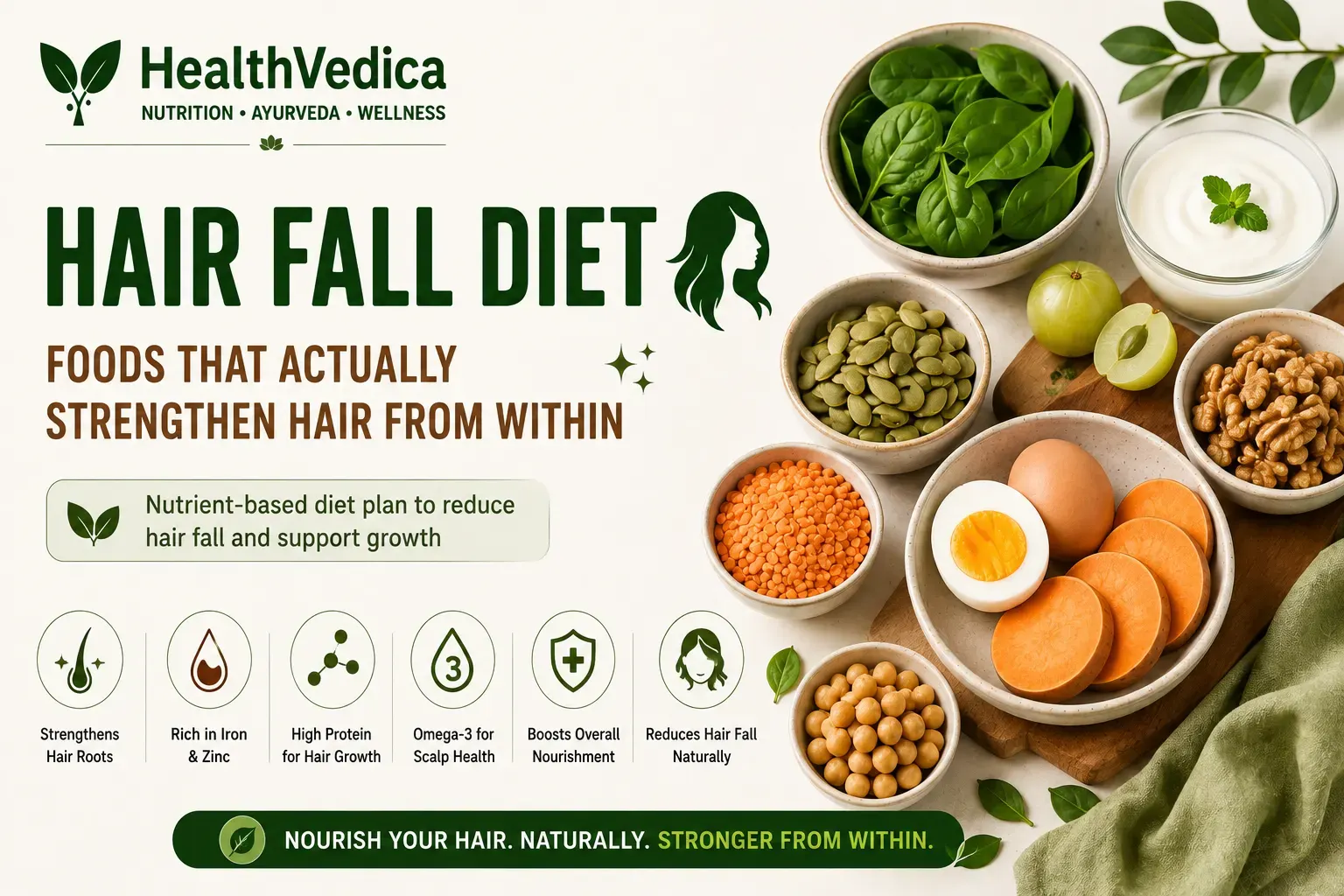
📊 Hair-Friendly Foods to Add Regularly
| Food | Useful Nutrients | Simple Use |
|---|---|---|
| Eggs | Protein, biotin, several micronutrients | Breakfast or meal protein |
| Dal and legumes | Protein, iron, zinc | Daily meals |
| Leafy greens | Iron, folate and carotenoids | Palak, methi and mixed greens |
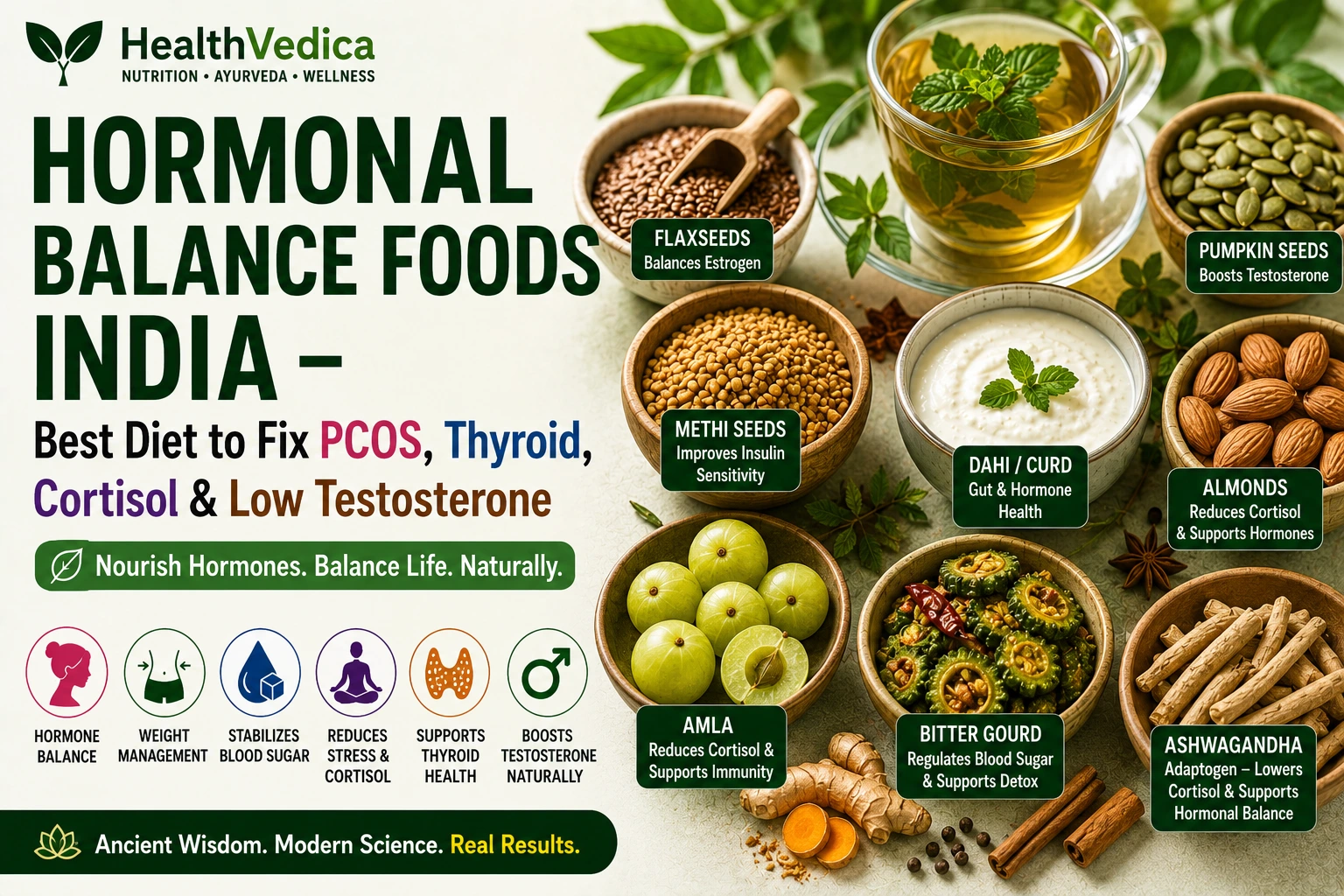
| Pumpkin seeds | Zinc, magnesium and healthy fats | Small snack portion |
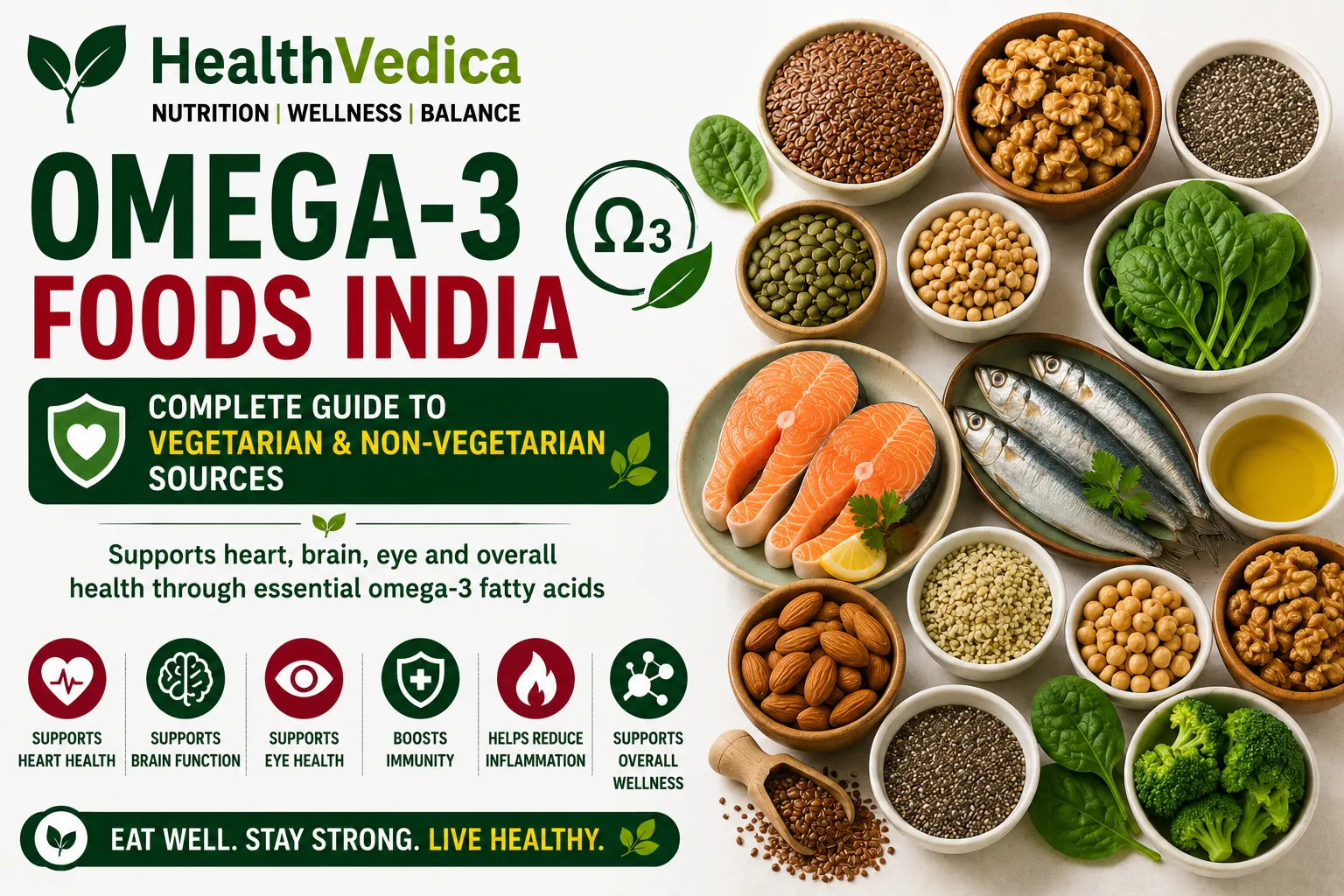
| Walnuts | ALA omega-3 fats | Add to breakfast or snacks |
| Amla | Vitamin C | With meals containing plant iron |
| Curd/yoghurt | Protein and calcium | With lunch |
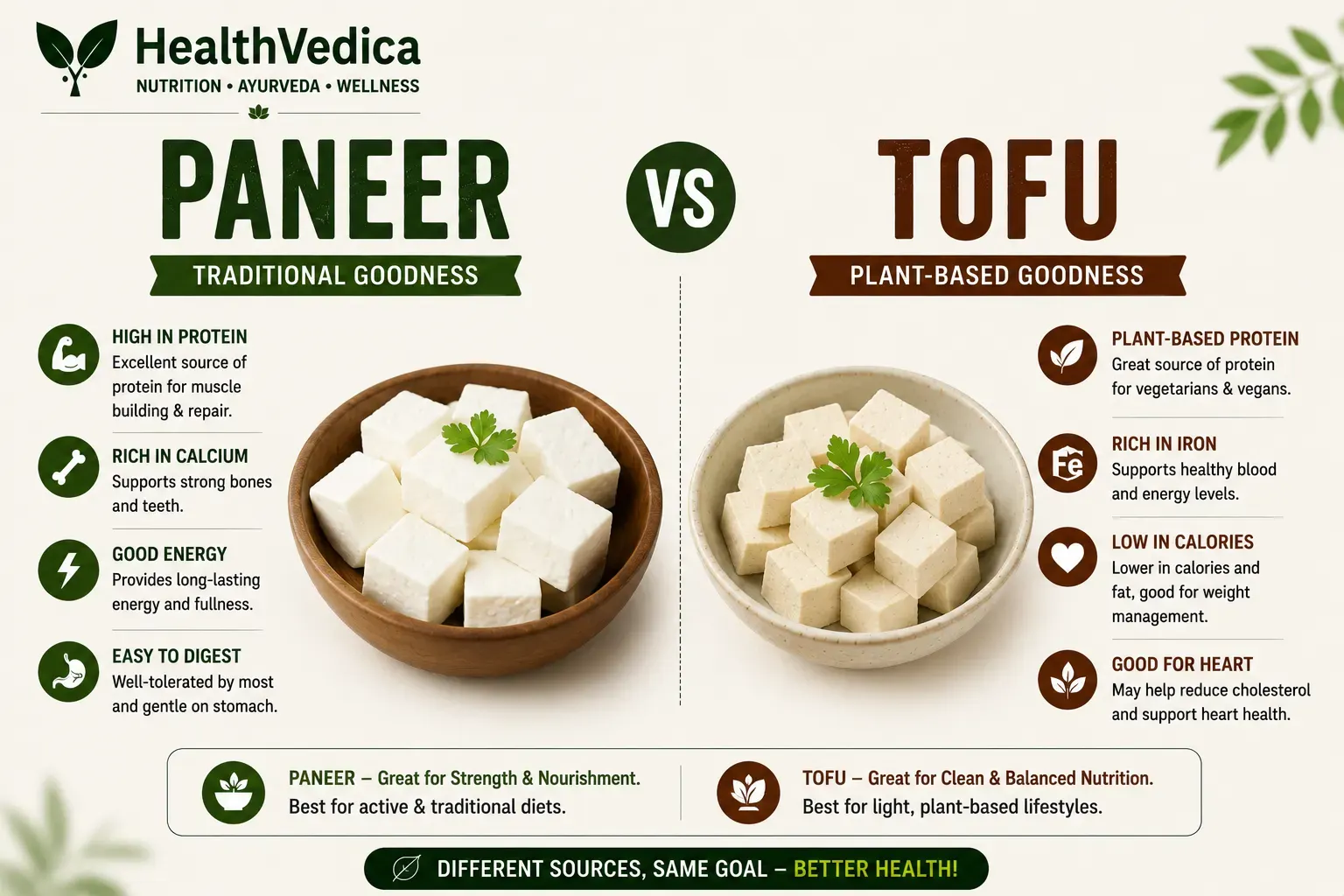
| Tofu/paneer/fish | Protein | Rotate as meal proteins |
⭐ The Iron + Vitamin C Combination
Plant foods such as lentils and leafy vegetables provide non-heme iron. Vitamin C can improve absorption of non-heme iron, making combinations such as dal with tomato, lemon, amla or other vitamin-C-rich foods useful.
🍽️ Simple Indian Hair-Fall Diet Pattern
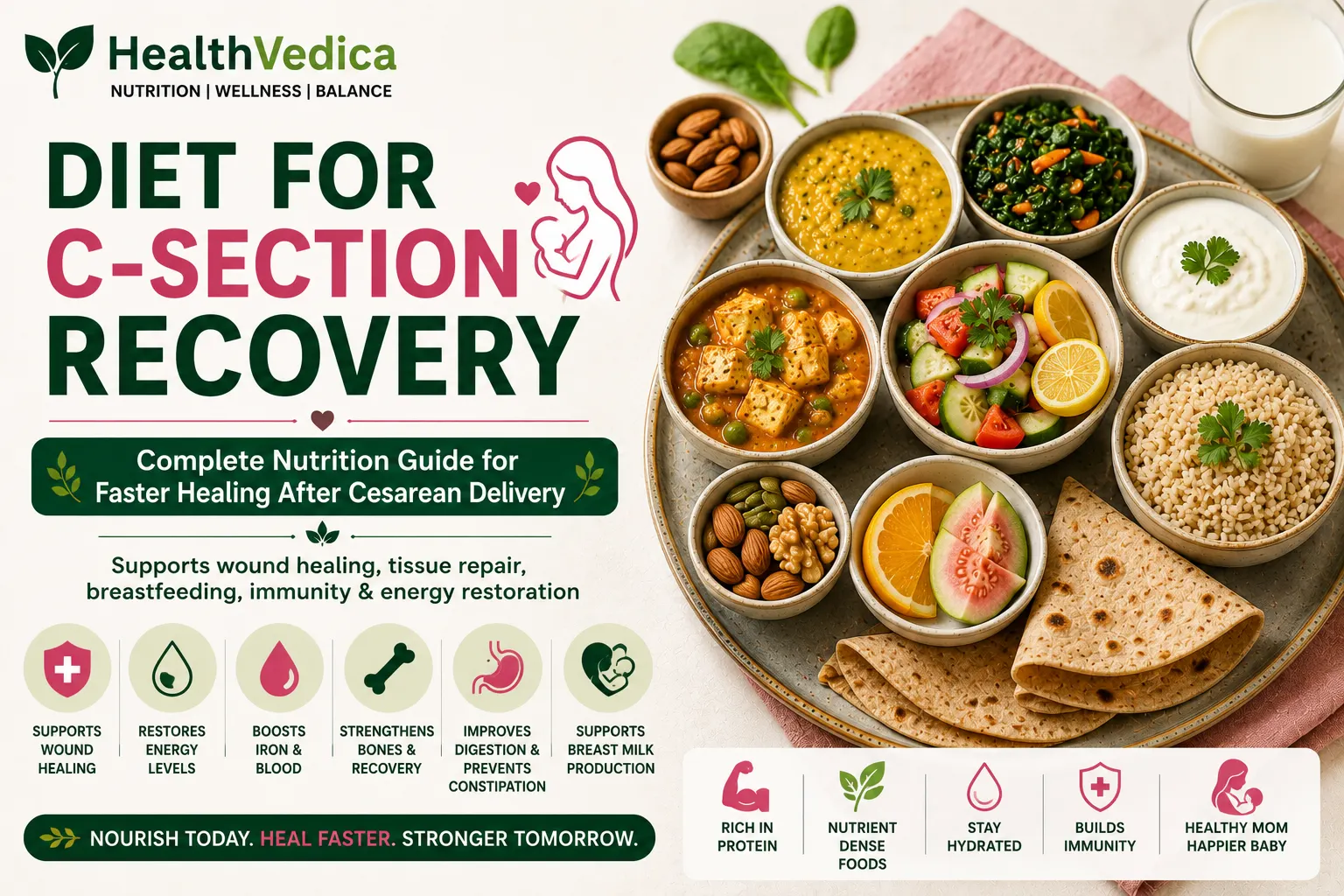
Breakfast: Eggs or besan chilla + fruit. Lunch: Dal/rajma/chana + rice or roti + vegetables + curd. Snack: Nuts or seeds. Dinner: Tofu, paneer, eggs or fish + vegetables + whole-grain carbohydrate.
This is more useful than trying to eat a single 'hair superfood' every day.
⚠️ When Diet Is Not Enough
If shedding is sudden, severe or persistent, or you have scalp symptoms, unexplained fatigue or other symptoms, speak with a healthcare professional. Depending on the history, they may consider tests such as a complete blood count, iron status/ferritin, thyroid testing or vitamin levels.
Hair grows slowly, so nutritional correction usually takes months rather than days. Avoid promising yourself overnight regrowth from diet or supplements.
📌 Bottom Line
Adequate protein, iron, zinc and overall dietary quality can support healthy hair, especially when a genuine nutritional gap is present. But persistent hair loss needs its underlying cause identified instead of being treated as a simple food deficiency.