⚖️ Hormonal Balance Foods India: A Practical Guide Without the “Hormone Detox” Hype
“Balance your hormones” is one of the most common promises in health marketing. The problem is that hormones are not a single system with one reset button. Insulin, thyroid hormones, cortisol, estrogen, progesterone and testosterone are controlled by different organs and feedback loops.
Food still matters — but mostly by improving the conditions in which those systems work: better blood-glucose control, adequate protein and micronutrients, healthy fats, enough fibre, appropriate energy intake, physical activity and good sleep.
🔬 Your Key Hormones & What Food Can Realistically Influence
| System | Food Connection | Practical Focus |
|---|---|---|
| Insulin | Responds strongly to carbohydrate quantity/quality, overall energy intake and activity | Fibre-rich carbs, vegetables, protein, portion awareness, regular movement |
| Thyroid | Needs iodine and other nutrients for normal hormone production; treatment is not replaced by food | Use iodised salt appropriately; eat a varied diet; take prescribed medication correctly |
| Cortisol | Stress, sleep, illness and energy balance have major roles; no food “switches off” cortisol | Regular meals, adequate nutrition, sleep, activity and stress support |
| Estrogen / progesterone | Influenced by ovarian function, body composition, liver and gut metabolism, and life stage | Fibre-rich plant foods and adequate nutrition; investigate symptoms rather than self-treat |
| Testosterone | Depends on gonadal function, energy balance, sleep, body composition and medical factors | Adequate protein, healthy fats, resistance exercise, sleep and evaluation of symptoms |
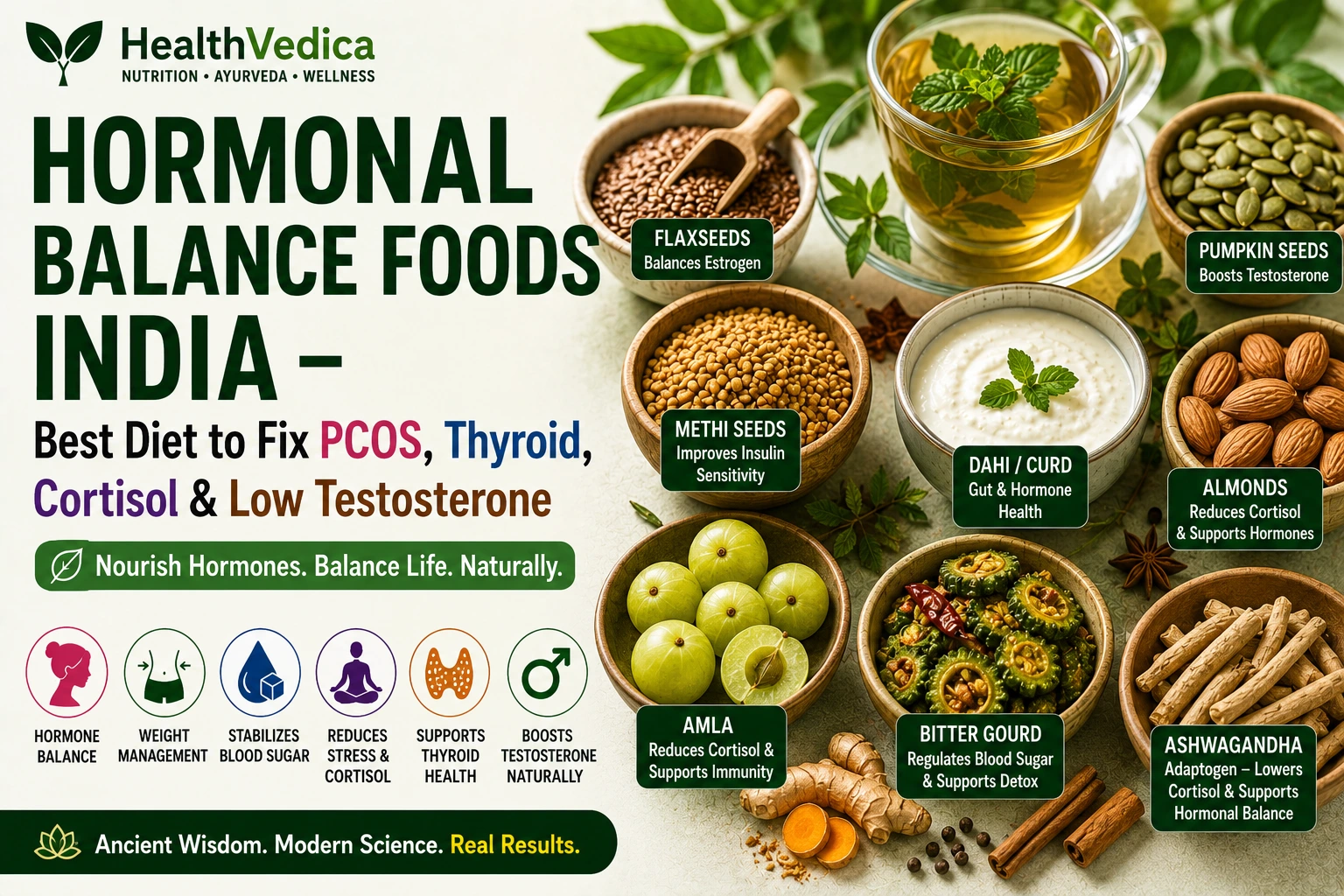
🥗 10 Indian Foods That Fit a Hormone-Supportive Diet
| Food | Useful Nutrients / Features | Best Role |
|---|---|---|
| Leafy greens | Folate, magnesium, carotenoids, fibre | Everyday vegetable variety |
| Dal & beans | Protein, folate, iron, fibre | Base of a balanced vegetarian meal |
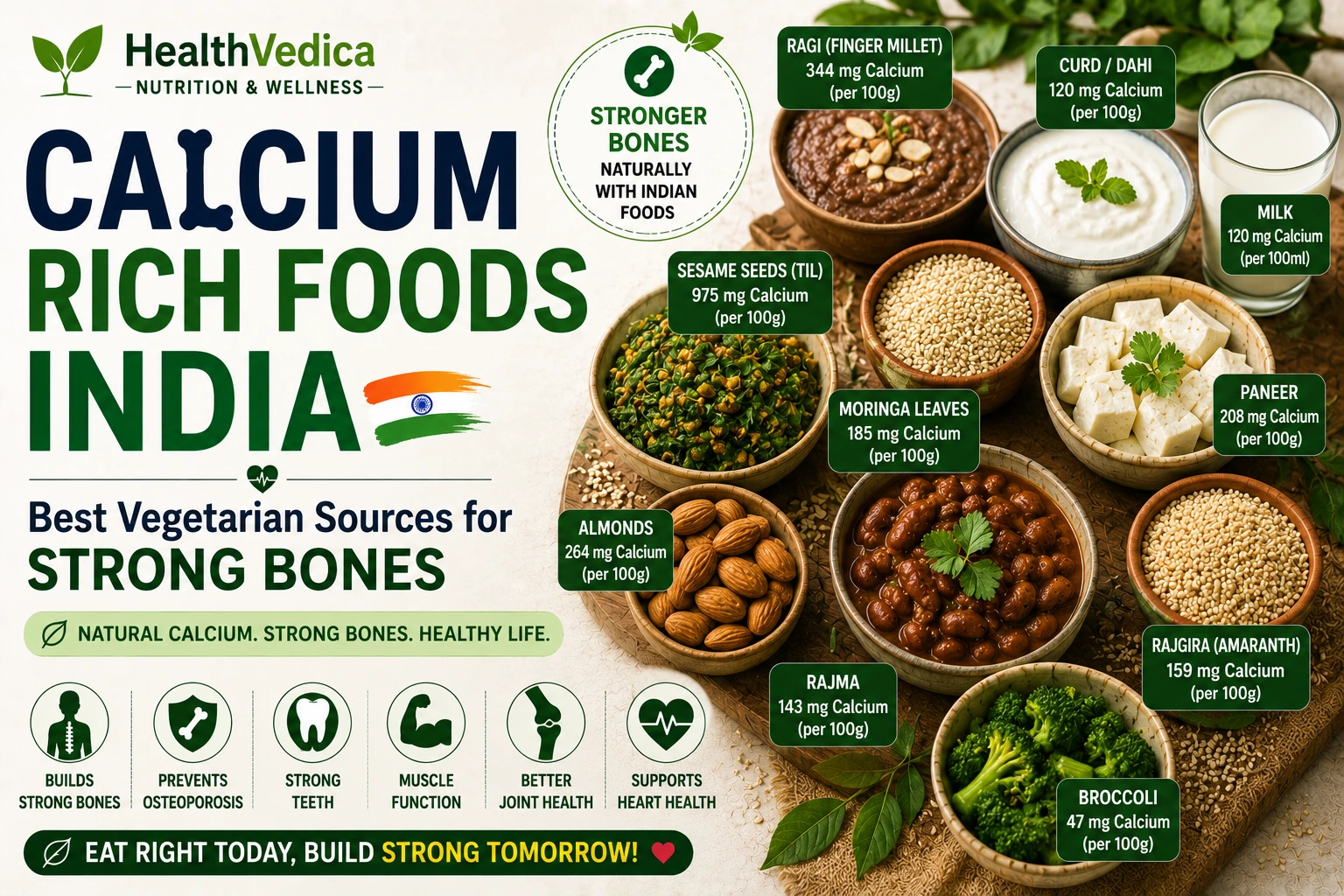
| Curd / dairy | Protein, calcium; some foods fortified with vitamin D | Protein + calcium source when tolerated |
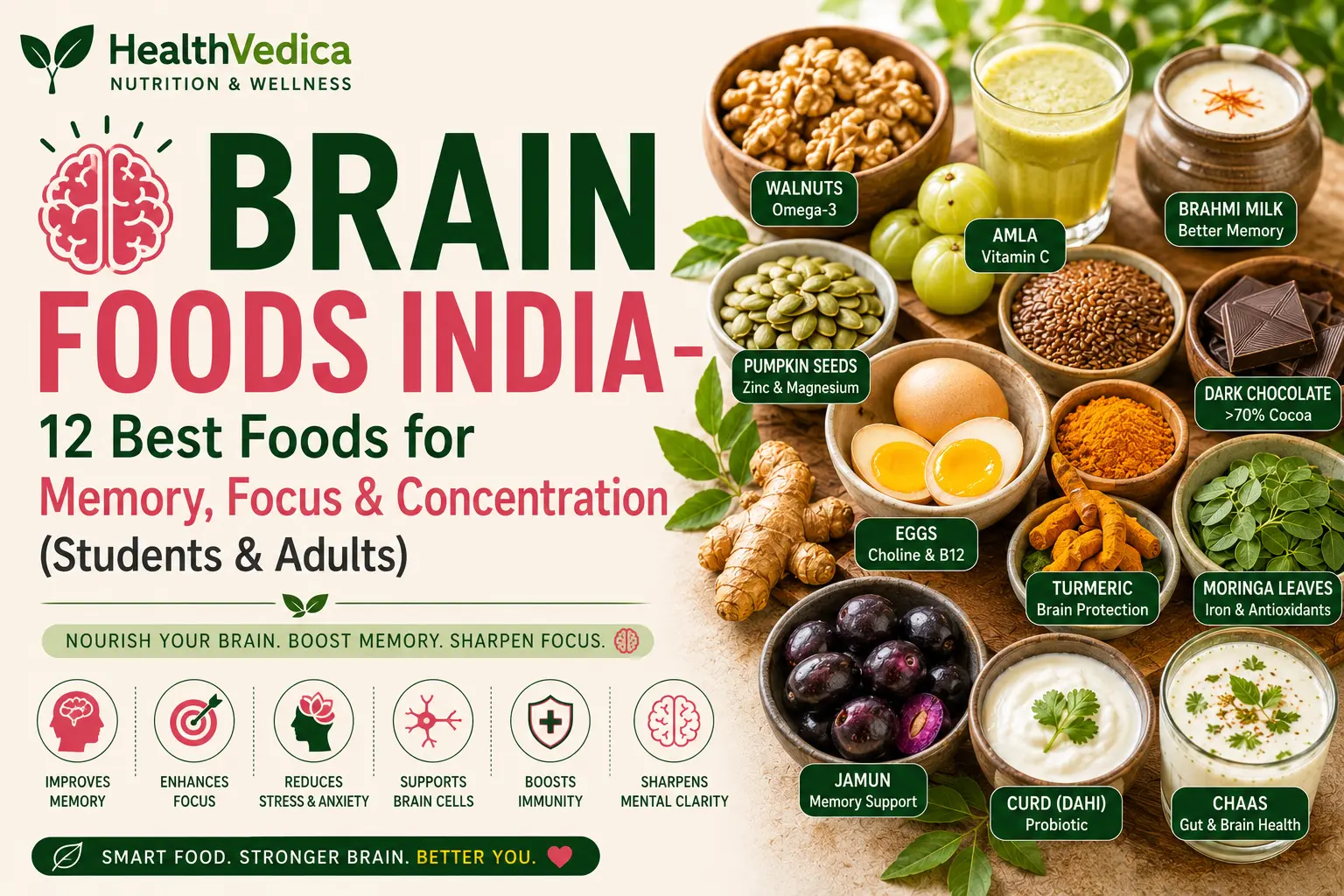
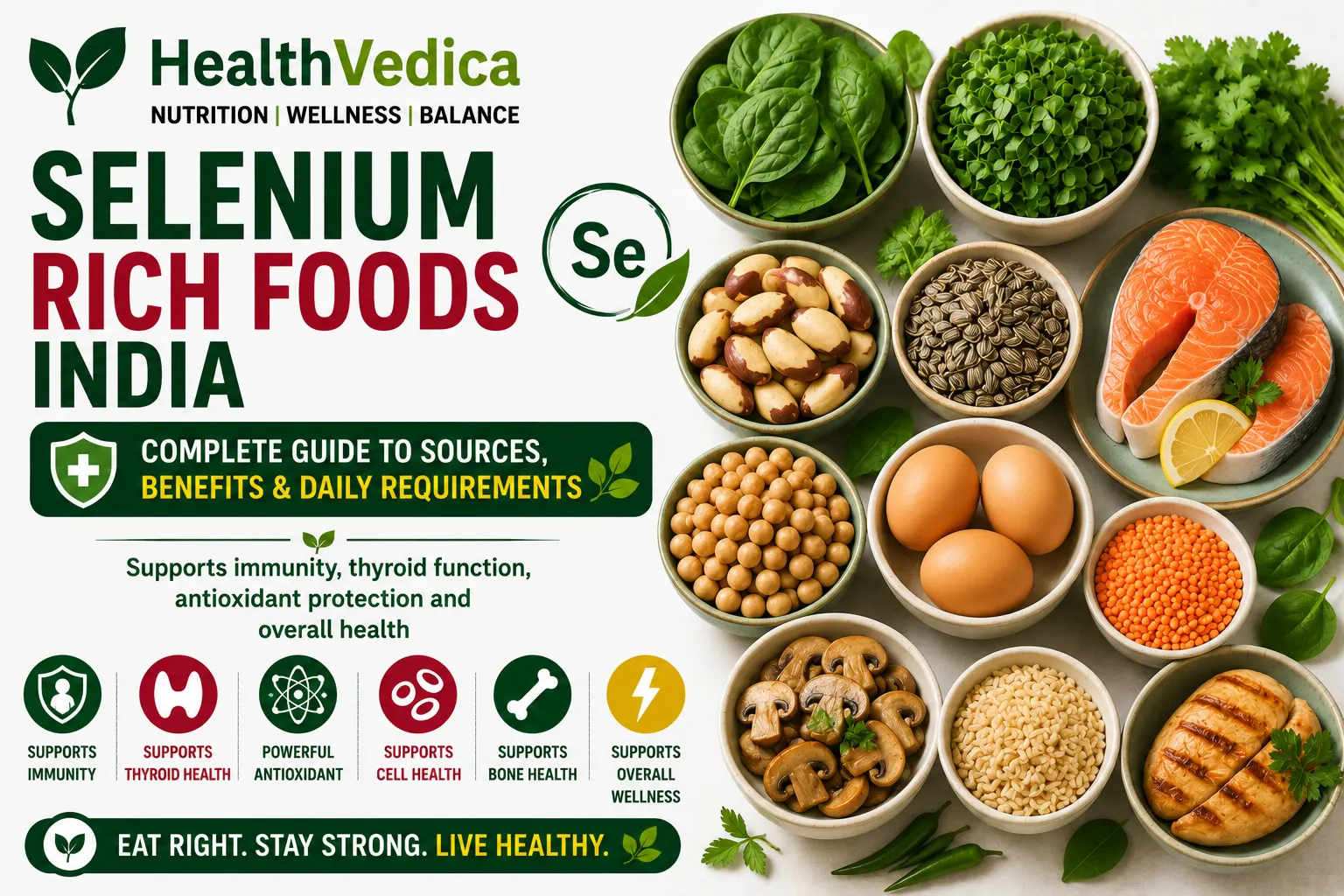
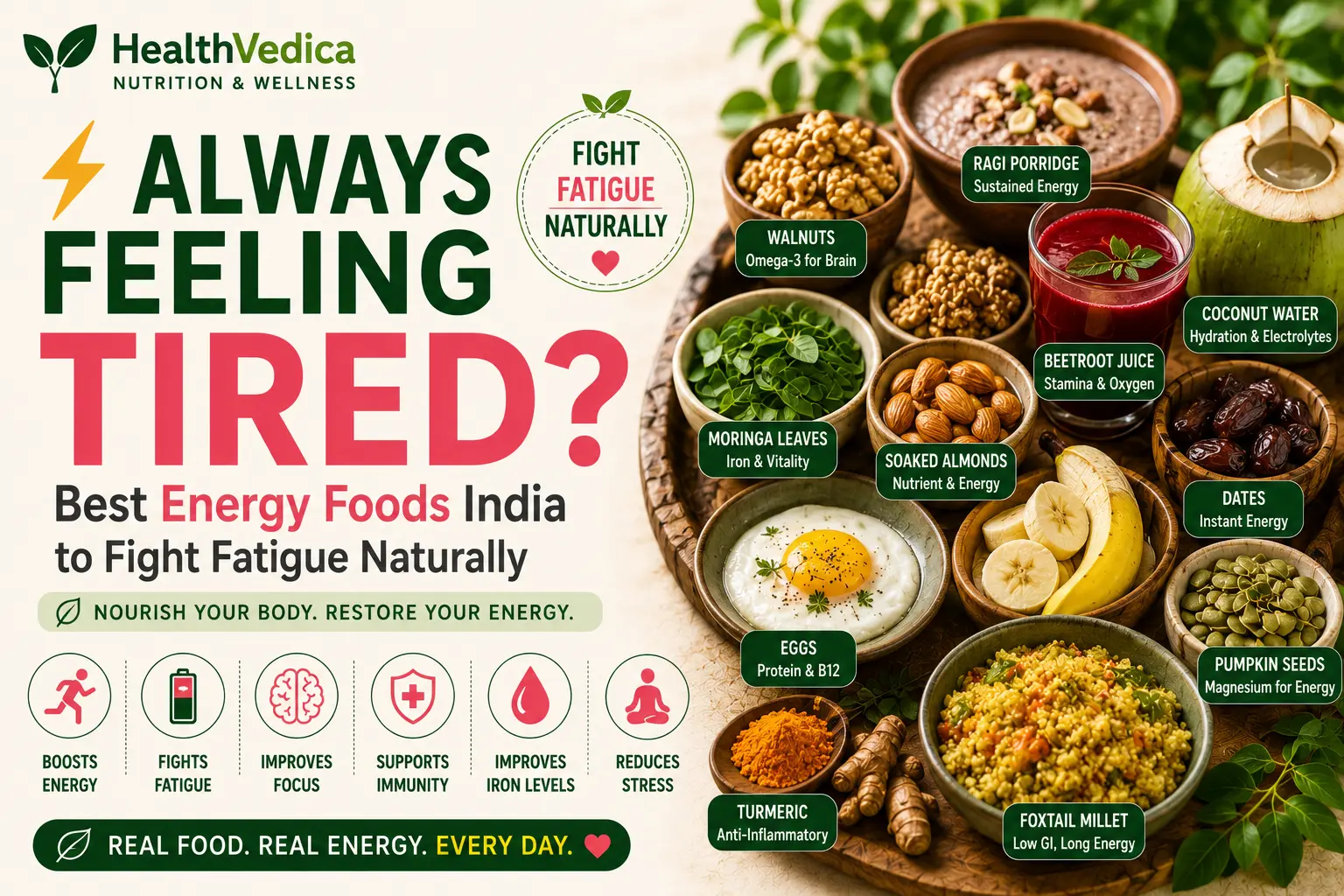
| Eggs | Protein, B12, choline and other micronutrients | Convenient nutrient-dense option |
| Walnuts | Unsaturated fats, ALA | Small daily nut serving |
| Ground flaxseed | Fibre, ALA and lignans | Add to curd/oats in ordinary food portions |
| Pumpkin seeds | Zinc, magnesium, unsaturated fats | Snack/topping |
| Fruit | Fibre, vitamin C and polyphenols | Whole fruit instead of frequent juice |
| Whole grains & millets | Fibre and minerals | Carbohydrate variety |
| Vegetable-rich meals | Volume, fibre and micronutrients | Make vegetables a visible part of lunch and dinner |
🌿 Where Ayurveda Fits
Ayurveda traditionally uses herbs and food routines in a broader framework of Ahara, lifestyle and individual constitution. Ministry of AYUSH resources document many medicinal plants, including Ashwagandha and Shatavari, while AYUSH pharmacovigilance monitors adverse effects and misleading claims. [1][2]
Ashwagandha and Shatavari can be discussed as traditional options, but avoid “hormone balancing” promises that imply treatment of PCOS, hypothyroidism, infertility or low testosterone without evidence. For people taking thyroid medication, diabetes medicines, sedatives, fertility medicines or other prescription drugs, professional review is especially important.
🚫 What to Stop Calling a “Hormone Detox”
Juice cleanses, seed-cycling promises, extreme fasting and long lists of banned foods can create the illusion of control while missing the actual diagnosis. When symptoms such as missed periods, severe acne/hair growth, unexplained weight change, heat/cold intolerance, galactorrhea, erectile dysfunction or persistent fatigue occur, the right next step is usually clinical assessment, not a detox plan.
💡 A Better Daily Hormone-Health Routine
Morning: water + balanced breakfast with protein and fibre.
Lunch: vegetables + pulses/protein + whole-grain/millet/other carbohydrate + curd where appropriate.
Snack: fruit or a small nut/seed serving.
Dinner: mostly home-cooked food, adequate protein and vegetables.
Movement: regular walking plus resistance or other exercise you can maintain.
Sleep: keep a consistent schedule and treat persistent sleep problems as health issues, not a lack of discipline.
🧪 When “Hormone Symptoms” Need Testing
| Symptom | Possible Systems to Evaluate |
|---|---|
| Irregular/absent periods | Pregnancy, PCOS, thyroid, prolactin, ovarian causes and others |
| Low libido or erectile problems | Hormonal, vascular, medication, sleep and psychological factors |
| Heat/cold intolerance or marked weight change | Thyroid and metabolic causes |
| Persistent acne/hirsutism | Androgen-related causes, PCOS and other endocrine conditions |
| Persistent fatigue | Sleep, anaemia, thyroid, nutrition and other medical causes |
📌 ICMR-NIN Foundation: Build the Diet Before Chasing the Hormone
ICMR-NIN’s dietary guidance emphasises variety across food groups, vegetables and fruits, pulses, cereals/millets, nuts and oils, along with physical activity and healthy weight management. That foundation is more defensible for a general “hormone health” page than claiming one food raises one hormone on demand. [3]
📚 Sources & Editorial Note
This article separates general nutrition from disease treatment. ICMR-NIN provides the Indian healthy-eating foundation; Ministry of AYUSH provides traditional-medicine context and safety monitoring. Condition-specific issues such as PCOS or hypothyroidism require condition-specific guidance.