👩 Female Fertility & Food: What Can Nutrition Actually Do?
Trying to conceive can turn every meal into a question: Is this good for my eggs? Can this food improve ovulation? Should I take an Ayurvedic herb? The honest answer is more useful than a miracle-food list: nutrition can support reproductive health, correct deficiencies, and improve overall metabolic health, but no single food, juice, or herb can guarantee pregnancy or reverse infertility.
Infertility is a medical condition with many possible causes. A fertility evaluation is generally considered after 12 months of regular unprotected intercourse when the woman is under 35, after 6 months at age 35 or older, and sooner when there are irregular periods, known endometriosis, tubal problems, or other risk factors. Evaluation should consider ovulation, the reproductive tract, and the male partner rather than placing the entire burden on the woman. [1]
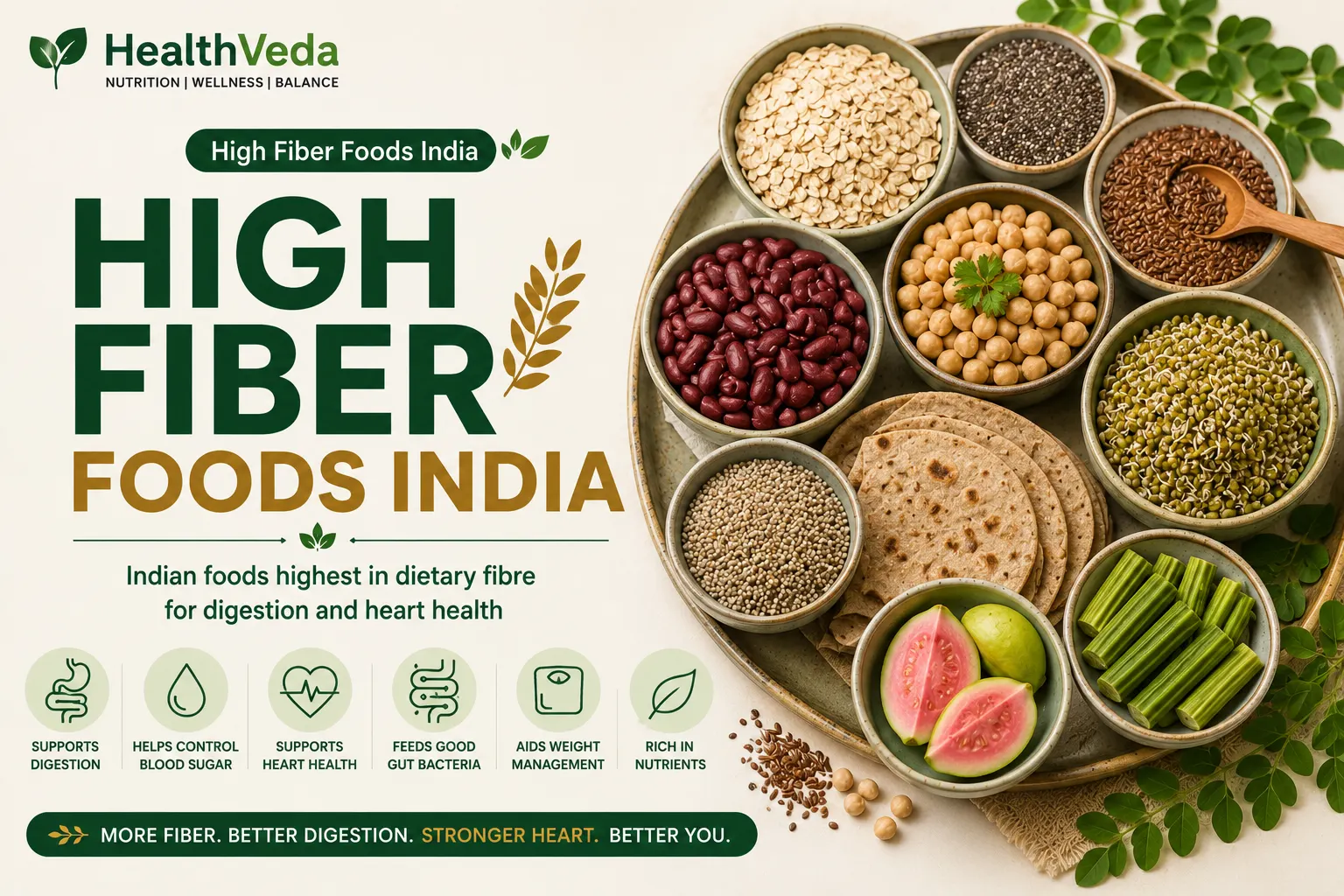
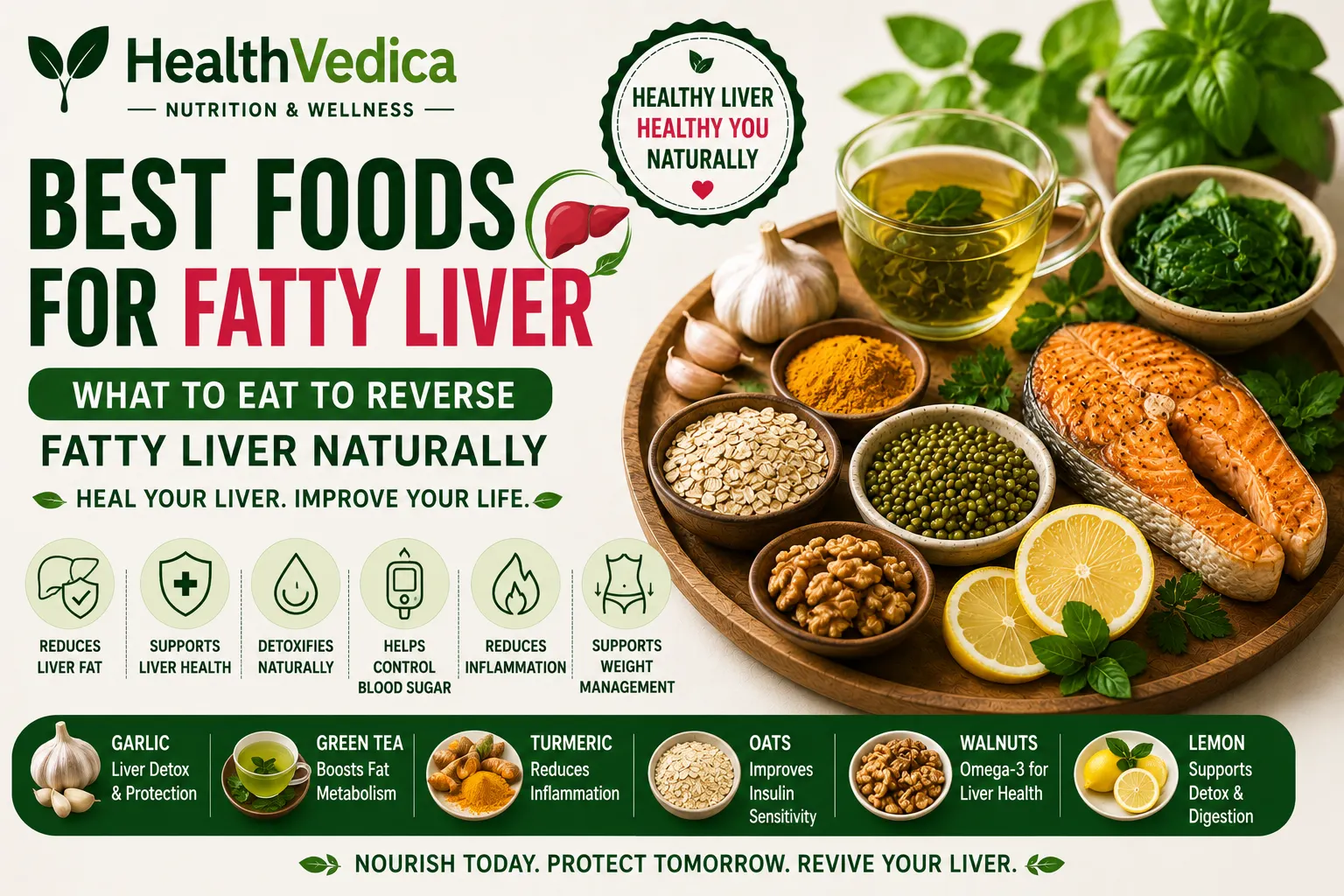
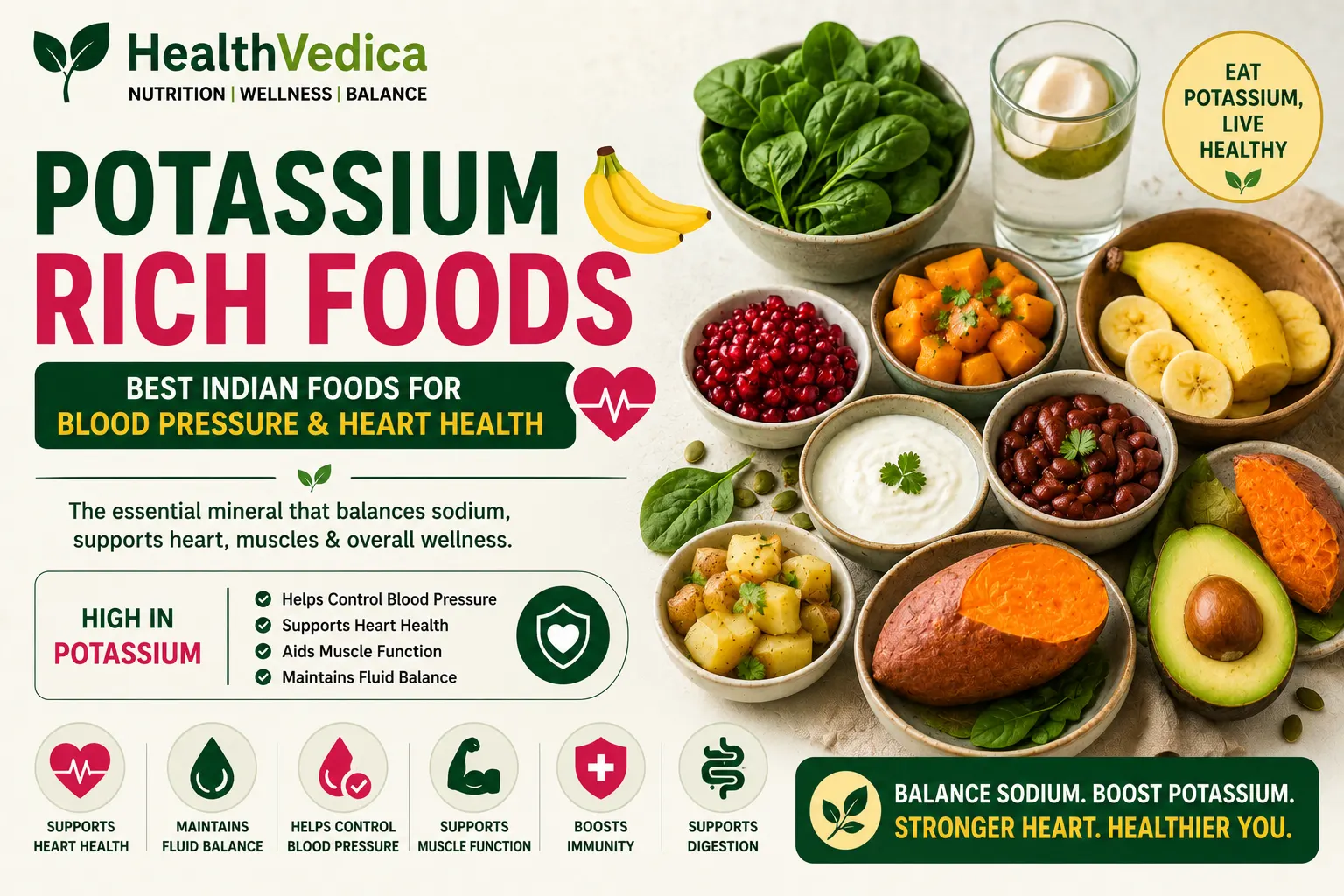
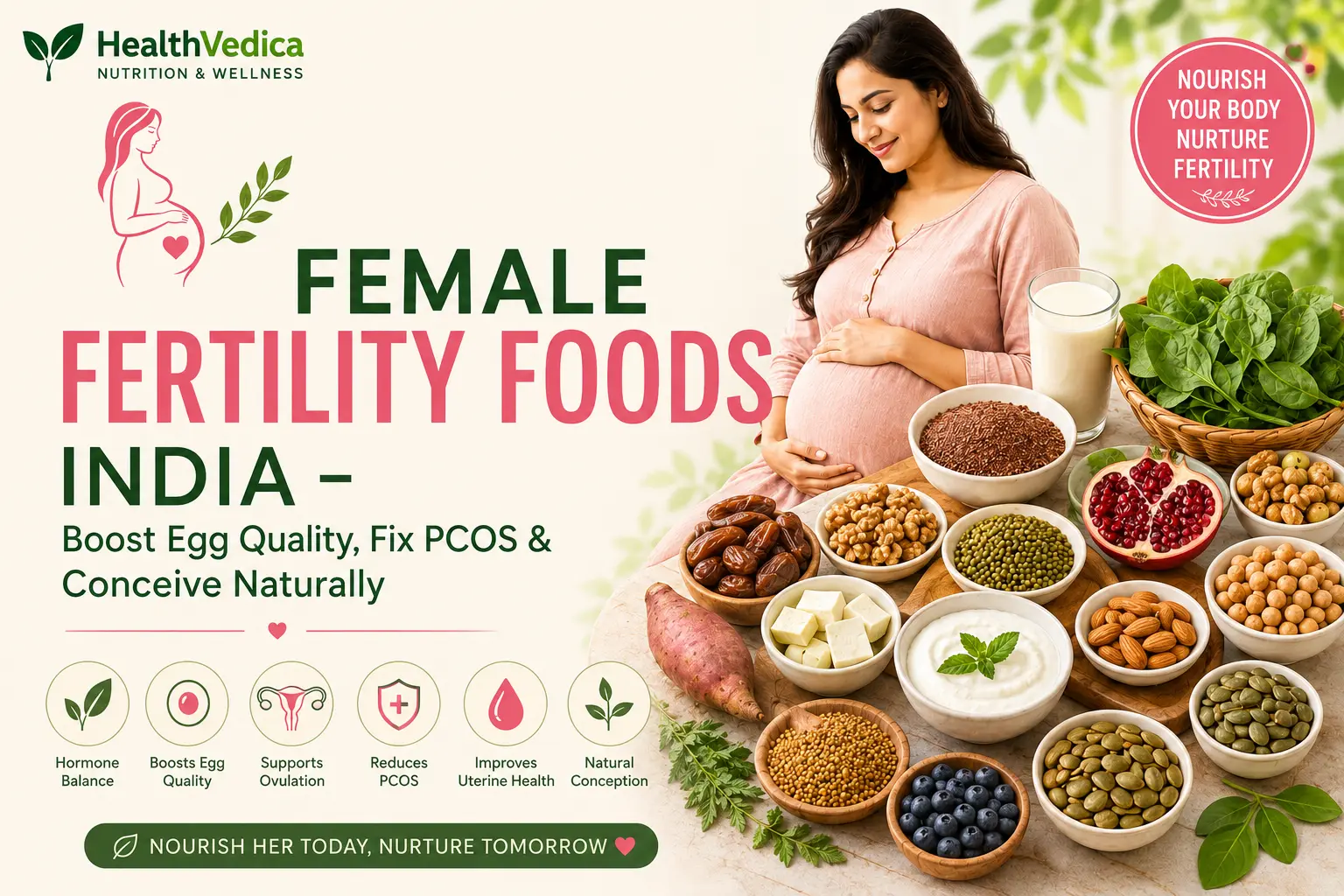
For an Indian diet, the practical goal is simple: build meals around vegetables and fruit, whole grains or millets, pulses, nuts and seeds, adequate protein, and appropriate dairy or other calcium-rich foods; keep highly processed foods, excess added sugar, and tobacco exposure low. This approach is consistent with ICMR-NIN’s emphasis on dietary diversity and balanced food groups. [2][3]
⭐ The 7 Fertility-Nutrition Priorities That Matter Most
- Folate: important before conception and during early pregnancy. Include greens, lentils, chickpeas, beans and other folate-rich foods; discuss a preconception folic-acid supplement with your clinician.
- Iron: especially important when menstrual blood loss is high or iron deficiency is present. Useful foods include lentils, beans, leafy greens, sesame, ragi and animal foods where included in the diet.
- Protein: include dal, beans, curd, paneer, eggs, fish or lean meat according to preference. Protein supports overall nutritional adequacy rather than acting as a fertility drug.
- Omega-3 fats: fish, walnuts, chia and flax provide useful fats; fish choices should follow local advice on mercury and pregnancy-safe intake.
- Fruit and vegetables: colourful produce provides vitamin C, folate, carotenoids and polyphenols that contribute to a nutrient-dense diet.
- Calcium and vitamin D: important for bone health and general health. Correct documented deficiency rather than taking high-dose supplements automatically.
- Healthy weight and activity: both undernutrition and excess body weight can be associated with reproductive problems. Individualised guidance is more useful than a rigid “fertility BMI” target.
🥗 Best Indian Foods to Include Before Pregnancy
| Food | Why It Fits a Fertility-Supportive Diet | Easy Indian Use |
|---|---|---|
| Leafy greens | Folate, iron, fibre and carotenoids | Palak dal, methi sabzi, keerai, spinach omelette |
| Dal, beans & chickpeas | Protein, folate, iron and fibre | Moong dal, masoor, chana, rajma |
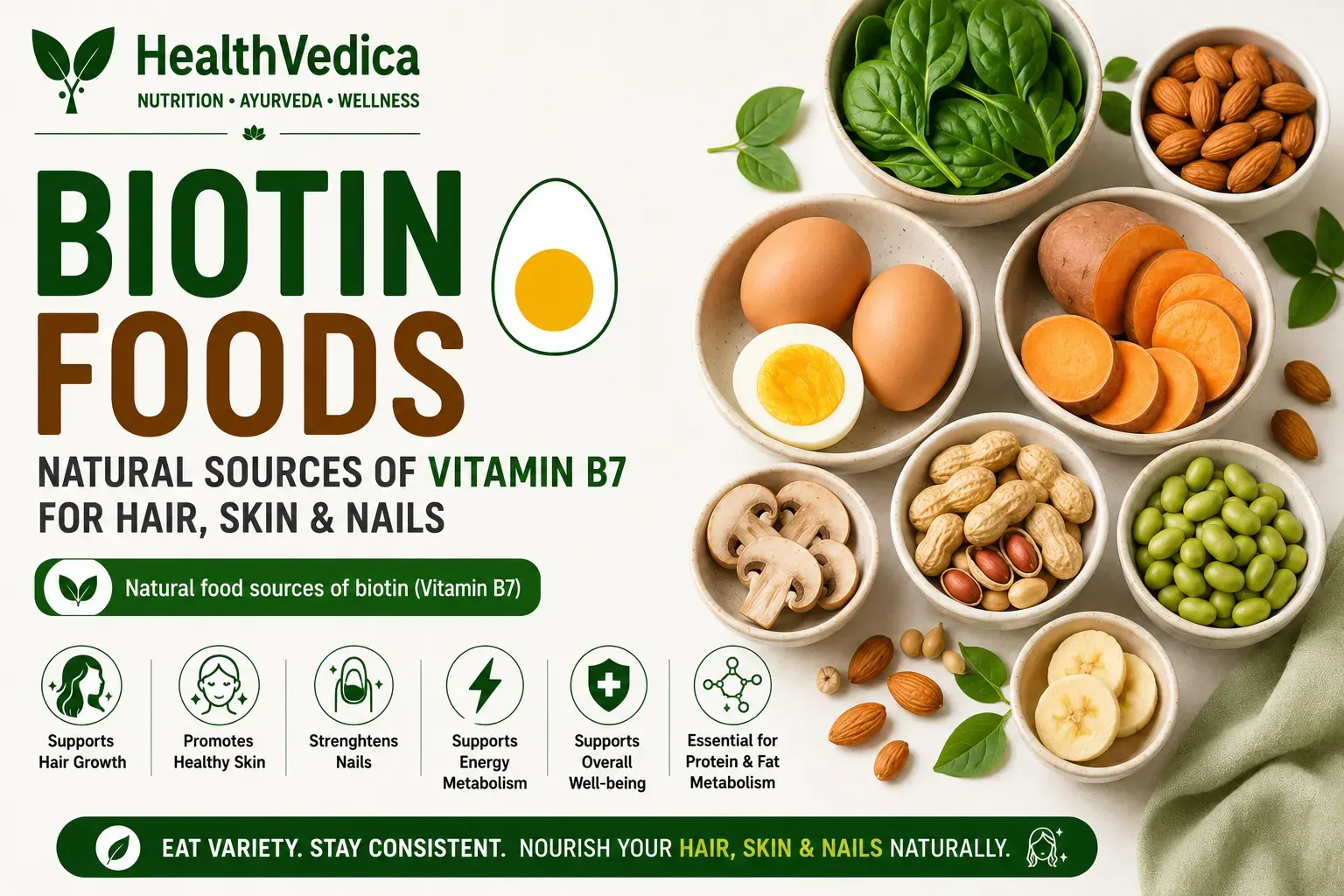
| Eggs | Protein, choline, B12 and other micronutrients | Boiled eggs, egg bhurji, omelette |
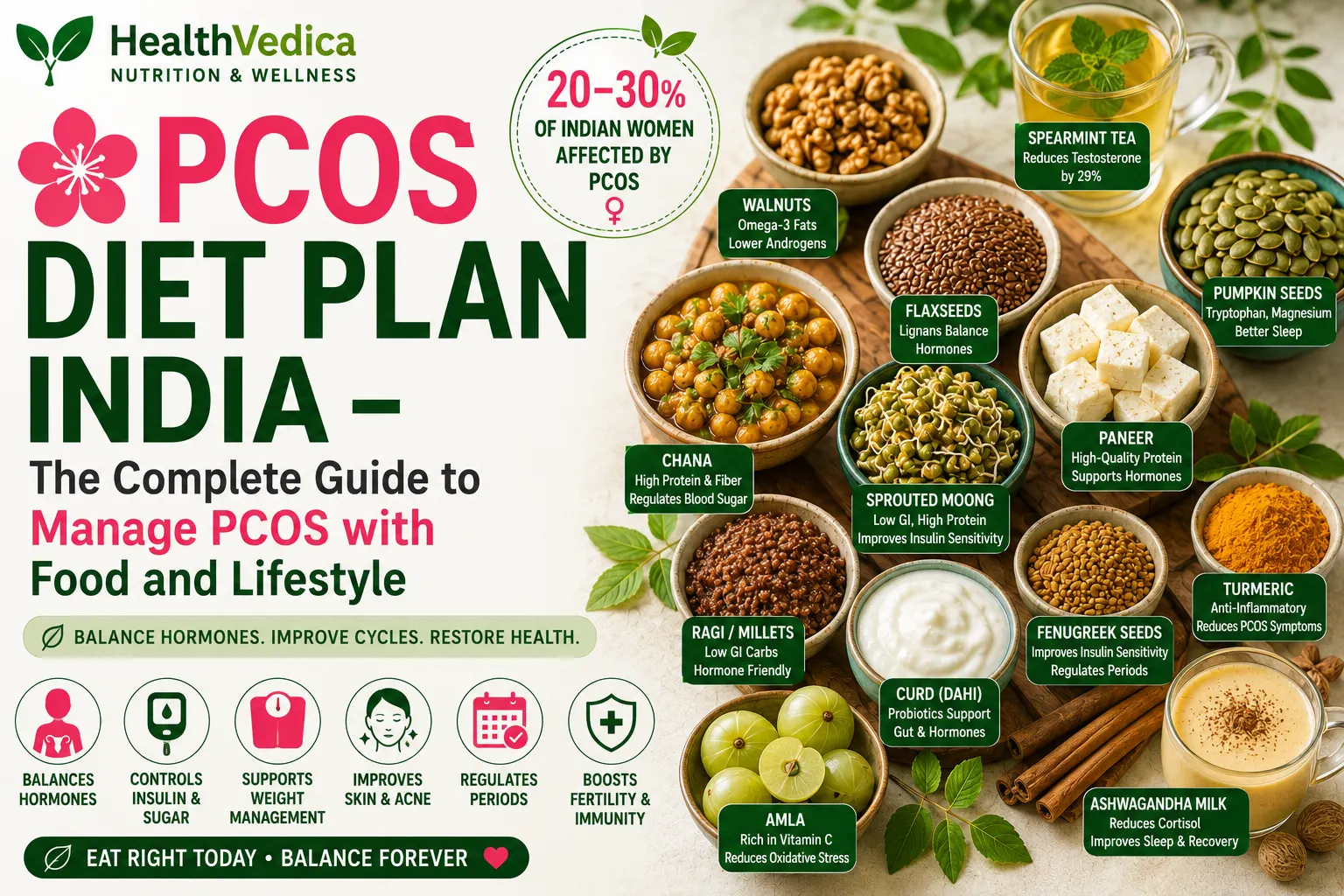
| Walnuts, flax & chia | Unsaturated fats and plant omega-3 (ALA) | Add ground seeds to curd or oats; use nuts as a snack |
| Pomegranate, guava, citrus & amla | Fruit fibre, vitamin C and polyphenols | Whole fruit is preferable to frequent juice |
| Curd, milk or fortified alternatives | Calcium and protein; some products provide vitamin D when fortified | Plain curd with meals, milk in breakfast |
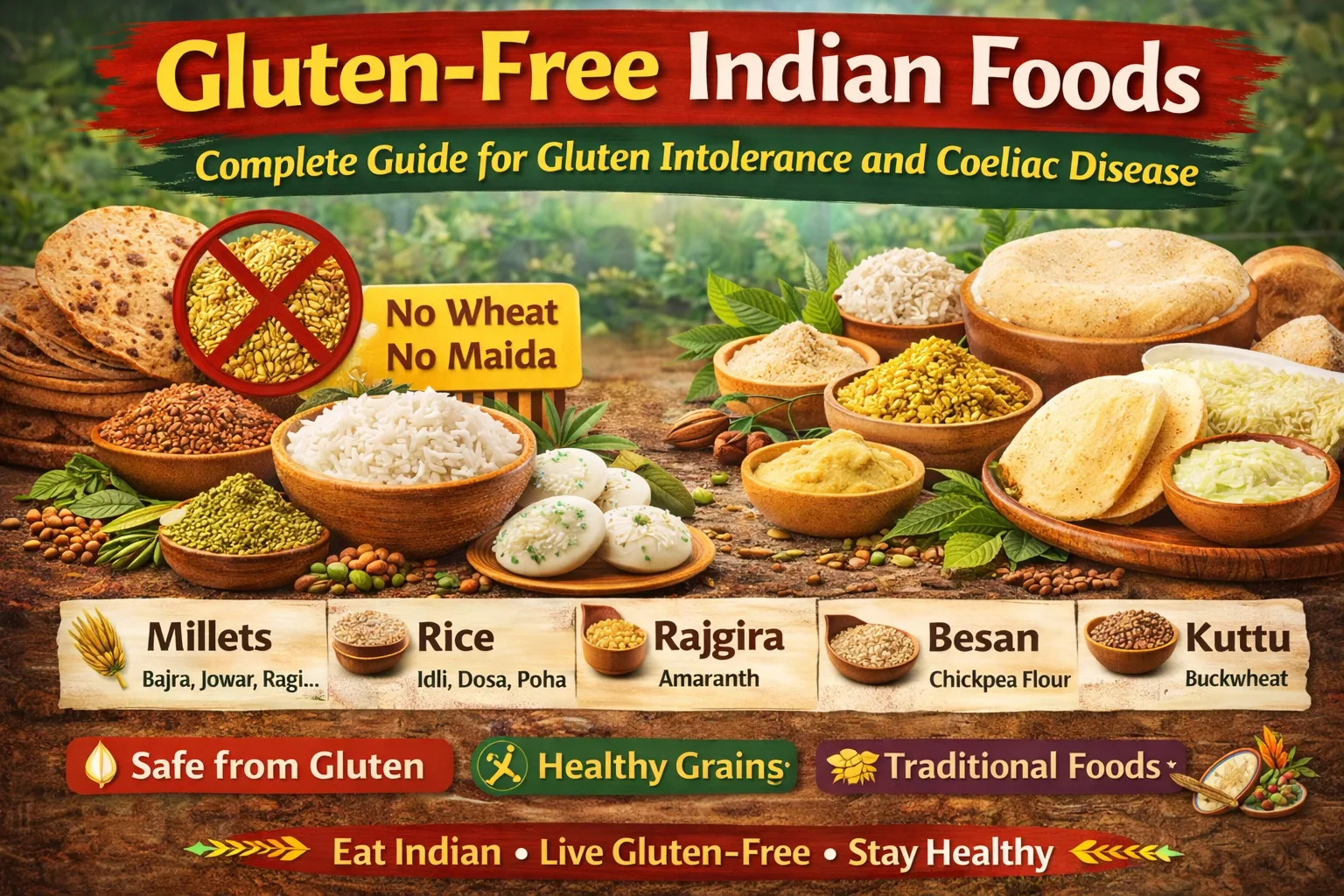
| Millets & whole grains | Fibre, minerals and dietary variety | Jowar roti, ragi dosa, bajra roti, oats |
| Vegetables of many colours | Improves dietary diversity and micronutrient intake | Mix leafy greens, gourds, beans, carrots, capsicum, etc. |
🌿 Ayurveda & Fertility: A Safer, More Honest Approach
Ayurveda includes herbs such as Shatavari (Asparagus racemosus) and Ashwagandha (Withania somnifera) in traditional practice. Ministry of AYUSH resources recognise these botanicals within the Indian traditional-medicine system. That does not mean that every traditional indication has strong clinical evidence for infertility or live-birth outcomes. [4][5]
Shatavari: commonly used in Ayurvedic practice for women’s reproductive and lactation-related health. Human evidence specifically proving that Shatavari increases natural conception rates is limited, so present it as traditional supportive care, not a proven infertility treatment.
Ashwagandha: studied for stress-related outcomes and several other indications, but it should not be marketed as a proven fertility cure. The Ministry of AYUSH also maintains safety/pharmacovigilance resources for Ayurveda products. During pregnancy, preconception treatment, thyroid disease, autoimmune disease, or when taking medication, discuss herbal use with a qualified clinician. [5][6]
🔎 What Fertility Testing Can Tell You
Food changes should not delay evaluation when there are warning signs. A clinician may assess menstrual history and ovulation, thyroid function when indicated, ovarian reserve markers in the appropriate context, pelvic anatomy and tubal patency, and the male partner’s semen analysis. ASRM specifically notes that ovarian-reserve tests are not a general screening test for women who are not infertile; they are an adjunct in fertility evaluation. [1]
🚫 “Fertility Foods” Claims to Be Skeptical About
| Claim | Better interpretation |
|---|---|
| “This food fixes infertility.” | No single food fixes the many medical causes of infertility. |
| “Detox juice cleans your uterus.” | Juice is not a proven fertility treatment; whole fruit and vegetables provide more fibre. |
| “A herb guarantees ovulation.” | Traditional use and laboratory/early clinical findings are not the same as proven pregnancy benefit. |
| “More supplements = better egg quality.” | Supplement only when indicated; high doses can be unnecessary or harmful. |
📅 A Simple Indian Preconception Day
Breakfast: vegetable omelette or moong chilla + fruit.
Lunch: dal/rajma + two vegetable dishes + roti or millet + curd.
Snack: fruit + a small portion of nuts/seeds.
Dinner: vegetables + protein source + moderate portion of whole grain/millet.
Across the day: water, regular movement, consistent sleep, and minimal tobacco/alcohol exposure. Use iodised salt in normal cooking rather than assuming “more salt = more iodine.”
✅ When to See a Fertility Specialist
Do not wait a year when periods are very irregular or absent, there is known/suspected endometriosis or tubal disease, previous pelvic infection/surgery, repeated pregnancy loss, or known male-factor concerns. For many couples, an earlier assessment is simply more efficient and can prevent months of self-treatment based on internet advice. [1]
📚 Sources & Editorial Note
This article uses ICMR-NIN dietary guidance as the nutritional foundation, Ministry of AYUSH resources for traditional-medicine context and safety, and ASRM guidance for fertility evaluation. Nutrient needs vary with age, pregnancy status, activity, medical conditions and diet pattern. This page is educational and does not replace personalised medical care.