🌱 Why Nutrition Matters After Alcohol Detox
Completing alcohol detox is an important milestone, but detox and long-term recovery are not the same thing. People who have consumed large amounts of alcohol for a prolonged period may have inadequate food intake, dehydration or nutrient deficiencies.
Good nutrition can help restore normal eating patterns and provide the protein, energy, vitamins, minerals and fluids required for everyday body functions. However, no food can 'detox' the liver or instantly repair alcohol-related damage.
🥗 What Should You Eat After Detox?
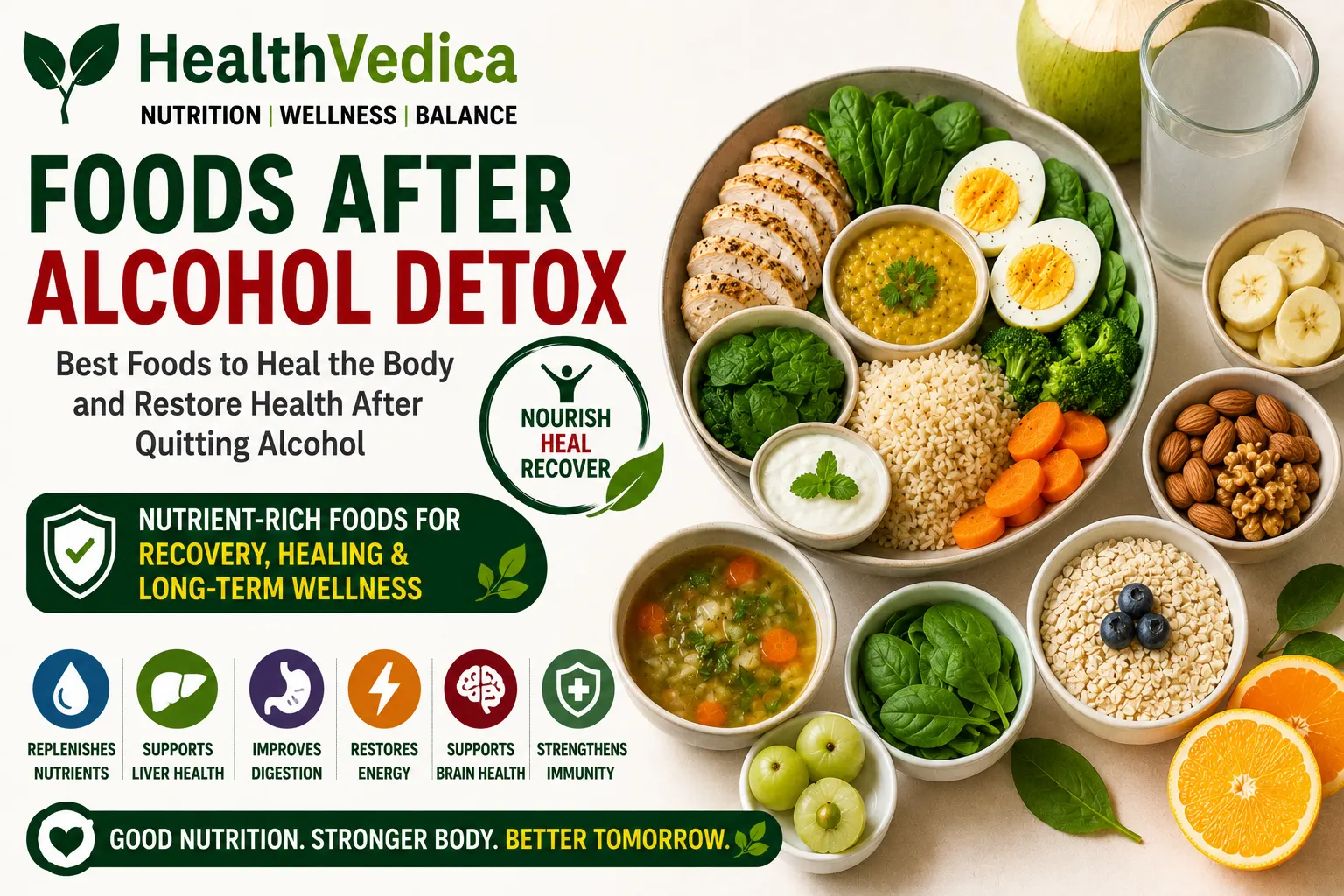
| Food Group | Indian Examples | Why It Matters |
|---|---|---|
| Protein | Eggs, fish, chicken, dal, paneer, curd, soy | Supports tissue maintenance and muscle |
| Whole/minimally processed grains | Oats, dalia, brown rice, millets, whole-wheat roti | Provides carbohydrate, fibre and micronutrients |
| Vegetables | Spinach, beans, gourds, carrots, tomatoes | Fibre, vitamins and minerals |
| Fruit | Guava, orange, banana, papaya, amla | Fibre, vitamins and fluids |
| Nuts and seeds | Almonds, walnuts, flaxseed, chia, pumpkin seeds | Energy, unsaturated fats and micronutrients |
| Fluids | Water, soups, buttermilk, milk where tolerated | Supports hydration |
🥚 1. Prioritise Protein
Protein provides amino acids needed for maintaining and repairing body tissues. Include a protein source at regular meals rather than relying entirely on carbohydrates.
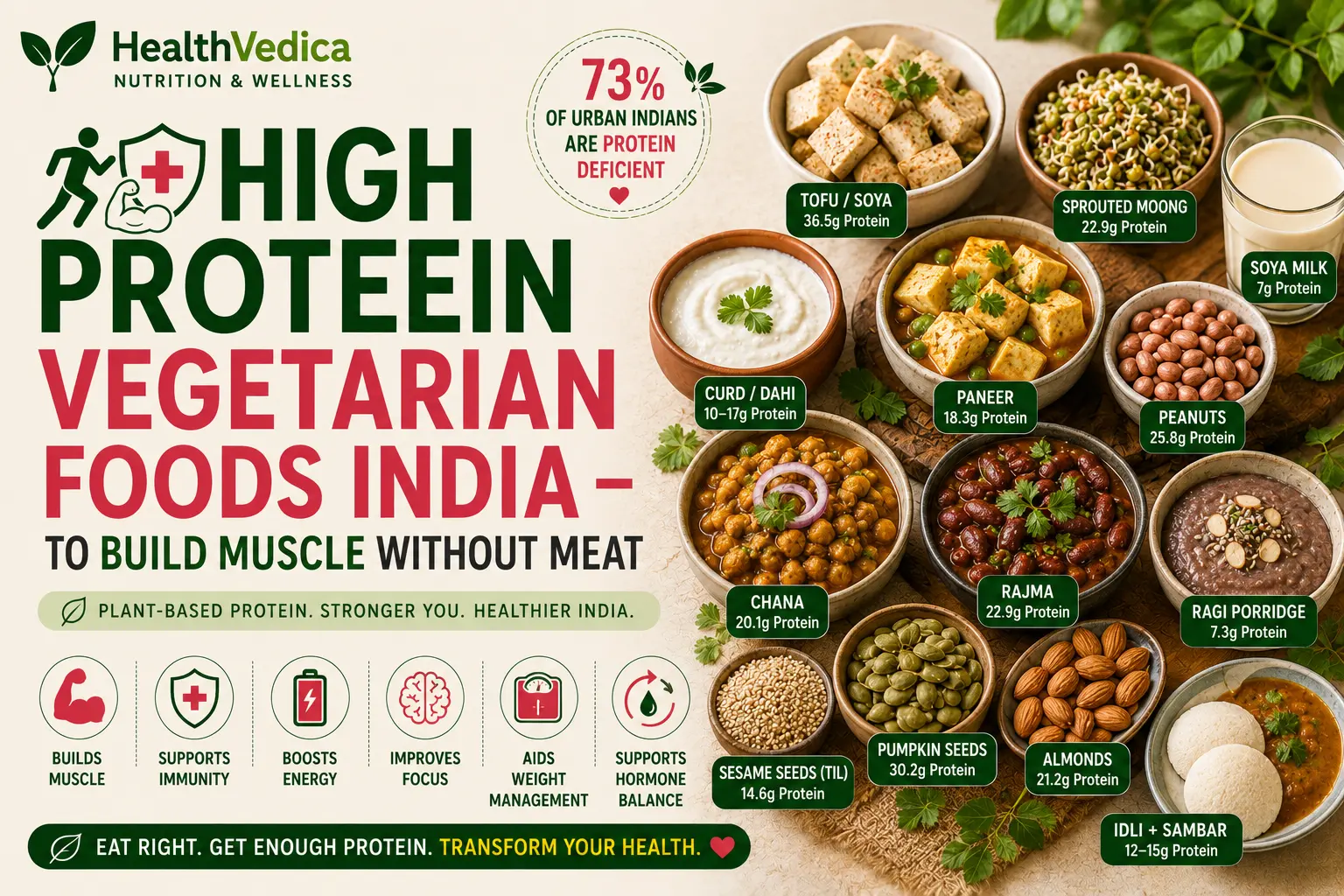
Good options include eggs, fish, chicken, dal, beans, paneer, curd, tofu and soy foods.
🌾 2. Choose Nutrient-Dense Carbohydrates
Oats, dalia, whole-wheat roti, brown rice and millets can provide carbohydrate together with fibre and micronutrients. The goal is not to eliminate carbohydrates but to choose appropriate portions and combine them with protein and vegetables.
🥬 3. Eat More Vegetables and Fruit
Vegetables and fruit provide fibre, potassium, folate, vitamin C and many other nutrients. Variety is more useful than searching for one 'liver-cleansing' food.
Amla, citrus fruits, guava, tomatoes and leafy vegetables can be included as part of a normal balanced diet.
🥛 4. Include Dairy or Alternatives If Tolerated
Curd, milk and paneer can contribute protein and calcium. Fermented dairy such as dahi may also be useful for people who tolerate it.
🥜 5. Add Nuts and Seeds
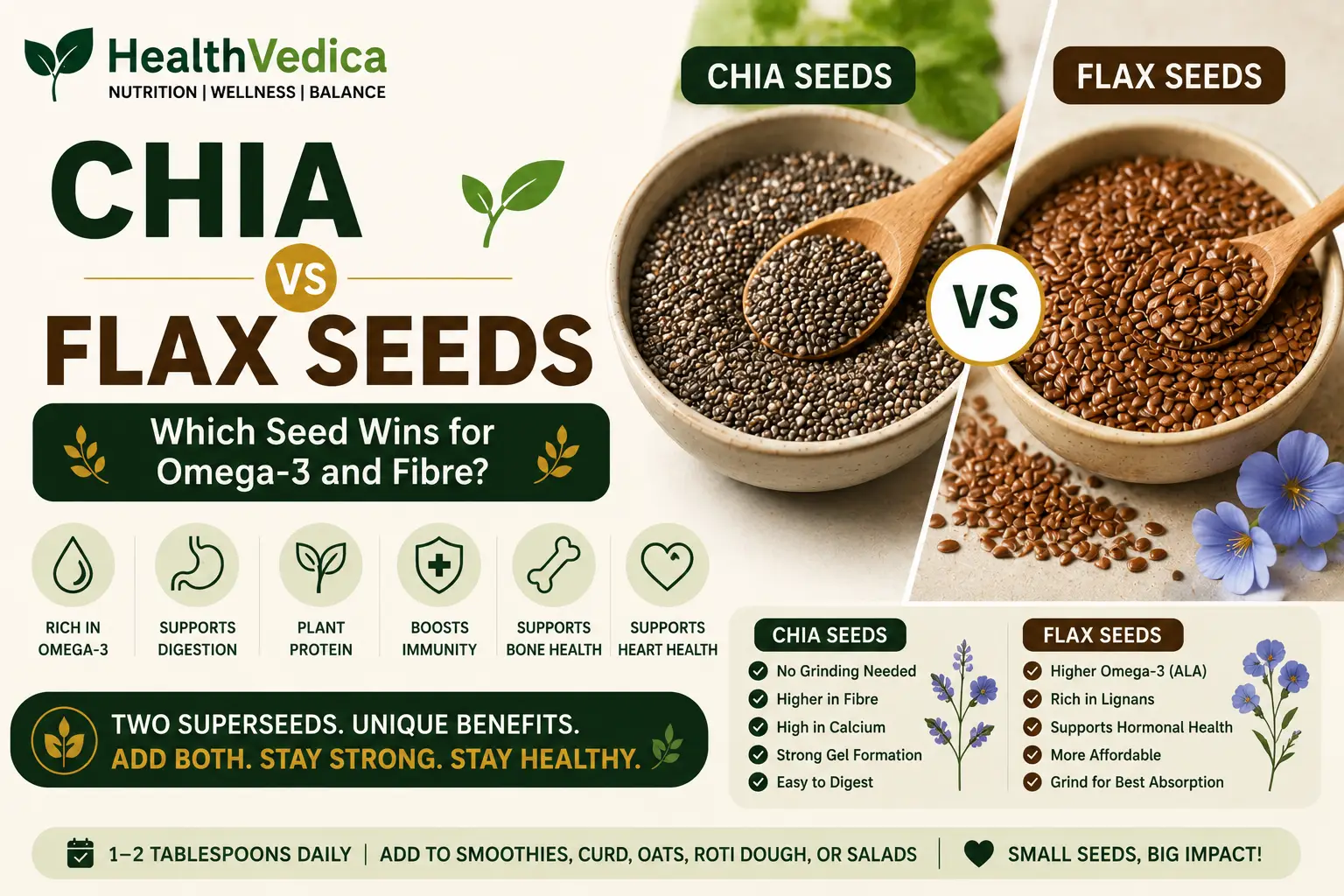
Nuts and seeds are energy-dense, so portions matter. Almonds, walnuts, flaxseed, chia and pumpkin seeds can add unsaturated fats, protein and minerals.
💧 6. Rebuild a Regular Hydration Routine
Water should be the main drink. Soups, milk, buttermilk and other suitable fluids can contribute to total fluid intake.
Coconut water can be consumed as a food-based beverage, but it should not be presented as a special treatment for alcohol-related dehydration or liver damage.
🧠 What About Vitamins and Minerals?
Alcohol dependence can be associated with nutritional deficiencies, including deficiencies involving thiamine and other nutrients. In some people, medical teams prescribe supplements because food alone may not be enough.
Do not self-prescribe high-dose supplements. The appropriate supplements depend on nutritional status, symptoms, medical history and laboratory findings.
🚫 Foods and Habits to Limit
- Alcohol
- Large amounts of sugary drinks
- Frequent ultra-processed foods
- Excessively salty foods
- Frequent deep-fried foods
- Crash diets and prolonged fasting
ICMR-NIN recommends limiting foods high in added fats, sugars and salt and reducing dependence on ultra-processed foods.
🍽️ Example Indian Recovery Meal Pattern
Breakfast: oats/dalia + milk or curd + fruit + nuts
Lunch: roti or rice + dal + vegetables + curd
Snack: fruit + handful of nuts
Dinner: fish/chicken/paneer/tofu + vegetables + roti or millet
Fluids: water throughout the day according to thirst and medical advice
🩺 When Medical Follow-Up Matters
Nutrition is particularly important when someone has liver disease, persistent vomiting, severe weight loss, confusion, swelling, jaundice, recurrent withdrawal symptoms or other significant health problems.
People recovering from alcohol dependence may benefit from coordinated care involving a physician, addiction specialist and dietitian.
💡 Bottom Line
The recovery diet after alcohol detox should be boringly practical: regular meals, enough protein, vegetables and fruit, appropriate carbohydrates, healthy fats and adequate fluids.
There is no magic food that reverses alcohol damage. Stopping alcohol, receiving appropriate medical care and consistently meeting nutritional needs are much more important than any single 'detox food'.