blogs

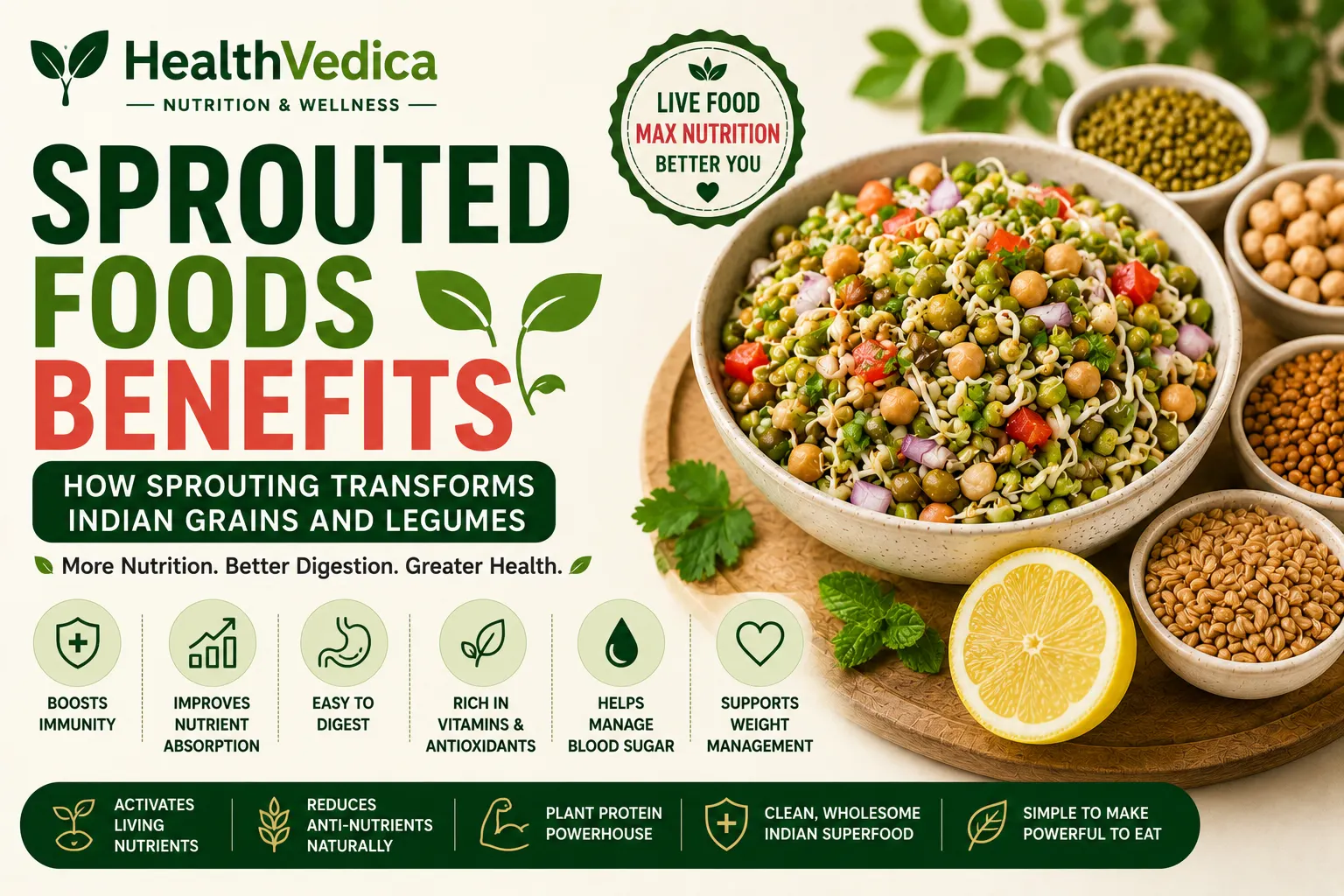
Sprouted Foods Benefits: How Sprouting Transforms Indian Grains and Legumes

Last updated:
🌿 Complete guide to sprouting and nutritional transformation of Indian foods
Health Benefits of Sprouted Foods — Nutrition, Health Benefits & Remedies
Sprouted Foods Benefits: How Sprouting Transforms Indian Grains & Legumes | Health Vedica
⚠️ Medical Disclaimer: This content is for informational purposes only and does not constitute medical advice. Always consult a qualified healthcare professional for diagnosis and treatment.

🌱 Sprouting: Awakening Nutritional Potential

Sprouting is one of the most remarkable nutritional transformations available in any kitchen — converting a dormant seed into a living, enzymatically active, nutritionally supercharged food in just 24–72 hours, using nothing but water and air. India has a rich sprouting tradition: ankurit (sprouted) moong, chana, methi, and rajma have been consumed for generations as breakfast foods, street snacks (chaat), and ceremonial offerings — with traditional wisdom recognising their digestive and vitality-promoting benefits.

When a seed germinates, it undergoes a profound biochemical transformation. Enzymes are activated that break down stored proteins, starches, and fats into more bioavailable forms. Anti-nutrients (phytic acid, lectins, tannins, enzyme inhibitors) that reduce nutrient absorption are dramatically reduced. Vitamin content — particularly vitamin C (absent in dry seeds) and B vitamins — increases dramatically. The seed essentially pre-digests itself for the benefit of anyone who eats it.

Modern nutritional science has confirmed what traditional Indian practice knew intuitively: sprouted foods provide significantly more nutrition, are more digestible, have lower glycaemic impact, and contain bioactive compounds — particularly enzyme inhibitor-free enzymes and vitamin C — that cannot be obtained from the dry, unsprouted versions.

🔬 The Biochemistry of Sprouting

Anti-nutrient reduction: Dry legumes and grains contain protective compounds that deter predators — phytic acid, lectins, trypsin inhibitors, saponins, and tannins. These anti-nutrients bind to minerals (phytic acid blocks iron, zinc, calcium absorption) and inhibit digestive enzymes (trypsin inhibitors impair protein digestion), reducing both nutrient bioavailability and digestibility. Sprouting activates phytase enzyme (degrades phytic acid) and protease enzyme (degrades lectins and trypsin inhibitors) — reducing these anti-nutrients by 50–85%.

Nutrient amplification: Germination creates a metabolic emergency — the seed must rapidly synthesise vitamins, enzymes, and structural proteins for the emerging plant. Vitamin C increases from 0mg in dry seeds to 15–20mg per 100g in sprouts. B vitamins (folate, riboflavin, niacin, B6) increase 2–5 fold. GABA (gamma-aminobutyric acid — a calming neurotransmitter) increases dramatically in germinated grains. Antioxidant capacity increases 3–10 fold across multiple sprout varieties.

Enzyme activation: Sprouting activates dozens of enzymes that remain active in the consumed sprout — amylase (starch digestion), protease (protein digestion), lipase (fat digestion), and antioxidant enzymes (superoxide dismutase, catalase). These food enzymes support the body's own digestive enzymes, reducing the digestive burden — particularly important for enzyme-depleted individuals (elderly, those with digestive disorders).

Glycaemic index reduction: Sprouting reduces starch content (starch is used as energy by the germinating embryo) and increases fibre content. This combination significantly lowers the glycaemic index of sprouted foods compared to their unsprouted versions. Sprouted moong has GI approximately 25% lower than cooked unsprouted moong.

📊 Nutritional Changes During Sprouting

Nutrient/FactorDry Seed48-Hour SproutChange
Vitamin C0–2 mg/100g12–20 mg/100g+600–900%
Folate (B9)~145 mcg/100g~350 mcg/100g+140%
Riboflavin (B2)~0.2 mg/100g~0.4 mg/100g+100%
Phytic acidHigh50–80% reduced−50 to −80%
Lectin contentHigh60–85% reduced−60 to −85%
GABALow5–10× increase+400–900%
Antioxidant ORACBaseline3–10× baseline+200–900%
Glycaemic IndexHigher20–30% lower−20 to −30%
Protein digestibility~70–80%~85–95%+10–15%
Iron bioavailability~10% absorbed~20–30% absorbed+100–200%

✅ Best Indian Sprouts and Their Specific Benefits

1. Moong Sprouts — India's Most Popular Sprout
Sprouted moong (green gram) is the most widely consumed sprout in India — and with excellent reason. Beyond the nutritional amplification universal to all sprouts, moong sprouts specifically provide: exceptionally high protein digestibility (85–95%), significant vitamin C (15–18mg/100g, absent in dry moong), reduced purine content (beneficial for gout patients who must avoid high-purine legumes), and isoflavones with mild anti-estrogenic effects beneficial for PCOS and hormonal balance. Moong sprouts are also among the most easily digestible foods available — appropriate even for convalescents, elderly, and those with compromised digestion who cannot tolerate complex dal preparations.

2. Chana (Chickpea) Sprouts — High-Protein Blood Sugar Manager
Sprouted chana provides 15g protein per 100g — among the highest of any sprout. The sprouting process reduces chana's considerable starch content and increases resistant starch and fibre, dramatically lowering its glycaemic index from 28 (cooked, unsprouted) to approximately 20 (sprouted). For Indian diabetics, sprouted chana chaat (with onion, tomato, lemon, and minimal salt) is one of the most nutritionally complete, blood-sugar-friendly snacks available. Sprouted chana also has reduced flatulence potential compared to cooked dry chana, as fermentable oligosaccharides are partially consumed during germination.

3. Methi (Fenugreek) Sprouts — Hormonal Balancer
Sprouted methi is intensely nutritious but quite bitter — best consumed in small quantities (2–3 tbsp) mixed with other sprouts. Sprouting dramatically increases methi's antidiabetic compounds (4-hydroxyisoleucine, galactomannan) while reducing the bitterness of dry seeds. Methi sprouts specifically benefit: PCOS (reduces androgen levels through insulin sensitisation), blood sugar management (comparable effects to soaked methi seeds but more bioavailable), and lactation (galactogogue effects remain in sprouts). Even 2–3 tbsp of methi sprouts added to a mixed sprout salad provides meaningful hormonal benefits.

4. Kala Chana (Black Chickpea) Sprouts — Iron and Protein Powerhouse
Sprouted kala chana provides approximately 7mg iron per 100g — among the highest of any plant food — with iron bioavailability dramatically improved by sprouting (phytic acid reduction removes the primary iron absorption inhibitor). Kala chana sprouts are India's most accessible and affordable solution to iron deficiency anaemia. Adding vitamin C (lemon juice, amla) to sprouted kala chana further increases iron absorption to 20–25%. For India's 50%+ of women with iron deficiency, daily sprouted kala chana consumption is a clinically meaningful, culturally embedded intervention.

5. Wheat Sprouts (Gehun ke Ankur)
Wheat berries germinated for 24–48 hours create a fundamentally different food from dry wheat flour. Sprouted wheat: reduces gluten content by 30–50% (making it more tolerable for gluten-sensitive but non-coeliac individuals), eliminates most phytic acid (dramatically improving calcium, zinc, and iron bioavailability), increases GABA by 5–10 fold (calming neurotransmitter, beneficial for anxiety and sleep), and converts stored starch into maltose (naturally sweet, easier to digest). Wheat grass juice (sprouted wheat juiced at 7–10 days) provides chlorophyll, enzymes, and concentrated micronutrients with a different nutritional profile than wheat grain.

6. Rajma (Kidney Bean) Sprouts
Raw unsprouted rajma contains high levels of phytohaemagglutinin (a toxic lectin) — it must never be eaten raw. Sprouting for 48+ hours, followed by thorough cooking, significantly reduces lectin content while amplifying nutritional value. Sprouted-then-cooked rajma has superior nutritional profile to conventionally cooked dry rajma: higher folate, vitamin C, and protein digestibility with reduced lectin burden. For people with digestive sensitivity to rajma (common in India), the sprout-then-cook method can improve tolerance significantly.

🌿 Ayurvedic Perspective on Sprouted Foods

Ayurveda specifically describes Ankurita Dhanya (sprouted grains/legumes) as having distinct properties from their unsprouted forms. Classical texts note sprouted foods as: Laghu (lighter — easier to digest), Brimhana (nourishing — builds tissues), and Vatanashaka (reduces Vata — explaining the reduced gas production from sprouts compared to unsprouted legumes). Charaka Samhita specifically praises sprouted sesame and moong as particularly sattvic (pure) and life-promoting foods.

Ayurvedic spring cleansing (Vasanta Ritucharya) traditionally includes increased consumption of sprouted grains — particularly on Navratri when animal products are avoided and the body's nutritional needs must be met through plant foods. This seasonal sprouting tradition has precise nutritional logic: spring sprouted grains provide the vitamin C, enzymes, and easily digestible proteins needed after winter's heavier, stored-food diet.

🚫 Sprouting Safety — Important Precautions

Raw sprout contamination risk: Raw sprouts are a recognised food safety concern — their warm, moist germination environment can support growth of Salmonella and E. coli along with beneficial organisms. Immunocompromised individuals, pregnant women, and children should lightly steam (2–3 minutes) or blanch sprouts rather than consuming completely raw. Healthy adults can safely eat raw sprouts from home-sprouted seeds with proper hygiene.

Hygiene essentials: Rinse sprouts thoroughly with clean water at least twice daily during sprouting. Discard any batch with unusual smell (sour, putrid) or visible mould. Start with seeds from reputable sources intended for food use (not agricultural use — seeds for planting may be treated with fungicides).

Raw kidney beans (rajma) — never consume raw sprouts: Kidney bean sprouts retain significant lectin content and must always be cooked thoroughly before consumption. This is the one sprout that cannot be eaten raw safely.

💡 How to Sprout at Home: Simple Indian Method

Basic sprouting method (works for moong, chana, methi, kala chana):

Day 1 — Soak: Wash seeds thoroughly. Soak in 3× their volume of clean water for 8–12 hours (overnight). Drain and rinse.

Day 2 — Germinate: Transfer soaked seeds to a cotton cloth or muslin. Tie loosely to allow air circulation. Hang or place in a colander. Rinse with clean water every 8–12 hours. Keep in a warm location (25–30°C ideal).

Day 2–3 — Harvest: Small white tails emerge within 24–36 hours. Sprouts 0.5–1cm are optimal nutritionally. Longer tails mean more vitamin C but start to taste more 'green' and grassy. Refrigerate and consume within 2–3 days.

Daily sprout consumption guide: 50–100g mixed sprouts daily provides meaningful nutritional benefit. Best consumed as: sprout chaat (with onion, tomato, lemon, cumin), added raw to salads, mixed into dahi raita, or lightly stir-fried with minimal oil and spices for a cooked option with retained nutritional benefits.

Frequently Asked Questions

Common questions about Health Benefits of Sprouted Foods

Moong sprouts are the most versatile and broadly nutritious for most Indians — providing excellent protein digestibility, vitamin C, reduced anti-nutrients, and easy digestibility for all constitutions. For specific conditions: kala chana sprouts for iron deficiency anaemia (highest bioavailable iron); methi sprouts for diabetes and PCOS (hormonal compounds); chana sprouts for protein and blood sugar management; and mixed sprout combinations for comprehensive daily nutrition. A mix of moong + kala chana + chana sprouts provides the most complete nutritional profile in a single bowl.
Yes — sprouted foods are among the best foods for diabetics. Sprouting reduces glycaemic index by 20–30%, improves insulin sensitivity through increased GABA content, reduces starch and increases resistant starch (feeds beneficial gut bacteria that improve insulin sensitivity), and dramatically improves mineral bioavailability particularly magnesium and zinc (both critical for insulin function). Sprouted moong, chana, and kala chana are all excellent for diabetics — as sprouted chaat with lemon (vitamin C enhances mineral absorption) is a nutritionally complete, blood-sugar-friendly snack.
Home sprouting with proper hygiene is safer than store-bought sprouts and nutritionally superior (fresher = more enzyme activity and vitamin C). Key safety practices: use clean water, rinse seeds 2× daily, maintain 25–30°C temperature, use clean cloth/sprouter, and consume within 2–3 days of sprouting (not 5–7 days). Store-bought sprouts are often older, may have been refrigerated for several days, and may have handled-hygiene risks through the supply chain. One exception: if immunocompromised (chemotherapy, HIV, severe diabetes), lightly steam all sprouts regardless of source.
Simplest method: wash 100g moong dal, soak overnight in 300ml water. Next morning, drain, rinse, and transfer to a damp muslin cloth or cotton bag. Tie loosely and hang in a warm spot. Rinse (pour water over) morning and evening. After 24–36 hours, you'll see white sprout tails 0.5–1cm long — they're ready. Store in refrigerator and consume within 3 days. An easier modern alternative: use a colander or strainer covered with a damp cloth, placing it over a bowl. The sprouts grow through the holes and can be rinsed in place twice daily.
Both raw and lightly cooked sprouts have value. Raw sprouts provide maximum enzyme activity, vitamin C, and live probiotics (from beneficial bacteria on the sprout surface). Lightly cooked (steamed 2–3 min, or stir-fried briefly) sprouts reduce food safety risks while retaining most nutritional benefits — vitamin C reduces by 15–25%, but protein digestibility and mineral bioavailability remain excellent. For healthy adults: raw sprout chaat (with lemon, fresh vegetables) is ideal for maximum nutrition. For children, elderly, pregnant women, or immunocompromised: briefly steam before serving. Both forms are far superior to conventional cooked dal from dry seeds.
Related Blogs
Best Foods for Liver Detox Blogs
Jul 14, 2026
Best Foods for Liver Detox
🧬 Your Liver: The Hardest Working Organ You Never Think AboutYour liver is one of the most importan...
Read More
Insulin Resistance Diet Blogs
Jul 14, 2026
Insulin Resistance Diet
💉 Understanding Insulin Resistance Before Fixing ItInsulin resistance occurs when cells — particula...
Read More
Foods for PCOS Weight Loss Blogs
Jul 14, 2026
Foods for PCOS Weight Loss
🌸 Understanding PCOS and Weight GainPolycystic Ovary Syndrome (PCOS) is a hormonal condition that o...
Read More
Thyroid Diet Plan for Hypothyroidism Blogs
Jul 14, 2026
Thyroid Diet Plan for Hypothyroidism
🦋 Understanding Thyroid Health in IndiaThyroid disorders affect over 42 million Indians, making it...
Read More
Health Benefits of Fermented Foods for Gut Health Blogs
Jul 14, 2026
Health Benefits of Fermented Foods for Gut Health
🦠 Your Inner Universe: The Indian Gut MicrobiomeInside every Indian lives a vast microbial ecosyste...
Read More
Baby Nutrition for Healthy Growth Blogs
Jul 14, 2026
Baby Nutrition for Healthy Growth
👶 Child Nutrition: India's Critical PriorityIndia faces a dual nutrition crisis in children: 35.5%...
Read More
Piles Constipation Diet Blogs
Jul 14, 2026
Piles Constipation Diet
🩺 What Are Piles and Constipation?Piles (hemorrhoids) are swollen veins in the rectum or anus that...
Read More
Healthy Foods for Pregnancy Blogs
Jul 14, 2026
Healthy Foods for Pregnancy
🤰 IntroductionPregnancy is the most nutritionally demanding phase of a woman's life — every meal di...
Read More
Best Anti-Aging Foods to Slow Aging Naturally Blogs
Jul 14, 2026
Best Anti-Aging Foods to Slow Aging Naturally
⏳ Aging — and Why India Has Ancient SolutionsHuman aging is not simply the passage of time — it is...
Read More