🦴 India's Silent Bone Crisis
Osteoporosis and bone disease are hidden epidemics in India. Despite being a dairy-consuming nation, studies reveal that over 50% of Indian women and 25% of Indian men suffer from osteoporosis or osteopenia (bone density below normal). India has one of the highest hip fracture rates in Asia, with projections suggesting 6 million hip fractures annually by 2050.
The paradox: Indians eat dal, dahi, and greens — all calcium-rich foods — yet remain bone-deficient. Why? The answers reveal crucial calcium absorption barriers specific to the Indian diet and lifestyle.
The primary culprits are vitamin D deficiency (despite abundant sunshine — Indians have higher melanin reducing synthesis), phytate interference from our high-grain diet that blocks calcium absorption, excessive salt and protein that increase urinary calcium loss, and the displacement of traditional calcium-rich foods by packaged, processed alternatives.
Understanding not just what to eat, but how to eat calcium for maximum absorption, is the key to building genuinely strong bones through Indian food.
🔬 The Calcium Absorption Science Indians Need to Know
Eating calcium is only step one. Absorbing it is where most Indians fail:
Vitamin D is the calcium key: Without adequate vitamin D, the intestines can only absorb 10–15% of dietary calcium. With optimal vitamin D (60–80 ng/mL), absorption jumps to 30–40%. Most Indians are severely vitamin D deficient despite living in a tropical country.
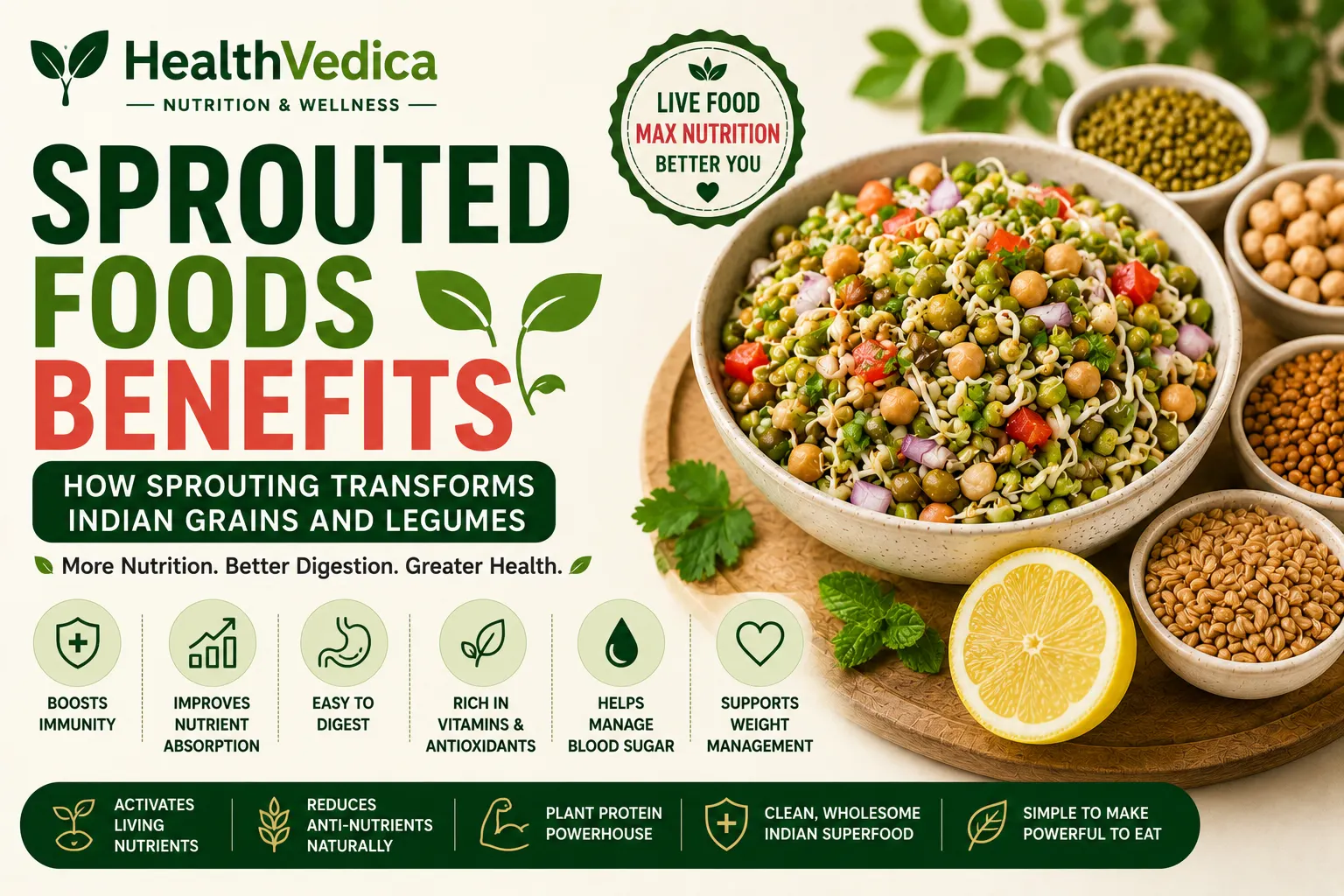
Phytates block absorption: Phytic acid in wheat, rice bran, legumes, and seeds binds calcium, preventing absorption. Soaking grains and legumes overnight reduces phytate content by 50–70%. Fermentation (idli, dosa batter) is even more effective.
Oxalates in some vegetables: Spinach, beet greens, and rhubarb are high in oxalates that bind calcium in the gut. Despite being listed as calcium-rich, the calcium in spinach is largely unavailable. However, low-oxalate greens like amaranth (rajgira/chaulai), drumstick leaves (moringa), and broccoli have excellent calcium bioavailability.
Excessive salt increases calcium excretion: Every 2.3g extra sodium consumed causes loss of 40mg calcium through urine. Indians eating 10–12g salt daily are losing significant calcium before it ever reaches bones.
Magnesium cofactor: Magnesium activates vitamin D and aids calcium deposition in bones. A calcium-to-magnesium ratio of 2:1 is optimal.
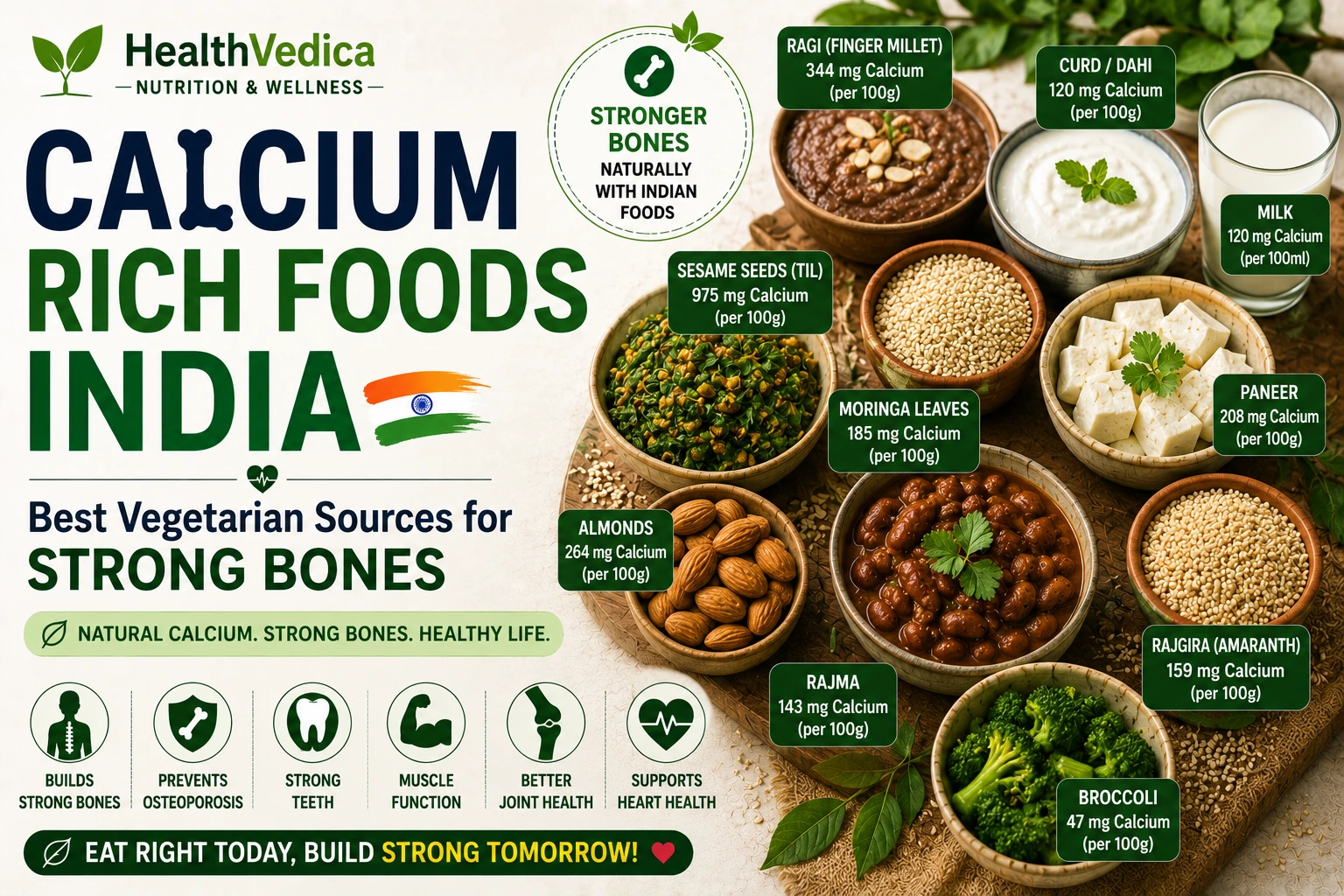
📊 Calcium Content of Indian Foods (Per 100g)
| Food | Calcium (mg/100g) | Bioavailability | Practical Serving | Ca per Serving (mg) |
|---|---|---|---|---|
| Ragi (Finger Millet) | 344 | High | 100g flour | 344 |
| Til (Sesame Seeds) | 975 | Medium | 1 tbsp (10g) | 98 |
| Moringa Leaves | 185 | Very High | 100g cooked | 185 |
| Dahi (Curd) | 120 | High | 200g (1 cup) | 240 |
| Paneer | 208 | High | 100g | 208 |
| Milk | 120 | High | 250ml | 300 |
| Amaranth (Rajgira) | 159 | High | 100g | 159 |
| Almonds | 264 | Medium | 30g (handful) | 79 |
| Rajma (Kidney Beans) | 143 | Medium (soaked) | 100g cooked | 143 |
| Broccoli | 47 | Very High | 100g cooked | 47 |
✅ Top Calcium-Rich Indian Foods
1. Ragi (Finger Millet) — The Calcium King of Indian Grains
Ragi is extraordinary: 344mg calcium per 100g with high bioavailability. This makes it the richest calcium grain by far — more than 10× that of rice. Ragi is the staple grain in Karnataka and is now being rediscovered across India. Ragi mudde (balls), ragi dosa, ragi roti, ragi porridge, and ragi malt (ragi kanji) are all excellent preparations. Children growing up on ragi in South India traditionally have superior bone density.
2. Til (White Sesame Seeds)
Sesame seeds are a calcium treasure — 975mg per 100g. While bioavailability is medium (due to some oxalates), even small amounts are significant. 1 tablespoon of til provides nearly 100mg calcium. Use liberally in chutneys (til chutney), ladoos (til ke ladoo — traditional winter sweet), rotis, and as garnish. Tahini (sesame paste) is an easy way to incorporate til daily.
3. Moringa (Drumstick) Leaves
Moringa leaves provide 185mg calcium per 100g with excellent bioavailability as they're low in oxalates. Moringa also provides vitamin D precursors, magnesium, and vitamin K — all bone-building companions to calcium. Use in sambar, stir-fries, soups, or as moringa powder mixed into meals.
4. Dairy (Dahi, Paneer, Milk)
India's traditional calcium backbone. Milk provides 300mg per cup; dahi 240mg per cup; paneer 208mg per 100g. Regular consumption of 2–3 servings of dairy daily covers a significant portion of the 1000mg daily calcium requirement. Importantly, dairy calcium is among the most bioavailable (absorption rate ~32%).
5. Rajgira / Ramdana (Amaranth)
A traditional fasting food now recognised as a superfood, rajgira provides 159mg calcium per 100g with high bioavailability (low oxalate content). It also provides magnesium and zinc for bone matrix formation. Use as rajgira laddoo, rajgira roti (popular in Gujarat), or puffed amaranth cereal.
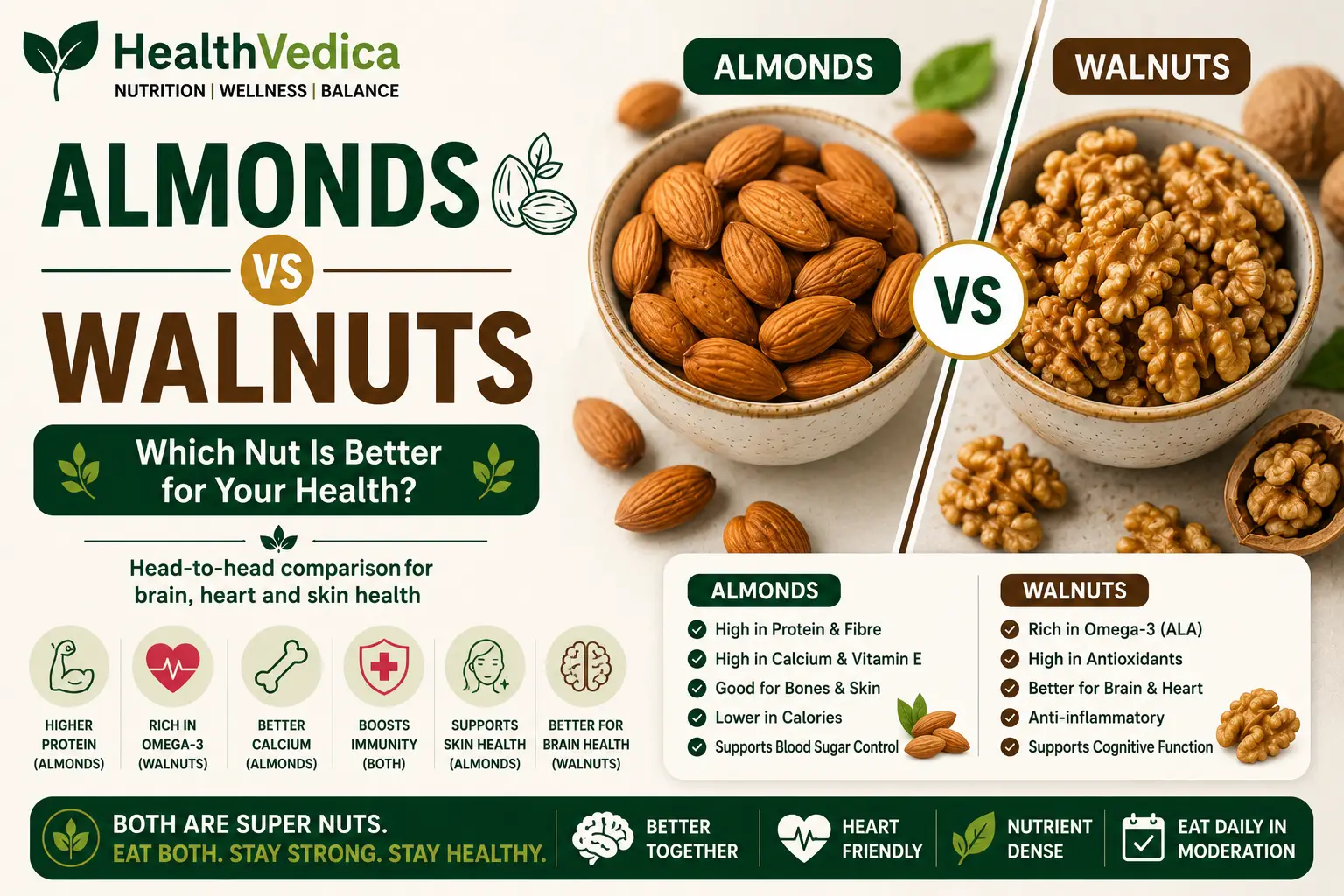
6. Almonds (Badam)
A handful of almonds (30g) provides 80mg bioavailable calcium plus magnesium, which activates vitamin D. Almonds are the most calcium-rich nut. The traditional Indian practice of eating soaked almonds every morning is well-justified from a bone health perspective.
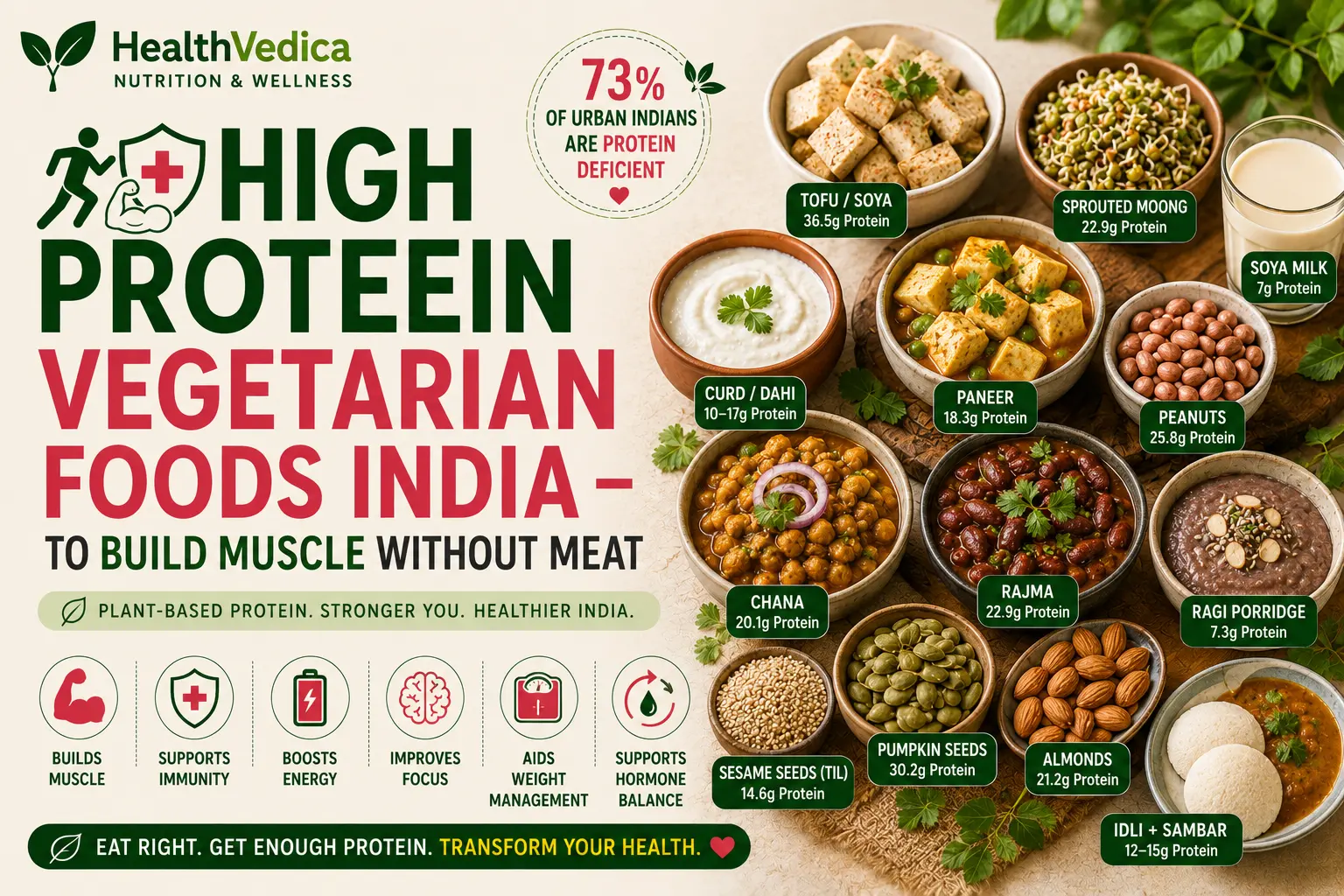
7. Tofu / Soy (When Calcium-Set)
Calcium-set tofu (look for calcium sulphate in ingredients) provides 200–350mg calcium per 100g — comparable to dairy. For vegetarian and vegan Indians, this is an excellent alternative. Note: only calcium-set tofu provides significant calcium; nigari-set tofu provides much less.
🌿 Ayurvedic Perspective on Bone Health (Asthi Dhatu)
In Ayurveda, bones (Asthi Dhatu) are nourished by Vata dosha and require proper Agni (digestion) for nutrients to reach bone tissue. Bone weakness (Asthi Kshaya) results from Vata aggravation, poor digestion, or depletion of Asthi Dhatu through excess physical activity or emotional stress.
Ashwagandha: Multiple studies confirm ashwagandha root extract increases bone mineral density. It also reduces cortisol (stress hormone that depletes bone).
Shatavari: Particularly important for women — supports hormonal balance crucial for bone density, especially post-menopause.
Sesame + Jaggery: Traditional til-gur combination consumed especially in winter provides calcium + iron + anti-inflammatory compounds. The Makar Sankranti tradition of til ladoos has real nutritional wisdom.
Bala (Sida cordifolia): Traditionally used in Asthi Kshaya (bone depletion) formulations. Modern research shows it contains compounds that stimulate osteoblasts (bone-building cells).
🚫 Bone-Depleting Habits to Eliminate
Excess Salt: Reduce salt intake to below 5g daily. Every 1g extra sodium excretes 26mg calcium in urine — with Indian salt consumption of 10–12g daily, this is a major hidden bone thief.
Carbonated Drinks (Soft Drinks): Phosphoric acid in colas actively pulls calcium from bones. Young Indians consuming 2–3 cold drinks daily during formative bone-building years (15–30) are setting themselves up for early osteoporosis.
Excessive Coffee: 4+ cups daily accelerates calcium excretion. Moderate coffee (2 cups) does not significantly affect bones.
Sedentary Lifestyle: Bone responds to mechanical stress — weight-bearing exercise (walking, running, resistance training) directly stimulates bone formation. Sedentary Indians, especially those in desk jobs, are at high risk.
💡 Daily Calcium-Boosting Indian Meal Strategy
Target: 1000mg calcium daily (1200mg for women over 50)
Morning (300mg): 5 soaked almonds + 1 glass milk (250ml)
Breakfast (200mg): Ragi dosa (2) or ragi porridge with til chutney
Lunch (300mg): Dal + rice/roti + moringa sambar + dahi (1 cup)
Snack (100mg): Handful of roasted rajgira or til ladoo (1 small)
Dinner (200mg): Paneer sabzi + jowar roti + raita
Total: ~1100mg from food — no supplements needed!
Bonus: 20 minutes morning sun exposure for vitamin D to absorb that calcium.