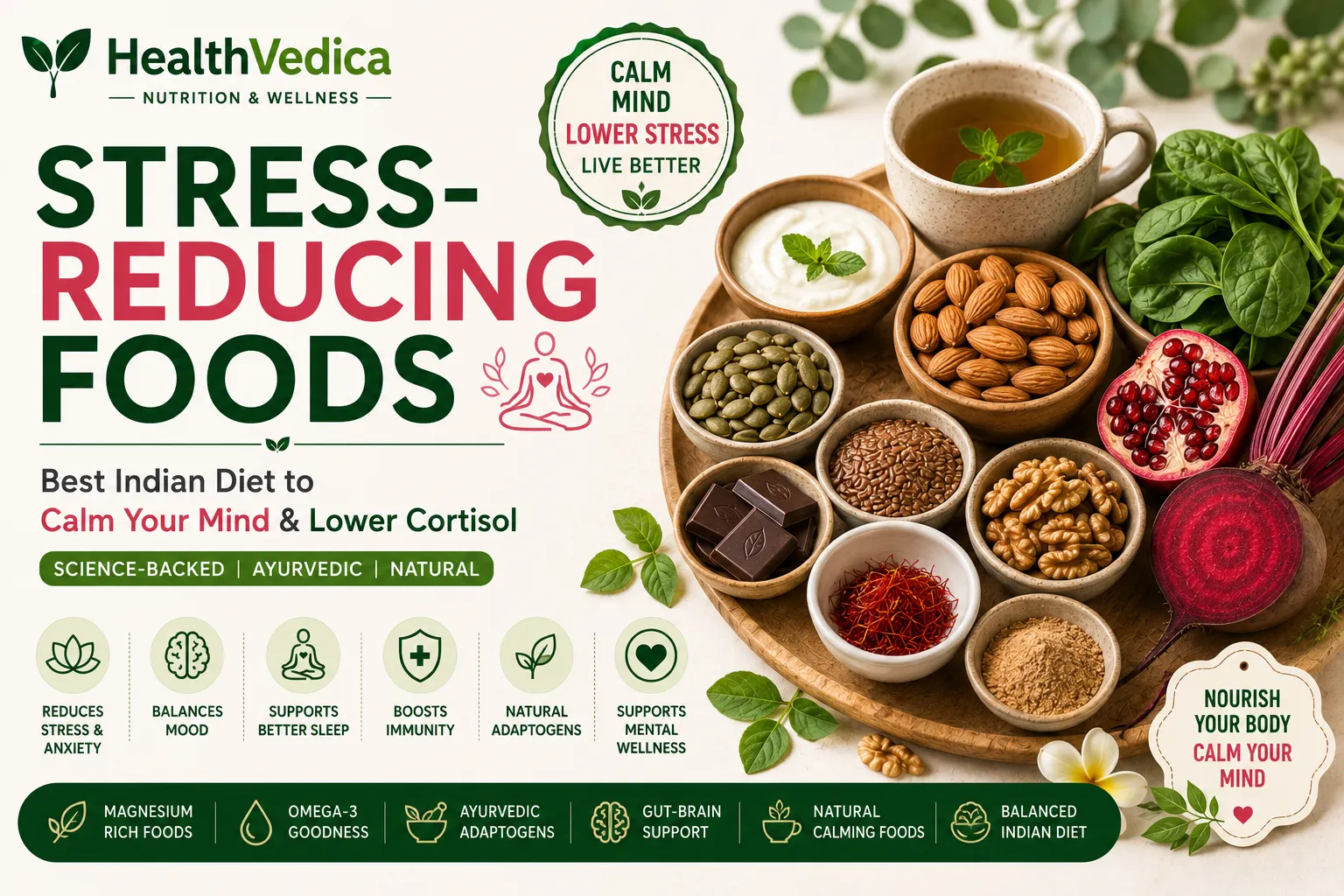
🧘 India's Stress Epidemic
Food does not switch stress off, but regular nutritious meals can help support energy, sleep and overall resilience. Protein, whole grains, pulses, nuts, seeds, fruits and vegetables provide nutrients involved in normal nervous-system function. For persistent anxiety or overwhelming stress, nutrition should complement—not replace—appropriate mental-health support.
Quick takeaways: Regular balanced meals and nutrient-rich foods can support stress resilience, but diet alone does not treat anxiety or severe stress. Sleep, movement and appropriate professional support matter too.
Chronic stress elevates cortisol — the body's primary stress hormone — which when chronically elevated causes: weight gain (particularly abdominal), sleep disruption, immune suppression, cardiovascular disease, digestive problems, anxiety, depression, blood sugar dysregulation, and accelerated aging. India's rising rates of all these conditions have stress as a major underlying driver.
What most Indians don't realise: the foods you eat may directly and traditionally regulate your stress response. Magnesium-deficient diets increase cortisol reactivity. Refined sugar creates blood sugar roller coasters that mimic and amplify stress responses. Probiotic-poor diets disrupt the gut-brain axis that regulates mood and anxiety. Conversely, certain Indian foods — ashwagandha, brahmi, saffron, dark chocolate, and magnesium-rich millets — are among the world's most evidence-based natural anxiolytics (anxiety reducers).
🔬 The Biology of Stress and Food
HPA axis (Hypothalamic-Pituitary-Adrenal): The body's stress response system. Stress → hypothalamus releases CRH → pituitary releases ACTH → adrenal glands release cortisol. Nutrients regulate this cascade at every step. Vitamin C protects adrenal glands. Magnesium dampens NMDA receptor excitability (reduces nervous system reactivity). Omega-3 reduces neuroinflammation that amplifies stress responses.
Gut-brain axis: 90% of serotonin (the primary mood-regulating neurotransmitter) is produced in the gut. Gut microbiome composition may directly influences serotonin production, GABA activity, and vagal nerve tone. Dysbiotic gut = anxious mind. Probiotic foods support this connection.
Blood sugar and stress: Every blood sugar crash triggers cortisol release (cortisol raises blood glucose). High-sugar, refined-carb diets create continuous cortisol spikes independent of psychological stress — perpetuating and amplifying the stress response even on calm days.
Magnesium — nature's relaxant: Magnesium blocks NMDA receptors (reducing nervous system excitability), supports GABA activity (the brain's calming neurotransmitter), and regulates the HPA axis. Deficiency is extremely common in Indians eating refined grain diets, and may directly worsens anxiety, insomnia, and muscle tension.
📊 Anti-Stress Nutrients and Indian Food Sources
| Nutrient/Compound | Stress-Reducing Mechanism | Top Indian Sources |
|---|---|---|
| Magnesium | NMDA block, GABA support, HPA axis regulation | Bajra, almonds, spinach, pumpkin seeds |
| Omega-3 (ALA/EPA/DHA) | Reduces neuroinflammation, cortisol response | Flaxseeds, walnuts, fatty fish |
| Vitamin C | Adrenal gland protection, cortisol reduction | Amla, guava, capsicum |
| B Vitamins (B6, B12, Folate) | Neurotransmitter synthesis (serotonin, dopamine) | Dal, eggs, leafy greens, dairy |
| L-Theanine | Alpha wave induction, calm focus | Green tea, tulsi tea |
| Tryptophan | Serotonin precursor | Dahi, paneer, banana, sesame seeds |
| Probiotics | Gut-brain serotonin production | Dahi, kanji, idli/dosa fermented batter |
| Withanolides | HPA axis modulation (adaptogen) | Ashwagandha |
| Bacosides | Neuronal regeneration, stress adaptation | Brahmi (Bacopa monnieri) |
| Crocin/Safranal | Serotonin reuptake inhibition, mood elevation | Saffron (kesar) |
✅ Top Stress-Reducing Indian Foods
1. Ashwagandha (Withania somnifera) — Cortisol's Natural Controller
Ashwagandha is the world's most clinically studied adaptogen for stress. Multiple double-blind RCTs (randomised controlled trials) confirm: 300–600mg ashwagandha extract daily for 8 weeks reduces cortisol by 27–28%, reduces perceived stress scores by 44%, significantly improves anxiety, insomnia, and cognitive function under stress. The withanolides in ashwagandha modulate the HPA axis — reducing its over-reactivity to stressors. Available as churna (powder), capsules, or ashwagandha milk (warm milk + ½ tsp ashwagandha + cardamom + honey).
2. Bajra (Pearl Millet) — Magnesium Powerhouse
Magnesium deficiency is the most underdiagnosed contributor to anxiety in India. Bajra provides 114mg magnesium per 100g — significantly more than wheat or rice. Magnesium blocks NMDA glutamate receptors (reducing nervous system excitability), enhances GABA (the brain's primary inhibitory neurotransmitter), and reduces cortisol reactivity. Switching from wheat roti to bajra roti provides a simple, daily magnesium intervention. Other excellent magnesium sources: pumpkin seeds (262mg/100g), almonds (270mg/100g), dark leafy greens.
3. Brahmi (Bacopa monnieri) — The Brain's Stress Shield
Brahmi is Ayurveda's premier nervine tonic — used for anxiety, cognitive decline, and stress adaptation for over 3,000 years. Modern research confirms: bacosides in Brahmi increase serotonin and GABA activity, reduce beta-amyloid accumulation (neuroprotective), improve dendritic proliferation (brain cell connections), and significantly reduce anxiety scores in controlled trials. A 2016 meta-analysis of 9 RCTs concluded Brahmi significantly improves cognitive performance, anxiety, and depression. Available as Brahmi churna, ghrita (Brahmi ghee), or standardised tablets (300–450mg bacosides daily).
4. Dahi and Fermented Foods — The Gut-Brain Connection
90% of serotonin is synthesised in the gut by enterochromaffin cells — stimulated by gut microbiome metabolites. Dahi's Lactobacillus and Bifidobacterium species produce GABA (calming neurotransmitter), reduce inflammatory cytokines that disrupt mood, and improve vagal nerve tone (the connection between gut and brain regulating emotional regulation). A landmark UCLA study showed women eating probiotic-rich yoghurt for 4 weeks had measurably changed brain responses to emotional stimuli — less anxiety and emotional reactivity. Eat dahi daily; include fermented preparations (idli, dosa, kanji) for microbiome diversity.
5. Saffron (Kesar) — India's Natural Antidepressant
Saffron is the most extensively studied spice for mood and mental health. Crocin and safranal in saffron inhibit serotonin, dopamine, and norepinephrine reuptake — the exact mechanism of SSRIs and SNRIs (standard antidepressant medications). A meta-analysis of 23 RCTs found saffron at 30mg/day was comparable to antidepressants for mild-to-moderate depression with far fewer side effects. In India, saffron is traditionally added to milk, kheer, and rice — practices that provide genuine mood-supporting pharmacological benefit. Even small amounts (2–3 strands steeped in warm water or milk) provide therapeutic crocin levels.
6. Dark Chocolate — Stress Science's Surprise
Dark chocolate (70%+ cocoa) contains theobromine (mild stimulant that improves mood without jitteriness), flavonoids that improve brain blood flow, magnesium (64mg/40g serving), and tryptophan (serotonin precursor). A landmark 2009 study found 40g dark chocolate daily for 2 weeks significantly reduced cortisol and adrenaline (stress hormones) in highly stressed individuals. Choose 70–85% cocoa dark chocolate; 20–30g per day is the therapeutic dose. This is one context where dessert is genuinely medicine.
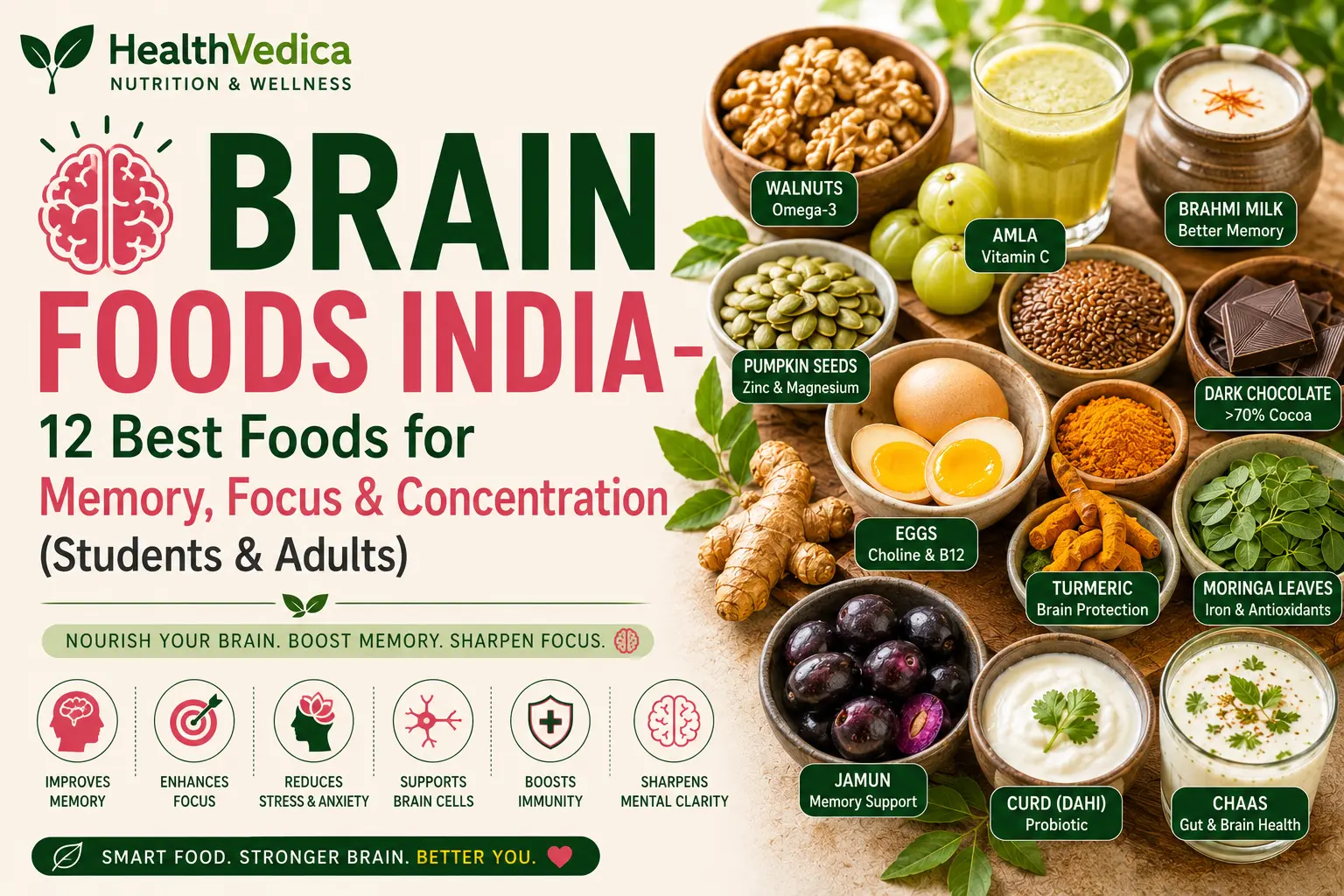
7. Walnuts (Akhrot)
Walnuts are uniquely protective for brain and mood health among nuts. They provide ALA omega-3 (reduces neuroinflammation), polyphenols (reduce oxidative stress in brain), magnesium, and vitamin B6. A large study of 26,000 Americans found regular walnut consumption correlated with 26% lower depression risk and significantly reduced perceived stress. 4–5 walnut halves daily is the evidence-based dose. Soaking overnight reduces phytic acid and improves nutrient bioavailability.
8. Tulsi (Holy Basil) Tea
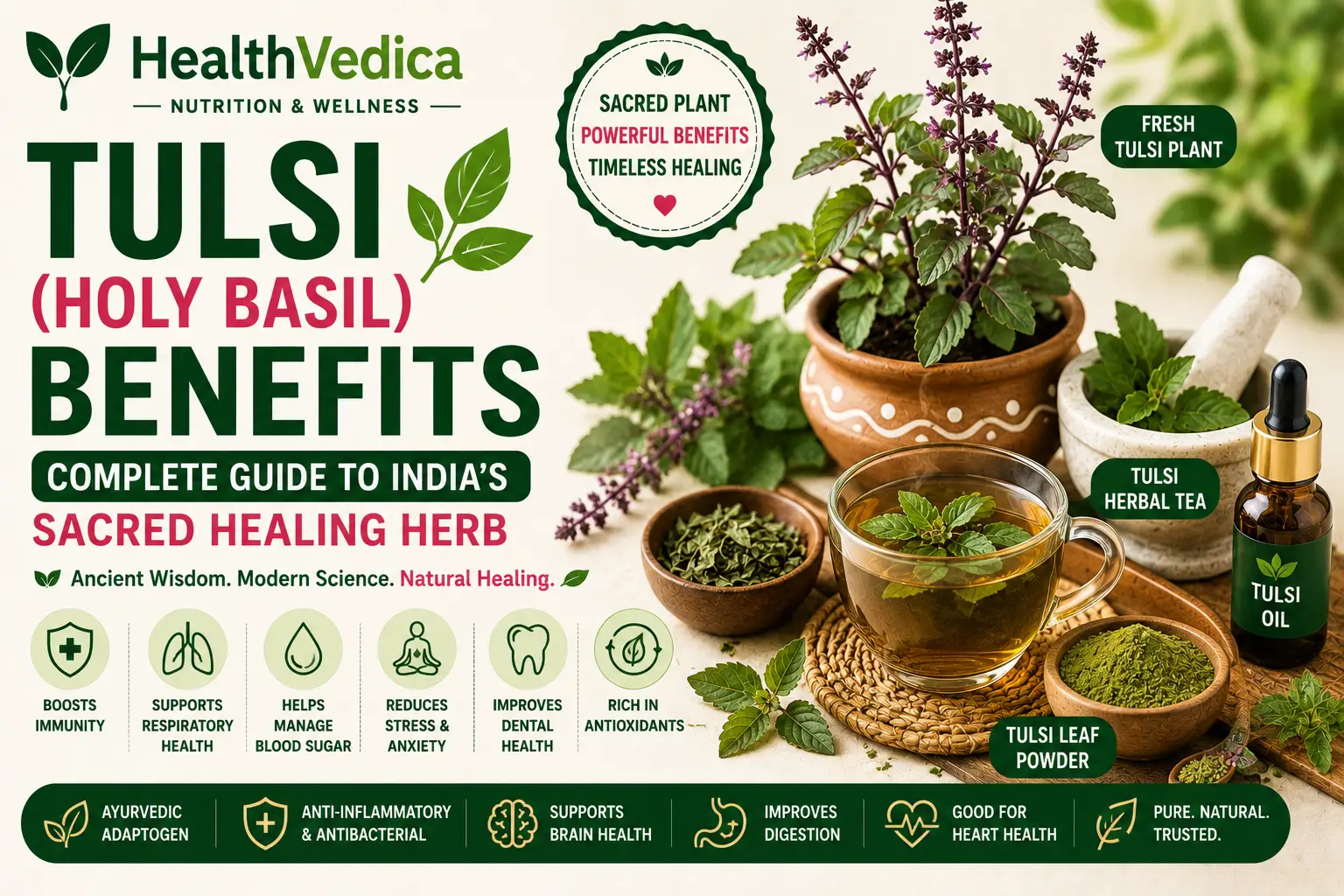
Tulsi is classified as an adaptogen in Ayurveda — the category of herbs that specifically support the body's stress adaptation system. Modern pharmacology confirms eugenol, rosmarinic acid, and ursolic acid in tulsi modulate cortisol, reduce anxiety behaviour, protect adrenal function, and improve cognitive performance under stress. Daily tulsi tea (8–10 fresh leaves boiled in water, or 1 tsp dried tulsi steeped) is India's most accessible, affordable, and evidence-based stress remedy.
🌿 Ayurvedic Stress Management (Satwavajaya Chikitsa)
Ayurveda addresses mental health through Satwavajaya (psychological therapy), Rasayana (rejuvenation), and specific nervine tonics. The Ayurvedic stress management protocol involves: Medhya Rasayanas (cognitive-supporting tonics) — ashwagandha, brahmi, shankhapushpi, and jatamansi; Abhyanga (daily oil self-massage) — reduces Vata (the dosha of anxiety and nervous system), signals safety to the nervous system, and has measurable cortisol-lowering effects; and Nasya (nasal oil administration) — a drop of Brahmi ghee in each nostril may directly nourishes the brain through the olfactory pathway.
Jatamansi (Nardostachys jatamansi): India's most potent natural anxiolytic herb, comparable to diazepam in some animal models. Reduces cortisol, improves sleep, and calms nervous system over-reactivity. Available in Ayurvedic pharmacies.
🚫 Foods That Amplify Stress
Caffeine (excess): More than 2 cups of chai or 1–2 coffees daily significantly elevates cortisol and adrenaline, worsening anxiety in stress-prone individuals. Many Indians drink 4–6 cups of chai daily — contributing to chronic cortisol elevation.
Refined sugar and high-GI foods: Blood sugar crashes trigger cortisol release. Frequent sweet chai, biscuits, and refined snacks create continuous cortisol spikes compounding psychological stress.
Alcohol: While initially sedating, alcohol disrupts sleep architecture, depletes B vitamins and magnesium (anti-stress nutrients), and worsens anxiety the following day.
Ultra-processed foods: High in omega-6 oils, artificial additives, and sugar — all promote neuroinflammation that worsens mood and stress sensitivity.
💡 Daily Stress-Reduction Food Protocol
Morning: Tulsi tea (before chai) | 4–5 soaked walnuts | 1 fresh amla | Ashwagandha in warm milk (alternate days)
Breakfast: Bajra roti or oats (magnesium) + dahi (probiotics) | 1 tbsp ground flaxseeds
Lunch: Dal (B vitamins, tryptophan) + colourful vegetables + small piece of paneer or fish | Turmeric in cooking
Evening: Green tea + 20–30g dark chocolate (70%+) | Brahmi tablet/churna
Dinner: Light, warm, easily digestible (Vata-pacifying) | Leafy greens + dal + millet roti
Bedtime: Kesar doodh (saffron milk) + ashwagandha — the classic Ayurvedic sleep and stress tonic
Evidence note: This article is an educational nutrition guide. General diet guidance is aligned where applicable with ICMR-NIN Dietary Guidelines for Indians, WHO healthy-diet guidance, and relevant Ministry of Ayush materials. Ayurvedic concepts are presented as traditional perspectives and are not a substitute for medical diagnosis or treatment.