🍲 First, Clear Up the Biggest Collagen Myth
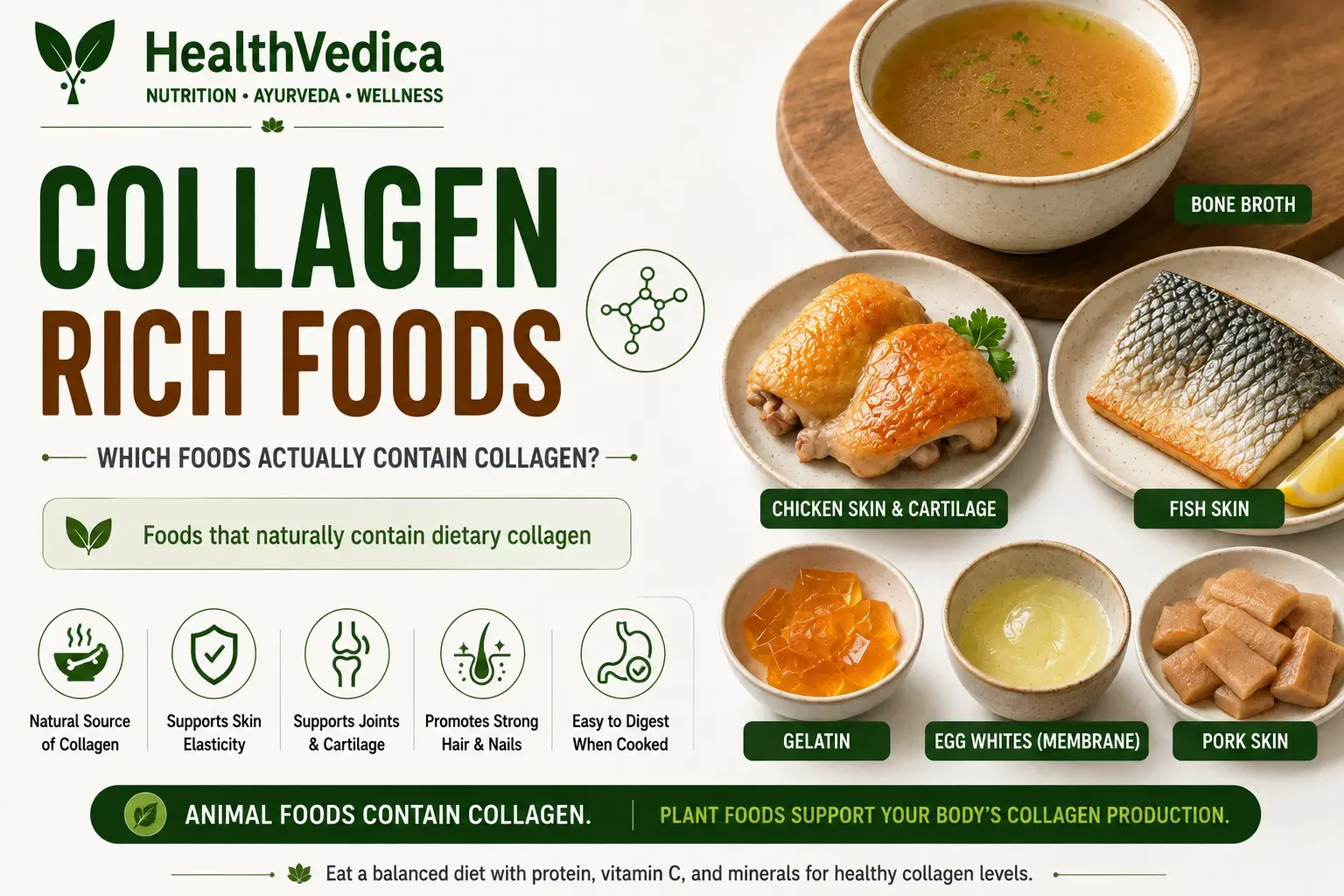
Collagen is a structural protein found naturally in animal connective tissues such as skin, cartilage, bones and tendons. Plant foods do not contain animal collagen. However, plant foods can provide nutrients that your body uses to make its own collagen.
That distinction matters because 'collagen-rich' and 'collagen-supporting' are not the same thing.
📊 Foods That Naturally Contain Collagen
| Food | Natural Source | Important Note |
|---|---|---|
| Bone broth | Bones and connective tissue | Collagen breaks down into gelatin and peptides during cooking |
| Chicken skin | Skin/connective tissue | Contains collagen but also contributes substantial fat |
| Fish skin | Skin/connective tissue | Contains marine collagen |
| Gelatin | Denatured collagen | Provides collagen-derived protein |
| Slow-cooked connective tissue | Tendons, cartilage and skin | Cooking converts collagen partly into gelatin |
| Pork skin | Connective tissue | Common collagen source in food manufacturing |
🥣 Is Bone Broth a Miracle Collagen Drink?
No. Bone broth can provide gelatin and collagen-derived amino acids, but the concentration varies greatly depending on ingredients and preparation. Evidence that homemade bone broth alone produces a dramatic increase in skin collagen is limited.
It can be included as a nutritious food for people who enjoy it, but it should not replace a varied diet or be marketed as a guaranteed anti-ageing treatment.
🌱 What About Vegetarians and Vegans?
They cannot obtain pre-formed animal collagen from plant foods—and they do not need to. The human body synthesizes collagen from amino acids and supporting nutrients. A varied plant-based diet can provide protein, vitamin C, copper and zinc.
Vitamin C is particularly important because it is required for collagen biosynthesis.
🔍 Collagen vs Collagen-Supporting Foods
Contains collagen: animal connective tissue, skin, cartilage, gelatin and collagen-rich broths.
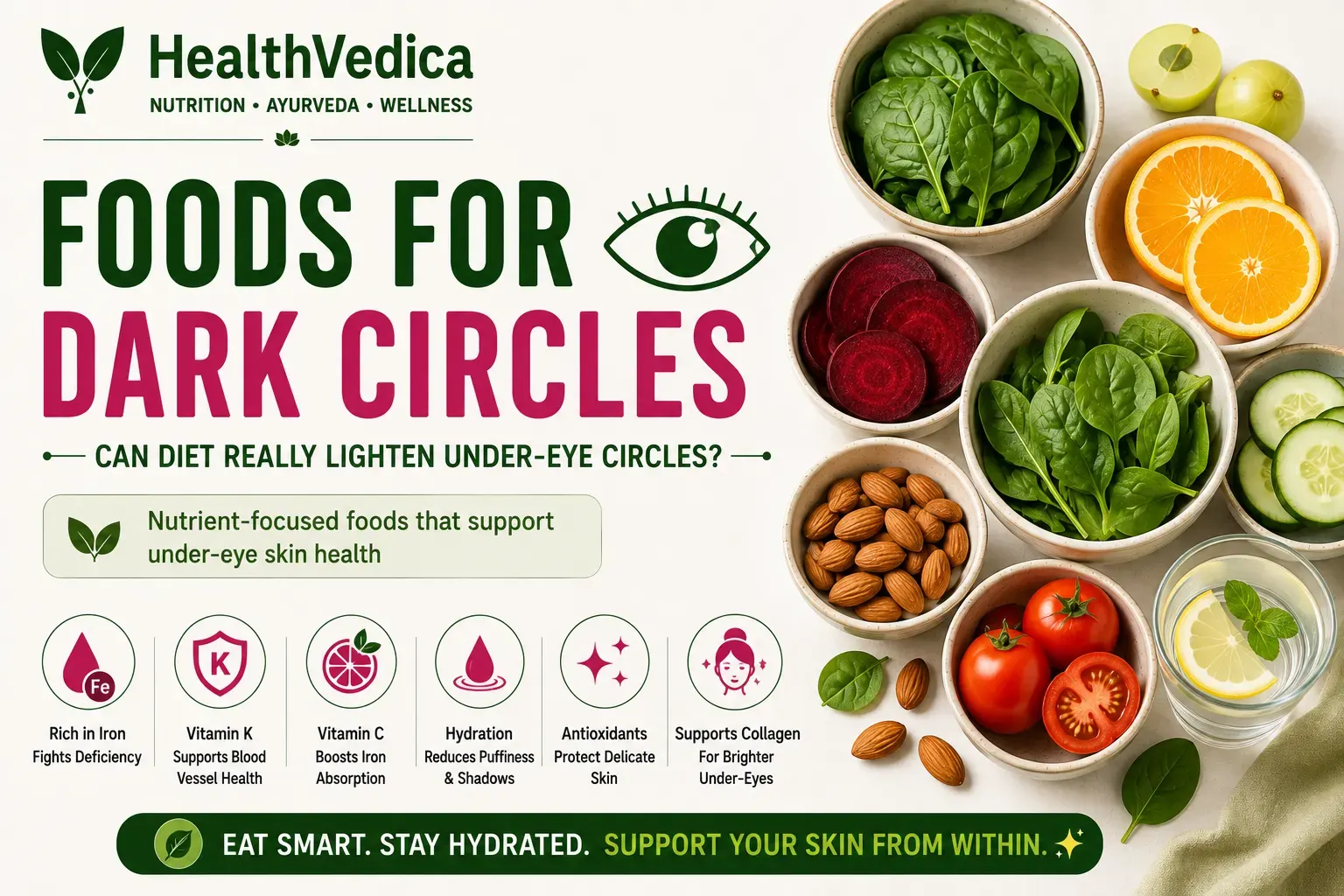
Supports collagen production: amla, citrus fruits, capsicum, legumes, nuts, seeds and other protein- and micronutrient-rich foods.
This is the distinction consumers should look for when evaluating collagen-food claims.
📌 Bottom Line
If you eat animal products, collagen-containing foods exist. If you do not, there is no nutritional requirement to consume collagen itself. The more important goal is to provide enough protein and the nutrients needed for your body's own collagen synthesis.