🧬 Can Food Really “Detox” Your Liver?
Your liver already has its own detoxification system. It processes nutrients, medicines and many substances through complex metabolic pathways and helps eliminate waste through bile and other routes.
That means you do not need a “liver flush,” juice cleanse or detox tea to make a healthy liver work. If you have fatty liver, the more useful question is: what eating pattern helps reduce the drivers of liver fat and metabolic disease?
🔬 What the Liver Actually Needs
The liver needs adequate protein, essential fats, vitamins, minerals, fibre and overall energy balance. It also benefits when metabolic risk factors such as excess body weight, high triglycerides and poor blood-sugar control are addressed.
The ICMR-NIN Dietary Guidelines for Indians 2024 emphasise a diverse diet built around vegetables, fruits, pulses, whole grains, nuts and seeds, with limits on foods high in sugar, salt and unhealthy fats.
📊 Indian Foods That Fit a Liver-Friendly Diet
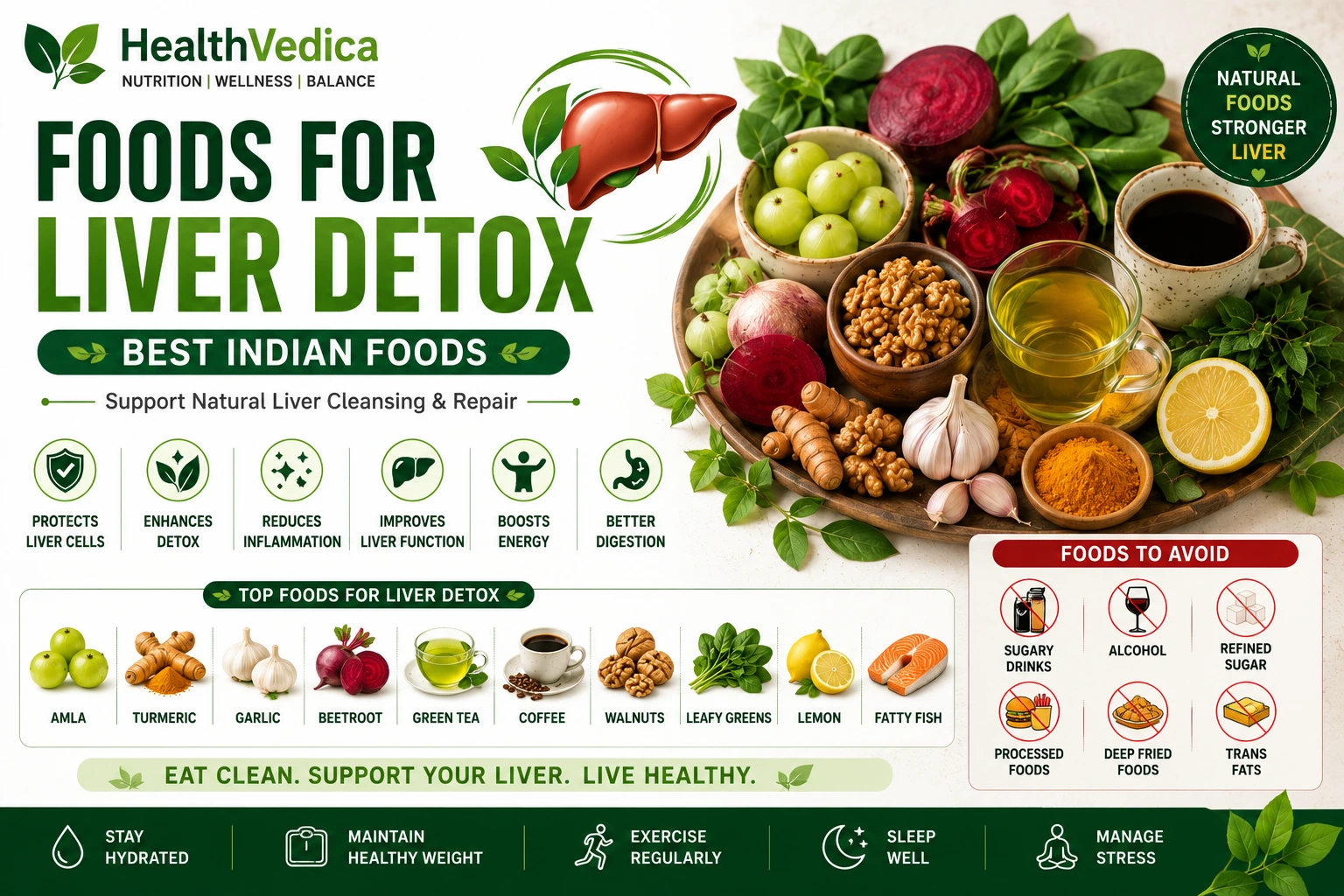
| Food | Useful Nutrients | Why It Fits |
|---|---|---|
| Amla and other whole fruits | Vitamin C, fibre, polyphenols | Supports an overall nutrient-dense diet |
| Leafy vegetables | Folate, fibre, carotenoids | Low-energy, nutrient-rich choice |
| Dal, beans and chickpeas | Protein, fibre | Helps replace refined carbohydrate-heavy meals |
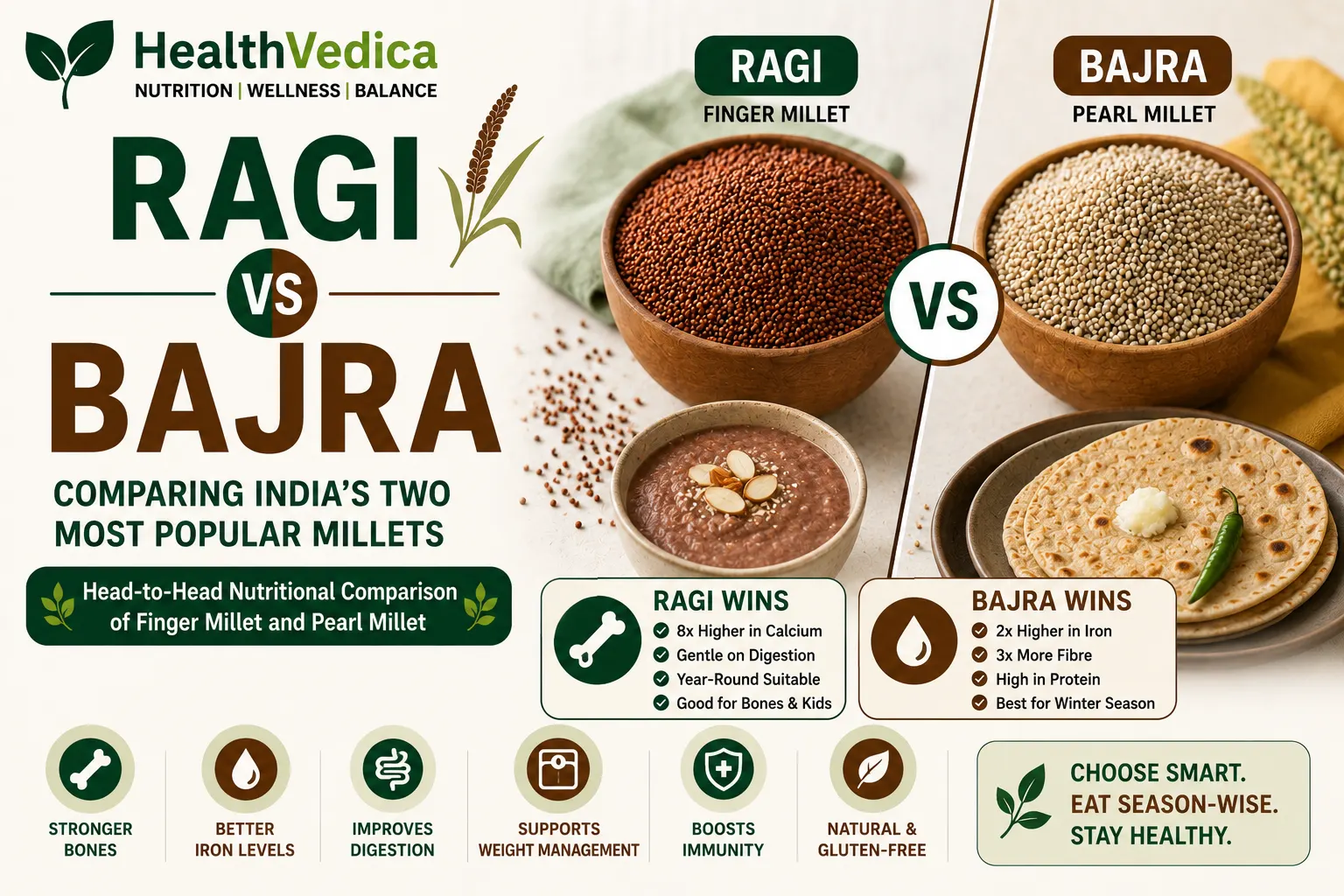
| Whole grains and millets | Fibre, micronutrients | Better everyday carbohydrate choices |
| Nuts and seeds | Unsaturated fats, minerals | Useful in moderate portions |
| Fish | Protein, omega-3 fats | Useful protein choice for non-vegetarians |
| Unsweetened curd | Protein, calcium | Convenient dairy option |
| Coffee | Polyphenols | Associated with liver benefits in observational research |
🥬 1. Fill More of the Plate With Vegetables
Spinach, amaranth, drumstick leaves, gourds, beans, carrots, tomatoes, cauliflower and other vegetables add fibre and micronutrients without a large calorie load.
For fatty liver, vegetables are more useful as a daily eating pattern than as a special “detox” ingredient.
🫘 2. Make Dal, Beans and Pulses Regular Protein Sources
Dal, chickpeas, rajma, peas and other pulses provide protein and fibre. They can replace part of a meal dominated by refined grains or sugary foods.
Pairing pulses with vegetables and whole grains creates a practical Indian meal without needing a supplement or detox product.
🐟 3. Choose Protein Wisely
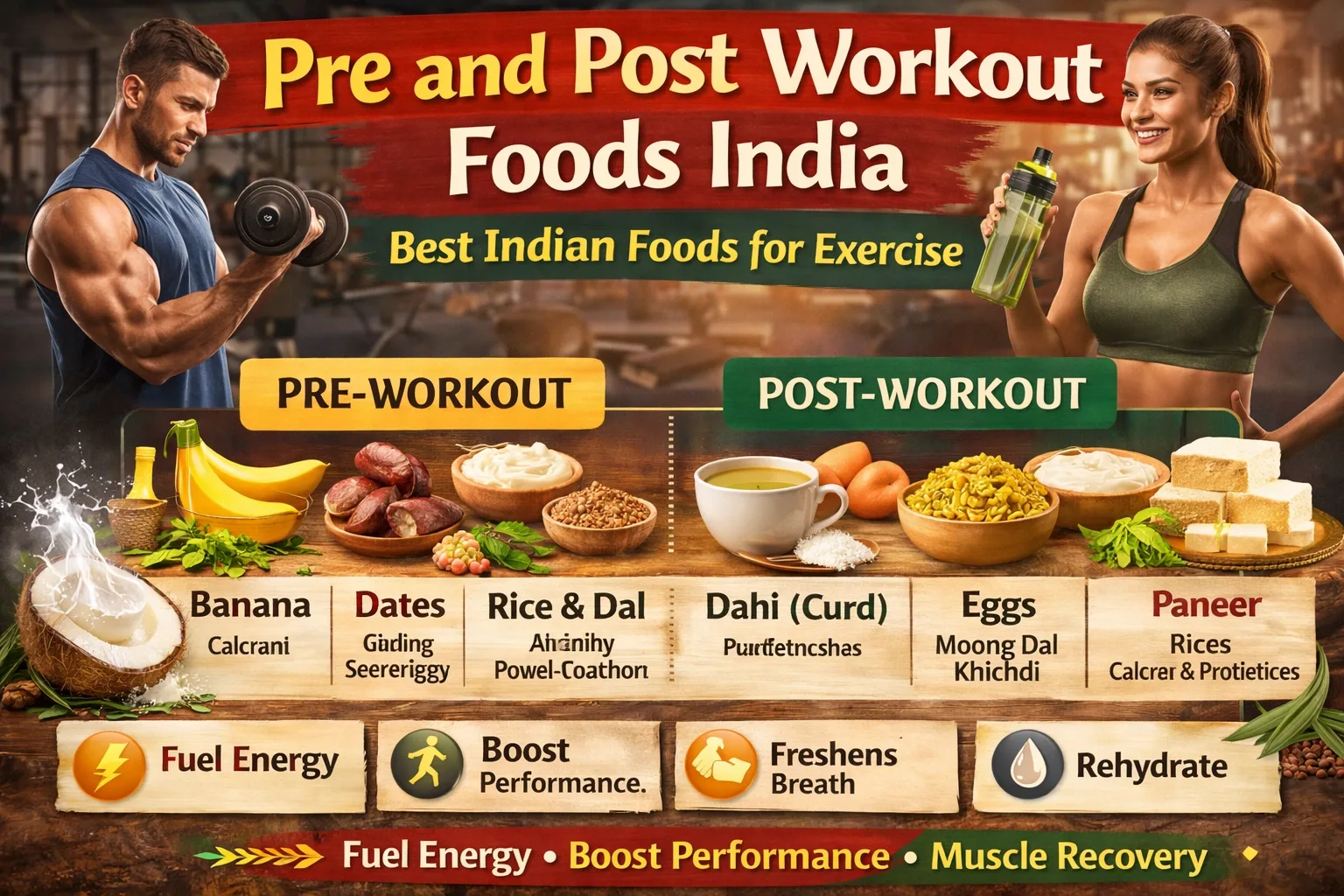
Eggs, fish, lean poultry, curd, paneer in sensible portions, soy foods and pulses can all contribute protein. The best choice depends on dietary preference and total calorie intake.
Deep-fried versions are a different story: the cooking method can add substantial energy and unhealthy fats.
☕ 4. Coffee: Helpful Association, Not a Cure
Regular coffee consumption has been associated in research with lower risks of several chronic liver outcomes. That does not mean coffee “cleans” the liver or reverses disease on its own.
If you drink coffee, keep added sugar and high-calorie syrups modest. People who are sensitive to caffeine should adjust their intake.
🌿 5. Turmeric: Food First
Turmeric contains curcumin and is a useful culinary spice. Research on concentrated curcumin supplements is different from evidence for ordinary amounts of turmeric used in food.
Do not replace medical treatment for liver disease with turmeric supplements. Supplements can also interact with medicines and are not automatically safe because they are “natural.”
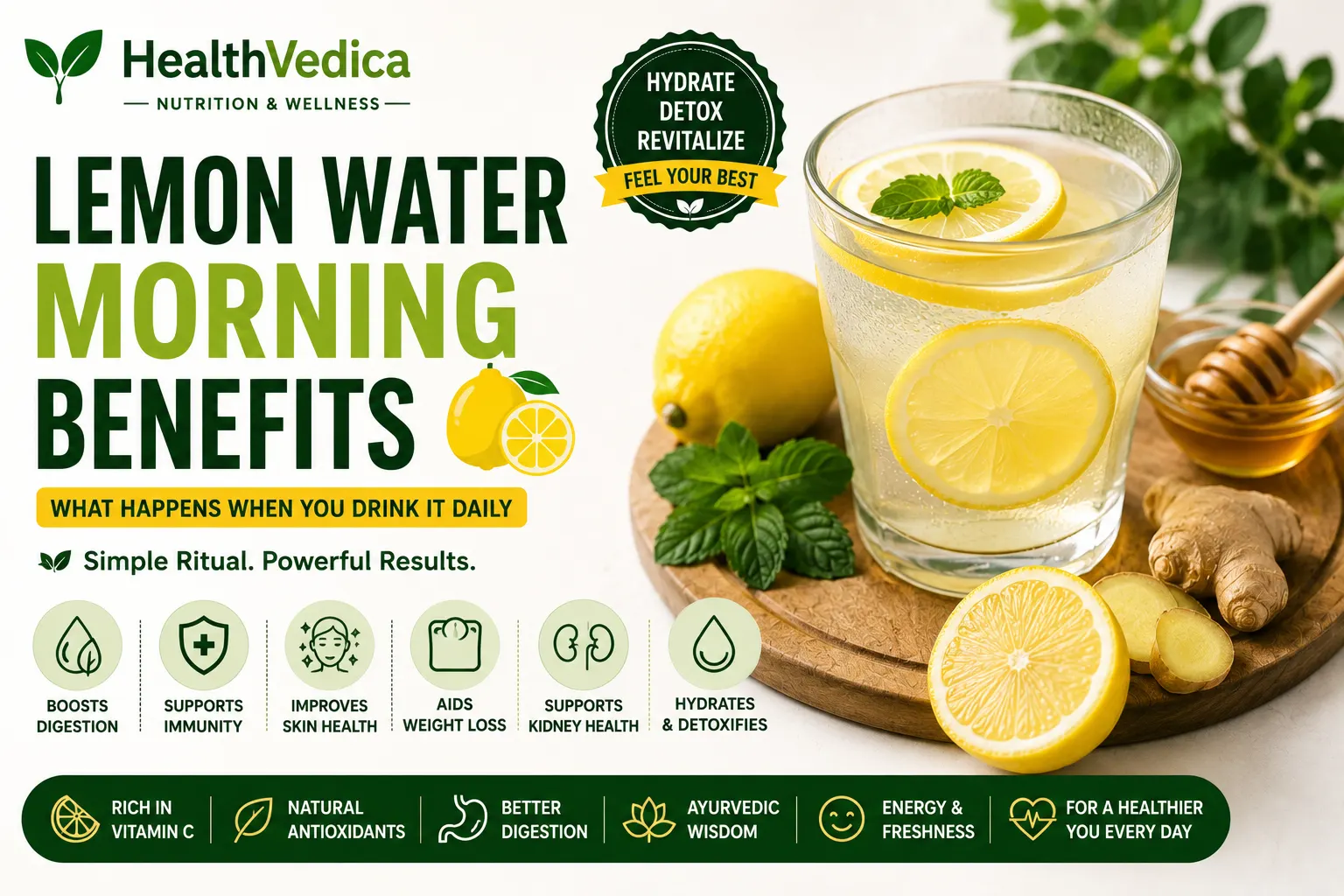
🍋 6. Lemon Water Is Hydration, Not a Liver Flush
Lemon water can help you drink more water and adds some vitamin C. It does not literally wash toxins out of the liver.
If lemon water replaces a sugary beverage, that substitution can be useful. But you do not need lemon water to maintain normal liver detoxification.
🚫 Foods and Habits to Limit
| Limit | Why |
|---|---|
| Sugary drinks | Easy source of excess sugar and calories |
| Frequent sweets and refined snacks | Can make calorie control difficult |
| Deep-fried foods | High energy density and often high in unhealthy fats |
| Excess alcohol | Can directly damage the liver |
| Highly processed foods | Often high in energy, salt, sugar or unhealthy fats |
🏃 The Part Most “Detox” Articles Miss: Movement
Regular physical activity supports weight management and metabolic health. If you have fatty liver, exercise can be valuable even before major weight loss occurs.
A practical target is to build a routine you can maintain: brisk walking, cycling, strength training, yoga or a combination. The best exercise is the one you can do consistently.
📅 Simple Indian Day of Eating for Liver Health
Breakfast: Vegetable oats, idli with sambar, or eggs with whole-grain toast.
Lunch: Dal + vegetables + roti or rice + unsweetened curd + salad.
Snack: Whole fruit + a small portion of nuts.
Dinner: Fish, tofu, paneer or dal + plenty of vegetables + a sensible portion of whole grains.
Drinks: Water, unsweetened tea or coffee according to tolerance.
🌿 Ayurveda: Useful Context, Not a Substitute for Diagnosis
Ayurvedic dietary practice considers factors such as the nature of food, preparation, combination, quantity and timing. The Ministry of Ayush also publishes Ayurveda guidance for metabolic disorders.
These traditional frameworks can be discussed alongside modern nutrition, but claims about “Ama,” liver cleansing or herbal cures should not be presented as established biomedical mechanisms unless supported by appropriate evidence.
⚠️ When You Should See a Doctor
- You have persistently abnormal liver enzymes.
- You have been diagnosed with fatty liver or another liver condition.
- You have jaundice, dark urine, significant abdominal swelling or unexplained weight loss.
- You regularly drink substantial amounts of alcohol.
- You take multiple medicines or herbal supplements and are concerned about liver effects.
💡 Final Takeaway
The most effective “liver detox” is a sustainable lifestyle, not a drink. Build meals around vegetables, pulses, whole grains, protein, whole fruit and moderate amounts of healthy fats. Limit alcohol and excess sugar, stay active and address body weight and metabolic health when needed.
Amla, turmeric, garlic, leafy greens, nuts, coffee and fish can all fit into a healthy diet, but none should be marketed as a magic liver cleanser. Your liver does the detoxification; your daily habits determine how much metabolic stress it faces.