🩺 What Should You Eat to Prevent Kidney Stones?
For most people, adequate fluid intake is the single most important dietary step. The rest of the plan depends on the stone type: calcium oxalate, calcium phosphate, uric acid and cystine stones do not all require the same restrictions.
One of the biggest mistakes is using an internet 'kidney stone diet' without knowing what kind of stone formed. Prevention is most effective when based on stone analysis or urine testing when appropriate.
💧 Start With Urine Dilution
Water is the foundation because concentrated urine makes crystal formation easier. The exact fluid target depends on climate, body size, activity, kidney function and medical advice. People with fluid restrictions should not simply force large amounts of water.
Simple rule: spread fluids across the day instead of drinking a large amount only after pain starts.
🍋 Citrate Can Help
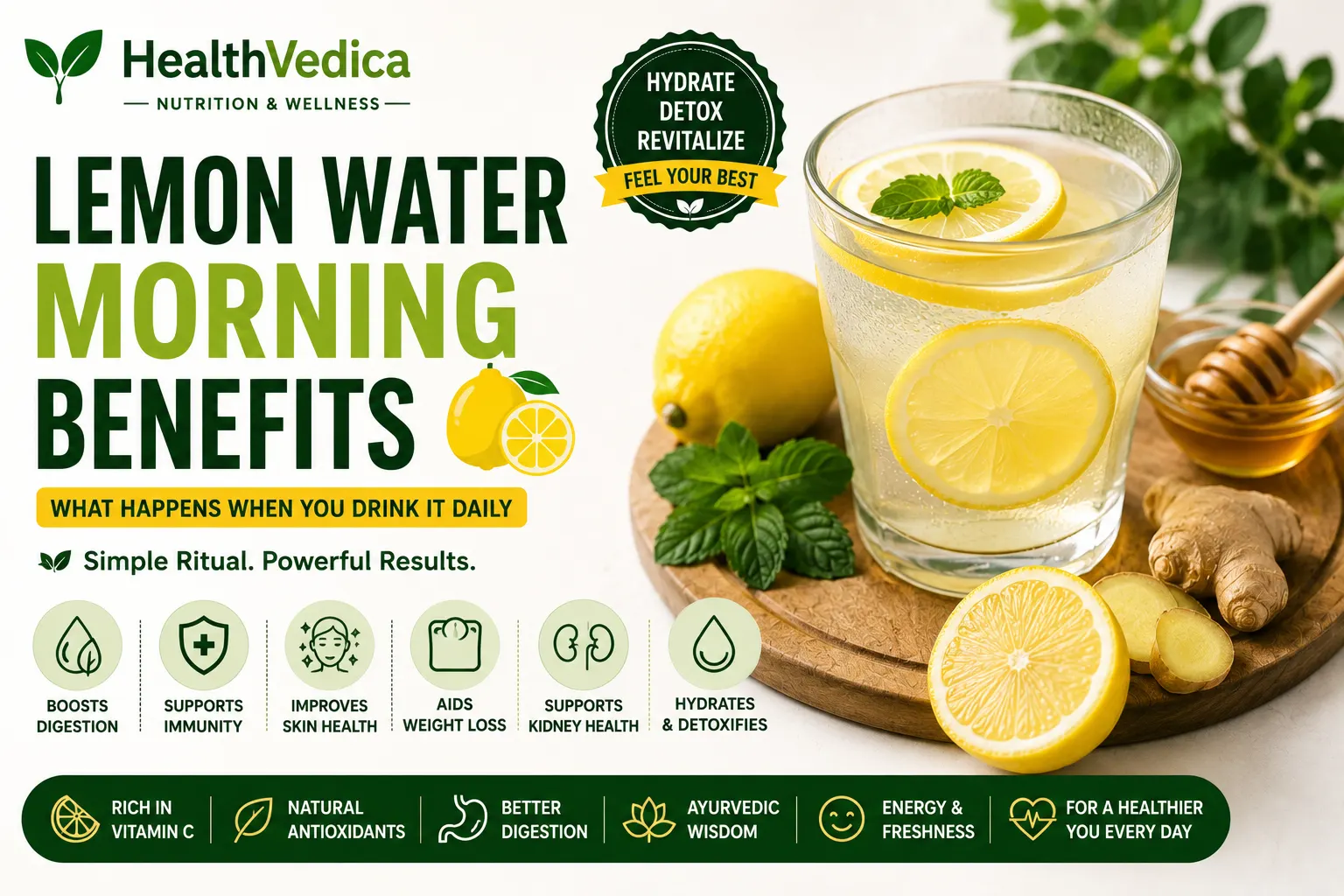
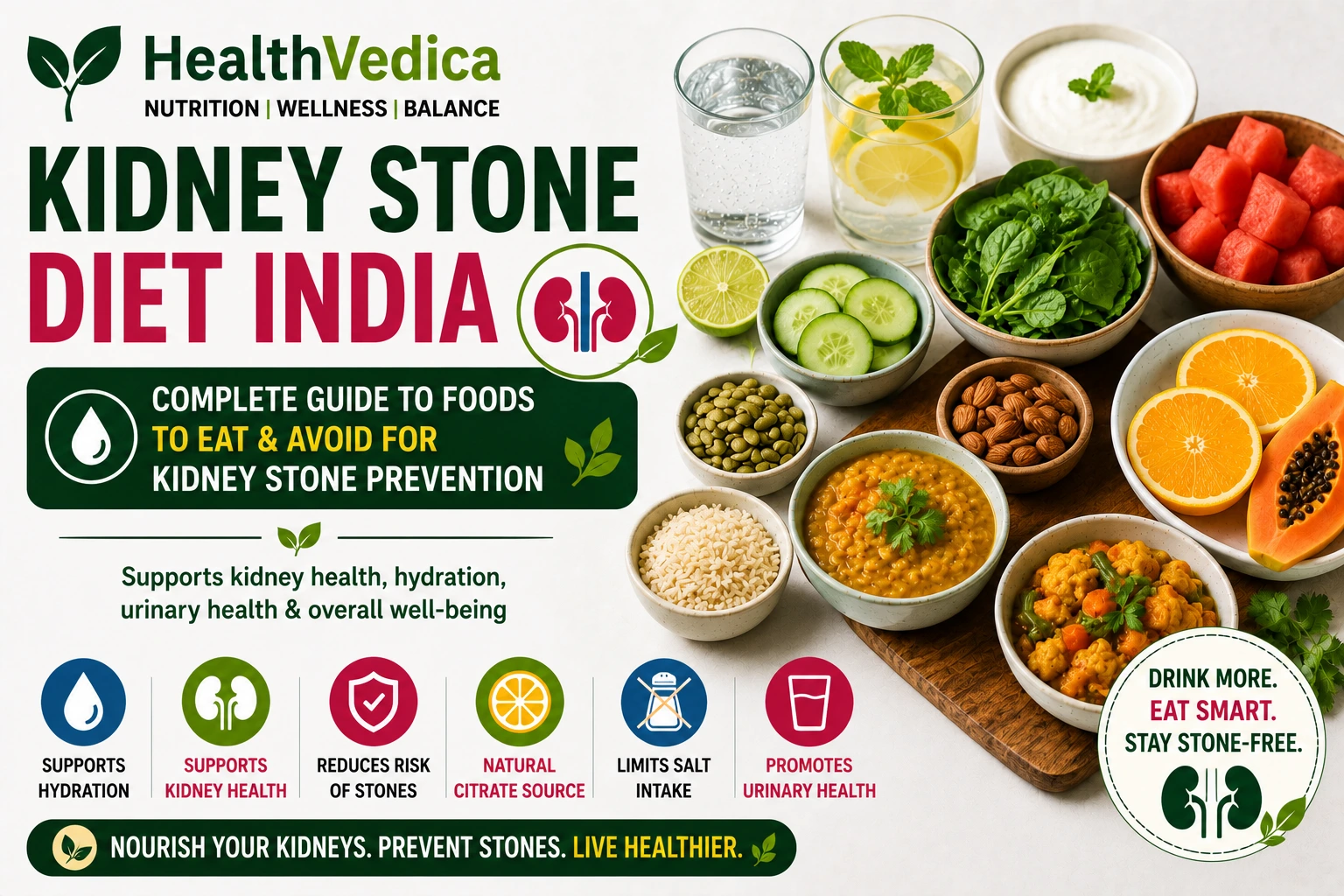
Citrus drinks can provide citrate, which may reduce formation of certain crystals. Fresh lemon or lime added to water is a practical food-based option. Avoid turning the drink into a sugar-loaded lemonade.
🥛 Do Not Automatically Cut Calcium
For calcium-oxalate stones, adequate dietary calcium can actually help because calcium in the gut can bind oxalate and reduce its absorption. The National Kidney Foundation notes that low dietary calcium can increase stone risk. Normal food-based calcium is not the enemy.
🧂 Sodium Matters
High sodium intake can increase urinary calcium and contribute to calcium stone formation. Reduce salty packaged foods, pickles, papad, chips, instant noodles and heavily salted restaurant foods.
🌿 Oxalate: Do Not Over-Restrict Without a Reason
Spinach, nuts, peanuts, wheat bran and some other foods are high in oxalate. That matters most for people prone to calcium-oxalate stones. You do not need to eliminate every oxalate-containing food blindly. Pairing normal dietary calcium with meals can be useful, and individualized advice is better than a giant forbidden-food list.
🥩 Animal Protein and Uric Acid Stones
Large amounts of animal protein can increase uric acid production and may influence stone risk. People with uric acid stones often benefit from moderation of red meat and organ meats, with the exact plan based on urine chemistry and overall health.
📊 Stone-Specific Focus
| Stone Type | Common Dietary Focus |
|---|---|
| Calcium oxalate | High fluids, lower sodium, adequate dietary calcium, moderate high-oxalate foods when appropriate |
| Calcium phosphate | Fluids, lower sodium and individualized evaluation of urine chemistry |
| Uric acid | High fluids, weight/metabolic management, moderate excess animal purine intake |
| Cystine | Very high fluid intake and specialist-guided prevention |
🚫 What Not to Do
Do not take high-dose vitamin C, extreme calcium restriction, prolonged 'kidney detox' regimens or herbal stone-dissolving products without medical advice. Some supplements can change urinary chemistry or interact with medicines.
🍽️ Sample Indian Kidney-Stone-Friendly Day
Breakfast: Vegetable poha + curd.
Mid-morning: Water + whole fruit.
Lunch: Rice/roti in a sensible portion + dal + two vegetable dishes + curd.
Snack: Unsalted fruit or a small suitable nut portion, depending on stone type.
Dinner: Chapati + mixed vegetables + dal/paneer/tofu.
Fluids: Water throughout the day; add lemon/lime if tolerated.
🚨 When You Need Medical Care
Severe flank pain, fever, vomiting, inability to urinate or blood in the urine warrants medical assessment. A stone can obstruct the urinary tract and may require treatment rather than diet alone.
✅ Bottom Line
Hydration + lower sodium + normal dietary calcium + stone-specific adjustments is a much safer framework than banning spinach, milk or every oxalate food. Know your stone type before making major restrictions.
📚 Trusted Sources & Further Reading
This guide is educational and is not a substitute for diagnosis or treatment. Nutrient and dietary guidance is aligned where applicable with Indian nutrition guidance and major clinical references.