π The World's Healthiest Diet β and How It Applies to India
The Mediterranean diet consistently ranks as the world's healthiest dietary pattern β endorsed by WHO, backed by over 50 years of research, and associated with the lowest rates of cardiovascular disease, Alzheimer's, type 2 diabetes, and certain cancers among all studied dietary patterns. The 2023 EAT-Lancet commission identified Mediterranean-pattern diets as one of three globally sustainable healthy diets. Time magazine, US News & World Report, and medical literature universally rank it at or near the top of evidence-based dietary patterns.
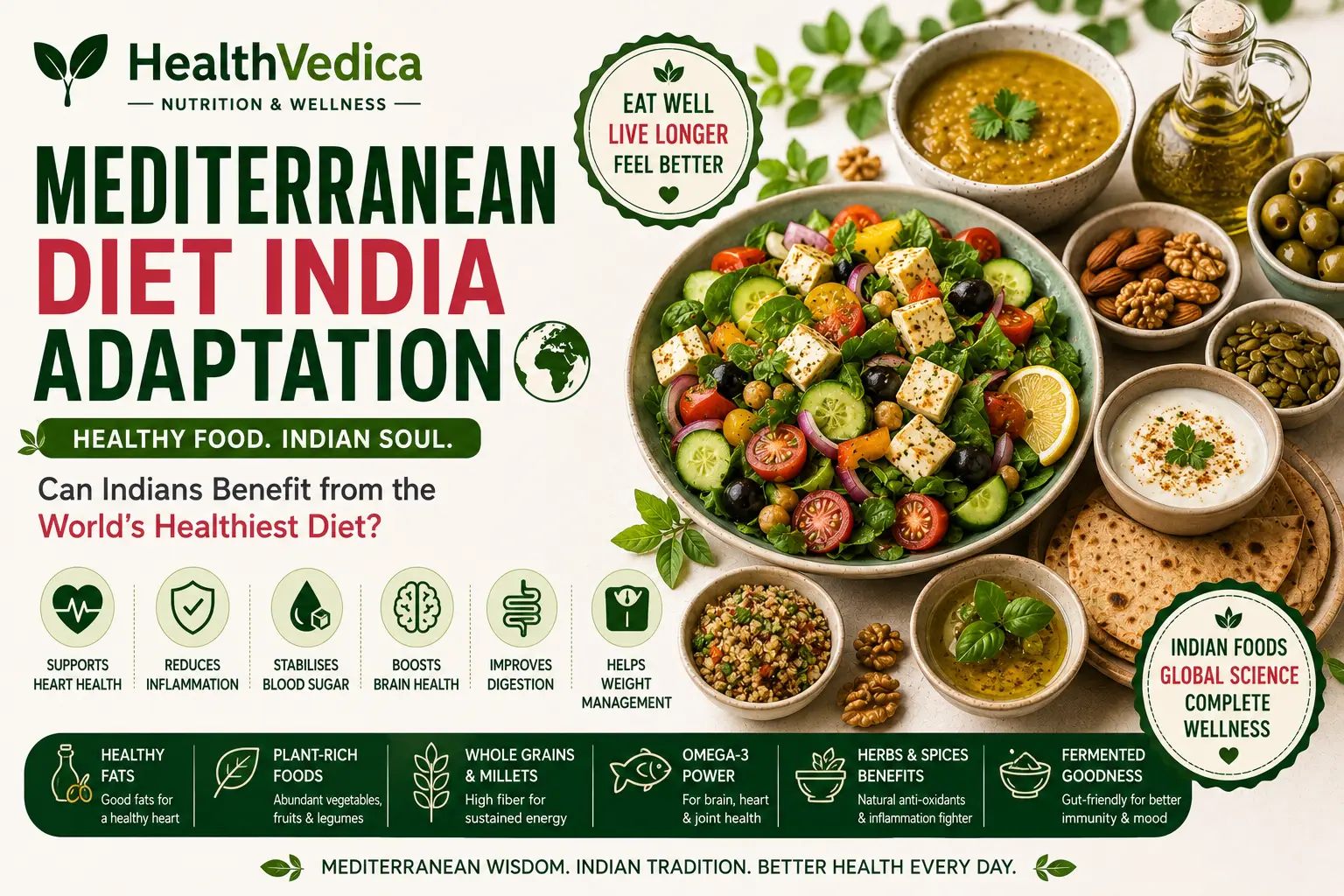
For Indians, the question is: Can we benefit from Mediterranean principles while maintaining our food culture? The answer is a resounding yes β and the adaptation may be simpler than you expect. Traditional Indian cuisine already shares many Mediterranean fundamentals: abundant vegetables and legumes, whole grains, olive oil analogues (mustard oil, groundnut oil), spices with anti-inflammatory properties, fermented dairy, and moderate animal protein. The Mediterranean diet is not a foreign import β it's a framework that traditional Indian eating already partly embodies.
The key insight: Indian cuisine needs to emphasise what it already does well and reduce what diverges β specifically the excess refined carbohydrates (white rice, maida), sugar, seed oils high in omega-6, and salt that have entered modern Indian diets through urbanisation and industrialisation.
π¬ What Makes the Mediterranean Diet Work
Anti-inflammatory phytochemical density: Mediterranean diets are extraordinarily rich in polyphenols β from olive oil, vegetables, legumes, herbs, nuts, red wine, and fruits. These polyphenols collectively reduce NF-kB (master inflammation transcription factor) activity, lower inflammatory cytokines (CRP, IL-6, TNF-alpha), and reduce oxidative stress β addressing the 'inflammaging' mechanism underlying most chronic diseases.
Optimal fatty acid profile: High monounsaturated fat (from olive oil) + moderate omega-3 (from fatty fish and nuts) + low omega-6 and saturated fat = anti-inflammatory fatty acid balance. This is the opposite of modern Indian diets dominated by high-omega-6 refined vegetable oils.
Gut microbiome diversity: High dietary fibre from diverse vegetables, legumes, whole grains, and fruits feeds a broad range of beneficial gut bacteria. Mediterranean diet followers consistently show higher gut microbiome alpha-diversity β associated with lower disease risk across virtually every studied condition.
Glycaemic modulation: Low-GI grains (whole wheat, barley), abundant fibre, and high protein from legumes create slow, stable glucose release β reducing insulin resistance and the inflammatory consequences of blood sugar swings.
Caloric density management: High-volume, high-fibre foods (vegetables, legumes) with moderate caloric density produce satiety at lower caloric intake β naturally supporting healthy weight without counting calories.
π Mediterranean Diet Principles β Indian Food Equivalents
| Mediterranean Element | Mediterranean Source | Indian Equivalent | Notes |
|---|---|---|---|
| Primary fat | Extra virgin olive oil | Kachi Ghani mustard oil / cold-pressed groundnut oil | Comparable omega profiles |
| Legumes daily | Lentils, chickpeas, fava beans | Dal, rajma, chana, moong | India already excellent here |
| Abundant vegetables | Tomatoes, eggplant, peppers, leafy greens | All Indian sabzi β excellent variety | India already excellent |
| Whole grains | Whole wheat, barley, farro | Bajra, jowar, ragi, oats, brown rice | Millets superior to Mediterranean grains |
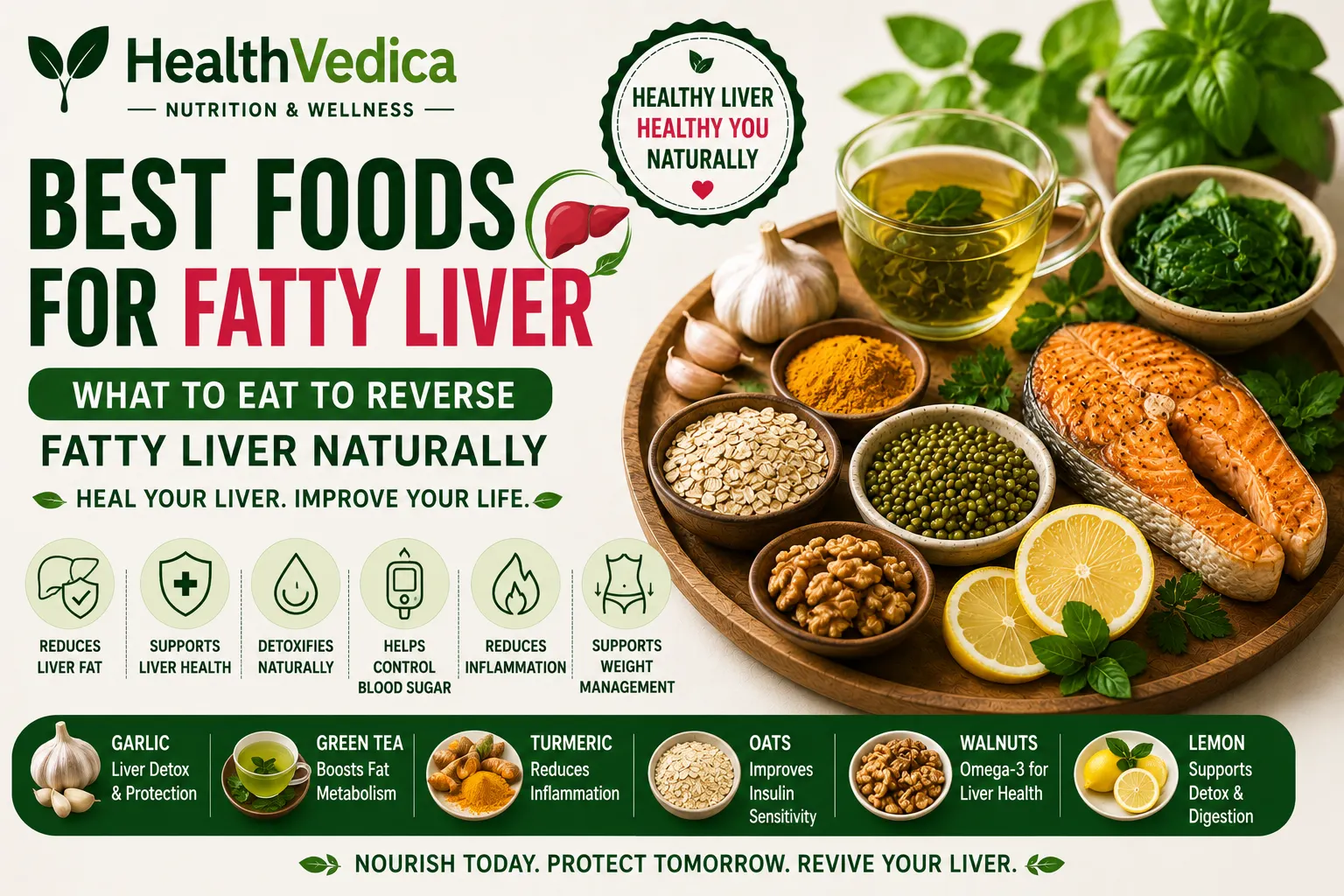
| Nuts daily | Almonds, walnuts, pistachios | Badam, akhrot, pista, groundnuts | Identical; India already uses these |
| Fatty fish 2β3Γ/week | Salmon, sardines, mackerel | Surmai, bangda, hilsa, rohu | Indian fish equally rich in omega-3 |
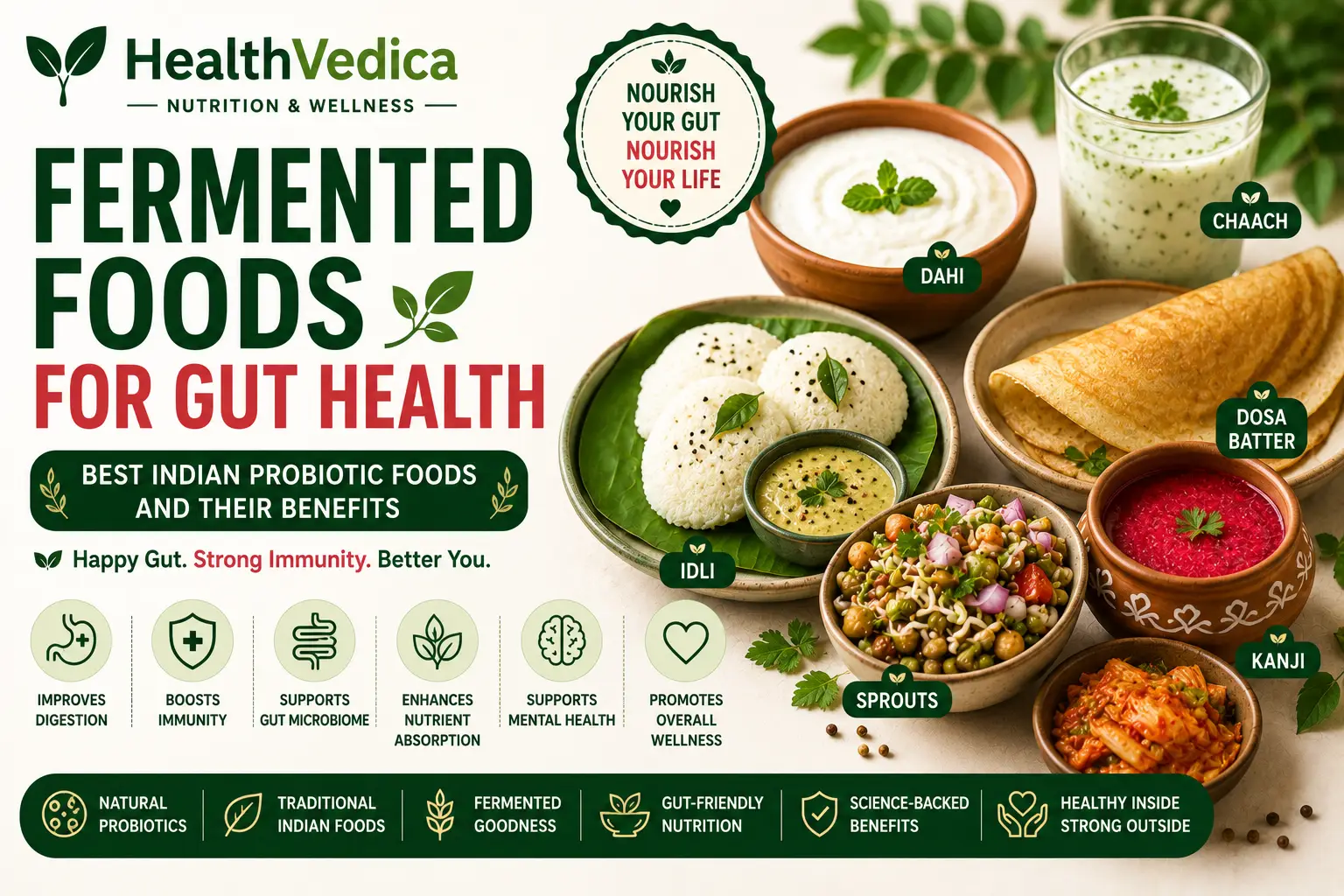
| Fermented dairy | Greek yoghurt, cheese | Dahi, chaach, paneer | India already excellent β dahi superior to most yoghurt |
| Herbs and spices | Oregano, basil, rosemary, thyme | Turmeric, ginger, cumin, coriander, cinnamon | Indian spices MORE anti-inflammatory than Mediterranean herbs |
| Red wine (optional) | Moderate red wine | Pomegranate juice, dark grapes, amla juice | Same polyphenols without alcohol |
| Minimal red meat | Occasional, small portions | Primarily dal-based protein; occasional fish/chicken | India's vegetarianism is an advantage |
β Indian Foods That Outperform Mediterranean Diet Components
1. Turmeric Beats Mediterranean Herbs
Mediterranean cooking herbs β oregano, basil, rosemary β contain polyphenols with anti-inflammatory properties. Turmeric's curcumin is measurably more potent as an NF-kB inhibitor than any Mediterranean herb compound. A traditional Indian meal with generous turmeric provides greater anti-inflammatory polyphenol load than a typical Mediterranean meal without spice. The spice culture of India is a dietary advantage β Indian cooking's reliance on anti-inflammatory spices (turmeric, ginger, cumin, coriander, cinnamon, cardamom) may produce comparable or superior anti-inflammatory effects to Mediterranean polyphenols.
2. Millets Beat Mediterranean Whole Grains
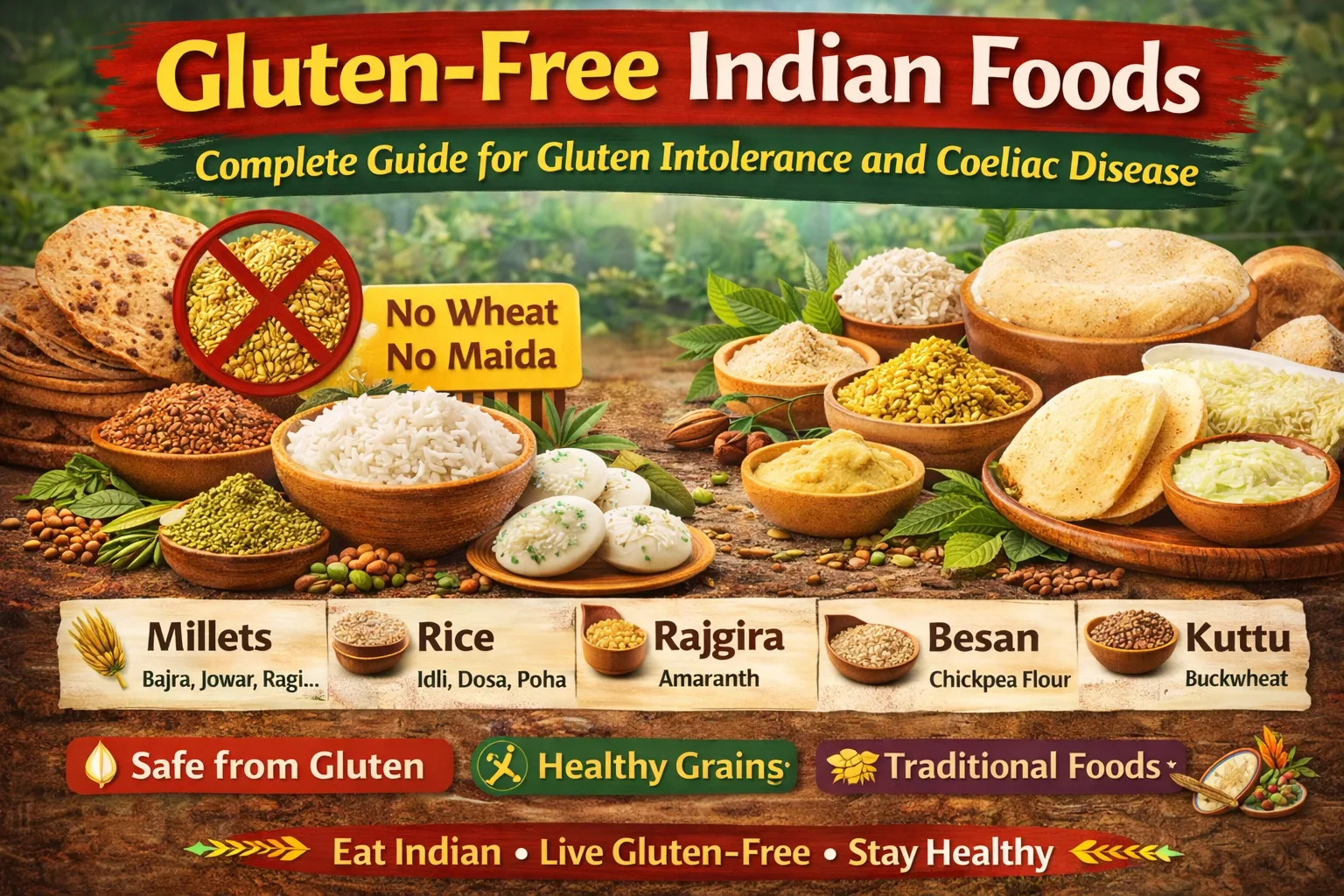
Mediterranean whole grains β wheat, barley, farro β are nutritionally good. Indian millets β bajra, jowar, ragi β are nutritionally superior: lower glycaemic index (49β68 vs 55β72 for most Mediterranean grains), higher mineral content (ragi: 344mg calcium, 3.9mg iron per 100g), naturally gluten-free (significant advantage), and better adapted to India's climate (grown without heavy irrigation). Adopting Mediterranean whole grain principles while using Indian millets represents an optimal adaptation.
3. Dahi Beats Greek Yoghurt
Greek yoghurt β the Mediterranean fermented dairy star β has 10g protein per 100g. Fresh homemade Indian dahi has 3.5β4g protein per 100g but with more diverse probiotic strains (due to traditional starter cultures) and has been part of Indian food culture for 5,000+ years (far longer than recorded Mediterranean yoghurt consumption). The gut microbiome benefits of traditional Indian dahi are equivalent or superior to commercial Greek yoghurt. Hung dahi (strained to remove whey) is India's own equivalent of Greek yoghurt with comparable protein content.
4. Indian Legume Diversity Exceeds Mediterranean
The Mediterranean diet features 4β5 primary legume varieties. Indian cuisine uses 20β30 legume varieties β dal, moong, masoor, chana, rajma, lobiya, urad, toor, chawli, moth, kulthi, and many more. This diversity feeds a far broader range of gut bacteria than any single or limited legume repertoire, producing superior microbiome diversity. The traditional Indian practice of rotating legume varieties through the week is a gut health practice more advanced than most Mediterranean approaches.
πΏ The Indian-Mediterranean Fusion: Combining the Best
Rather than wholesale adopting the Mediterranean diet, Indians benefit most from selectively borrowing specific elements where Indian cuisine has gaps:
Borrow from Mediterranean: The emphasis on olive oil quality (translate to kachi ghani mustard oil rather than refined oils); the practice of daily small amounts of nuts as snacks (almonds, walnuts β Indians already do this but can increase consistency); the regular fatty fish 2β3Γ weekly habit (coastal Indians do this; inland Indians should adopt it); the salad culture (raw vegetable intake with good dressings β Indian cuisine is relatively cooked-vegetable focused; adding daily raw salads increases polyphenol diversity); and the limited red meat principle.
Keep Indian strengths: The unparalleled spice repertoire (far superior to Mediterranean herbs for anti-inflammatory purposes); the legume culture (dal daily is Mediterranean diet's most important principle β already fully Indian); the fermented food tradition (idli, dosa, dahi β superior to typical Mediterranean fermented foods in diversity); and the Ayurvedic principle of seasonal eating and meal timing (circadian-aligned eating is a Mediterranean diet advantage that India's Ayurvedic tradition also prescribes).
π« Where Indian Diet Diverges Negatively from Mediterranean
Excess refined carbohydrates: Mediterranean diets feature whole, minimally processed grains. Modern Indian diets have an excess of white rice, maida (refined wheat), and polished grains stripped of fibre. This divergence is the most significant nutritional disadvantage of modern Indian versus traditional Mediterranean diets.
Cooking oil quality: Mediterranean diets use cold-pressed extra virgin olive oil liberally β with minimal refinement and maximum polyphenol retention. Most modern Indian households use refined vegetable oils (high-omega-6, polyphenol-stripped) that directly contradict Mediterranean fat principles.
Salt excess: Mediterranean diets use herbs and spices for flavour (contributing to health), limiting salt to moderate levels. Indian diets use salt liberally β pickles, papads, packaged foods, and cooking salt combined often exceed 10g daily (2Γ Mediterranean amounts).
π‘ 7-Day Indian-Mediterranean Meal Plan
Core daily principles: Cold-pressed oil in cooking | Dal at every meal | Nuts as daily snack | Fresh vegetables at 50% of plate | No refined flour | Limited sugar | Maximum spice variety
Monday: Breakfast: Dahi + almonds + walnuts + seasonal fruit | Lunch: Rajma + jowar roti + salad (olive/mustard oil dressing) + chaach | Dinner: Grilled surmai + sautΓ©ed greens + 1 roti
Tuesday: Breakfast: Ragi dosa + sambar | Lunch: Dal + bajra roti + kachumber + dahi | Dinner: Palak paneer + roti + soup
Wednesday: Breakfast: Moong dal chilla + amla juice | Lunch: Chole + brown rice + salad | Dinner: Fish curry + sautΓ©ed vegetables
Thursday: Breakfast: Oats + banana + almonds | Lunch: Mixed dal + millet + greens + dahi | Dinner: Dal makhani (light) + jowar roti
Friday: Breakfast: Idli + sambar | Lunch: Rajma + rice (small) + cucumber raita | Dinner: Bangda curry + green salad + roti
Saturday: Breakfast: Daliya + nuts + fruit | Lunch: Khichdi + dahi + papad | Dinner: Grilled chicken or paneer + sabzi + millet roti
Sunday: Breakfast: Besan chilla + chutney | Lunch: Festive dal + rice + multiple sabzi | Dinner: Light soup + 2 roti + salad