⏰ What Is Intermittent Fasting?
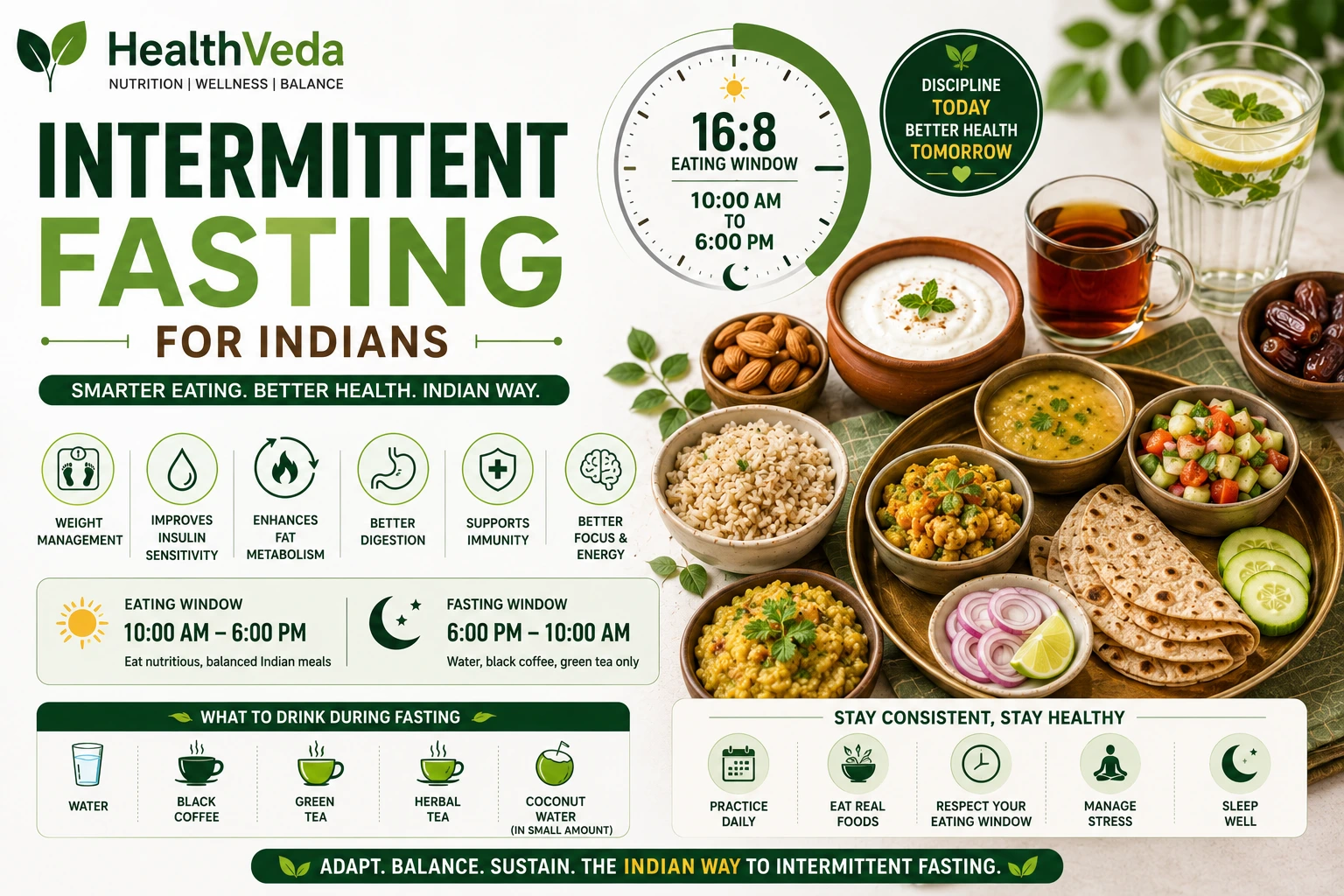
Intermittent fasting (IF) is an eating pattern that alternates periods of eating with periods without food. Time-restricted eating (TRE), such as eating within a daily window, is one common form. It can be useful for some adults because a shorter eating window may make it easier to reduce overall energy intake. It is not a metabolic shortcut, and the quality and quantity of food still matter.
- Start with a realistic overnight gap such as 12 hours rather than jumping straight to 16–20 hours.
- A fasting schedule is not automatically better for weight loss than a sustainable calorie-controlled diet.
- Keep protein, vegetables, pulses, fruit, whole grains and overall nutrition adequate.
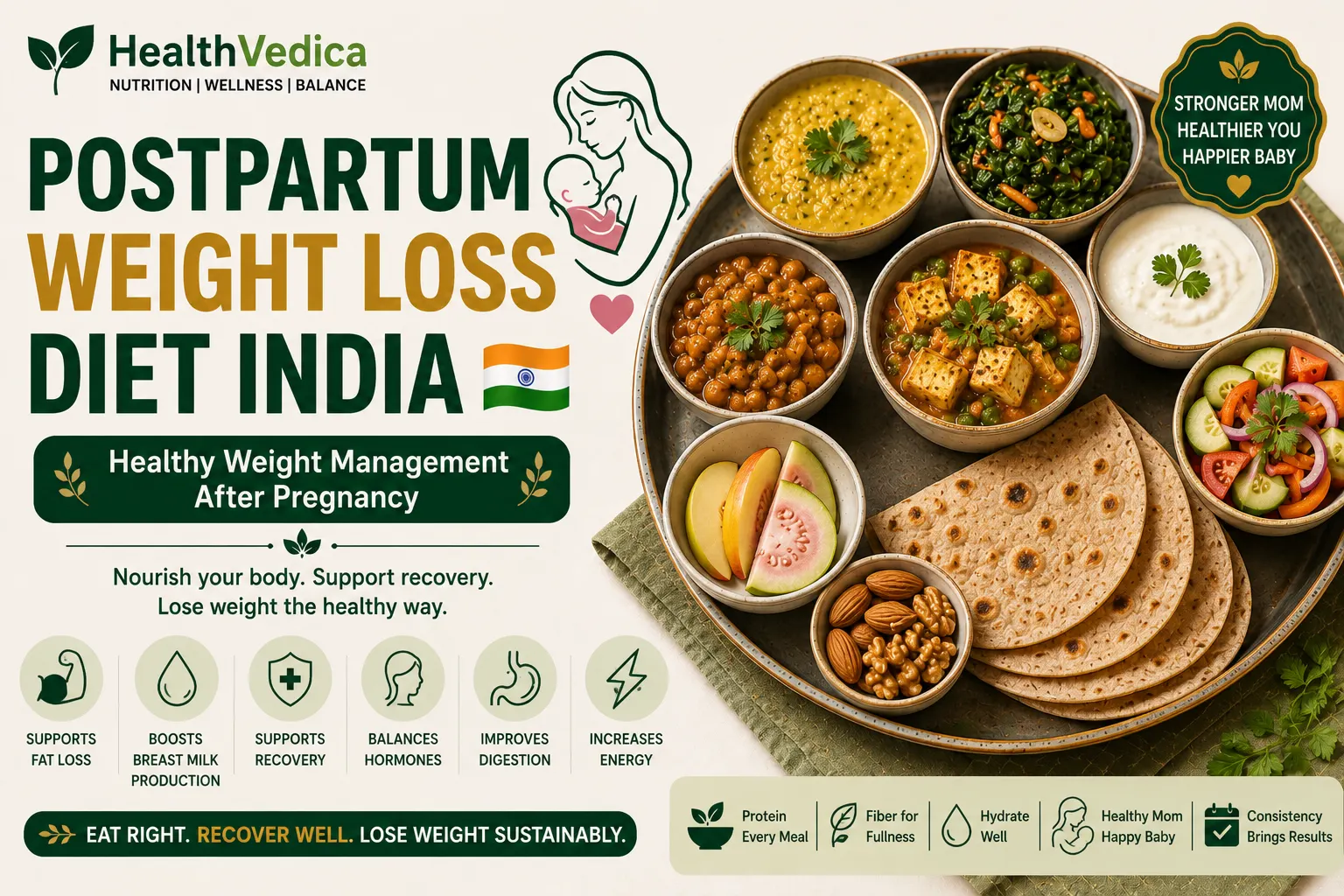
- Pregnancy, breastfeeding, eating disorders, some diabetes treatments and several medical conditions require professional advice before fasting.
📊 Common Fasting Schedules
| Schedule | Example | Practical note |
|---|---|---|
| 12:12 | 7:30 pm–7:30 am | Simple starting point for many people. |
| 14:10 | 7 pm–9 am | A moderate overnight fasting window. |
| 16:8 | 7 pm–11 am | More restrictive; not necessary for everyone. |
| 5:2 | Five usual days + two reduced-energy days | More complicated and may be harder to sustain. |
| OMAD | One meal per day | Highly restrictive; not required for typical health goals. |
☕ What Can You Have During the Fasting Window?
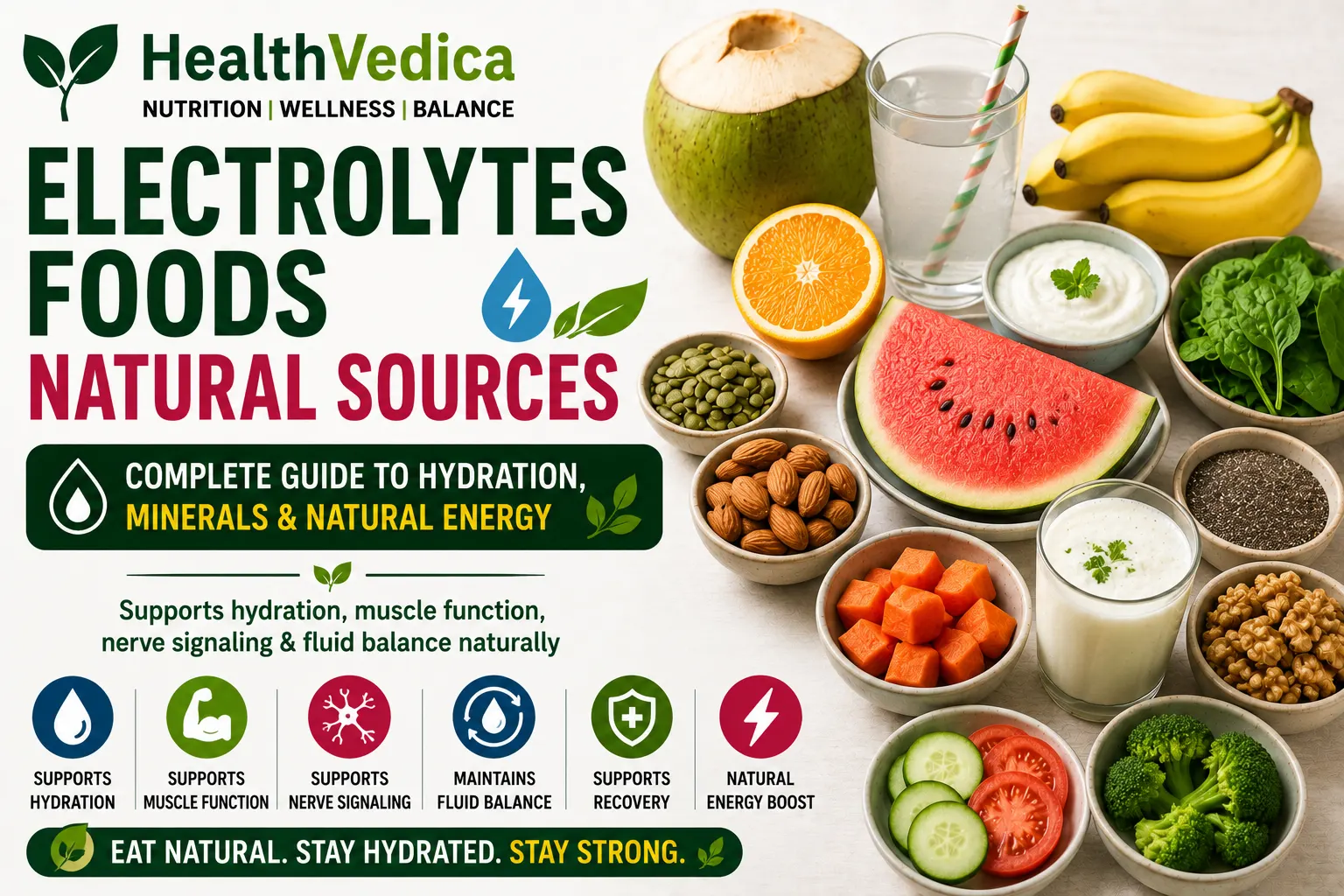
Water is the simplest choice. Plain tea or coffee without milk or sugar is commonly used during a fasting period. Adding milk, sugar, juice or other caloric ingredients means you are consuming calories, so it is more accurate to call that part of the eating period. Coconut water also contains carbohydrate and calories and should not be described as a zero-calorie fasting drink.
🍛 What Should Indians Eat During the Eating Window?
Do not turn the eating window into a festival. Build meals using the same principles as a balanced Indian diet: vegetables and fruit, pulses or other protein foods, whole grains or millets, nuts/seeds, and appropriate dairy or alternatives. ICMR-NIN’s 2024 guidance emphasizes dietary diversity and whole/minimally processed foods.
🥗 Two Practical Ways to Break a Fast
- Option 1: curd + fruit + a small serving of nuts, followed later by dal/vegetables and whole grains.
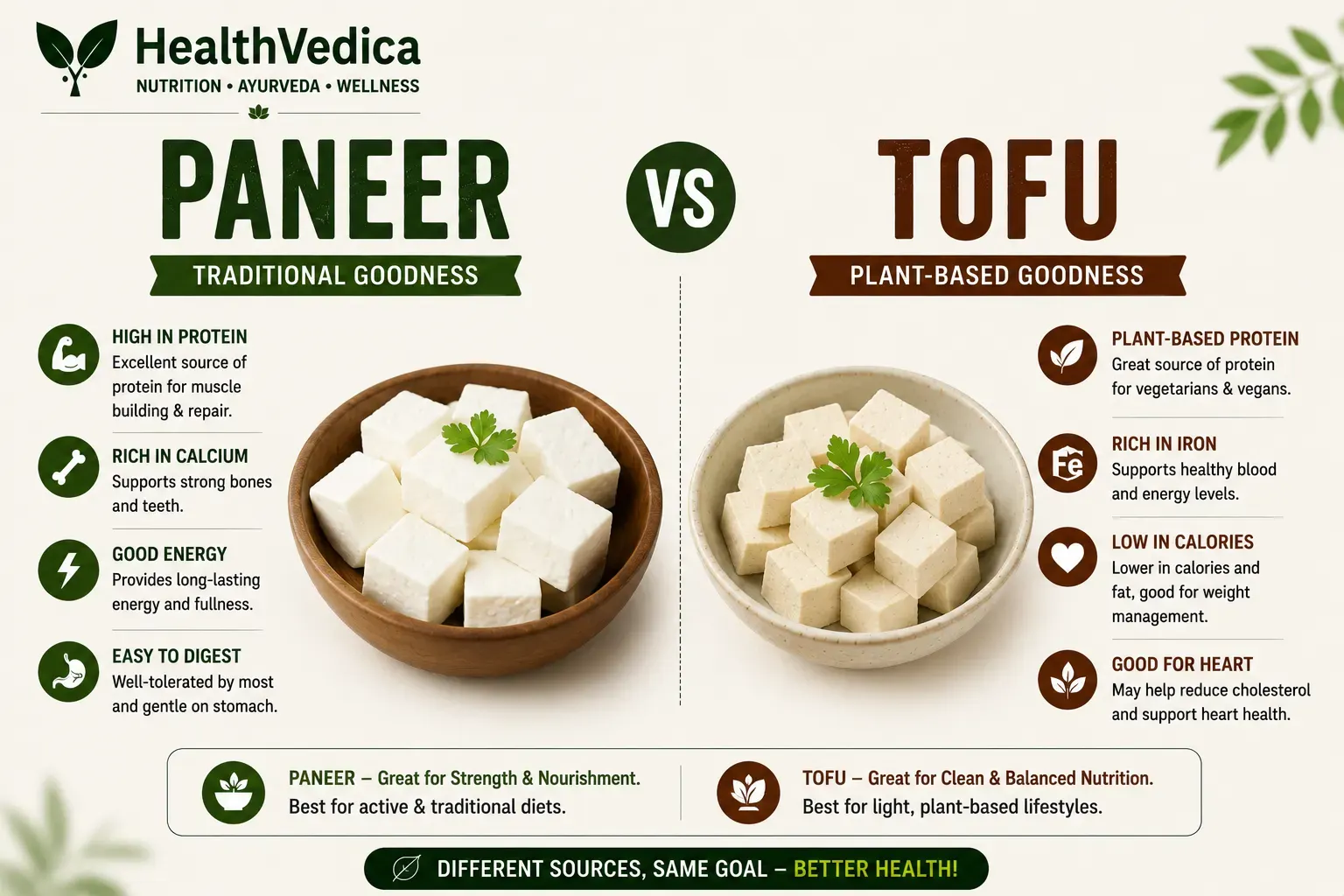
- Option 2: eggs or paneer/tofu + vegetables + a whole-grain or millet meal.
🌅 Meal Timing: Earlier Can Be Easier to Align With Daily Routines
Research on time-restricted eating suggests that meal timing may matter, but evidence is still evolving and results vary. If an early eating window works for your family and work schedule, it can be practical. There is no need to force an extreme schedule simply because it sounds more “metabolic”.
🚫 Common Indian IF Mistakes
- Skipping food all morning and then overeating fried snacks, sweets or oversized meals.
- Treating chai with milk and sugar as a fasting drink.
- Using fasting to compensate for a consistently poor diet.
- Ignoring protein, fibre or micronutrient needs.
- Pushing through dizziness, fainting, recurrent headaches or other concerning symptoms.
⚠️ Who Should Not Start IF Without Medical Advice?
People who are pregnant or breastfeeding, children and adolescents, people with a history of eating disorders, people who are underweight, and people using glucose-lowering medicines should seek individualized advice. Diabetes, kidney disease and other chronic conditions can require medication or meal-timing adjustments.
🍽️ Example 14:10 Indian Day
9 am: vegetable omelette or moong chilla + fruit. 1 pm: dal/rajma + vegetables + roti or millet + curd. 4:30 pm: fruit + nuts. 6:30 pm: paneer/tofu/fish/chicken + vegetables + a modest whole-grain portion. Water and unsweetened tea between meals if desired.