🌸 PCOS Diet Plan India: What to Eat, What to Limit & What Actually Helps
PCOS is often presented online as a battle against one “bad food.” The evidence is more practical: there is no single PCOS diet that works for every woman. The current international guideline supports sustainable healthy eating tailored to individual preferences, culture, metabolic health and goals. It does not support one specific macronutrient split as universally superior. [1]
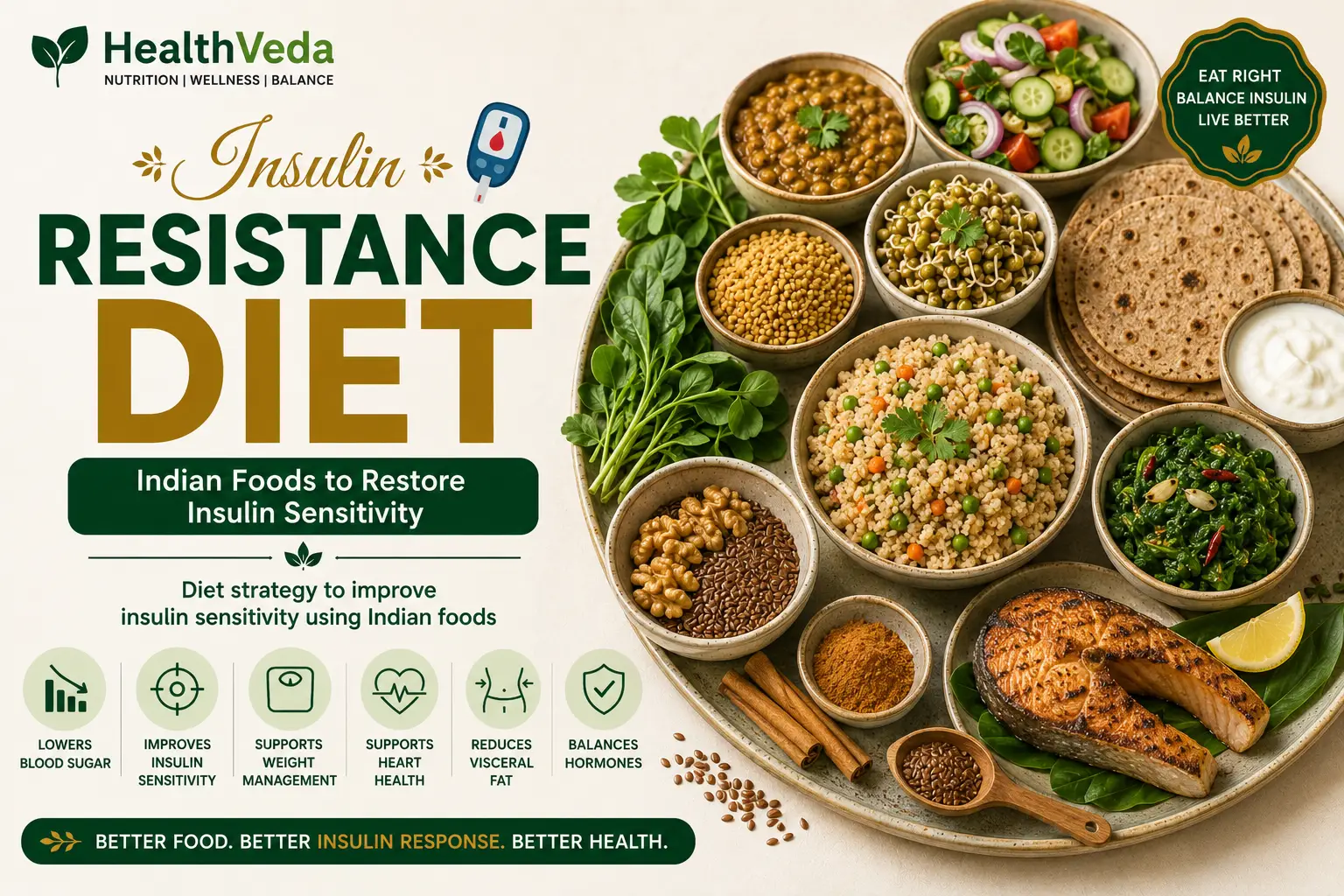
That is good news for Indian families because a PCOS-supportive pattern can be built from familiar foods: dal, chana, vegetables, fruit, curd, eggs, fish, nuts, seeds, whole grains and millets. The bigger opportunity is reducing the everyday pattern of refined flour, sugary drinks, frequent sweets, ultra-processed snacks and large portions of refined carbohydrates.
🧠 Why PCOS Diet Advice Gets Confusing
PCOS can involve irregular ovulation, androgen excess, insulin resistance, weight changes, sleep problems and psychological symptoms. Not every woman has every feature. That is why a diet that works for one person may not be the right fit for another.
Do not assume that every irregular period is PCOS and do not use diet as a substitute for diagnosis. A clinician may assess symptoms, menstrual pattern, blood pressure, glucose metabolism, lipids and other causes as appropriate.
🥗 The Indian PCOS Plate
| Plate Area | Choose More Often | Why |
|---|---|---|
| Vegetables | Leafy greens, gourds, beans, cauliflower, cabbage, capsicum, tomato, carrot | Fibre, micronutrients and dietary variety |
| Protein | Dal, chana, rajma, eggs, curd, paneer, tofu, fish, chicken | Helps meals stay satisfying and supports nutritional adequacy |
| High-fibre carbs | Whole grains, oats, millets, beans, brown/less-refined rice where preferred | Improves the overall carbohydrate quality of the meal |
| Healthy fats | Nuts, seeds, groundnut, mustard or other unsaturated plant oils | Supports a heart-healthy eating pattern |
ICMR-NIN’s “My Plate for the Day” also emphasises dietary diversity and a large contribution from vegetables and fruits, alongside cereals/millets, pulses, nuts and oils. This is a stronger foundation than a rigid influencer-style PCOS menu. [2]
✅ Best Indian Foods for PCOS
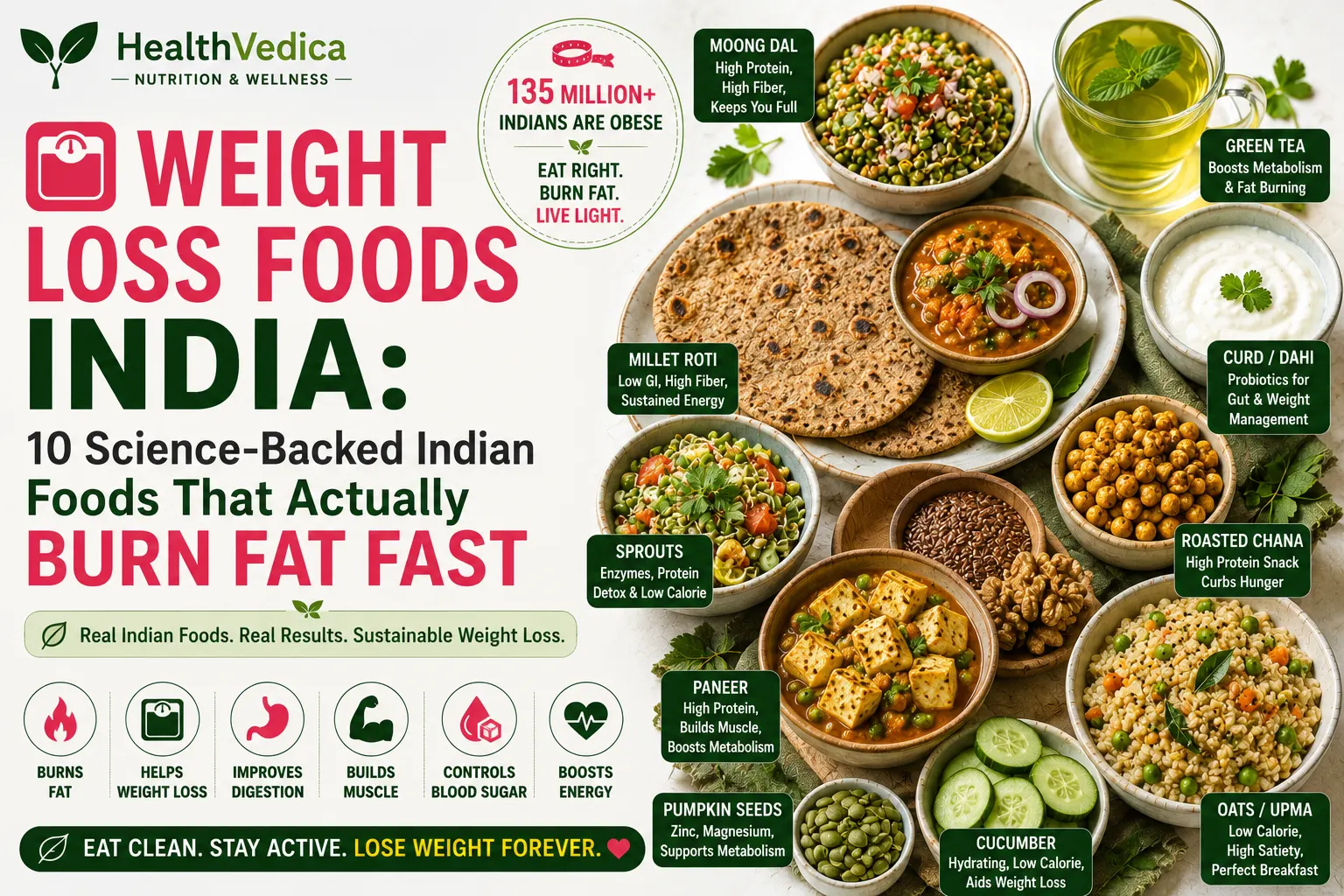
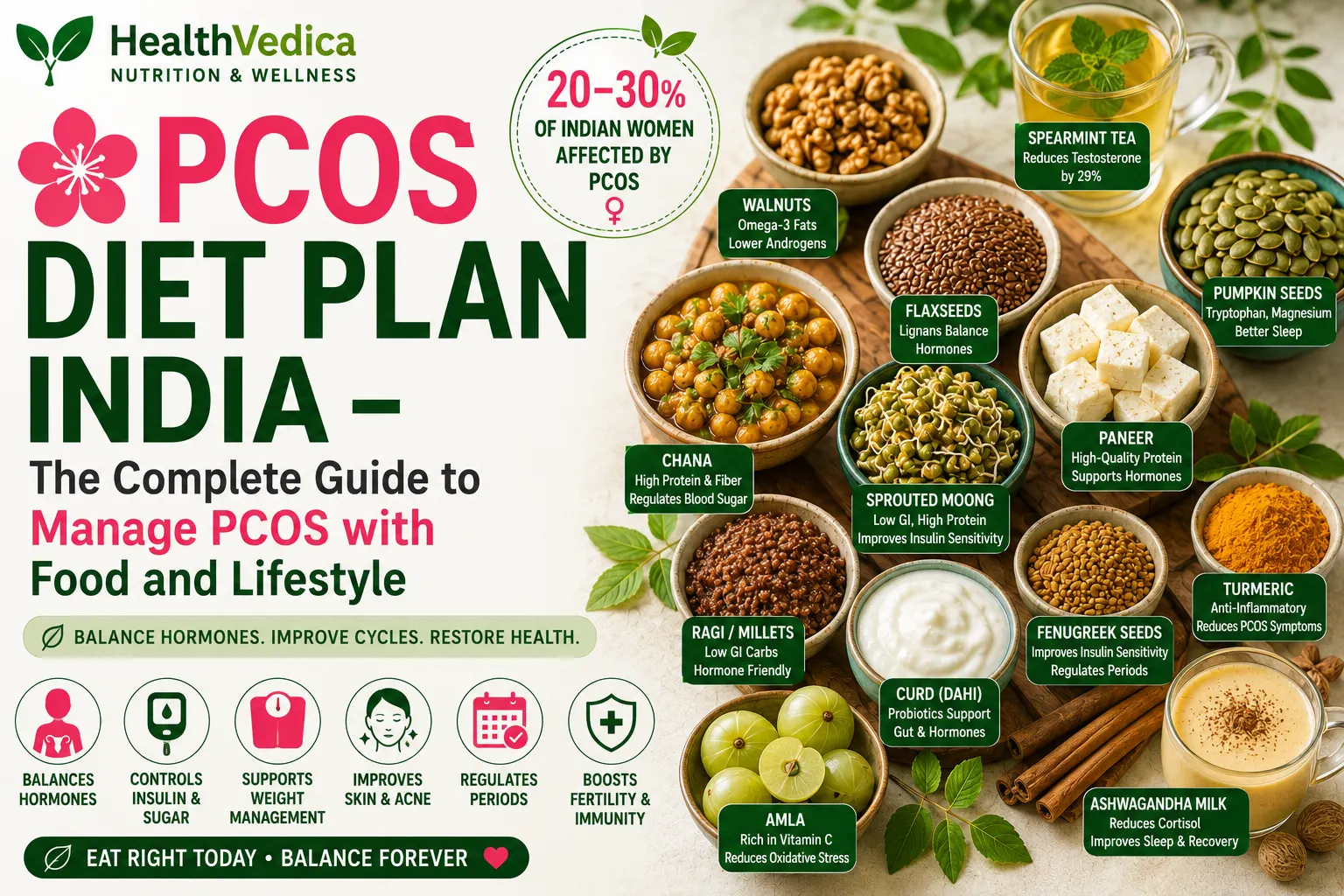
1. Pulses and legumes: moong, masoor, chana and rajma provide fibre, protein and micronutrients. Combine them with vegetables rather than eating large portions of refined carbs alone.
2. Leafy greens and vegetables: useful for folate, magnesium, potassium, carotenoids and fibre. Rotate varieties instead of obsessing over one “hormone-balancing” vegetable.
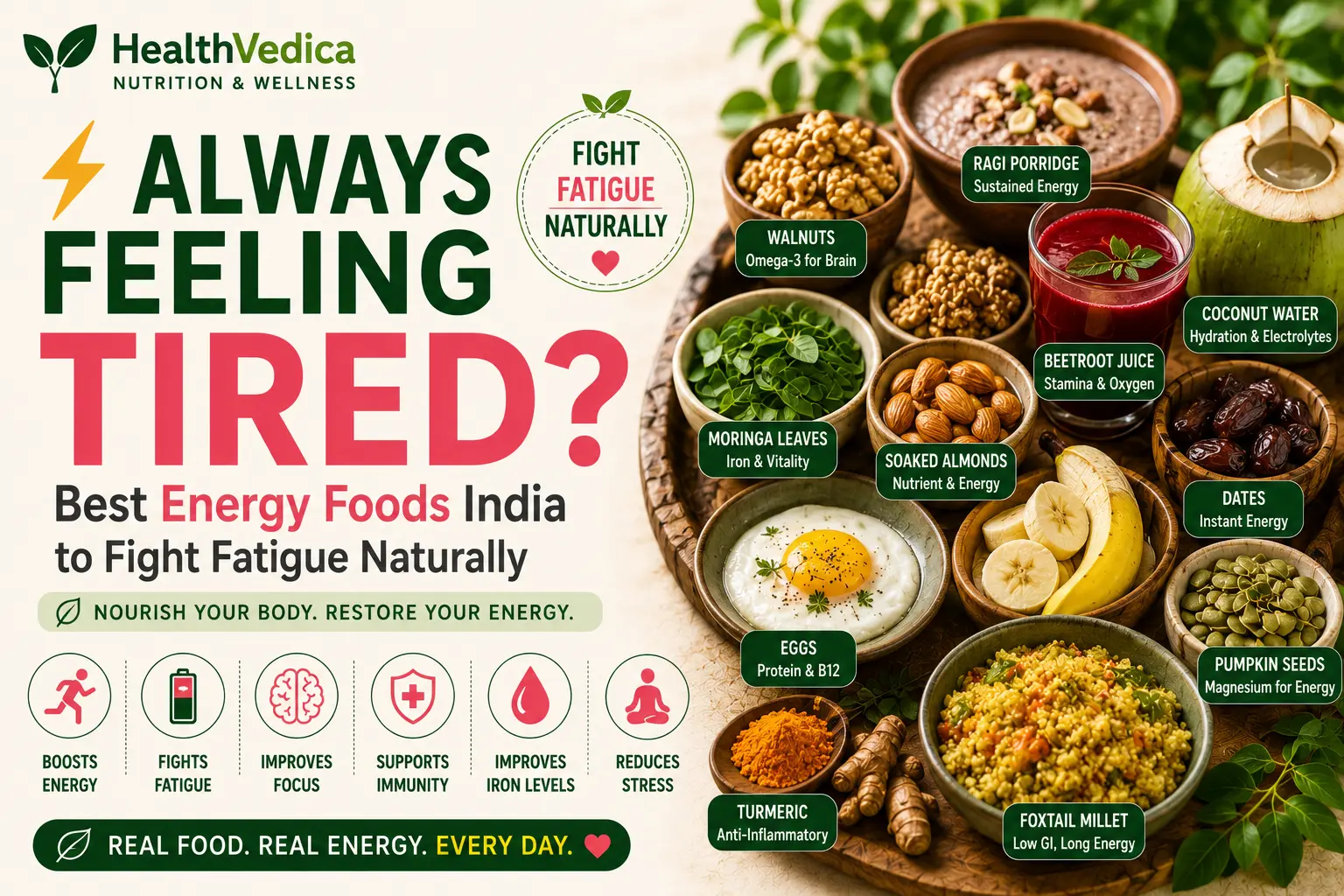
3. Whole grains and millets: jowar, bajra, ragi and other minimally processed grains can fit well, but millets are not magic foods. Portion size and the rest of the meal still matter.
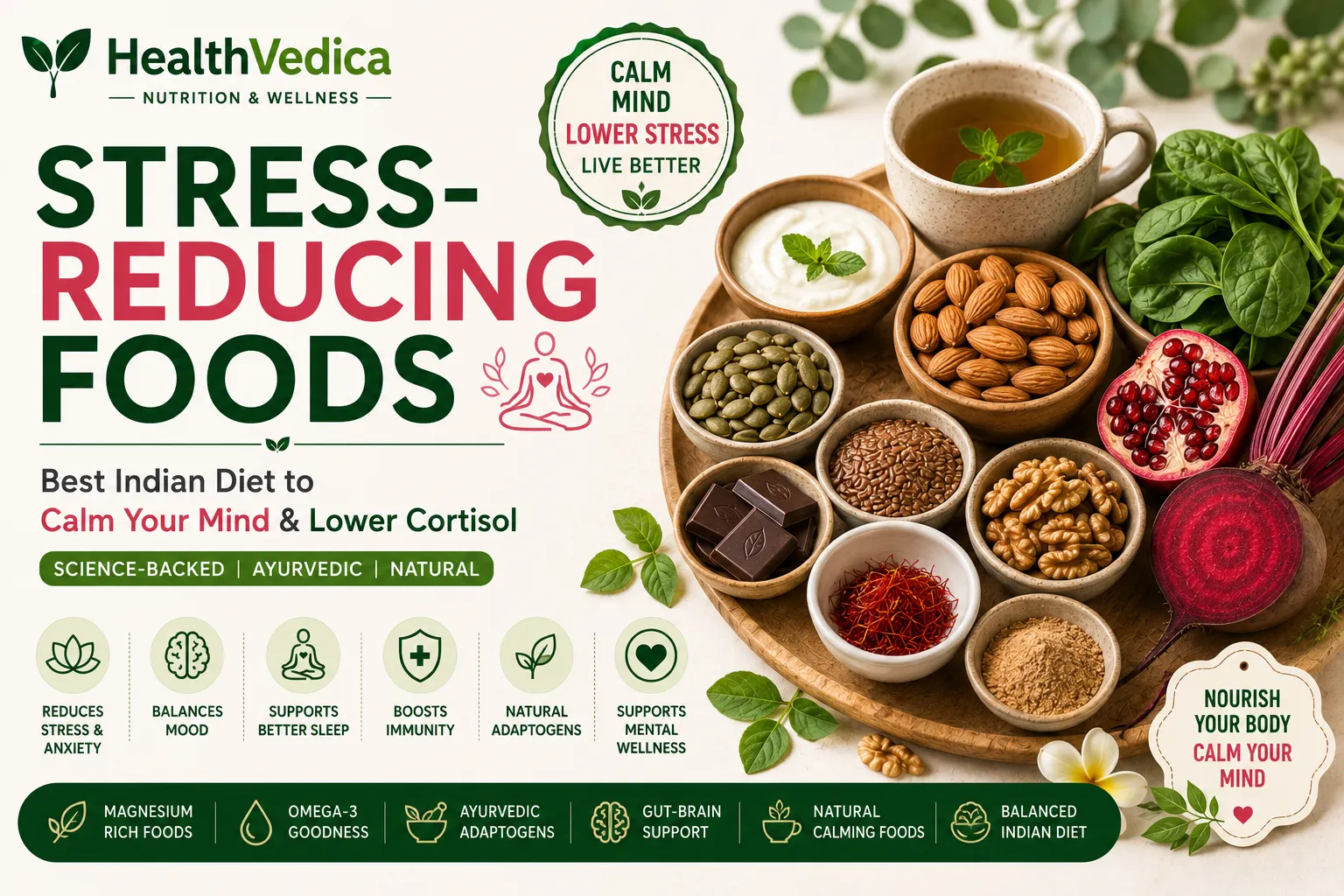
4. Nuts and seeds: walnuts, flaxseed, pumpkin seeds and other nuts add unsaturated fats, fibre and minerals. Use normal food portions.
5. Plain curd and other protein-rich foods: useful when tolerated. There is no need to eliminate dairy universally for PCOS.
6. Whole fruit: fruit can absolutely fit into a PCOS diet. Whole fruit provides fibre and is usually preferable to fruit juice.
🍵 What About Spearmint Tea, Cinnamon & Methi?
Spearmint tea: small clinical studies have explored anti-androgen effects, but the evidence is not strong enough to use it as a replacement for medical treatment of PCOS or hirsutism. Treat it as an optional beverage, not a therapy guarantee.
Cinnamon: research has examined insulin sensitivity and cycle-related outcomes, but results are mixed and cinnamon should not be marketed as a cure. Culinary amounts are reasonable for most people.
Fenugreek (methi): a traditional food with fibre and plant compounds. Evidence for specific PCOS outcomes is still developing; use it as part of food, not a substitute for diabetes or PCOS care.
🚫 Foods to Limit — Without Creating Fear
| Food Pattern | Why Limit It | Practical Indian Swap |
|---|---|---|
| Frequent sugary chai, sweets, soft drinks | Raises free-sugar intake and can make overall calorie balance harder | Reduce sugar gradually; choose unsweetened drinks more often |
| Large portions of refined flour foods | Low fibre and easy to overeat | Whole-wheat, millet or mixed-grain options where preferred |
| Ultra-processed snacks | Often high in energy, salt, sugar and/or saturated fat | Fruit, nuts, roasted chana, curd or home-cooked snacks |
| Very restrictive diets | Can be difficult to sustain and nutritionally unbalanced | Flexible, culturally familiar meals |
Do not automatically ban rice, dairy, gluten, potatoes or soy. Unless a clinician identifies a specific intolerance or medical reason, the goal is a sustainable overall dietary pattern, not an ever-growing list of forbidden foods.
🏃 Exercise, Sleep & Weight Management Are Part of the Treatment
International guidance places lifestyle management at the centre of PCOS care. Physical activity can improve cardiometabolic health even when the scale changes little. For people who are above their healthy weight, modest weight loss may improve metabolic and reproductive outcomes, but healthy lifestyle benefits are not dependent on weight loss alone. [1]
A realistic target is regular activity you can maintain: brisk walking, cycling, swimming, strength training or a mix. Sleep quality and mental wellbeing also deserve attention rather than being treated as optional extras.
🌿 Ayurveda & PCOS
Ayurveda offers dietary and herbal traditions that many Indian patients use alongside modern care. Ministry of AYUSH resources support the documentation and monitoring of traditional medicines, while pharmacovigilance exists because safety and product quality matter. [3]
Herbs such as Shatavari or Ashwagandha can be discussed as complementary traditional options when appropriate, but evidence is not strong enough to say that they “fix insulin resistance,” “reverse PCOS,” or replace medication. This distinction protects both patient trust and the credibility of your website.
🧪 Tests & Follow-Up: What Matters?
There is no universal “PCOS hormone panel” that everyone needs every six months. Assessment depends on symptoms and treatment. Depending on the clinical situation, doctors may evaluate glucose metabolism, lipids, blood pressure, androgen status, thyroid function or other causes of irregular cycles. Use the tests that answer a clinical question rather than ordering every hormone available.
📅 7-Day Indian Meal Pattern
| Day | Breakfast | Lunch | Dinner |
|---|---|---|---|
| Mon | Vegetable omelette + fruit | Dal + sabzi + roti + curd | Jowar roti + paneer/egg bhurji + vegetables |
| Tue | Moong chilla + curd | Rajma + rice + salad | Fish/chicken or tofu + vegetables + roti |
| Wed | Oats + nuts + fruit | Chana + sabzi + roti | Khichdi with extra vegetables + curd |
| Thu | Ragi dosa + sambar | Dal + vegetable curry + millet | Paneer/tofu + mixed vegetables + roti |
| Fri | Poha with vegetables + boiled egg/curd | Masoor dal + sabzi + rice/roti | Chicken/fish or dal + greens + roti |
| Sat | Besan chilla + fruit | Chole + salad + roti | Vegetable soup + protein-rich main dish |
| Sun | Idli + sambar + egg/curd | Home-cooked family meal using the plate method | Light dal + vegetables + roti |
📚 Sources & Editorial Note
This page follows the international PCOS guideline’s emphasis on sustainable healthy eating rather than a single “best” macro diet, and uses ICMR-NIN food-group and dietary-diversity guidance for the Indian context. Ayurveda is described as complementary traditional practice, not as a substitute for evidence-based PCOS treatment.