blogs

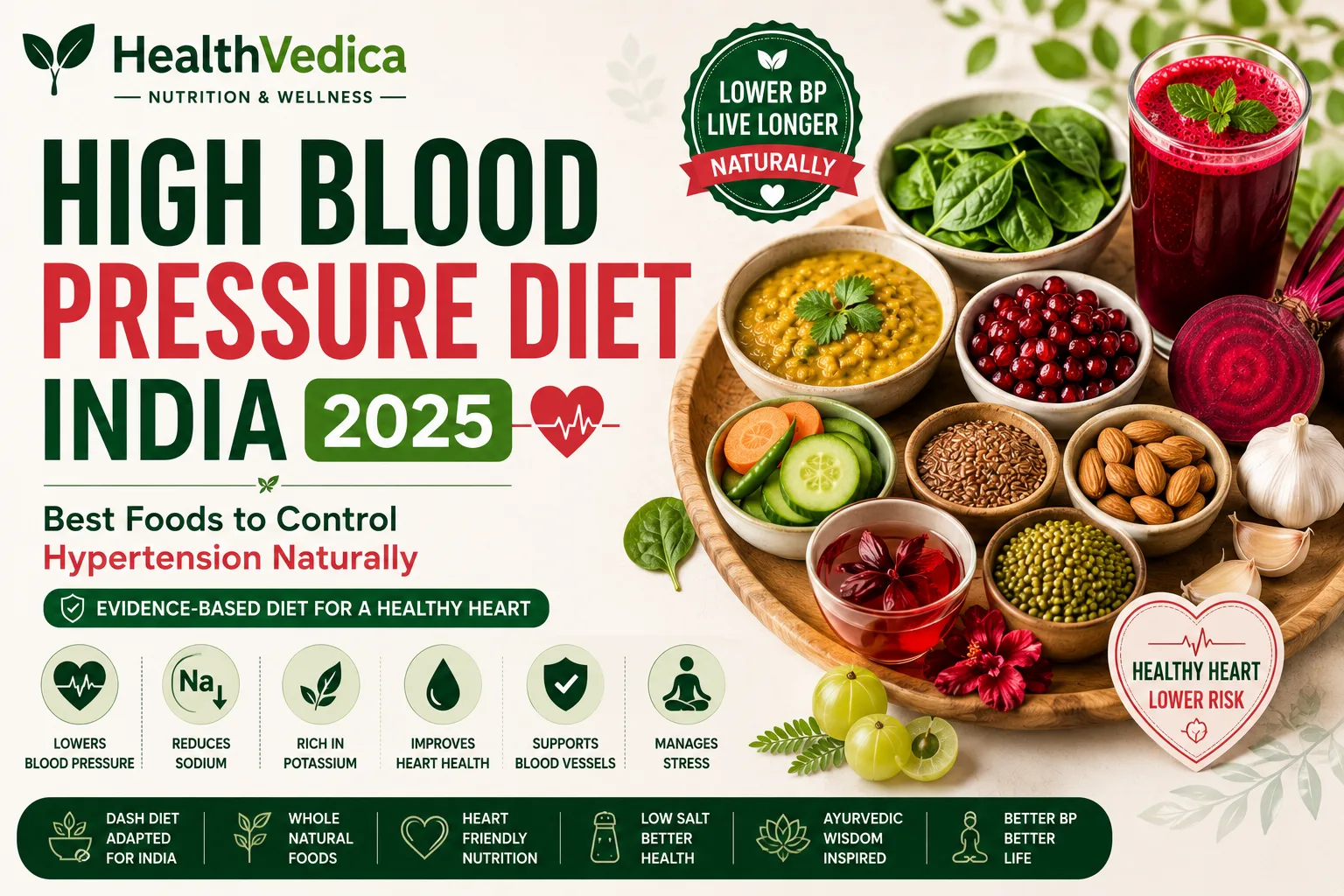
High Blood Pressure Diet India πŸ’Š – Best Foods to Control Hypertension Naturally

Last updated:
🌿 Evidence-based diet guide for hypertension management in Indians
Best Diet for High Blood Pressure in India β€” Nutrition, Health Benefits & Remedies
High Blood Pressure Diet India: Best Foods to Control Hypertension | Health Vedica
⚠️ Medical Disclaimer: This content is for informational purposes only and does not constitute medical advice. Always consult a qualified healthcare professional for diagnosis and treatment.

πŸ’Š India's Hypertension Epidemic

Hypertension (high blood pressure) is India's most prevalent chronic disease, affecting 200 million Indians β€” approximately 30% of adults. Even more alarming: over 50% of hypertensive Indians are undiagnosed, and among those diagnosed, fewer than 15% have adequate blood pressure control. Hypertension is the leading risk factor for stroke, heart attack, heart failure, and kidney disease β€” collectively India's number one cause of mortality.

The Indian diet has specific hypertension risk factors: extraordinarily high salt intake (average 10–12g daily vs WHO recommendation of 5g), low potassium from inadequate vegetable and fruit consumption, high refined carbohydrate intake, and excess saturated fat β€” all well-established BP-raising factors. Yet the same food culture contains powerful BP-lowering tools: beetroot (nitrates), hibiscus (ACE inhibitor activity), garlic , amla , and the entire DASH (Dietary Approaches to Stop Hypertension) diet pattern which maps remarkably well onto traditional Indian cuisine.

The science is unambiguous: dietary changes alone can reduce systolic blood pressure by 10–15 mmHg β€” equivalent to one blood pressure medication for most patients. For borderline hypertensives, diet may be sufficient to avoid medications. For those already on medications, dietary optimisation often allows dose reduction under physician supervision.

πŸ”¬ Blood Pressure Physiology and Dietary Targets

Sodium-Potassium Balance: Sodium promotes sodium retention β†’ blood volume increases β†’ BP rises. Potassium competes with sodium for renal reabsorption β€” high potassium increases sodium excretion and vasodilates blood vessels. The optimal sodium:potassium ratio is below 1:2 (potassium should be double sodium intake). Most Indians have a severely inverted ratio β€” high sodium, low potassium.

Nitric Oxide (NO) production: Dietary nitrates (from beetroot, leafy greens, pomegranate) are converted to NO in the body. NO dilates blood vessels (vasodilation), directly reducing blood pressure. L-arginine (from dal, paneer) is also a NO precursor. This is a distinct mechanism from renin-angiotensin system targeted by medications.

RAAS inhibition: The renin-angiotensin-aldosterone system (RAAS) is the primary hormonal BP regulator. Garlic's allicin inhibits ACE (angiotensin-converting enzyme) β€” the same enzyme targeted by ACE inhibitor medications like ramipril. Hibiscus (Hibiscus sabdariffa / China Rose) has also demonstrated ACE inhibitor activity in clinical trials.

Calcium, Magnesium, and Potassium: These three minerals collectively promote vascular smooth muscle relaxation and BP reduction. The DASH diet β€” the world's most evidence-based dietary BP intervention β€” is rich in all three.

πŸ“Š The DASH Diet Adapted for Indians

Food CategoryDASH RecommendationBest Indian OptionsDaily Servings
Vegetables4–5 servings/dayAll sabzi, salad, soups4–5 cups
Fruits4–5 servings/day Banana, pomegranate, amla, guava4–5 pieces
Whole Grains6–8 servings/dayMillets, brown rice , oats 6–8 small portions
Low-fat Dairy2–3 servings/dayLow-fat dahi, toned milk, paneer2–3 cups/servings
Legumes/Dal4–5 per weekAll dal varieties, rajma, chana4–5Γ—/week
Nuts/Seeds4–5 per week Almonds, walnuts, flaxseeds Small handful 4–5Γ—/week
SodiumBelow 2300mg/day (ideally 1500mg)Reduce salt in cooking drasticallyMax 1 tsp total salt
Red MeatBelow 2 servings/weekLimit; prefer fish and dalMax 2Γ—/week

βœ… Best Indian Foods to Lower Blood Pressure

1. Beetroot (Chukandar) β€” BP's Most Powerful Food
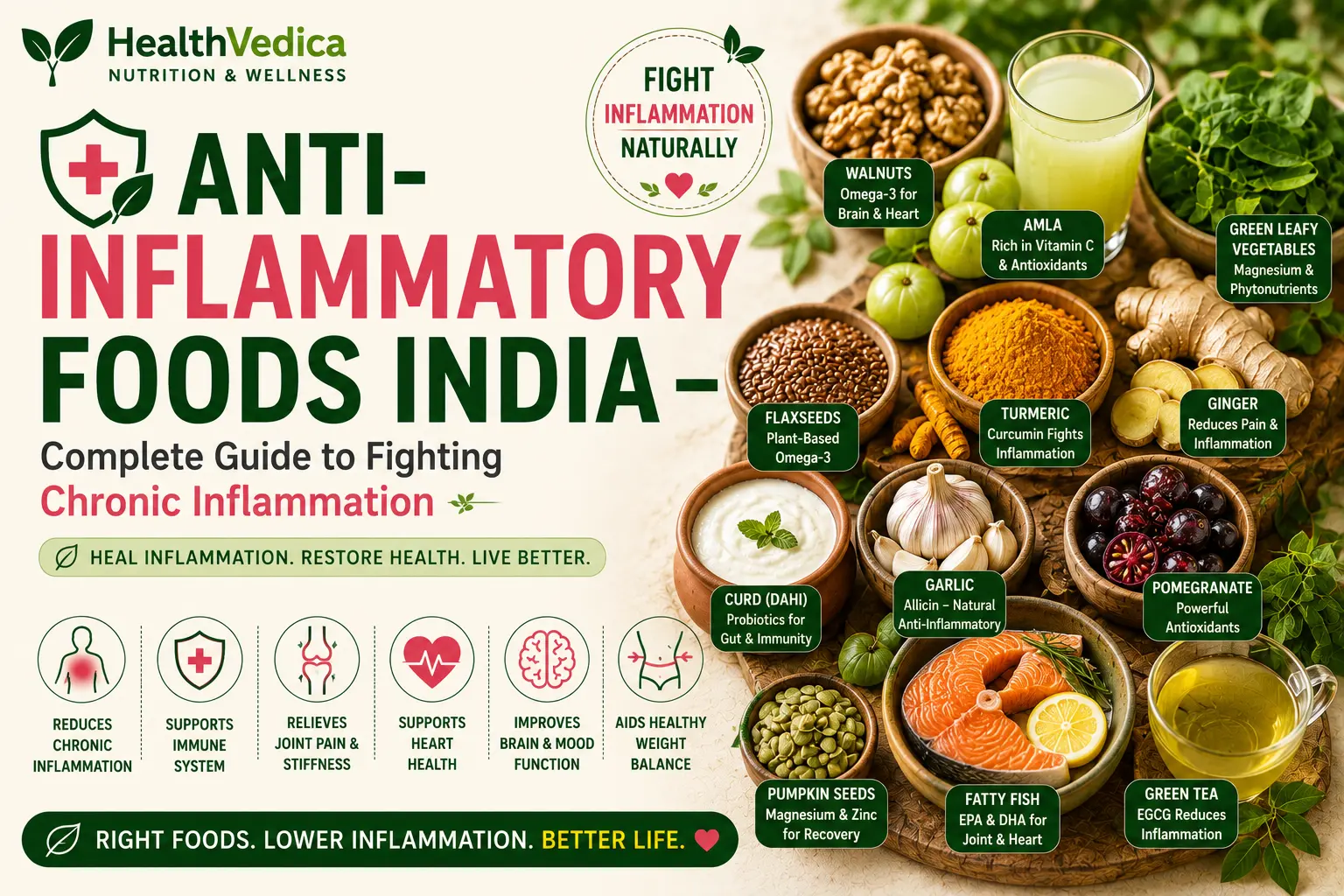
Beetroot contains the highest dietary nitrate content of any common vegetable. These nitrates convert to nitric oxide in the body, directly dilating blood vessels. Multiple RCTs show 500ml beetroot juice (or equivalent beetroot) reduces systolic BP by 4–10 mmHg within 2–3 hours β€” effects lasting 24 hours with daily consumption. For hypertension management, 200–250ml fresh beetroot juice daily or 150–200g cooked beetroot is therapeutic. Fresh beetroot juice (with amla and ginger) is both effective and culturally palatable for Indians. Beetroot sabzi with dal is an excellent daily meal option.

2. Garlic (Lahsun) β€” The ACE Inhibitor in Your Kitchen
Raw garlic's allicin inhibits ACE (angiotensin-converting enzyme) β€” reducing angiotensin II (vasoconstrictor) production in a manner similar to ACE inhibitor medications. A Cochrane review of 12 clinical trials found garlic supplementation reduces systolic BP by 8.7 mmHg and diastolic by 6.1 mmHg β€” clinically significant effects. Two to four raw cloves daily, crushed and left for 10 minutes (allows allicin formation), then consumed raw or minimally cooked, provide therapeutic doses. Add crushed garlic to dal after cooking for maximum allicin preservation.

3. Banana (Kela) β€” Potassium for BP
Bananas provide 422mg potassium per medium banana β€” one of the highest potassium foods accessible to all Indians. Potassium increases urinary sodium excretion, relaxes blood vessel walls, and directly counterbalances sodium's BP-raising effect. Eating 2–3 bananas daily as part of a high-potassium diet significantly reduces BP over 4–6 weeks. Other potassium-rich Indian foods: coconut water (250mg/240ml), sweet potato (542mg/100g), spinach (558mg/100g), and all dal varieties.

4. Hibiscus Tea (Gudhal / China Rose)
Hibiscus sabdariffa tea is one of the most evidence-based natural treatments for hypertension. Active compounds (anthocyanins, quercetin derivatives) inhibit ACE, act as vasodilators, and have diuretic effects. A 2010 study in Journal of Nutrition found daily hibiscus tea reduces systolic BP by 7 mmHg in pre- and mild hypertensives β€” effects comparable to some medications. Hibiscus flowers are widely available in India (known as Gudhal). Brew 3–5 dried hibiscus flowers in hot water for 10 minutes; drink 2 cups daily. Can be sweetened with a drop of stevia.

5. Amla (Indian Gooseberry)
Amla lowers BP through multiple mechanisms: ACE inhibitory activity, antioxidant protection of blood vessel endothelium, calcium channel blocking effects, and improvement in NO production. Indian clinical studies specifically show Amla extract reduces systolic BP significantly in hypertensive patients. Its extraordinary vitamin C content also reduces arterial stiffness β€” a major contributor to systolic hypertension in older Indians. Eat 1–2 fresh amla daily or take 500mg amla extract.

6. Flaxseeds (Alsi) β€” BP Through Multiple Pathways
Ground flaxseeds contain ALA omega-3, lignans, and soluble fibre β€” all contributing to BP reduction. A landmark 6-month RCT in Hypertension journal found 30g ground flaxseeds daily reduced systolic BP by 10 mmHg and diastolic by 7 mmHg in hypertensive patients β€” one of the largest dietary BP reductions ever recorded. The combination of omega-3 (anti-inflammatory vascular effects), lignans (antioxidant, ACE inhibitory), and fibre (reduces BP through improved insulin sensitivity) creates a powerful multi-mechanism BP lowering effect. 1 tbsp ground flaxseeds added to dal, roti dough, or raita daily is simple and effective.

7. Dark Leafy Greens (Palak, Methi, Amaranth)
Leafy greens provide: dietary nitrates (converted to BP-lowering NO), magnesium (vasodilation), potassium (sodium excretion), and folate (reduces homocysteine β€” elevated homocysteine damages blood vessels and raises BP). A cup of cooked spinach daily provides significant nitrate and potassium for BP management. Palak sabzi, methi paratha (with millet flour), and leafy green smoothies are excellent daily options.

🌿 Ayurvedic Hypertension Management (Rakta Chap Chikitsa)

Ayurveda views hypertension primarily as a Pitta and Vata disorder affecting Rakta Vaha Srotas (blood channels). Treatment focuses on Pitta-pacifying diet and Vata-regulating therapies:

Sarpagandha (Rauwolfia serpentina): The most powerful Ayurvedic antihypertensive. Reserpine β€” the first effective antihypertensive medication β€” was isolated from Rauwolfia serpentina in 1952. Used in classical Ayurveda for generations before pharmaceutical extraction. Modern use requires physician supervision due to potent effects and interactions.

Ashwagandha: Reduces cortisol (a major BP driver), improves adrenal regulation, and has mild vasodilatory effects. 600mg daily significantly reduces BP in stressed individuals.

Triphala: Reduces oxidative stress in blood vessels, improves endothelial function, and gently reduces vascular inflammation β€” long-term BP benefit through vessel health.

🚫 Blood Pressure-Raising Foods to Eliminate

Salt (Sodium): The primary dietary BP driver. Indians consume 10–12g daily β€” 2–4Γ— the recommended maximum. Each 2.3g sodium reduction lowers BP by 5–6 mmHg. Practical reduction: cook with measured salt (Β½ tsp per meal instead of pouring freely), eliminate table salt (never add salt at the table), choose low-sodium papad and pickles, and dramatically reduce restaurant and packaged food consumption.

Pickles and Papads: Traditional Indian accompaniments are salt bombs β€” a single papad can have 400–600mg sodium; 2 tsp of mango pickle = 500–700mg sodium. Choose homemade low-salt preparations or limit drastically.

Refined foods and sugar: Both raise BP through insulin resistance, inflammation, and obesity. Maida products, packaged biscuits, sugary drinks, and white rice in excess all contribute to BP elevation.

πŸ’‘ 7-Day Blood Pressure Reduction Meal Plan

Daily BP-lowering rituals: Morning β€” 200ml fresh beetroot + amla juice | 2 raw garlic cloves + warm water | 2 cups hibiscus tea throughout day

Monday: Breakfast: Oats with banana + flaxseeds | Lunch: Rajma + brown rice + palak + low-fat dahi | Dinner: Fish + jowar roti + beetroot raita

Tuesday: Breakfast: Ragi dosa + sambar (low salt) | Lunch: Dal + millet + methi sabzi + salad | Dinner: Palak paneer + 1 roti + soup

Wednesday: Breakfast: Moong dal chilla + coconut chutney | Lunch: Chole + jowar + raita | Dinner: Grilled fish + sautΓ©ed greens + 1 roti

Thursday: Breakfast: Poha (low salt) + banana | Lunch: Mixed dal + bajra roti + salad | Dinner: Light khichdi + dahi

Friday: Breakfast: Upma (low salt) + pomegranate | Lunch: Sambar + brown rice + papad (low sodium) | Dinner: Dal + vegetable + 2 millet roti

Saturday: Breakfast: Daliya porridge + almonds | Lunch: Rajma + rice + raita + salad | Dinner: Chicken/paneer (low salt) + sabzi + roti

Sunday: Breakfast: Idli (2) + sambar | Lunch: Fish curry + brown rice + greens | Dinner: Light moong dal soup + 1 roti

❓ Frequently Asked Questions

Common questions about Best Diet for High Blood Pressure in India

Beetroot juice works fastest β€” 200–250ml fresh beetroot juice (with amla and ginger) reduces systolic BP within 2–3 hours through nitric oxide production. Raw garlic (2–3 cloves, crushed, waited 10 min) shows BP reduction within hours. <a href='/health-juices/hibiscus-juice'>Hibiscus tea</a> (2 cups) shows measurable BP reduction within 60–90 minutes. For sustained daily BP management, the most effective approach is the full DASH diet adapted for India β€” which consistently achieves 10–15 mmHg reduction over 2–4 weeks.
WHO recommends maximum 5g salt (2000mg sodium) per day for general adults β€” less than 3g (1200mg sodium) for hypertensives. This translates to approximately ΒΎ tsp total salt daily including all cooking and condiments. Current Indian average (10–12g) is 2–4Γ— this limit. Practical targets: Β½ tsp salt in cooking per meal, eliminate table salt, avoid pickles and papads daily, and dramatically reduce restaurant/packaged food. Even reducing from 10g to 7g daily produces measurable BP reduction within 2 weeks.
Yes β€” bananas are one of the most evidence-based dietary BP interventions. Their high potassium (422mg per medium banana) works by: increasing renal sodium excretion, relaxing blood vessel smooth muscle through potassium channels, and directly opposing sodium's vasoconstricting effects. Studies show increasing potassium intake by 1600mg daily (about 4 bananas worth) reduces systolic BP by 3–4 mmHg. Combined with sodium reduction, the combined effect is 8–12 mmHg β€” equivalent to one antihypertensive medication.
Yes β€” the DASH diet maps remarkably well onto traditional Indian cuisine. The DASH diet emphasises: vegetables and fruits (Indian cooking is vegetable-centric), legumes (dal is a daily Indian staple), whole grains (millets are superior DASH grains), low-fat dairy (dahi perfectly fits), nuts (almonds, <a href='/nuts-seeds/walnuts-akhrot'> walnuts </a> are traditional), and low sodium. The primary DASH modifications for Indians: switch from white rice to millets (lower sodium absorption), increase fruit to 4–5 servings daily (beyond typical Indian intake), and dramatically reduce salt in cooking and condiments. The result is essentially an optimised Indian diet.
For mild to moderate hypertension (systolic 130–160 mmHg), dietary and lifestyle interventions can often achieve adequate control without medication. The combination of: DASH diet (βˆ’10–15 mmHg), sodium reduction to 5g/day (βˆ’5–6 mmHg), regular exercise 30 min daily (βˆ’5–8 mmHg), weight loss 5kg if overweight (βˆ’5 mmHg), and alcohol reduction (βˆ’2–4 mmHg) can collectively reduce BP by 25–35 mmHg β€” sufficient to achieve target below 130/80 for many patients. Severe hypertension (above 160/100 mmHg) requires medication; dietary changes provide adjunct benefit and may allow dose reduction over time with physician guidance.
Related Blogs