💧 Can Your Diet Affect Dry Skin?
Yes, but diet is only one factor. Dry skin can be caused or worsened by cold or dry weather, hot showers, harsh cleansers, frequent washing, ageing, certain medications and underlying skin conditions. Nutritional inadequacy can also affect skin barrier function.
The practical goal is not to drink enormous amounts of water or eat one 'hydrating' food. It is to provide adequate fluids, protein, essential fats and micronutrients while reducing habits that strip moisture from the skin.
🔬 What the Skin Barrier Needs
The outer skin barrier contains lipids that help reduce water loss. Dietary fats contribute to overall nutritional adequacy, while vitamins and minerals support normal skin maintenance. Adequate fluid intake is also essential for normal body function.
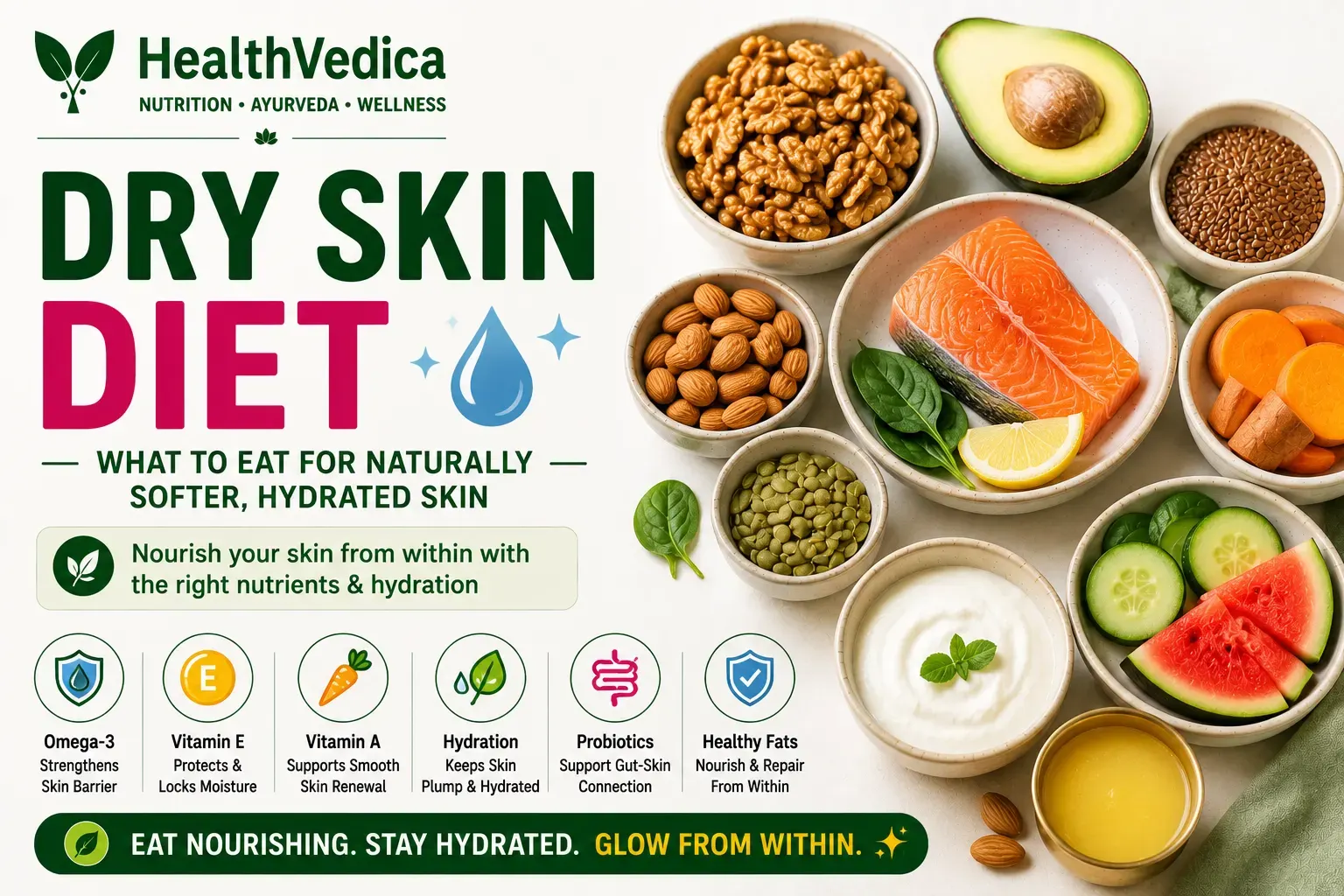
📊 Foods to Include for Dry Skin
| Food | Main Nutrients | How It Helps the Diet |
|---|---|---|
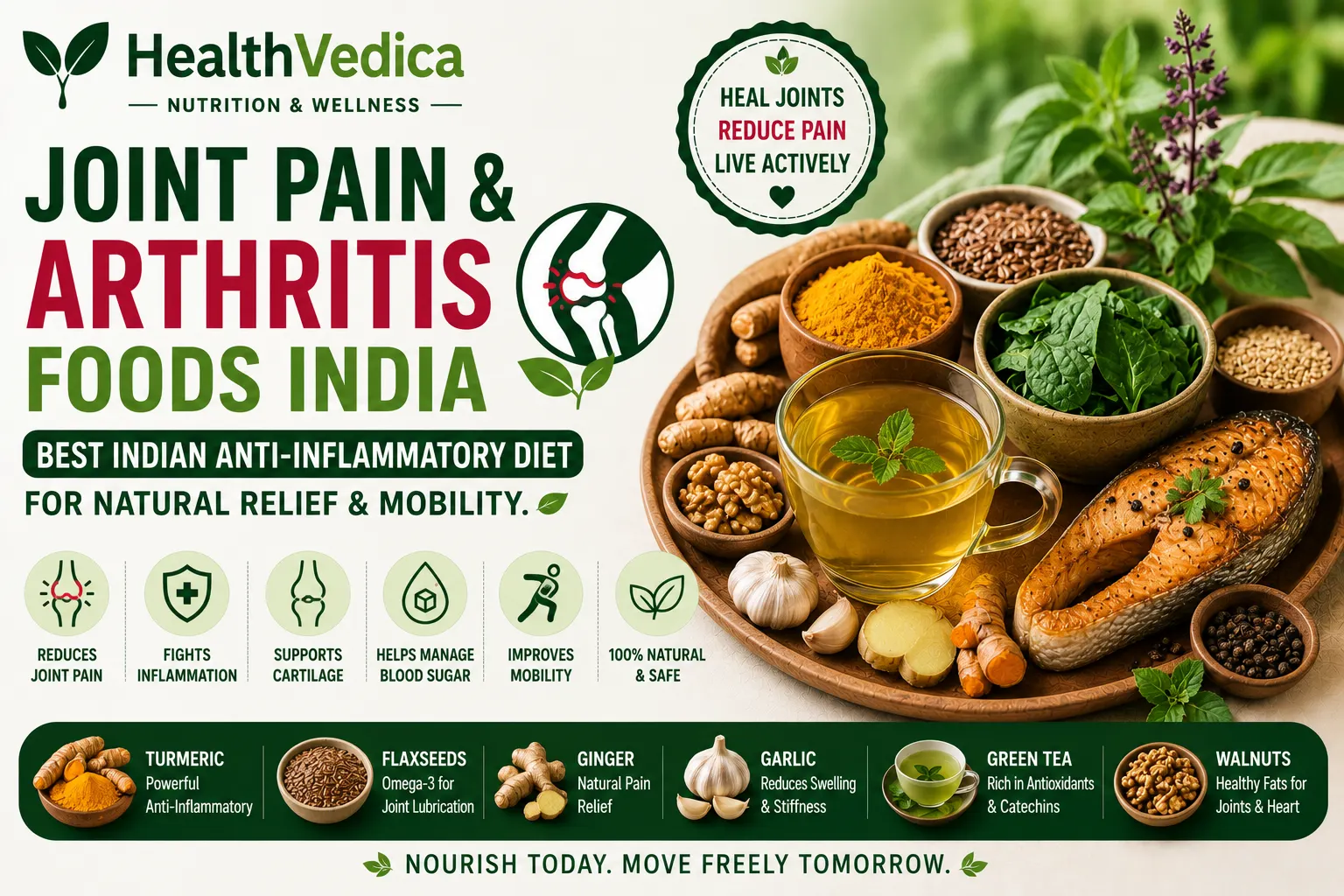
| Walnuts & flaxseeds | Healthy fats, ALA omega-3 | Improves dietary fat quality |
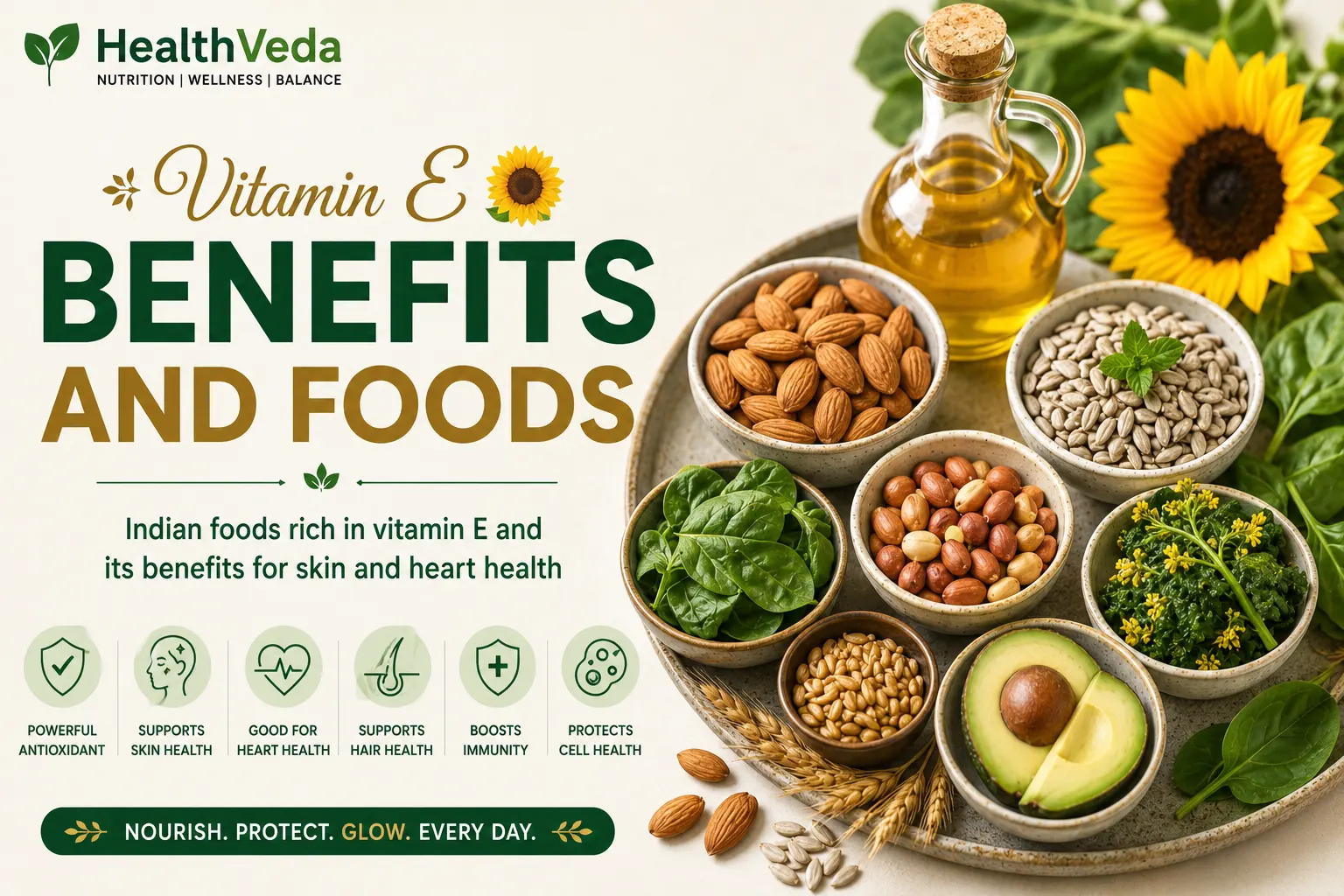
| Almonds & sunflower seeds | Vitamin E and healthy fats | Provides antioxidant nutrients |
| Fatty fish | EPA/DHA omega-3 fats | Provides long-chain omega-3s |
| Avocado | Monounsaturated fat and vitamin E | Healthy fat source |
| Carrots and sweet potato | Beta-carotene | Provides provitamin A |
| Cucumber and watermelon | Water | Contribute to fluid intake |
| Eggs, dal, tofu and paneer | Protein | Supports overall tissue maintenance |
⭐ The Most Useful Change: Improve Your Overall Diet
Instead of adding huge quantities of one food, include a healthy fat source most days, eat vegetables and fruit regularly, obtain adequate protein and drink according to thirst and environmental needs.
ICMR-NIN's Dietary Guidelines for Indians emphasize dietary variety, hydration and balanced food choices rather than dependence on isolated foods.
💧 How Much Water Do You Need?
Fluid requirements vary with climate, activity, body size, diet and health conditions. In India's hot climate, fluid needs can be substantial, but there is no universal amount that will 'cure' dry skin. Drink regularly and increase fluids when heat or exercise increases losses, unless a healthcare professional has given you a fluid restriction.
🧴 Don't Ignore the External Causes
If your skin is very dry, changing your diet may have little effect if hot showers and harsh cleansers continue damaging the barrier. Use a gentle cleanser, avoid very hot water and apply a suitable moisturiser regularly.
🌿 Ayurvedic Perspective
Ayurveda traditionally discusses dry qualities through concepts such as Vata and considers food nature, preparation, quantity, timing and individual suitability. Ministry of AYUSH materials describe these broader dietary principles.
This can be presented as an Ayurvedic perspective rather than evidence that ghee or a specific food medically treats dry skin.
📌 Bottom Line
A dry-skin-friendly diet is mainly about adequate nutrition: healthy fats, protein, fruits, vegetables and sufficient fluids. Combine it with good skin-barrier care, because topical habits often have a larger immediate effect on dryness than diet alone.