blogs

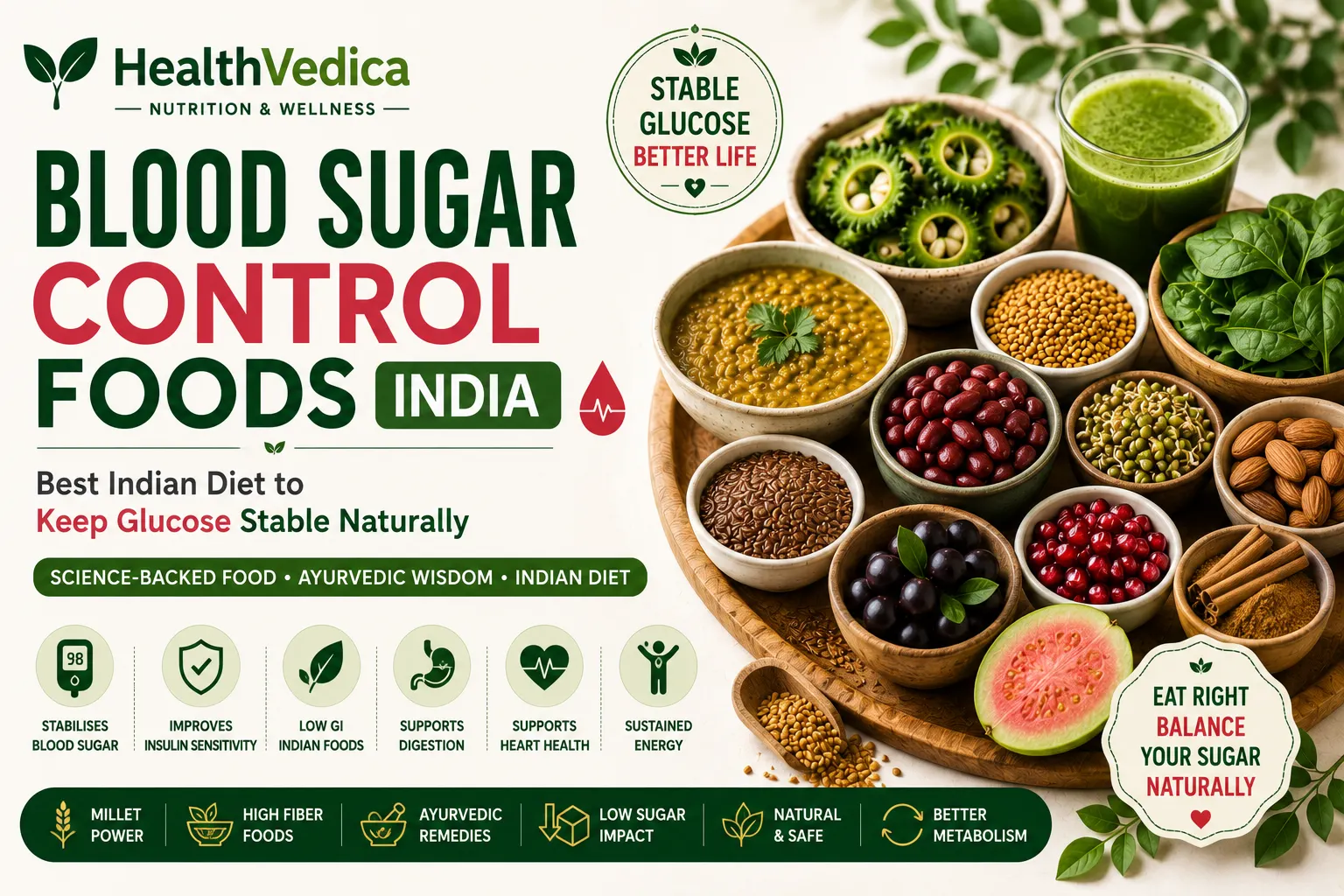
Blood Sugar Control Foods πŸ’Š: Best Indian Diet to Keep Glucose Stable Naturally

Last updated:
🌿 Comprehensive guide to blood sugar management through Indian food
Best Foods to Control Blood Sugar β€” Nutrition, Health Benefits & Remedies
Blood Sugar Control Foods: Best Indian Diet to Keep Glucose Stable | Health Vedica
⚠️ Medical Disclaimer: This content is for informational purposes only and does not constitute medical advice. Always consult a qualified healthcare professional for diagnosis and treatment.

🩸 India's Blood Sugar Crisis

India faces the world's most severe blood sugar crisis. Beyond the 101 million diagnosed diabetics, an estimated 136 million more Indians are prediabetic β€” with blood sugar elevated but not yet at diabetes diagnostic threshold. Most prediabetics will progress to full Type 2 diabetes without intervention. Additionally, millions more experience undiagnosed blood sugar dysregulation β€” post-meal glucose spikes, reactive hypoglycaemia, and insulin resistance β€” that cause chronic fatigue, brain fog, weight gain, hormonal disruption, and inflammatory conditions without meeting formal diabetes criteria.

Blood sugar regulation is not just a diabetic's concern. Stable blood glucose is foundational to: sustained energy throughout the day, clear cognitive function, hormonal balance (especially for PCOS), healthy weight maintenance, quality sleep, cardiovascular health, and reduced long-term chronic disease risk. Everyone benefits from blood sugar-conscious nutrition β€” especially Indians with our genetic tendency toward insulin resistance.

The good news: India's traditional food culture contains extraordinary blood sugar-stabilising foods. Bitter gourd, fenugreek, millets, jamun, cinnamon, amla β€” these are among the world's most potent natural glucose regulators, and they are culturally accessible to virtually every Indian.

πŸ”¬ How Blood Sugar Works and Why Indian Diets Challenge It

The glucose-insulin cycle: Carbohydrates β†’ glucose β†’ enters blood β†’ pancreas releases insulin β†’ insulin drives glucose into cells β†’ blood glucose returns to normal. Problems arise when this cycle is overwhelmed by rapid, large glucose surges from high-GI foods.

Post-meal glucose spikes: Modern continuous glucose monitoring (CGM) studies reveal that even 'healthy' non-diabetics can experience blood glucose peaks of 180–200 mg/dL after typical Indian meals of rice + dal + sabzi. These spikes, when frequent, drive insulin resistance, oxidative stress, and chronic inflammation β€” independent of fasting glucose levels.

Why Indians are particularly vulnerable: Genetic factors β€” South Asians have higher insulin resistance at equivalent BMI, lower beta-cell reserve, and higher visceral fat accumulation. Dietary factors β€” high-carbohydrate staples (white rice, wheat, potato), rapid-cooking preparation methods, and displacement of traditional blood sugar-regulating foods (millets, karela, methi) by modern convenience foods.

The second meal effect: Foods eaten at breakfast significantly influence the blood glucose response to lunch (the 'second meal effect'). High-fibre, low-GI breakfast (ragi, moong dal, eggs) improves post-lunch glucose control β€” a powerful argument for nutritious Indian breakfasts rather than skipping or eating high-GI foods.

πŸ“Š Glycaemic Index and Glycaemic Load of Indian Foods

FoodGITypical ServingGL per ServingFor Blood Sugar
Bajra Roti541 roti (60g)LowExcellent βœ…
Moong Dal381 cup cookedVery LowExcellent βœ…
Bitter Gourd (Karela)~15100g cookedVery LowExcellent βœ…
Rajma (Kidney Beans)24Β½ cup cookedVery LowExcellent βœ…
Whole Egg01 egg0Excellent βœ…
Ragi68100g flourMediumGood βœ…
Basmati Rice (cooked)58½ cup cookedMediumModerate ⚠️
Whole Wheat Roti621 rotiMediumModerate ⚠️
White Rice731 cup cookedHighLimit ⚠️
Maida/White Bread85+2 slicesVery HighAvoid ❌

βœ… Top Blood Sugar-Stabilising Indian Foods

1. Methi Seeds (Fenugreek) β€” Blood Sugar's Natural Regulator
Fenugreek is India's most clinically validated antidiabetic plant, with over 50 published clinical studies. Mechanisms: 4-hydroxyisoleucine directly stimulates insulin secretion from beta cells; galactomannan fibre forms a viscous gel that dramatically slows carbohydrate absorption; trigonelline reduces hepatic glucose production. Studies show soaked fenugreek seeds (10–25g overnight soak, morning consumption on empty stomach) reduce fasting blood glucose by 10–20% and post-meal glucose by 25–40% in Type 2 diabetics. For prediabetes, methi seeds significantly slow progression. Daily protocol: soak 1–2 tsp methi seeds overnight, eat seeds in the morning and drink the soaking water.

2. Bitter Gourd (Karela) β€” Insulin in Vegetable Form
Bitter gourd contains charantin, polypeptide-p (plant insulin), and vicine β€” three distinct antidiabetic compounds. Polypeptide-p mimics insulin's molecular structure, binding to insulin receptors and facilitating glucose uptake. Charantin increases liver glycogen synthesis and reduces hepatic glucose output. Multiple clinical trials confirm karela juice (50–100ml) or karela preparation significantly reduces fasting and post-meal blood glucose. Traditional Indian use of karela sabzi 3–4 times weekly and fresh karela juice before meals is both culturally validated and scientifically justified.

3. Millets (Bajra, Jowar, Ragi) β€” Replacing the Blood Sugar Bomb
The most impactful dietary change for Indian blood sugar management: replacing white rice with millets. Studies in diabetic Indian subjects show millet-based diets reduce fasting glucose by 12–13%, post-meal glucose by 14–35%, and HbA1c by 0.3–1.0% β€” without any medication change. The mechanisms: lower GI (49–68 vs 73+ for white rice), higher fibre (slows absorption), resistant starch (feeds beneficial gut bacteria that improve insulin sensitivity), and micronutrients (magnesium β€” improves insulin receptor sensitivity). Begin with replacing one rice meal daily with millet; increase progressively.

4. Cinnamon (Dalchini) β€” The Insulin Sensitiser
Cinnamon's active compound (cinnamaldehyde) activates insulin receptors by phosphorylating specific receptor sites β€” directly improving insulin sensitivity at the cellular level. A meta-analysis of 16 RCTs found cinnamon supplementation reduces fasting blood glucose by 3–5 mmol/L and HbA1c by 0.36%. The most effective form: Ceylon cinnamon (true cinnamon β€” Cinnamomum verum) rather than the more common Cassia cinnamon (which contains higher coumarin, potentially liver-toxic at high doses). Add 1 tsp of cinnamon to morning tea, oats, or dal for consistent blood sugar benefit.

5. Jamun Seeds (Indian Blackberry) β€” Traditional Diabetes Medicine
Jamun (Syzygium cumini) β€” both the fruit and seeds β€” has been used in Indian diabetes management for centuries. Jamboline and jambosine in jamun seeds inhibit starch-to-sugar conversion, directly reducing post-meal glucose spikes. Clinical studies show jamun seed powder (1 tsp in water before meals) reduces postprandial blood glucose by 20–30% in diabetics. Available year-round as dried seed powder from Ayurvedic stores. During jamun season, eating 50–100g fresh jamun after meals provides similar benefit with the added bonus of anthocyanins (antioxidant, anti-inflammatory).

6. Amla (Indian Gooseberry)
Amla reduces blood sugar through: chromium content (improves insulin action), vitamin C (reduces oxidative stress that impairs beta cell function), gallic acid (inhibits alpha-glucosidase β€” reduces carbohydrate digestion speed), and direct anti-inflammatory effects that protect pancreatic beta cells. Studies show amla extract reduces fasting blood glucose by 21% in diabetics over 3 months. Eat 1–2 fresh amla daily or take as unsweetened juice. Amla is also uniquely beneficial for preventing diabetic complications β€” its antioxidants protect kidneys, retina, and nerves from glucose-mediated oxidative damage.

7. Legumes (Dal, Rajma, Chana) β€” Low GI Protein-Fibre Combination
All legumes have low GI (24–38) and provide the protein-fibre combination that most effectively blunts post-meal glucose response. The resistant starch in legumes feeds gut microbiota that produce short-chain fatty acids improving peripheral insulin sensitivity. A meta-analysis of legume trials found replacing refined grain servings with legumes reduces HbA1c by 0.4% β€” clinically meaningful without any medication. Eating dal as a main dish (rather than a small accompaniment) at both lunch and dinner provides comprehensive blood sugar stabilisation throughout the day.

🌿 Ayurvedic Blood Sugar Management

Vijaysar (Pterocarpus marsupium): The most validated Ayurvedic antidiabetic plant. Vijaysar water (wooden tumbler water) reduces blood glucose through epicatechin, which regenerates beta cells. Multiple Indian clinical trials confirm effectiveness. Vijaysar powder (2–3g daily) or vijaysar tumbler water (drink daily) β€” widely available at Ayurvedic stores.

Gudmar (Gymnema sylvestre): Name literally means 'sugar destroyer' in Sanskrit. Gymnemic acids block sweet taste receptors (temporarily) and more importantly block glucose absorption in intestine. Clinical studies show Gymnema supplementation (400mg daily) reduces fasting glucose, HbA1c, and allows insulin dose reduction. Available as Gudmar capsules or kadha.

BGR-34 and Diabecon: CSIR-validated (BGR-34) and Himalaya (Diabecon) polyherbal formulations combining multiple antidiabetic Ayurvedic plants. Both have clinical trial evidence for blood sugar reduction in prediabetes and mild Type 2 diabetes.

🚫 Blood Sugar-Spiking Foods Indians Must Minimise

White rice in large portions: India's biggest single blood sugar challenge. A 1-cup serving of plain white rice causes average 40–50 mg/dL blood sugar spike. Switching to millets, or eating rice with large quantities of dal, vegetables, and raita (which lower the meal's GI), reduces this impact.

Fruit juices: All the sugar without the fibre that slows absorption. 200ml mango juice = 25–30g sugar with immediate absorption = significant glucose spike. Eat whole fruits instead; avoid all packaged fruit drinks.

Breakfast sweets and high-GI morning foods: Many Indians eat upma (sooji β€” wheat semolina), white bread, or sweet poha for breakfast β€” all high-GI. Starting the day with a blood sugar spike sets up a day of glycaemic rollercoaster. Switch to ragi, moong dal, eggs, or oats.

πŸ’‘ Blood Sugar-Stabilising Daily Strategy

Morning (before breakfast): Soaked methi seeds + water | 100ml fresh karela juice | 15–20 min walk (exercise improves insulin sensitivity for 24–48 hours)

Breakfast: High protein + high fibre = stable glucose all morning. Moong dal chilla + dahi | Ragi dosa + sambar | Eggs + vegetables | Oats + nuts + no sugar

Lunch: Millet (50%) + large dal + vegetables + dahi. Eat dal and vegetables before the millet β€” the protein and fibre eaten first blunts the subsequent carbohydrate glucose response.

Evening: Cinnamon tea | Soaked chana (controlled blood sugar) | Avoid sweet chai and biscuits

Dinner: Light, low-carbohydrate. Dal + vegetables + 1 millet roti. No rice at dinner β€” glucose metabolism is least efficient in evenings.

General principles: Never eat carbohydrates alone β€” always combine with protein, fat, or fibre. Walk 10–15 minutes after meals (dramatically reduces post-meal glucose). Eat at consistent times daily (stabilises circadian glucose rhythms). Avoid eating after 8 PM.

❓ Frequently Asked Questions

Common questions about Best Foods to Control Blood Sugar

Methi seeds (fenugreek) have the strongest clinical evidence for blood sugar control β€” with over 50 published studies showing significant fasting and post-meal glucose reduction. Soak 1–2 tsp overnight, eat seeds in the morning, drink the water. Bitter gourd (karela) is the best vegetable β€” its polypeptide-p directly mimics insulin. For a grain, bajra and jowar have the lowest glycaemic impact among Indian staples. Combining these three β€” daily methi seeds, karela 3–4Γ—/week, and switching to millets β€” creates the most powerful dietary intervention for blood sugar control available in any kitchen.
For prediabetes (fasting glucose 100–125 mg/dL, HbA1c 5.7–6.4%), dietary and lifestyle intervention is the first-line treatment β€” and can prevent or reverse progression to diabetes in 50–60% of cases. For mild Type 2 diabetes (HbA1c 6.5–8%), a comprehensive Indian low-GI diet can reduce HbA1c by 1–2% β€” potentially achieving near-normal glucose without medication in some patients. For established diabetes (HbA1c above 8%), diet significantly improves control but rarely replaces all medication. Always work with a physician β€” dietary changes may require medication dose adjustment to prevent hypoglycaemia.
Whole fruits are generally beneficial β€” their fibre, antioxidants, and polyphenols offset glycaemic impact. Best fruits for blood sugar: jamun (direct antidiabetic properties, GI 25), guava (low GI 28, high vitamin C), amla (antidiabetic compounds, very low GI), and apple (pectin slows absorption). Fruits to limit: mango, banana, chikoo, grapes, lychee β€” high sugar, high GI. Key rule: eat fruit whole, never as juice; eat after a protein-containing meal; limit to 1–2 servings daily. A small bowl of papaya or jamun after lunch is ideal.
Not always β€” it depends on type, preparation, and meal composition. White rice alone spikes blood glucose rapidly. However: eating rice as part of a complete meal (with large portions of dal, vegetables, and dahi) significantly reduces the overall glycaemic response; cooling and reheating rice increases resistant starch content, lowering GI; basmati rice has lower GI (58) than standard rice (73); parboiled rice has even lower GI. The most effective strategy: reduce rice portion to Β½ cup maximum, eat it with large dal and vegetable portions, consider replacing 50% of rice meals with millets.
Best Indian prediabetes breakfasts: moong dal chilla (high protein, low GI, stabilises morning glucose and improves second-meal effect at lunch); ragi dosa with sambar (ragi GI 68, protein from sambar dal); 2–3 eggs in any preparation (zero GI, stabilises glucose all morning); oats (rolled/steel-cut) with nuts and no sugar (beta-glucan fibre slows glucose release); or low-fat dahi with soaked almonds and berries. Avoid: white bread, upma (sooji/semolina), poha with jaggery, sweet chai with biscuits, and commercial breakfast cereals β€” all cause morning glucose spikes that initiate a blood sugar rollercoaster for the day.
Related Blogs
Sattvic Diet Guide Blogs
Jul 14, 2026
Sattvic Diet Guide
πŸ•‰οΈ What Is a Sattvic Diet?The Sattvic diet is an ancient Ayurvedic eating approach designed to promo...
Read More
Intermittent Fasting Diet Plan in India Blogs
Jul 14, 2026
Intermittent Fasting Diet Plan in India
⏰ Why Intermittent Fasting Is Perfect for IndiansIntermittent fasting (IF) is not a foreign concept...
Read More
Best Foods for Joint Pain and Arthritis Relief Blogs
Jul 14, 2026
Best Foods for Joint Pain and Arthritis Relief
🦴 Arthritis in India: A Growing CrisisArthritis affects over 180 million Indians β€” a prevalence hig...
Read More
Postpartum Weight Loss Diet India Blogs
Jul 14, 2026
Postpartum Weight Loss Diet India
🀱 Understanding Postpartum Weight LossWeight gain during pregnancy is normal and necessary for a he...
Read More
Best Diet for High Blood Pressure in India Blogs
Jul 14, 2026
Best Diet for High Blood Pressure in India
πŸ’Š India's Hypertension EpidemicHypertension (high blood pressure) is India's most prevalent chronic...
Read More
Baby Nutrition for Healthy Growth Blogs
Jul 14, 2026
Baby Nutrition for Healthy Growth
πŸ‘Ά Child Nutrition: India's Critical PriorityIndia faces a dual nutrition crisis in children: 35.5%...
Read More
Kidney Stone Diet India Blogs
Jul 14, 2026
Kidney Stone Diet India
🩺 What Are Kidney Stones?Kidney stones are hard mineral deposits that form inside the kidneys when...
Read More
Best Anti-Aging Foods to Slow Aging Naturally Blogs
Jul 14, 2026
Best Anti-Aging Foods to Slow Aging Naturally
⏳ Aging β€” and Why India Has Ancient SolutionsHuman aging is not simply the passage of time β€” it is...
Read More
Piles Constipation Diet Blogs
Jul 14, 2026
Piles Constipation Diet
🩺 What Are Piles and Constipation?Piles (hemorrhoids) are swollen veins in the rectum or anus that...
Read More