🤧 What Should You Eat During a Cold or Cough?
Most common colds are viral and improve with time. Food cannot cure a cold or clear an infection instantly, but the right meals can make it easier to stay hydrated, maintain energy and meet your body's nutrient needs while you recover.
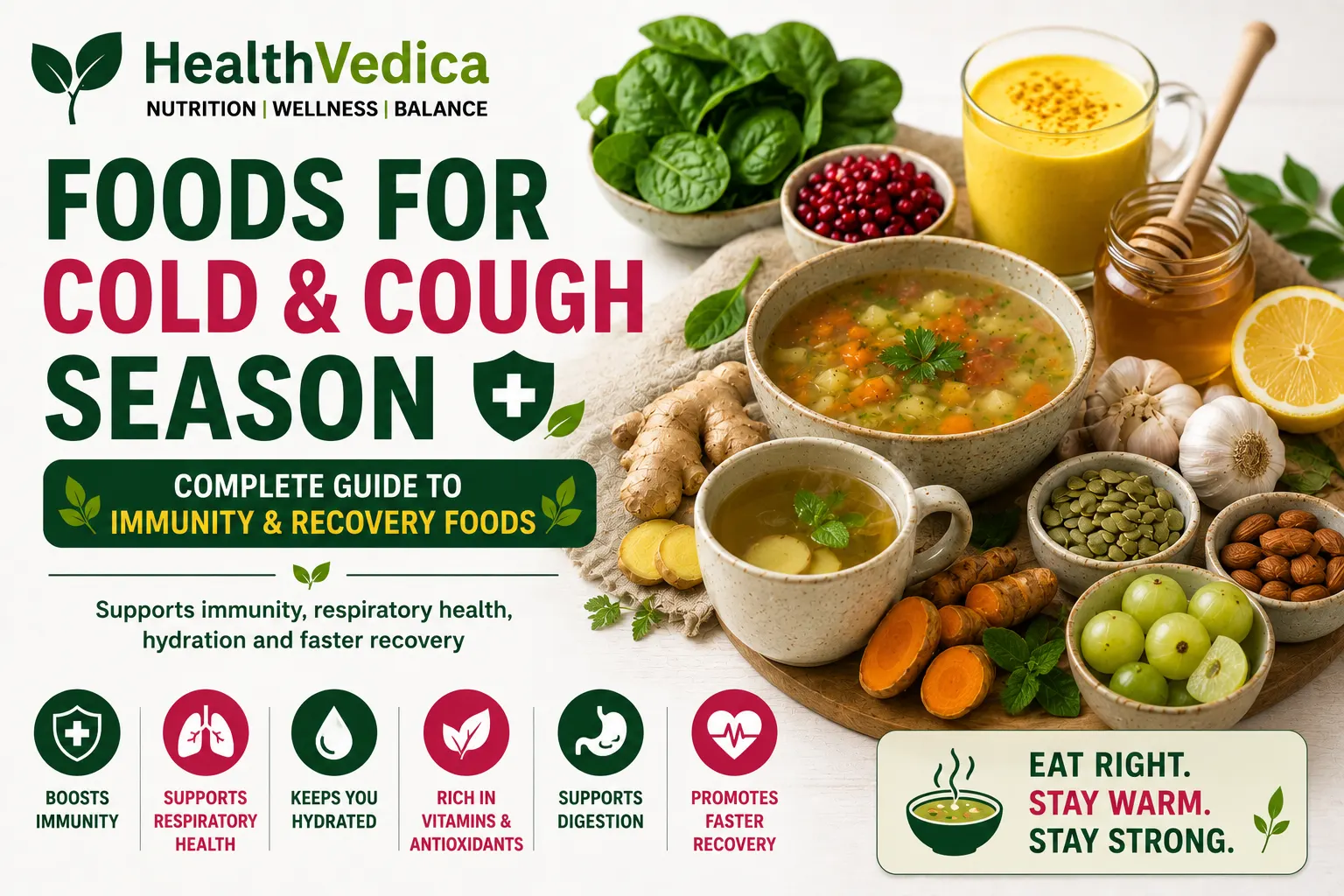
When appetite is low, prioritize simple foods you can tolerate: warm fluids, soups, dal, curd, eggs, soft rice or roti, cooked vegetables and fruits.
🥣 Best Foods When You Have a Cold or Cough
| Food/Drink | Why It Can Help |
|---|---|
| Warm water | Helps maintain hydration and can soothe a dry or irritated throat |
| Dal or lentil soup | Provides fluid, protein and useful micronutrients |
| Vegetable soup | Easy to tolerate and contributes fluids and vegetables |
| Eggs | Convenient high-quality protein |
| Curd/dahi | Provides protein and can be included if dairy suits you |
| Amla, guava and citrus fruit | Provide vitamin C and other nutrients |
| Ginger | Adds flavour to tea, soups and meals; traditionally used for comfort |
| Turmeric | A common Indian spice that provides curcumin and other plant compounds |
💧 Hydration Is More Important Than a “Superfood”
Fever, poor appetite and increased breathing losses can make dehydration easier. Water is the simplest choice. Soups, buttermilk and other suitable fluids can also contribute.
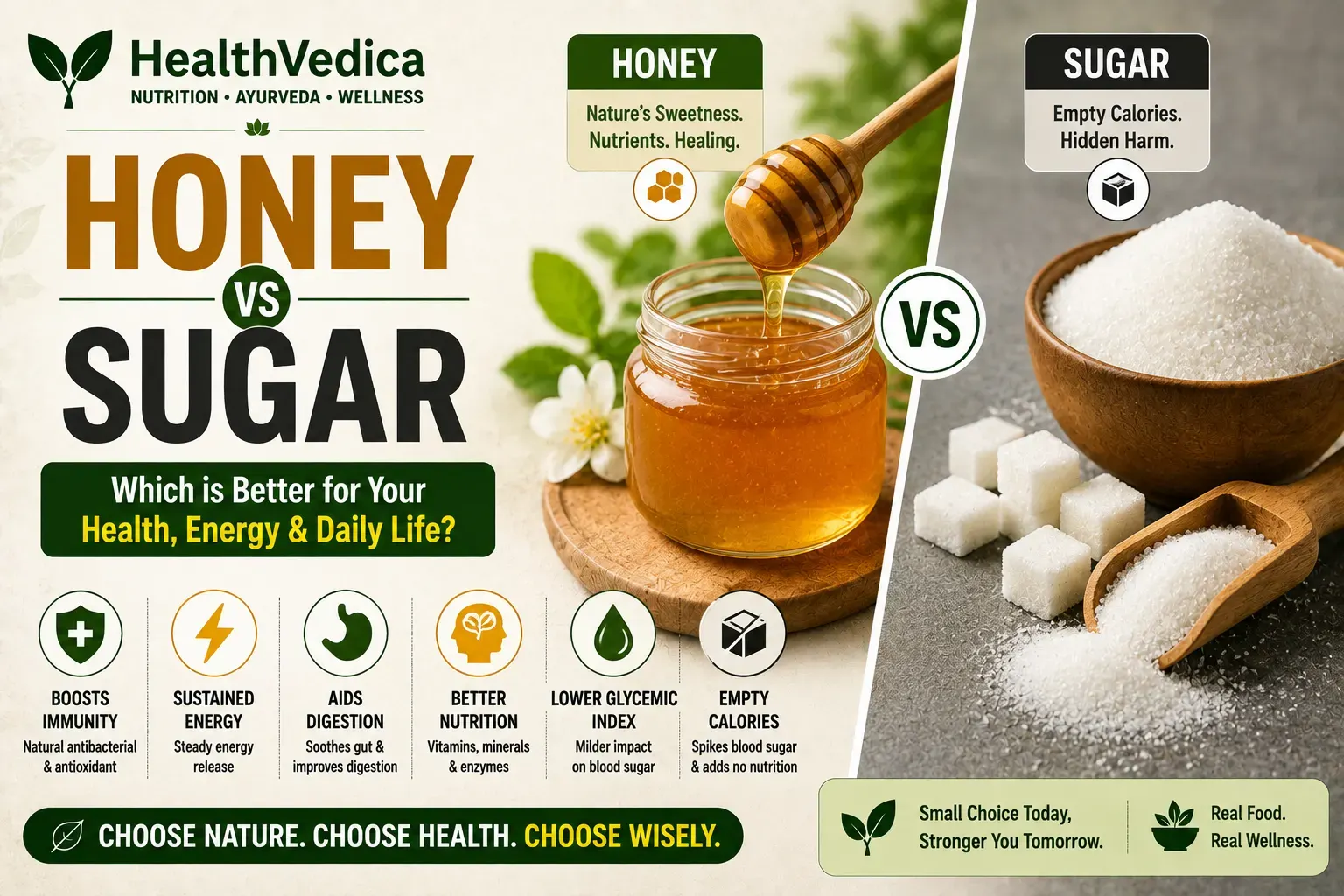
For a sore throat: warm lemon-and-honey drinks may be soothing for adults and children over 1 year. Honey should never be given to babies under 1 year.
🍊 Do You Need Vitamin C During a Cold?
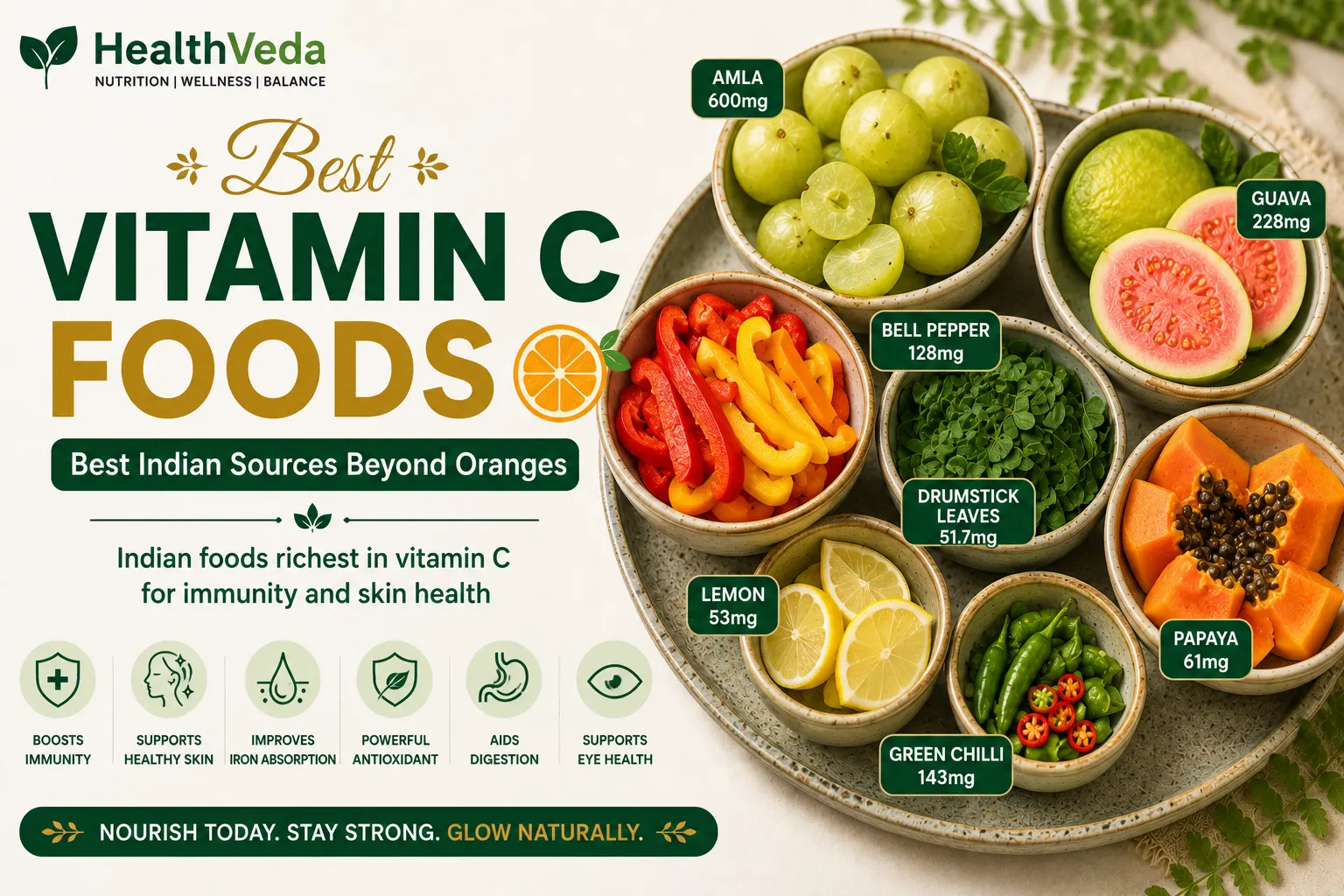
Vitamin C is essential for normal immune function, so meeting your nutritional needs is sensible. Good Indian food sources include amla, guava, oranges, mosambi and lemon.
But a large dose of vitamin C after symptoms start is not a guaranteed cold cure. Food-first intake is usually the better default unless a clinician has identified a deficiency or another reason for supplementation.
🥚 Protein Matters More Than People Think
When you are sick, it is easy to eat only tea, biscuits and toast. That can leave protein intake very low. Include dal, eggs, milk, curd, paneer, fish or chicken according to preference and tolerance.
Protein supports normal immune function and helps maintain muscle mass during periods of reduced food intake.
🌿 Ginger, Turmeric and Ayurveda
Ginger, turmeric, tulsi and other traditional ingredients are deeply established in Indian food and Ayurveda. The Ministry of Ayush maintains official resources describing medicinal plants and traditional uses.
Use these ingredients as food or supportive beverages, not as replacements for clinically indicated treatment. Herbal extracts and concentrated products deserve more caution than normal culinary quantities.
⚠️ Foods You Do Not Need to Fear
There is no good general rule that everyone with a cold must stop eating curd, citrus fruit or bananas. Food tolerance varies. If a food makes your throat, stomach or reflux symptoms worse, choose another option—but avoid unnecessary restrictions.
🚫 What to Limit While Recovering
| Limit | Why |
|---|---|
| Alcohol | Can worsen dehydration and disrupt recovery |
| Smoking and second-hand smoke | Can irritate airways and worsen respiratory symptoms |
| Very sugary drinks | Add sugar without offering much nutritional value |
| Large amounts of ultra-processed foods | Often displace nutrient-dense meals |
🍽️ Easy Indian Recovery Meal Plan
Breakfast: Vegetable oats/upma + egg or curd
Mid-morning: Guava, orange or amla
Lunch: Soft rice or roti + dal + cooked vegetables
Evening: Warm ginger tea or soup
Dinner: Vegetable khichdi or dal soup + paneer/egg/fish
Before bed: Warm milk or another comfortable non-alcoholic fluid, if tolerated
🩺 When a Cold or Cough Needs Medical Attention
Seek medical advice for breathing difficulty, chest pain, dehydration, confusion, persistent high fever, coughing up blood, symptoms that are getting worse instead of better, or a cough that persists beyond the expected recovery period. People with asthma, COPD, significant heart or lung disease, or weakened immunity may need earlier evaluation.
💡 Final Takeaway
The best “cold and cough diet” is not a magic recipe. It is enough fluids, enough protein and calories, fruits and vegetables, comfortable warm foods, and good rest. Ginger, turmeric and honey can be useful supportive choices, but they should complement—not replace—appropriate medical care.