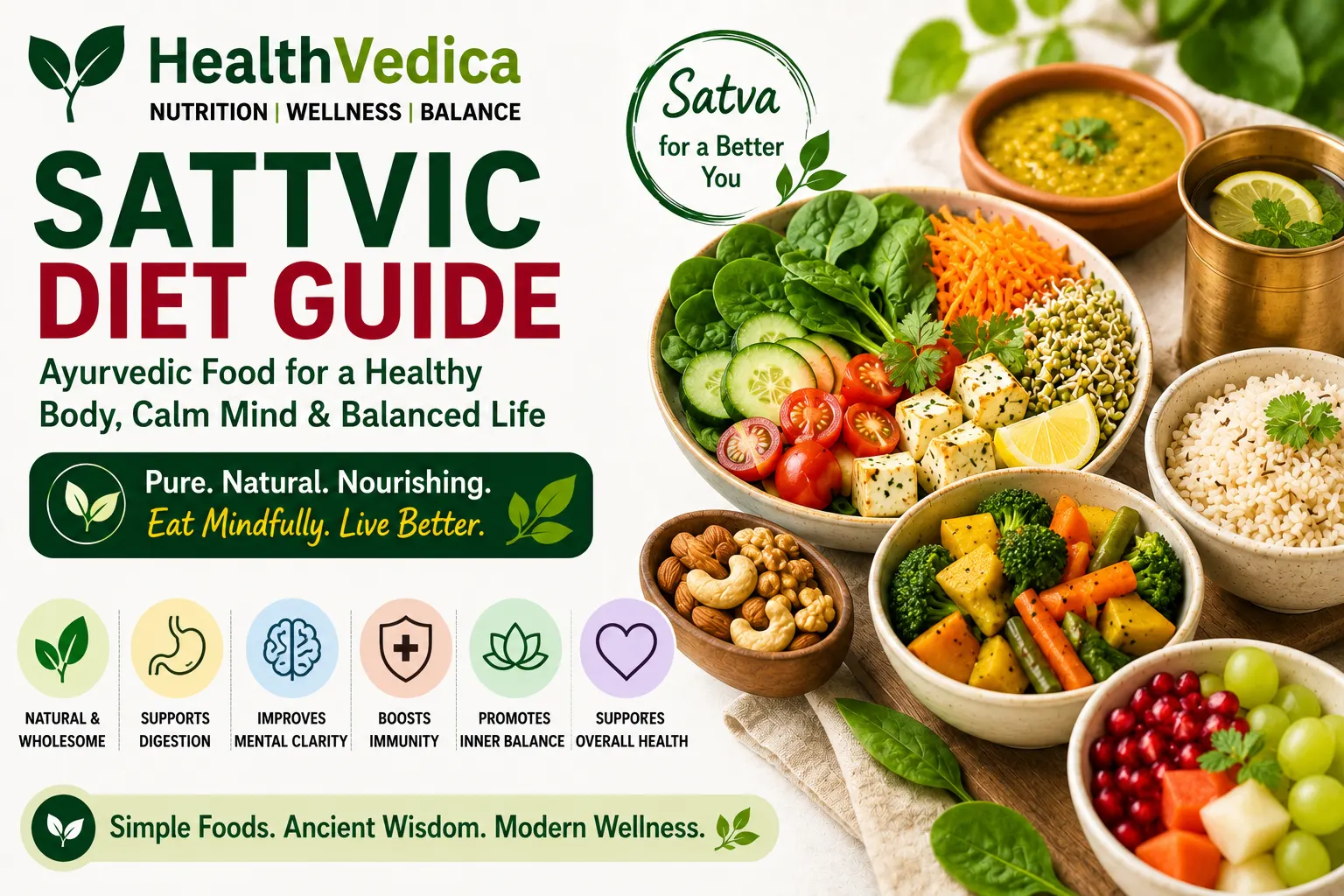
🕉️ What Is a Sattvic Diet?
The Sattvic diet is an Ayurvedic food approach associated with Sattva—a concept traditionally linked with purity, balance, clarity and harmony. Traditional Sattvic eating generally emphasizes fresh, seasonal, simply prepared foods and mindful eating.
It is important to separate traditional Ayurvedic beliefs from claims that have been established by modern clinical research. Some Sattvic practices overlap with broadly accepted healthy-eating habits, while claims about spiritual effects or specific physiological outcomes may have limited scientific evidence.
🌿 The Three Gunas
| Guna | Traditional Meaning | Examples in the Source Tradition |
|---|---|---|
| Sattva | Purity, balance, clarity | Fresh fruits, vegetables, grains, nuts |
| Rajas | Activity, stimulation | Very spicy/stimulating foods, traditionally including caffeine |
| Tamas | Heaviness, inertia | Stale or heavily processed foods |
These categories are part of the traditional philosophical framework and should not be presented as modern medical classifications.
🥗 Core Sattvic Food Principles
- Prefer fresh and seasonal foods.
- Choose minimally processed ingredients.
- Favor home-cooked meals.
- Eat calmly and mindfully.
- Avoid overeating.
- Use mild herbs and spices according to traditional preferences.
- Pay attention to freshness and food quality.
📊 Common Sattvic Foods
| Food Group | Examples | Nutrition Perspective |
|---|---|---|
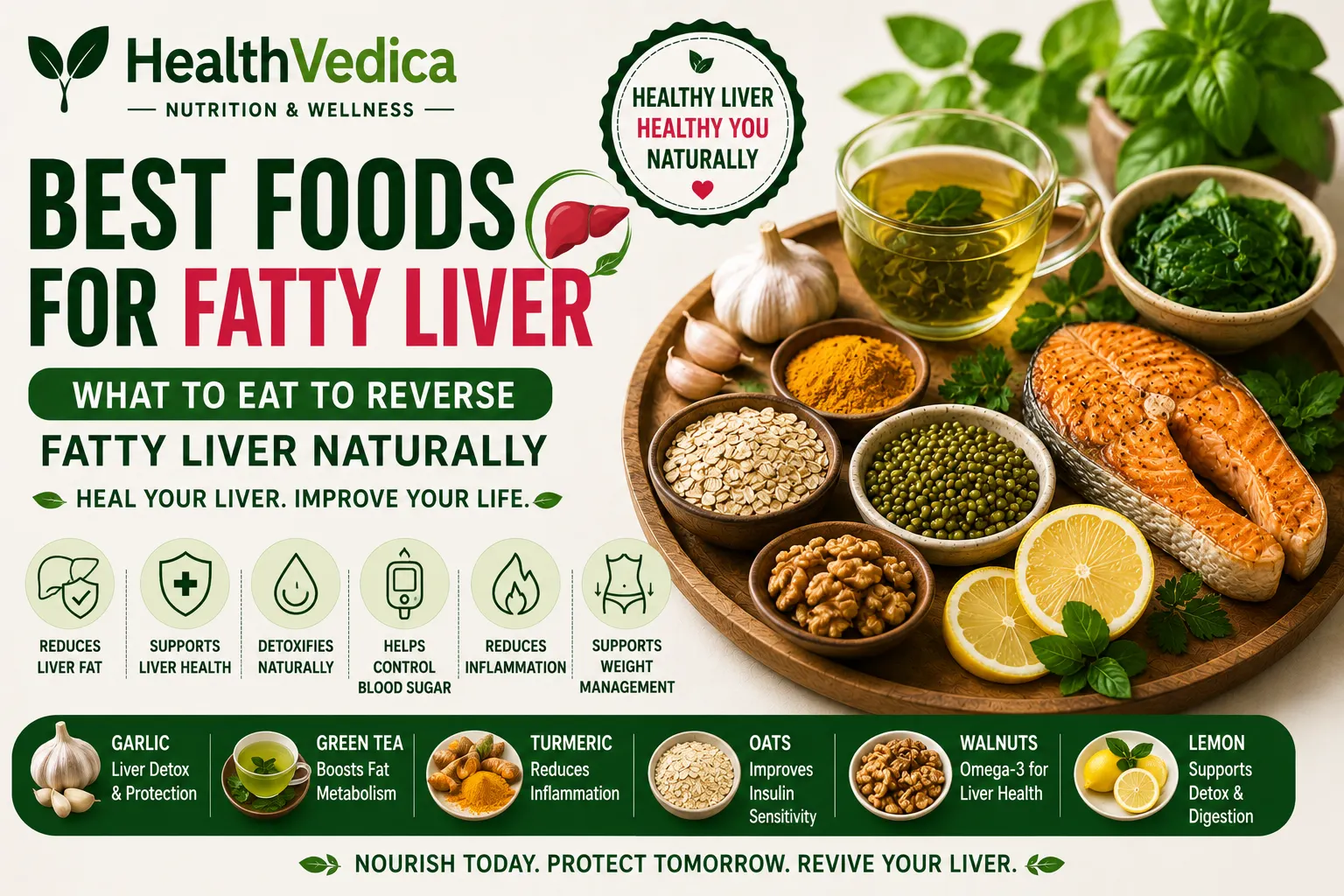
| Fruits | Apple, banana, papaya, guava, orange, amla | Provide fiber, vitamins and plant compounds |
| Vegetables | Gourd, pumpkin, carrot, cucumber, spinach | Provide fiber and micronutrients |
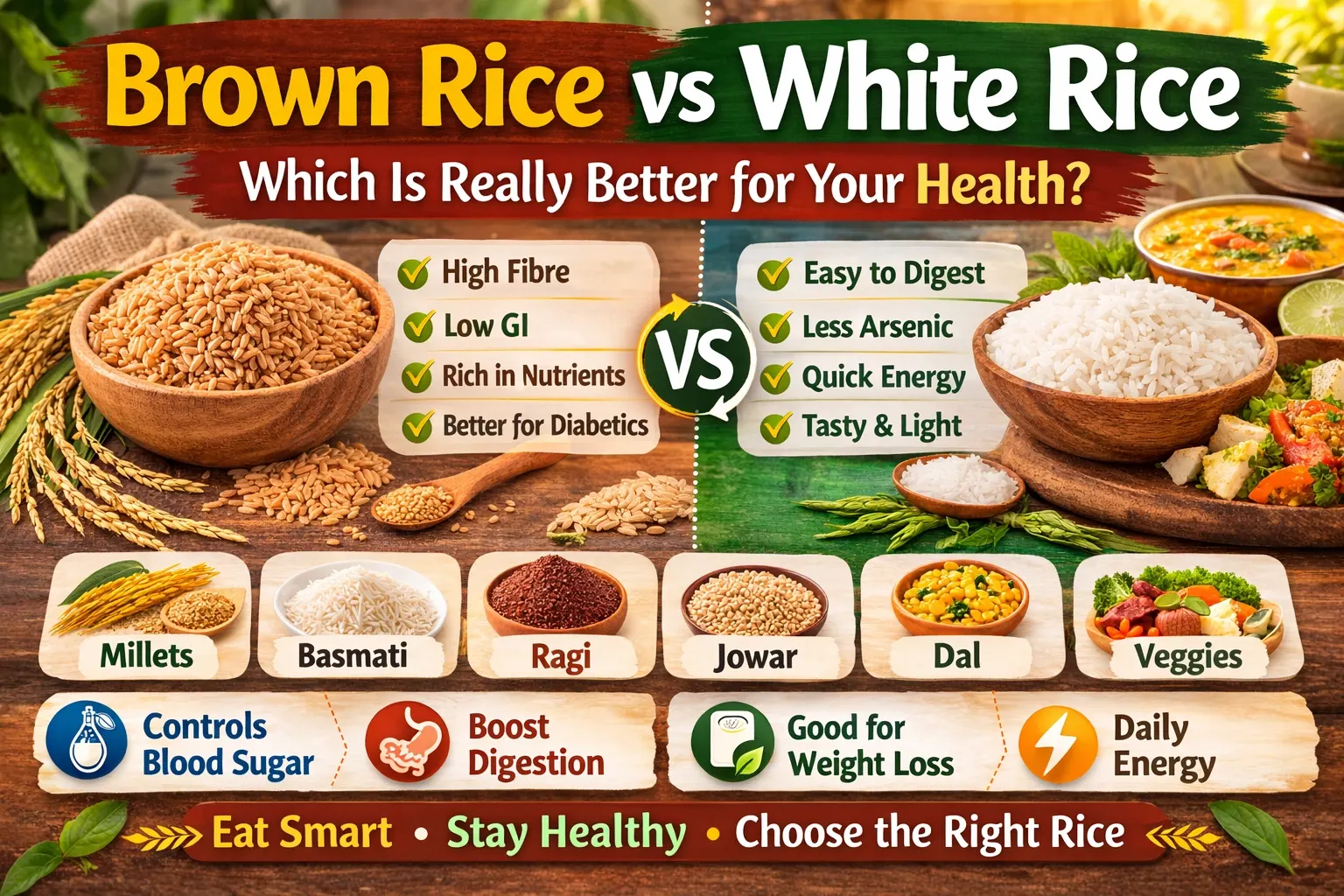
| Whole grains | Rice, wheat, barley, oats, millets | Provide carbohydrate, fiber and micronutrients |
| Legumes | Moong dal and other pulses | Provide plant protein and fiber |
| Nuts/seeds | Almonds, walnuts, sesame, pumpkin seeds | Provide unsaturated fats, protein and minerals |
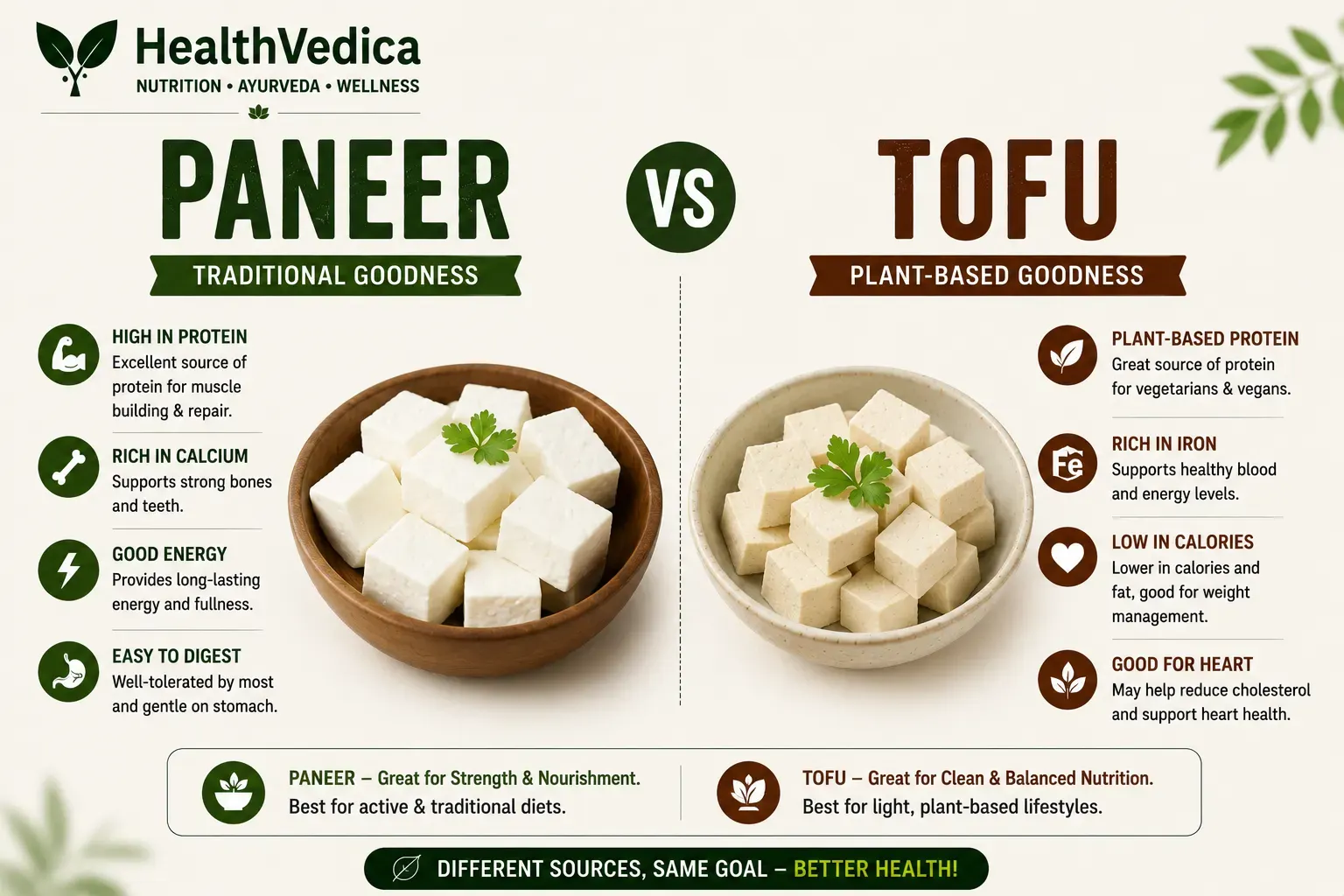
| Dairy | Milk, curd, ghee in traditional practice | Nutrition depends on type, quantity and individual tolerance |
🍎 Fruits and Vegetables
Fresh fruits and vegetables can form the nutritional foundation of a Sattvic-style diet. Rotate colors and seasonal choices rather than relying on one “special” food.
🌾 Whole Grains and Millets
Rice, whole wheat, oats, barley and millets can be used in balanced meals. The choice of grain should reflect individual energy needs, tolerance and the rest of the meal.
🥣 Why Moong Dal Is Commonly Used
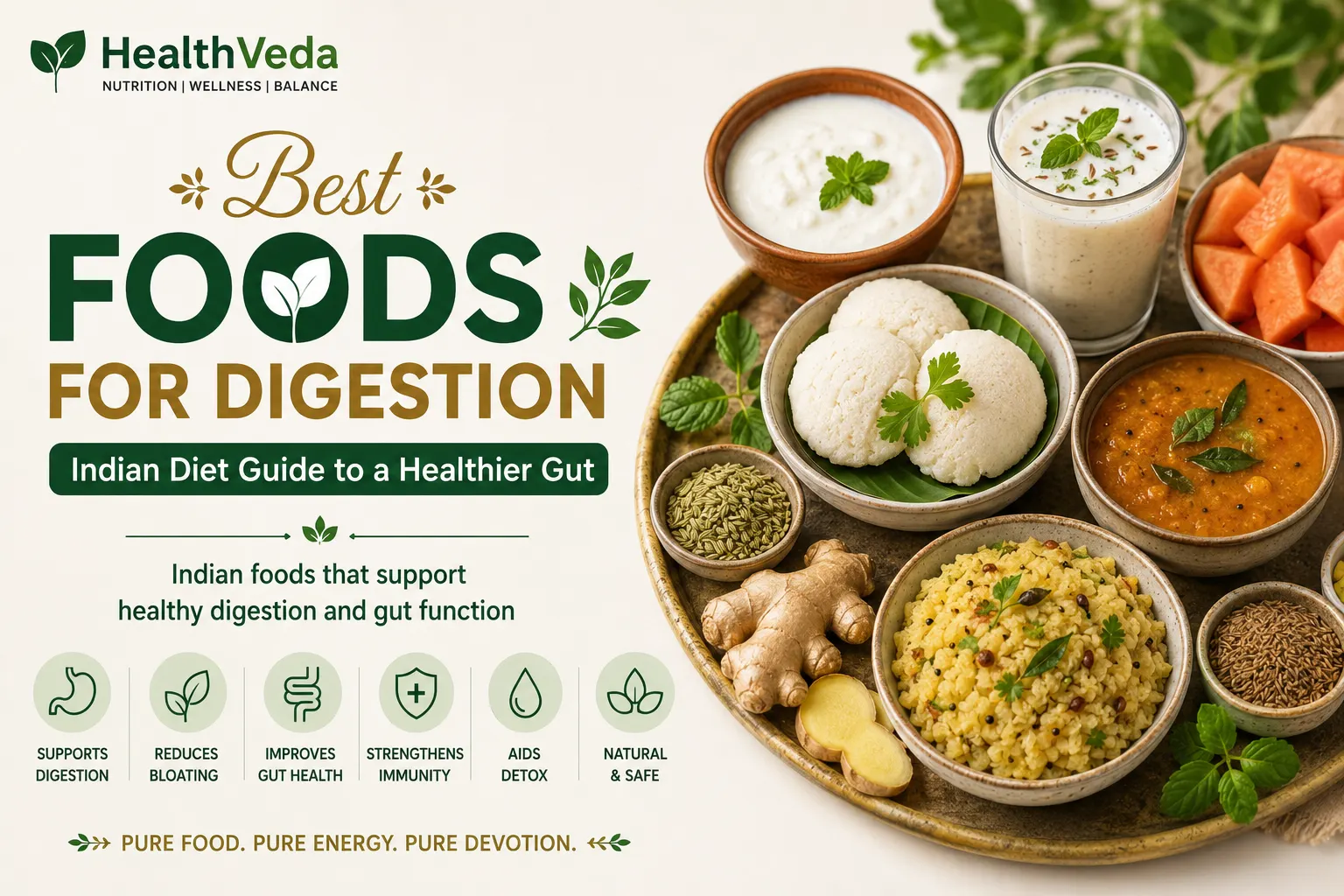
Moong dal is traditionally valued for being relatively light and easy to digest. It also contributes plant protein and other nutrients. Khichdi made with rice and moong dal is a familiar Indian comfort food and can be part of a balanced meal.
🥛 Dairy in Traditional Sattvic Eating
Traditional Ayurveda may include milk, curd, buttermilk and ghee in Sattvic eating. Modern dietary choices can differ because of lactose intolerance, allergies, personal ethics and individual nutritional needs.
Do not assume that a food is automatically healthy simply because it is described as Sattvic; portion size and overall dietary pattern still matter.
🌿 Herbs and Spices
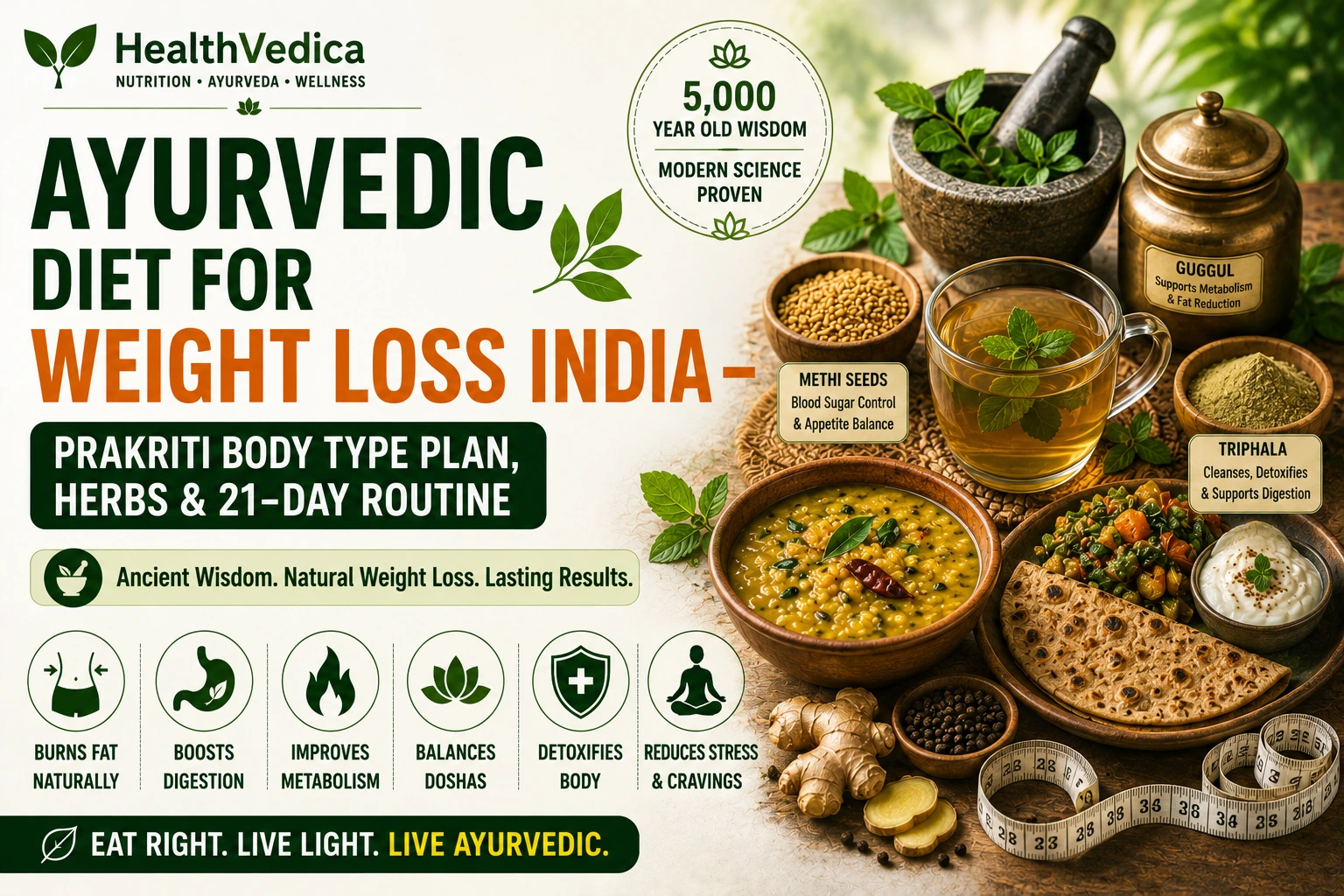
Traditional Sattvic cooking commonly uses milder spices such as turmeric, coriander, cumin, fennel, cardamom and cinnamon. The Ministry of Ayush has published dietary guidance that includes practices such as choosing freshly prepared and easily digestible food, but these recommendations should be understood in their intended traditional and public-health context. citeturn0search51
🚫 Foods Commonly Avoided in Traditional Sattvic Diets
- Alcohol
- Highly processed foods
- Stale foods
- Deep-fried foods
- Excessive sugar
- Highly stimulating beverages according to traditional interpretations
Many of these choices also align with modern advice to reduce highly processed foods, excess free sugars and unhealthy fats. That overlap does not prove every traditional Sattvic claim.
🧘 Mindful Eating
Eating slowly, chewing thoroughly, reducing distractions and paying attention to hunger and fullness are practical habits that can improve the eating experience. These behaviors are compatible with modern mindful-eating approaches even though their traditional explanations may differ.
🍽️ Sample Sattvic-Style Indian Meal Plan
Early morning: Water according to personal preference.
Breakfast: Seasonal fruit + soaked almonds, or a simple whole-food breakfast.
Lunch: Rice/whole grain + moong dal + cooked vegetables + salad.
Evening: Herbal infusion + fruit/nuts as appropriate.
Dinner: Vegetable khichdi or a simple grain-and-dal meal with vegetables.
Milk: Optional and only if tolerated and compatible with personal dietary choices.
⚠️ What Science Can and Cannot Say
There is good evidence that diets emphasizing vegetables, fruits, whole grains, legumes, nuts and minimally processed foods can support health. WHO identifies dietary adequacy, balance, moderation and diversity as core principles of healthy eating. citeturn0search0
However, claims that particular Sattvic foods directly increase spiritual energy, consciousness or “vibrations” are traditional or philosophical claims rather than established clinical outcomes. Present them as beliefs or traditional concepts, not medical facts.
⚖️ Sattvic Diet and Weight Loss
A Sattvic-style pattern may support weight management when it replaces calorie-dense processed foods with vegetables, fruit, whole grains and appropriately portioned meals. Weight loss still depends on overall energy balance and lifestyle factors.
📌 Indian Nutrition Perspective
ICMR-NIN's Dietary Guidelines for Indians 2024 provide a modern Indian nutrition framework emphasizing dietary variety and balanced food choices. A Sattvic pattern can be adapted to this framework, but nutrient adequacy should not be sacrificed for traditional food rules. citeturn0search48
💡 Final Thoughts
The most useful way to approach a Sattvic diet is to distinguish tradition from evidence. Fresh food, home cooking, moderation, vegetables, whole grains, pulses and mindful eating are practical habits with clear nutritional value. Traditional spiritual interpretations can be respected as part of Ayurveda and yoga traditions without presenting them as proven medical effects.