🩺 What Is an Anti-Inflammatory Diet?
Inflammation is a normal part of the immune response. It helps the body respond to injury and infection. The concern is persistent inflammation associated with conditions such as obesity, metabolic disease and cardiovascular disease. Food cannot switch inflammation off overnight, and there is no single “best” anti-inflammatory food. A better goal is an overall eating pattern built around vegetables, fruits, pulses, whole grains, nuts, seeds and appropriate protein while keeping excess sugar, salt, saturated fat and highly processed foods in check.
- Build meals around vegetables, pulses, whole grains, fruit, nuts and seeds.
- Use turmeric, ginger and other spices for flavour, but do not treat them as substitutes for medical treatment.
- Omega-3-rich fish, walnuts and flaxseed can contribute useful fatty acids; plant ALA is not the same as EPA/DHA.
- Choose cooking fats by overall diet, quantity and fat type rather than calling one oil “anti-inflammatory”.
📊 Indian Foods That Fit an Anti-Inflammatory Eating Pattern
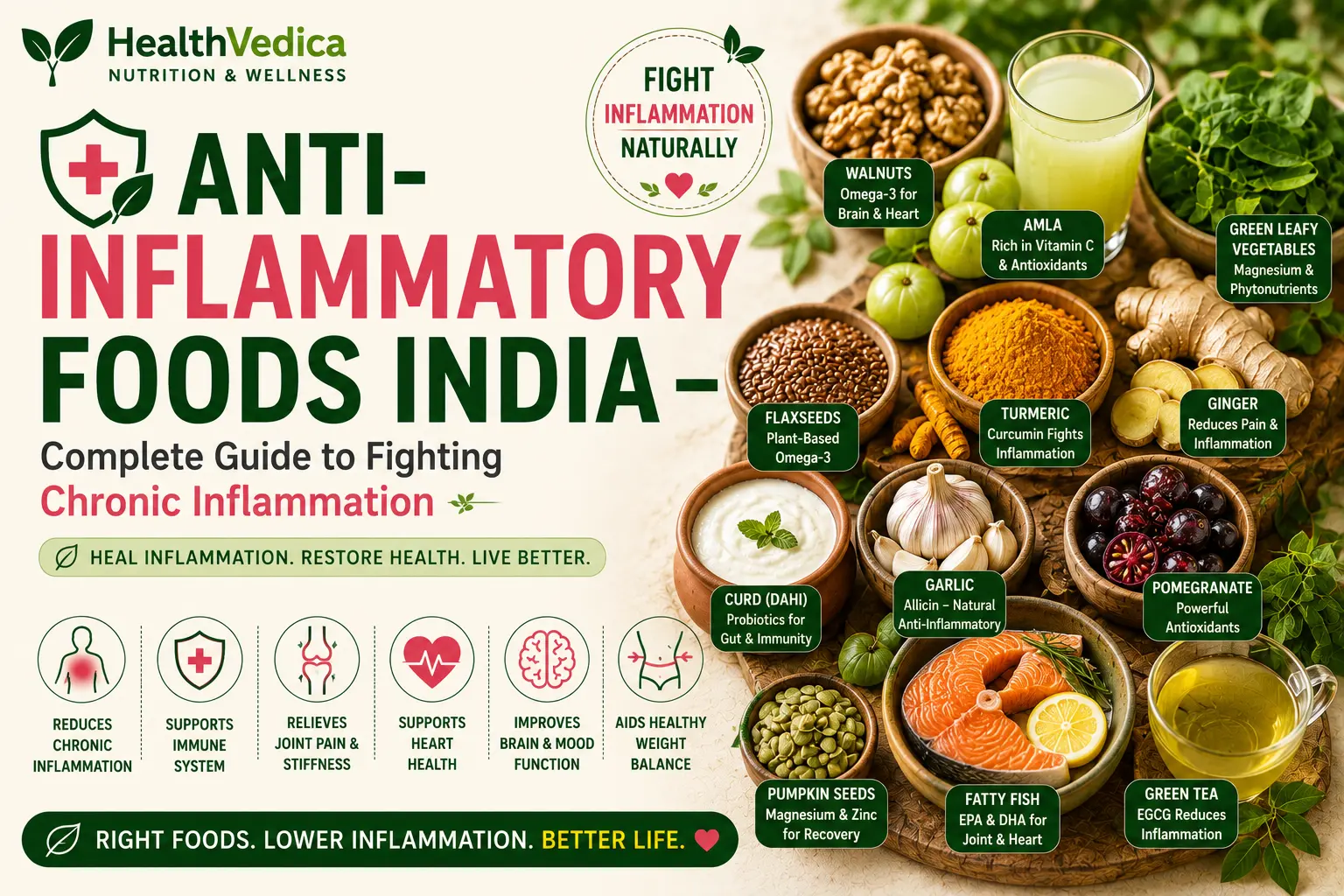
| Food | Why it can fit | Easy Indian use |
|---|---|---|
| Turmeric (haldi) | Curcumin and other plant compounds; evidence is strongest for specific preparations/conditions, not a universal cure. | Dal, sabzi, sambar or turmeric milk. |
| Ginger | Provides gingerols and other bioactive compounds; useful as a flavouring food. | Tea, dal, sabzi, soups. |
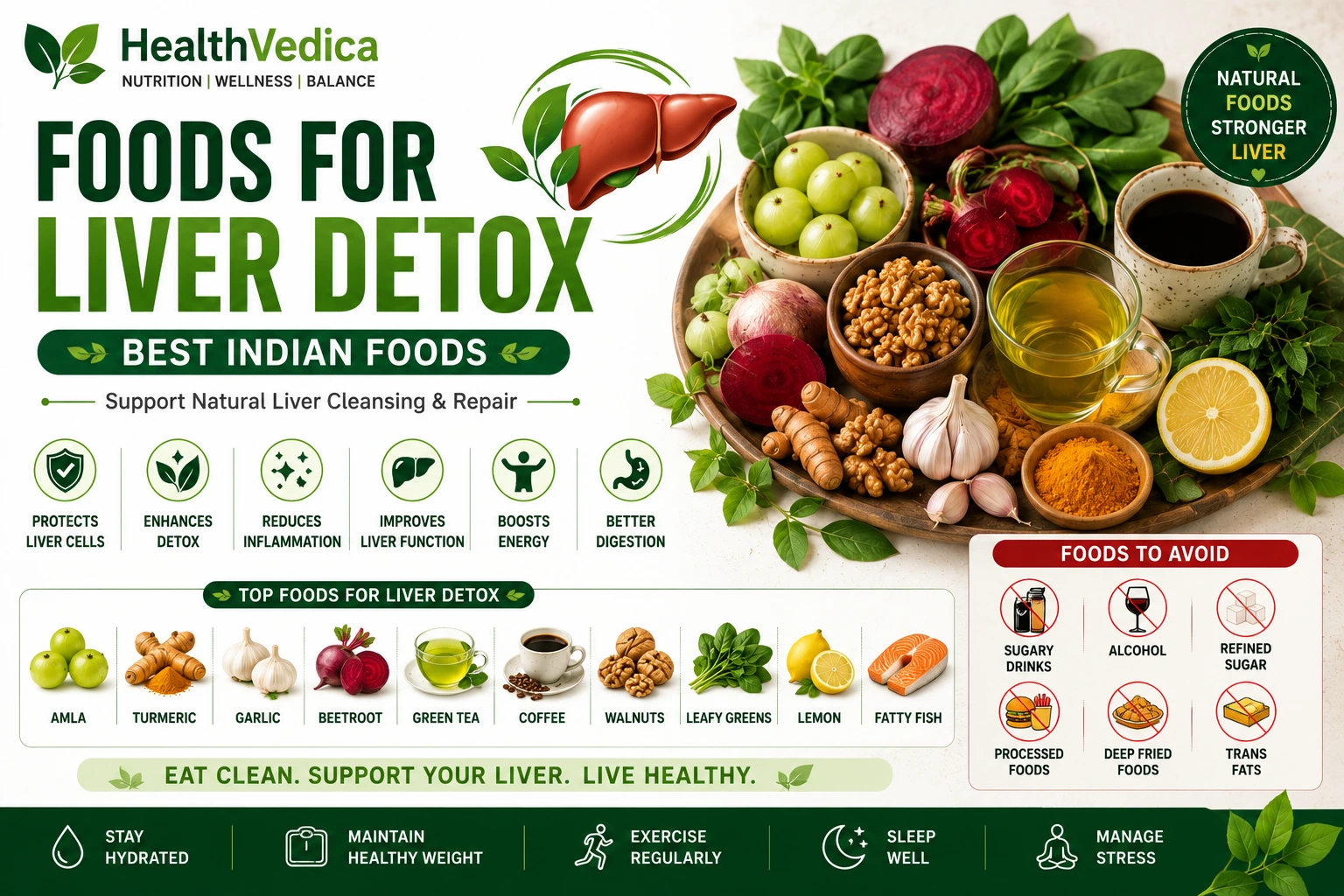
| Amla | Rich in vitamin C and polyphenols. | Whole fruit, chutney or unsweetened preparation. |
| Leafy greens | Folate, carotenoids, vitamin K and fibre. | Palak, methi, sarson, drumstick leaves. |
| Tomato | Provides lycopene and vitamin C. | Sabzi, sambar, chutney. |
| Berries/colourful fruit | Polyphenols and fibre; use locally available fruit too. | Guava, pomegranate, berries when available. |
| Walnuts | Provide ALA omega-3 and unsaturated fats. | Small handful as a snack. |
| Ground flaxseed | Provides ALA, fibre and lignans. | Add to curd, porridge or dough. |
| Fatty fish | EPA and DHA omega-3 fatty acids. | Bangda, sardines, salmon or other local oily fish. |
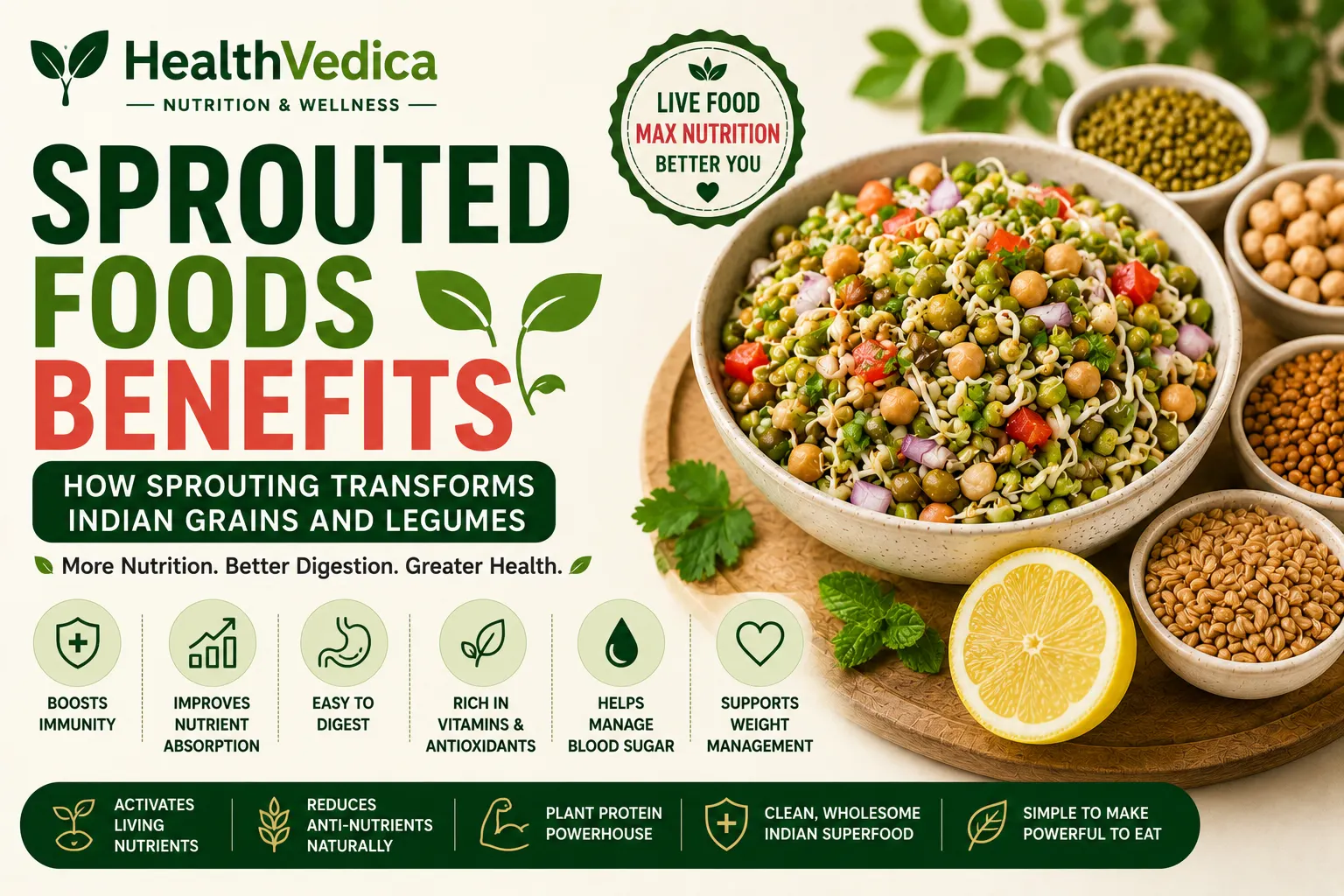
| Pulses | Fibre, plant protein and micronutrients. | Dal, rajma, chana, moong. |
| Whole grains and millets | Fibre and micronutrients; ICMR-NIN encourages whole grains and dietary diversity. | Jowar, bajra, ragi, oats or whole-wheat preparations. |
| Garlic | Contains organosulfur compounds and adds flavour without much sodium. | Curries, chutneys and dal. |
🧠 The Bigger Picture Matters More Than One Food
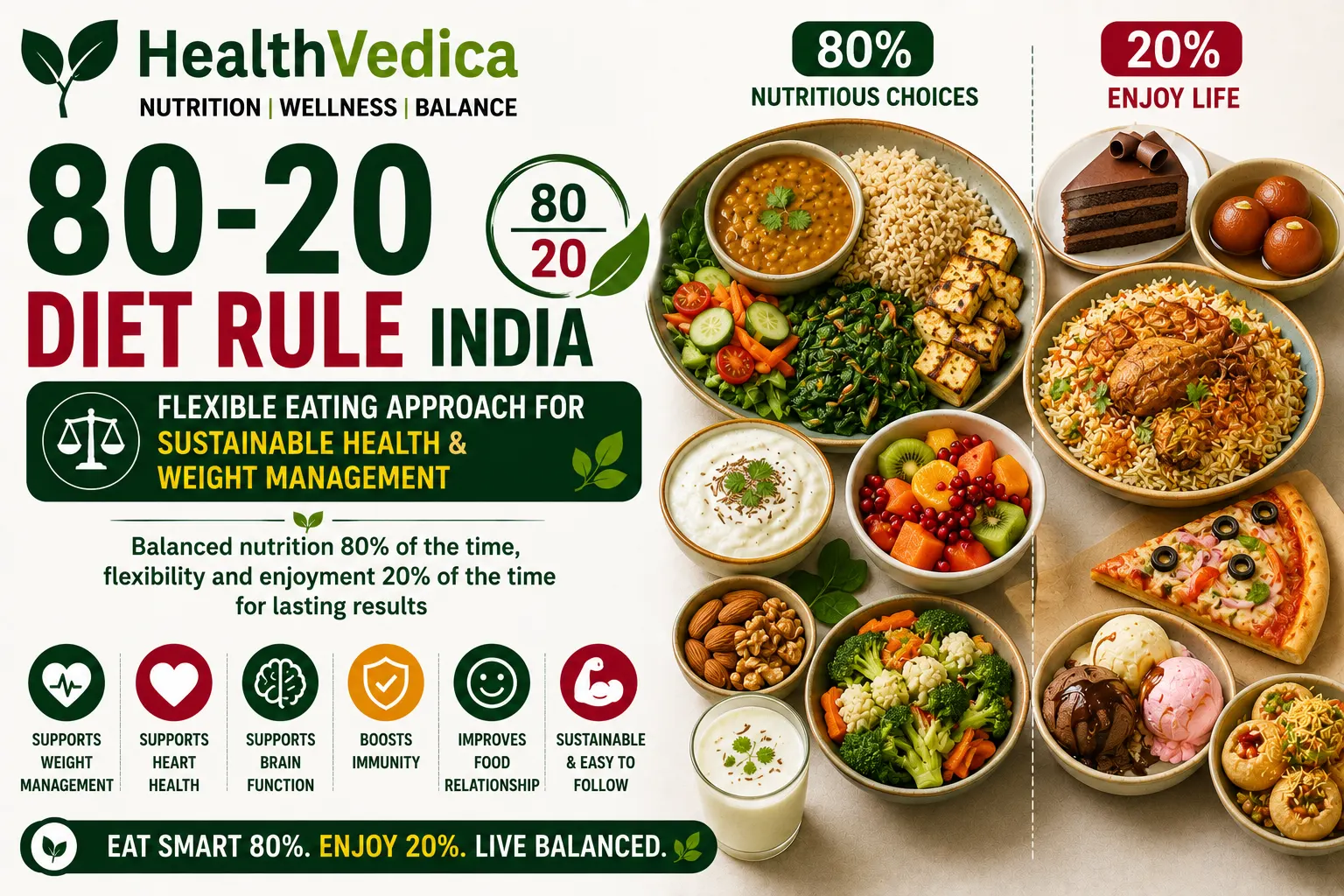
An anti-inflammatory pattern is not a list of magic ingredients. ICMR-NIN’s 2024 dietary guidance emphasizes dietary diversity and a plate containing multiple food groups, with substantial amounts of vegetables and fruit and a meaningful share of whole grains such as millets. WHO likewise recommends diets rich in whole grains, vegetables, fruit, legumes and nuts and lower in free sugars, salt, saturated fat and industrial trans fat.
🫒 What About Cooking Oils, Ghee and Butter?
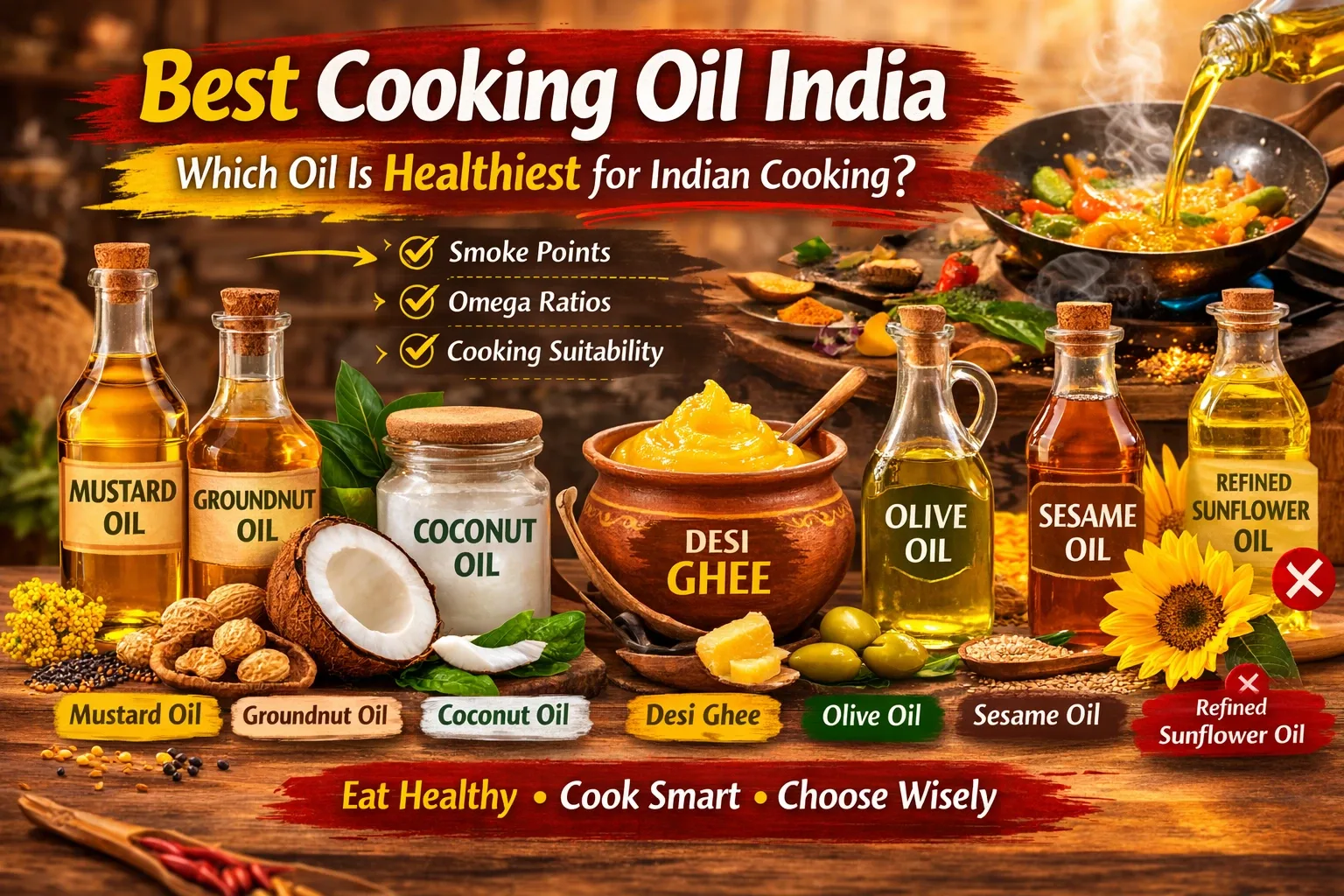
Avoid the simplistic claim that every refined seed oil is inflammatory or that ghee is an anti-inflammatory medicine. Fat quality and total intake matter. Most unsaturated vegetable oils can be part of a healthy diet; ghee and butter are higher in saturated fat and are best used in moderation. Rotating appropriate oils and keeping portions sensible is more defensible than promising that one cooking fat will “fix” inflammation.
🚫 Foods to Limit
- Sugar-sweetened drinks and frequent high-sugar desserts.
- Deep-fried foods and commercially baked snacks, especially when high in saturated or trans fat.
- Highly processed foods that are high in salt, sugar or unhealthy fats.
- Large portions of refined grains when they displace vegetables, pulses and whole grains.
- Excess alcohol, where applicable.
🌿 Ayurveda: Use It as Traditional Context, Not a Medical Shortcut
Ayurveda describes health through concepts such as Agni, Ama, dosha balance, Dinacharya and Ritucharya. These concepts are part of the Ayurvedic framework and should not be presented as direct equivalents of biomedical inflammation. If you discuss Ayurvedic herbs such as turmeric or Boswellia, distinguish traditional use from clinical evidence and avoid claiming that they replace diagnosis or prescribed treatment.
🍽️ Simple Indian Anti-Inflammatory Day
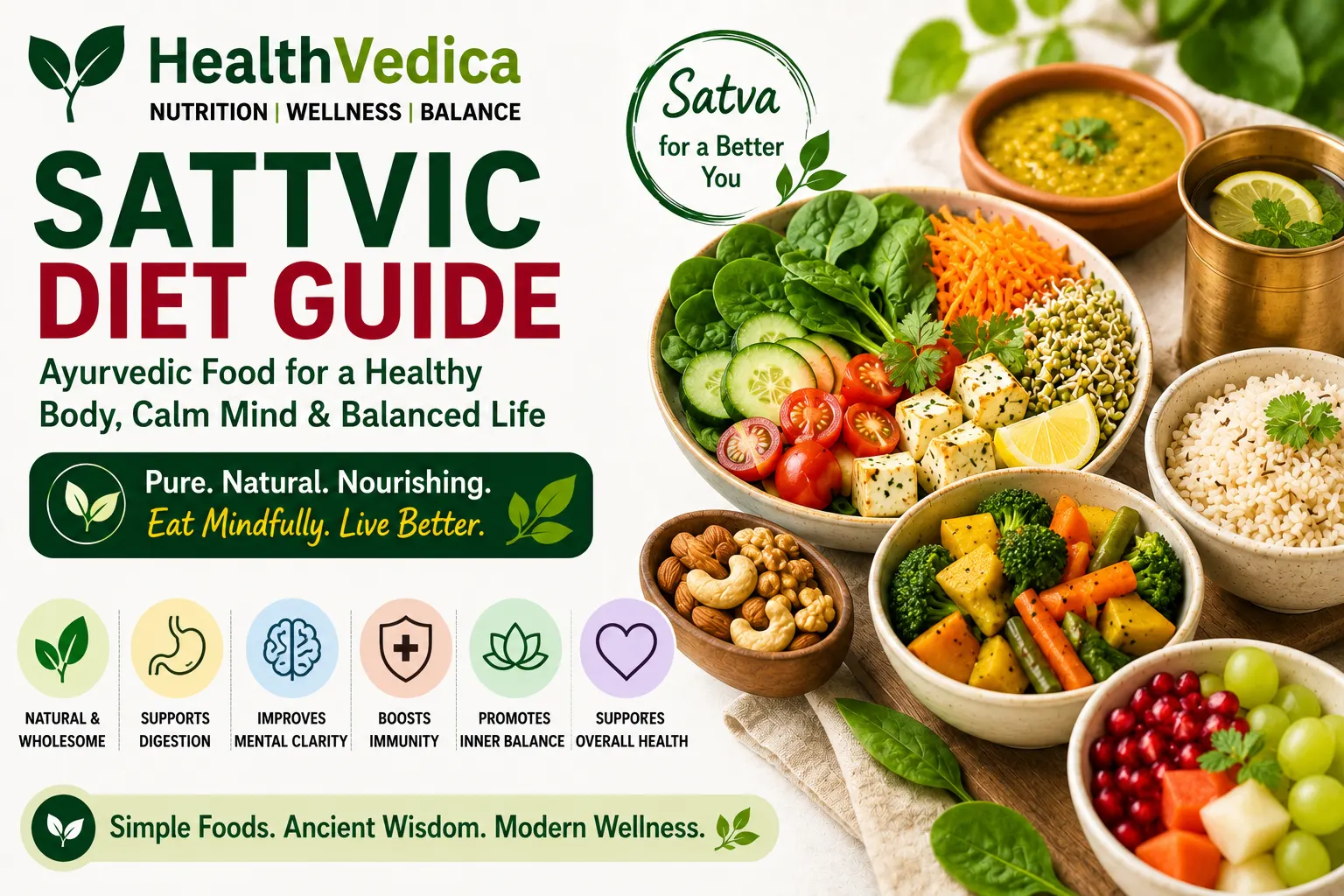
Breakfast: vegetable poha or oats + fruit. Lunch: dal + mixed vegetables + whole-grain roti or millet + curd. Snack: fruit + a small serving of nuts. Dinner: fish/paneer/tofu/beans + vegetables + a modest whole-grain portion. Drinks: water; unsweetened tea or coffee if preferred.
⚠️ When to Seek Medical Advice
Persistent joint pain, unexplained weight loss, fever, blood in stool, prolonged fatigue or other ongoing symptoms should not be self-diagnosed as “inflammation”. Blood tests such as CRP or ESR may be useful in specific clinical situations, but interpretation depends on symptoms and the reason the test was ordered.