π§οΈ Why Your Diet Needs to Change During Monsoon
The arrival of monsoon brings relief from scorching summer temperatures, but it also introduces new health challenges. Increased humidity, water contamination, food spoilage, and a rise in bacterial, viral, and fungal infections make the rainy season one of the most sensitive periods for health.
Many people notice digestive issues, bloating, food poisoning, seasonal flu, cough, cold, and reduced immunity during monsoon. Ayurveda and traditional Indian dietary wisdom have long recognized that digestion becomes weaker during this season, making food choices especially important.
A proper monsoon diet should focus on strengthening digestion, boosting immunity, preventing infections, and maintaining energy levels while avoiding foods that are difficult to digest or prone to contamination.
π¬ What Happens to the Body During Monsoon?
Humidity and atmospheric changes can affect digestion and metabolism. During monsoon:
- Digestive fire (Agni) becomes weaker
- Risk of stomach infections increases
- Waterborne diseases become more common
- Immunity may be compromised
- Appetite often decreases
- Bloating and indigestion become more frequent
This is why traditional monsoon diets emphasize warm, freshly cooked foods rather than raw, cold, or stale foods.
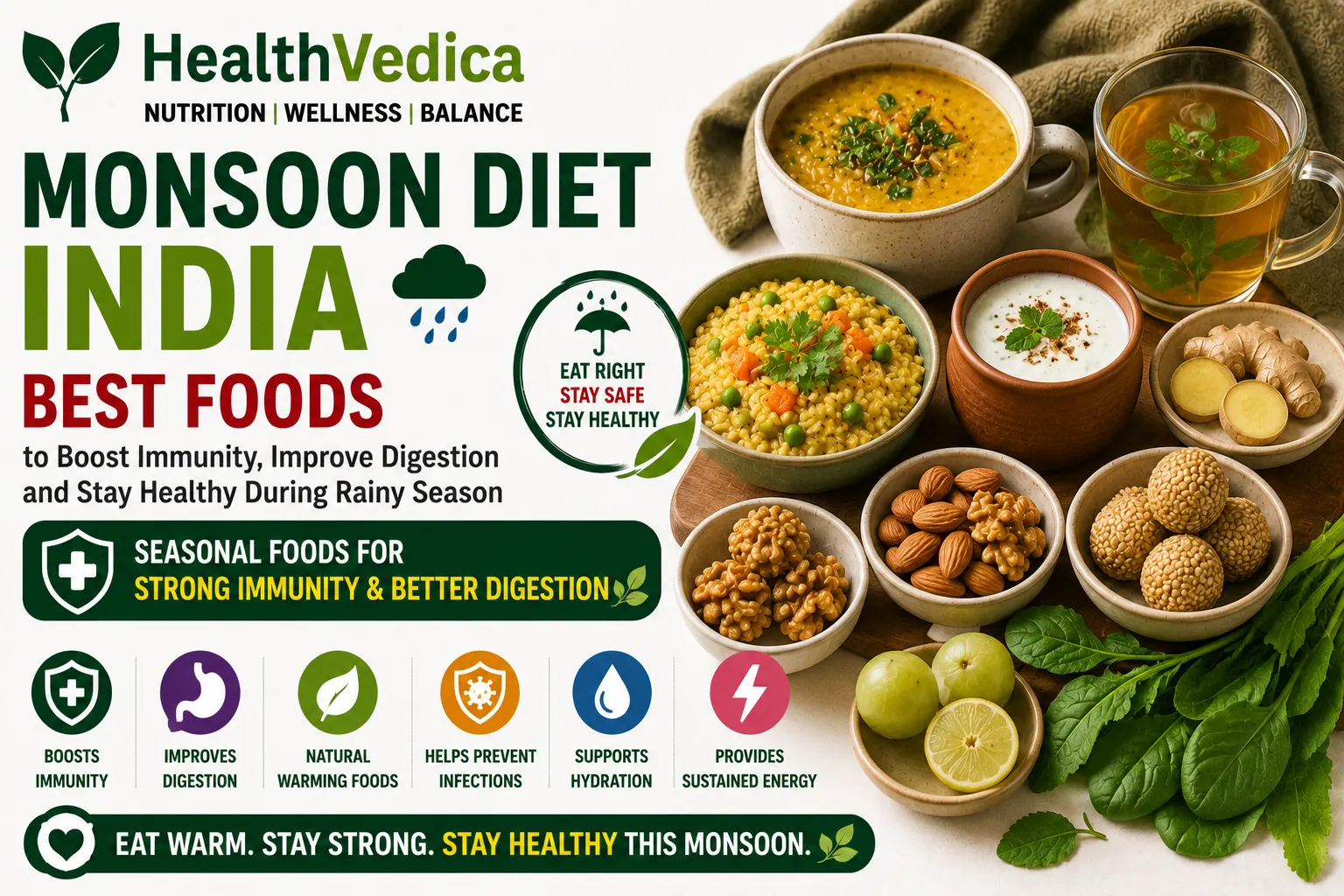
π Best Foods to Eat During Monsoon
| Food | Key Nutrient | Monsoon Benefit |
|---|---|---|
| Ginger | Gingerols | Supports digestion |
| Turmeric | Curcumin | Boosts immunity |
| Garlic | Allicin | Natural antimicrobial support |
| Moong Dal | Protein | Easy digestion |
| Buttermilk | Probiotics | Gut health support |
| Tulsi | Antioxidants | Respiratory support |
| Millets | Fiber & minerals | Sustained energy |
| Amla | Vitamin C | Immune support |
| Pepper | Piperine | Supports metabolism |
| Seasonal Fruits | Vitamins | Overall wellness |
π« Ginger β The Monsoon Digestive Hero
Ginger has been used in Indian households for centuries to combat digestive discomfort during rainy weather. Its active compounds support digestion, reduce nausea, and help relieve bloating.
A cup of ginger tea can be especially comforting during rainy days and may support respiratory health.
π‘ Turmeric β Natural Immunity Support
Monsoon often brings an increase in infections. Turmeric contains curcumin, which possesses antioxidant and anti-inflammatory properties.
Adding turmeric to curries, soups, and warm milk is an easy way to incorporate this traditional spice into daily meals.
π§ Garlic
Garlic contains sulfur compounds that have been studied for their antimicrobial properties. It also supports cardiovascular health and may contribute to stronger immune defenses.
Freshly cooked garlic can be added to soups, dals, and vegetable dishes.
π₯£ Moong Dal β Easy on the Stomach
During monsoon, digestion may become sluggish. Moong dal is one of the easiest legumes to digest and provides protein, fiber, vitamins, and minerals.
Moong dal khichdi is often recommended during illness and rainy weather because it is light, nourishing, and easy to digest.
π₯ Buttermilk (Chaas)
Fresh buttermilk provides probiotics that support gut health. A healthy gut contributes significantly to immunity and digestion.
Adding roasted cumin and mint can further enhance digestive benefits.
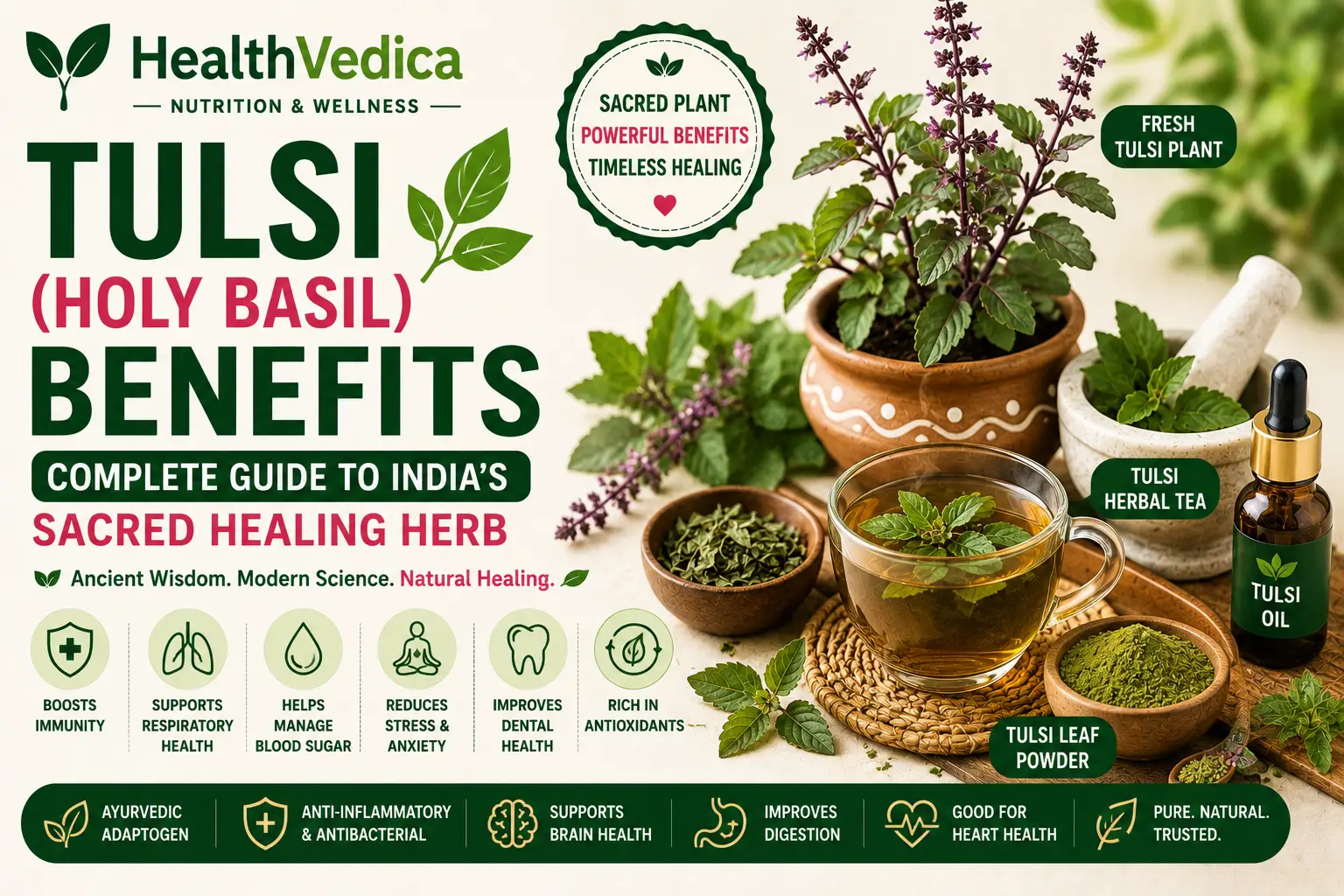
πΏ Tulsi (Holy Basil)
Tulsi is one of India's most respected medicinal herbs. It contains antioxidants and plant compounds traditionally used to support respiratory health and immunity.
Tulsi tea is particularly popular during monsoon because of its soothing properties.
πΎ Millets
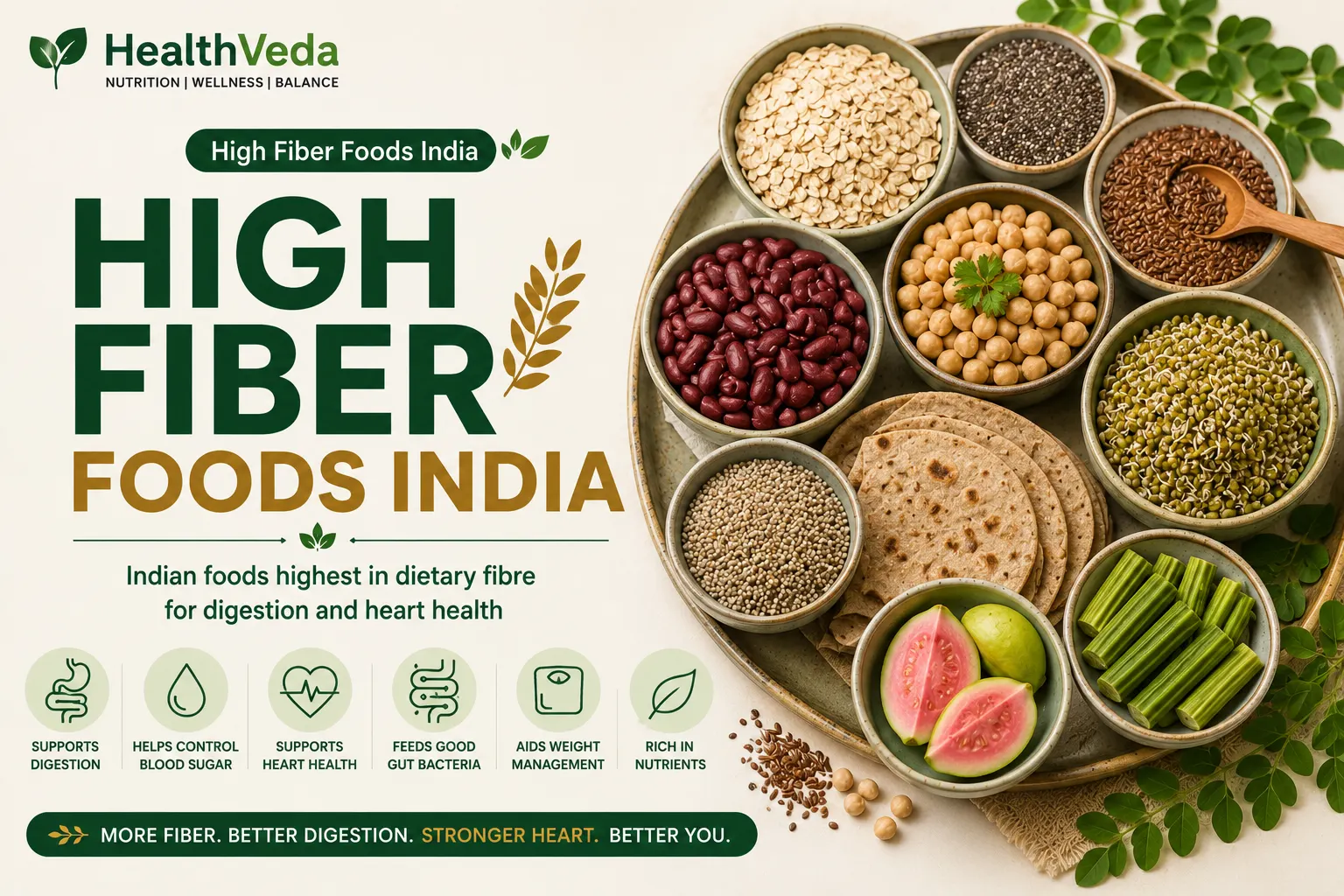
Millets such as ragi, jowar, and bajra provide complex carbohydrates, fiber, and minerals.
Unlike heavily processed foods, millets provide sustained energy and support overall nutritional intake.
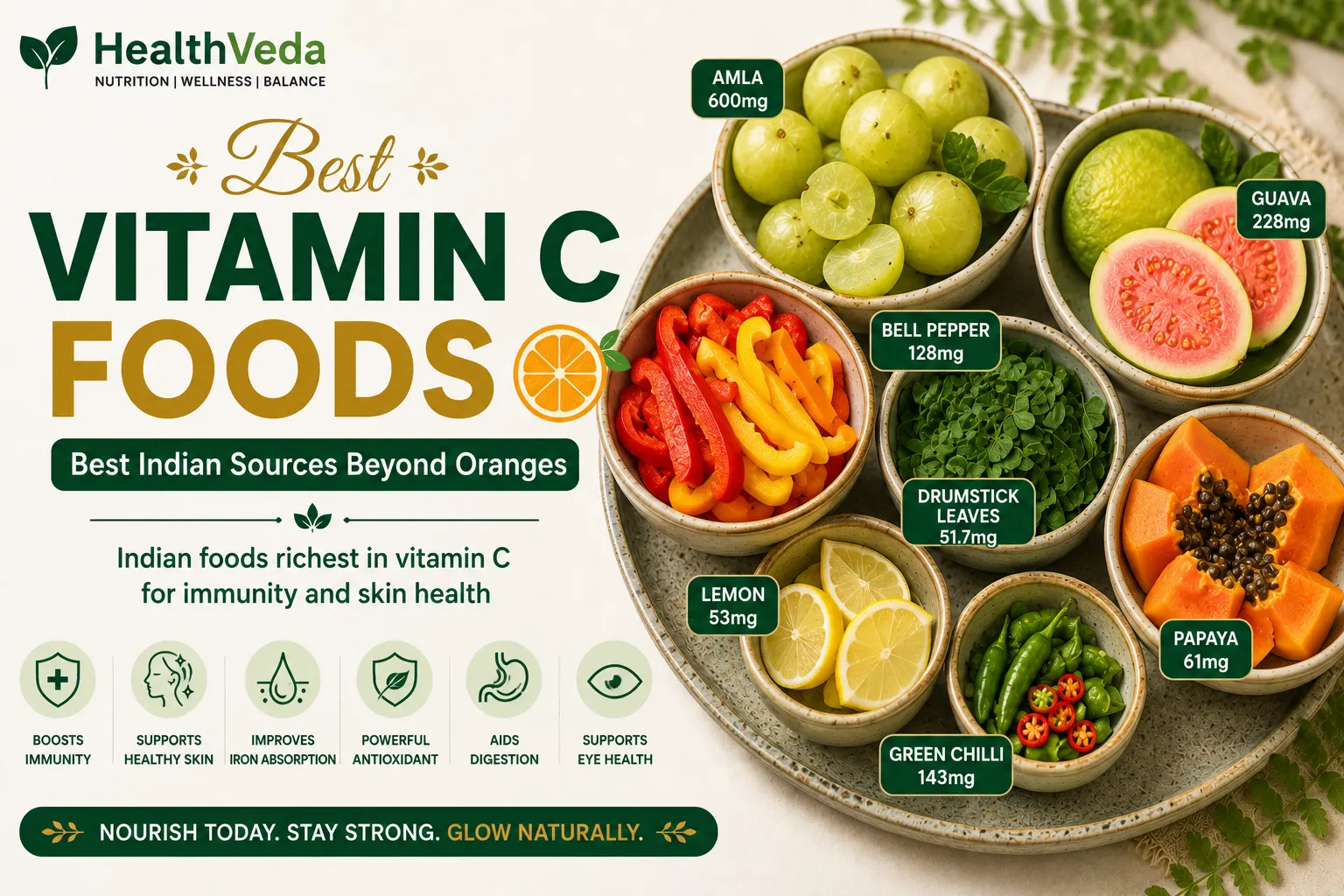
π Amla
Amla is one of the richest natural sources of vitamin C and antioxidants. Regular consumption may support immune health and help the body cope with seasonal infections.
Fresh amla, amla juice, or amla powder can be included regularly.
πΆοΈ Black Pepper
Black pepper stimulates digestion and enhances the absorption of certain nutrients such as curcumin from turmeric.
Traditional Indian soups and rasam often combine pepper with other warming spices during rainy weather.
π² Best Monsoon Comfort Foods
| Food | Benefit |
|---|---|
| Moong Dal Khichdi | Easy digestion |
| Vegetable Soup | Hydration and nutrients |
| Rasam | Digestive support |
| Upma | Light and filling |
| Steamed Idli | Easy to digest |
| Dalia Porridge | Comforting and nutritious |
π« Foods to Avoid During Monsoon
Certain foods carry higher risks during rainy weather:
- Street food exposed to contamination
- Cut fruits sold in open environments
- Raw leafy vegetables that are difficult to clean thoroughly
- Stale leftovers
- Undercooked seafood
- Excessively oily foods
- Sugary processed foods
Foodborne illnesses increase significantly during monsoon, making food hygiene especially important.
β οΈ Why Raw Foods Need Extra Caution
While salads are generally healthy, rainy season contamination risks are higher. Raw vegetables may harbor bacteria and parasites if not washed thoroughly.
Lightly cooked vegetables are often a safer option during monsoon.
π§ Hydration During Rainy Season
People often drink less water during monsoon because temperatures are cooler. However, hydration remains essential.
Include:
- Clean filtered water
- Herbal teas
- Soups
- Buttermilk
- Warm water
Avoid relying on sugary beverages.
πΏ Ayurvedic Perspective on Monsoon Diet
According to Ayurveda, the rainy season aggravates Vata dosha and weakens digestion. Warm, freshly cooked, mildly spiced foods are recommended to maintain digestive strength.
Traditional monsoon foods often include ginger, pepper, turmeric, garlic, soups, khichdi, herbal teas, and easily digestible grains.
Cold drinks, excessive raw foods, and stale foods are generally discouraged.
π½οΈ Sample Monsoon Meal Plan
Morning: Warm water + ginger tea
Breakfast: Vegetable upma or idli
Mid-Morning: Fresh seasonal fruit
Lunch: Moong dal khichdi + curd + cooked vegetables
Evening: Tulsi tea + roasted chana
Dinner: Vegetable soup + millet roti + dal
Before Bed: Turmeric milk
π‘οΈ Monsoon Foods for Strong Immunity
- Amla
- Turmeric
- Garlic
- Ginger
- Tulsi
- Curd
- Citrus fruits
- Seasonal vegetables
These foods provide vitamins, antioxidants, probiotics, and plant compounds that support overall immune function.
π‘ Final Thoughts
The monsoon season demands special attention to digestion, immunity, and food safety. Warm freshly cooked foods, digestive spices, probiotics, seasonal fruits, and immune-supportive ingredients help the body adapt to rainy weather.
Simple traditional foods such as khichdi, ginger tea, turmeric milk, vegetable soups, and buttermilk often outperform trendy health foods during this season. Following a thoughtful monsoon diet can reduce digestive issues, improve immunity, and help you enjoy the rainy season while staying healthy.