blogs

Baby and Child Nutrition India πŸ‘Ά: Best Foods for Growth and Brain Development

Last updated:
🌿 Complete Indian nutrition guide for infant and child growth
Baby Nutrition for Healthy Growth β€” Nutrition, Health Benefits & Remedies
Baby & Child Nutrition India: Best Foods for Growth & Brain Development | Health Vedica
⚠️ Medical Disclaimer: This content is for informational purposes only and does not constitute medical advice. Always consult a qualified healthcare professional for diagnosis and treatment.

πŸ‘Ά Child Nutrition: India's Critical Priority

India faces a dual nutrition crisis in children: 35.5% of children under 5 are stunted (low height for age β€” indicating chronic undernutrition), while simultaneously, childhood obesity is rising at 19% annually in urban areas. This double burden β€” undernutrition in rural India and overnutrition in urban India β€” reflects both food security challenges and a dramatic shift in food quality from traditional, nutrient-dense foods to processed, calorie-dense, nutrient-poor alternatives.

The first 1,000 days of life β€” from conception to age 2 β€” represent the most critical window for brain development, immune programming, and physical growth. Nutritional deficiencies during this window cause lasting consequences: impaired cognitive development, reduced school performance, lower lifetime earnings, and increased chronic disease risk. Conversely, optimal nutrition during the first 1,000 days produces lasting benefits that persist throughout life.

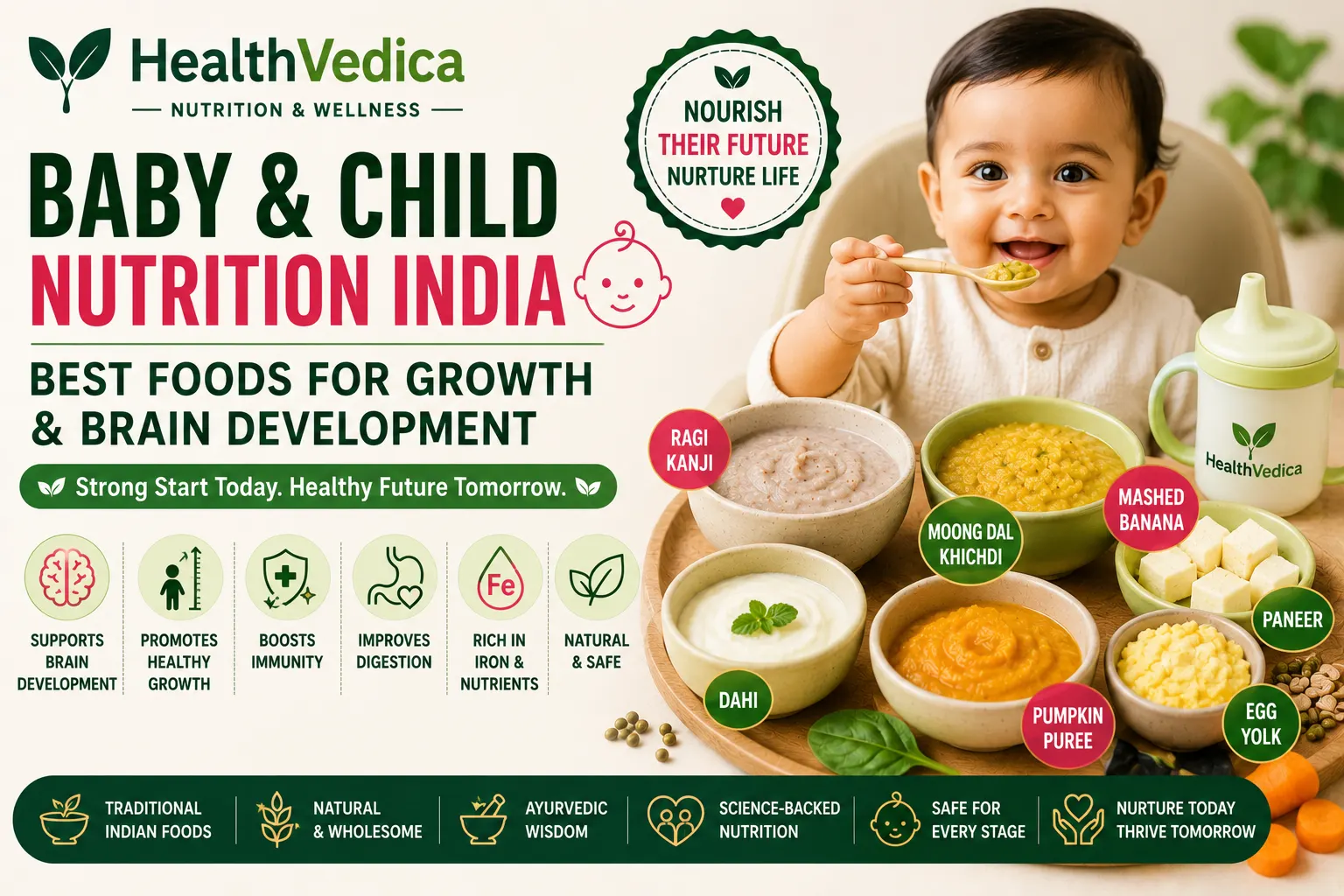
India's traditional weaning foods β€” ragi kanji (finger millet porridge), dal pani, mashed banana, and khichdi β€” are nutritionally superior to many commercial baby foods and are being rediscovered by modern nutritionists as ideal first foods. This guide combines the wisdom of traditional Indian child feeding with current pediatric nutrition science.

πŸ”¬ Critical Nutrients for Indian Children's Growth and Development

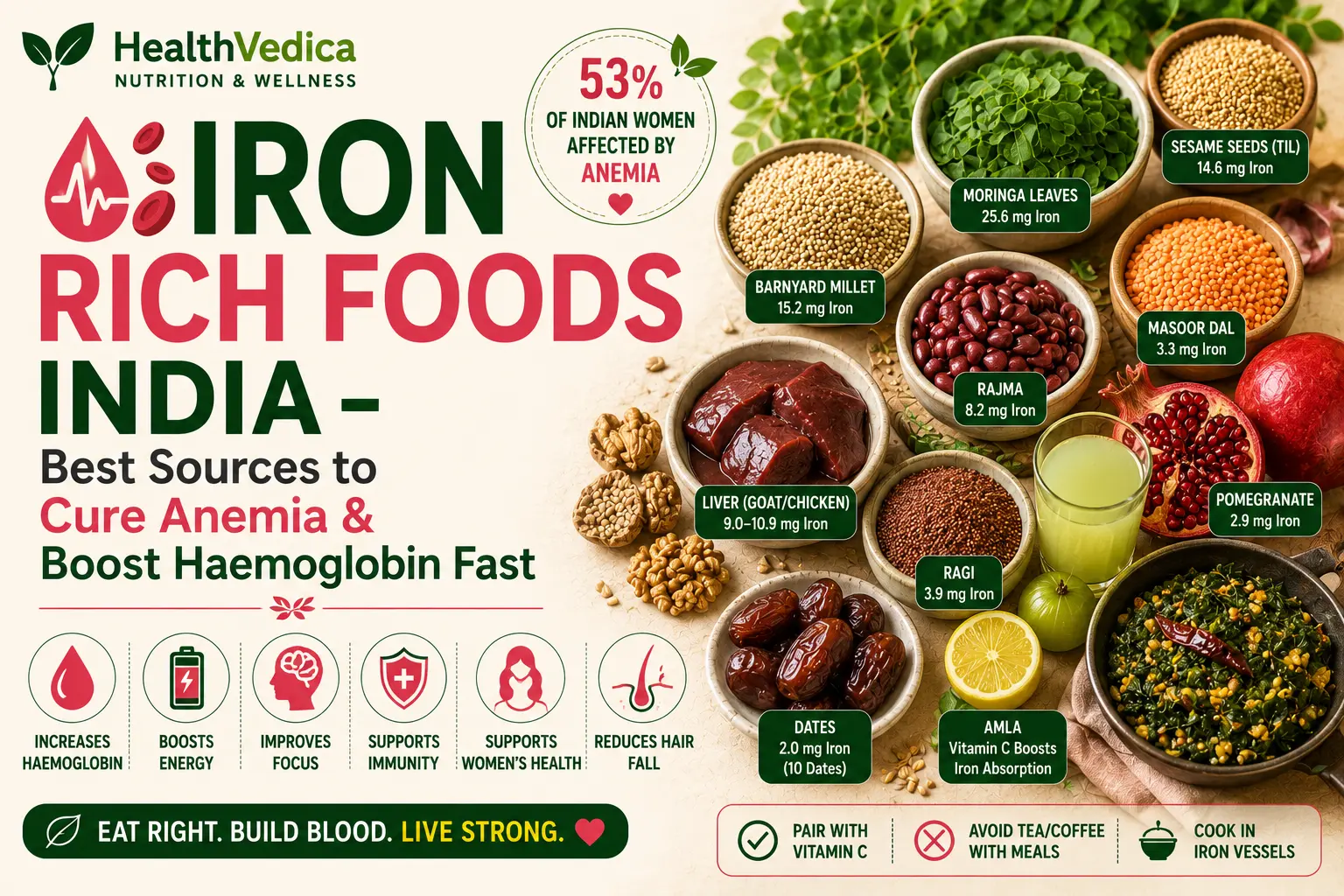
Iron β€” India's Most Urgent Child Nutrition Deficiency: Iron deficiency anaemia affects 58% of children under 5 in India β€” one of the world's highest rates. Iron is critical for brain development (myelin sheath formation around nerve fibres), oxygen transport, immune function, and physical growth. Deficiency causes irreversible cognitive impairment, reduced attention span, learning difficulties, and impaired physical development. Sources: ragi (3.9mg/100g), dal, rajma, eggs (especially yolk), moringa leaves, and iron-fortified foods. Always pair with vitamin C foods to enhance non-heme iron absorption.

DHA (Omega-3) β€” The Brain-Building Fat: DHA constitutes 25–40% of the fatty acids in brain gray matter. Brain growth is most rapid in the last trimester of pregnancy and first 2 years of life β€” DHA demand is highest during this period. Inadequate DHA impairs visual acuity, language development, and problem-solving ability. Sources for children: fatty fish (rohu, surmai), eggs (yolk), breast milk (of well-nourished mothers), and DHA-fortified formula/foods. Vegetarian children need algae-based DHA supplementation.

Zinc: Required for growth, immune function, wound healing, taste perception, and cognitive development. Deficiency impairs growth and causes recurrent infections. Common in India due to phytate-rich vegetarian diets. Sources: pumpkin seeds, dal, eggs, paneer, chicken.

Iodine: Critical for thyroid hormone production essential for brain development. Iodine deficiency is the world's leading preventable cause of intellectual disability. Ensure use of iodised salt in all cooking from pregnancy through childhood.

Vitamin D and Calcium: Essential for bone mineralisation during peak growth. India's rickets prevalence (despite sunshine) is among Asia's highest due to vitamin D deficiency. Ensure adequate sun exposure and dietary calcium (ragi, dairy).

πŸ“Š Age-Specific Nutrition Guide for Indian Children

Age GroupPrimary NutritionKey Indian FoodsKey Nutrients to Focus
0–6 monthsExclusive breastfeedingMother's nutrition criticalDHA, iodine, vitamin D (supplement)
6–8 monthsBreast milk + first solidsRagi kanji, dal pani, mashed banana, moong dal khichdiIron, zinc, first textures
8–12 monthsBreast milk + varied solidsKhichdi, mashed dal-rice, dahi, mashed vegetablesIron, calcium, diverse flavours
1–2 yearsFamily foods + breast milkSoft roti, dal, sabzi, dahi, eggs, ragiIron, DHA, zinc, vitamin D
2–5 yearsFull family dietVaried grains, dal, vegetables, dairy, eggs/fishAll macros, iron, calcium, brain nutrients
5–12 yearsSchool nutritionComplete balanced meals + healthy tiffinCalcium (bones), iron, brain nutrients
TeenagersPeak growth demandsHigh protein, calcium, iron (especially girls)Iron (girls), calcium, zinc, B12

βœ… Best Indian Foods for Child Growth and Brain Development

1. Ragi (Finger Millet) β€” India's Perfect Baby Food
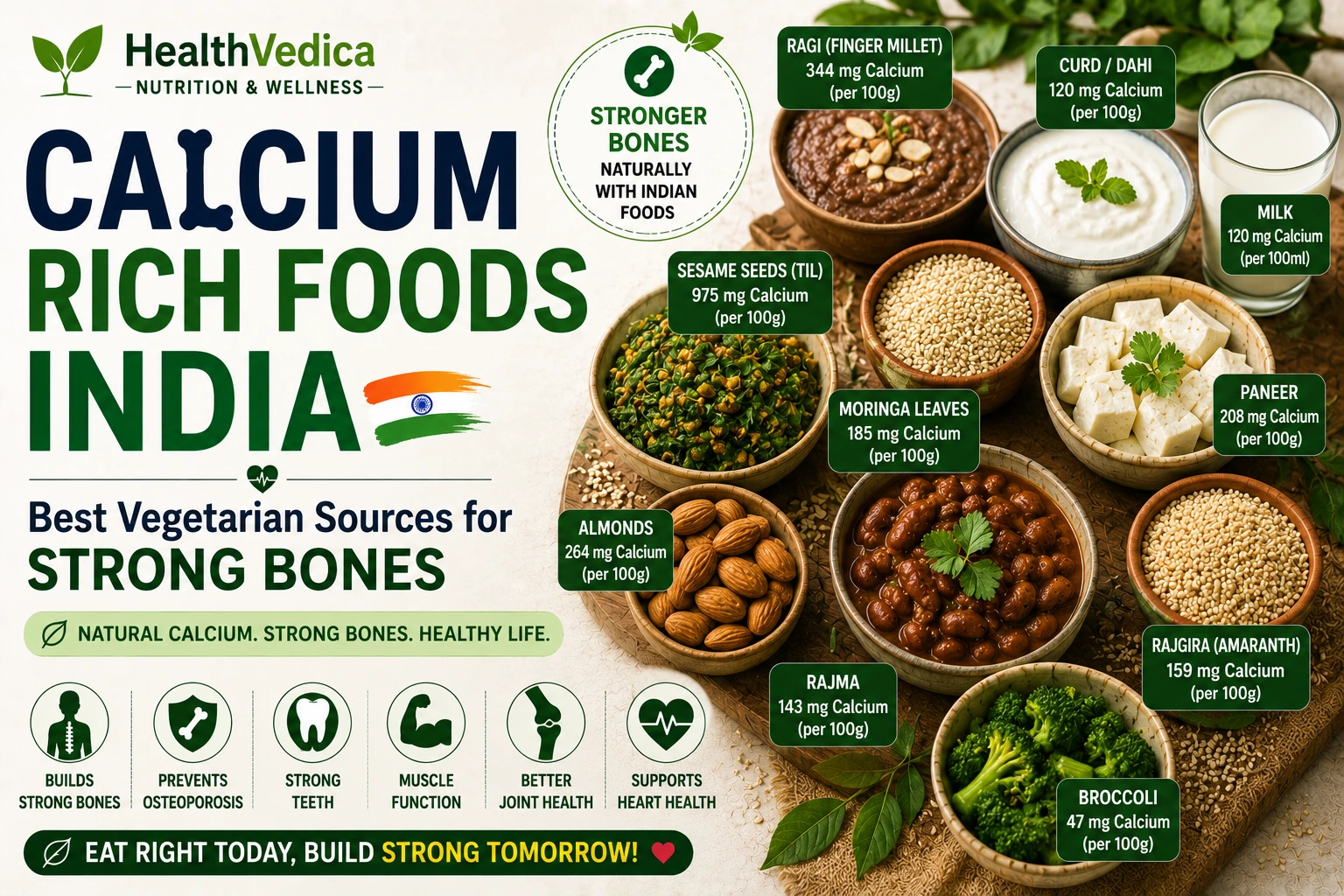
Ragi is arguably India's best traditional weaning and child food. It provides: 344mg calcium per 100g (highest of any grain β€” critical for bone development), 3.9mg iron, complete B vitamins, and essential amino acids. Ragi kanji (finger millet porridge) has been the traditional first food for babies in South India for centuries β€” for excellent scientific reasons. Unlike commercial baby foods, ragi is naturally gluten-free, easily digestible, and provides real nutrition rather than refined starch. Prepare as: ragi kanji (ragi flour cooked in water/milk to smooth porridge), ragi mudde (balls), ragi dosa, or ragi laddoo (for older children with jaggery and ghee).

2. Moong Dal Khichdi β€” The Perfect First Food
The Ayurvedic ideal for weaning food β€” and modern pediatric nutritionists agree. Moong dal khichdi provides: complete protein (rice + dal combination provides all essential amino acids), carbohydrates for energy, B vitamins, iron, and easy digestibility. The gentle, sattvic nature of moong dal suits infant digestive systems. Begin with very soft, watery khichdi at 6 months and gradually thicken texture. Add a small amount of ghee (enhances fat-soluble vitamin absorption, provides energy density for small stomachs) and a pinch of turmeric (mild antiseptic, anti-inflammatory).

3. Eggs β€” Complete Brain Nutrition
Eggs are one of the most complete single foods for child brain development. Egg yolk provides: DHA (omega-3 for brain construction), choline (critical for memory and cognitive function β€” the brain's structural fat phosphatidylcholine is made from dietary choline), iron, zinc, vitamin D, vitamin B12, and complete protein. Introduce whole egg (not just white) after 6 months β€” current guidelines support early egg introduction. Daily egg consumption in children significantly improves height-for-age, cognitive scores, and micronutrient status in multiple Indian and global studies.

4. Moringa (Drumstick Leaves)
WHO has specifically recommended moringa as a low-cost nutritional intervention for child malnutrition in developing countries. For Indian children: moringa provides iron, calcium, vitamin A, protein, and zinc in a single plant food. Add moringa leaves to sambar, dal, or as moringa powder in ragi kanji or khichdi. Even 10g of moringa leaves daily provides meaningful micronutrient supplementation for children.

5. Dahi and Dairy
Dahi provides calcium (240mg/cup) for bone growth, protein for muscle development, probiotics for immune development and gut health, and B vitamins. Children on adequate dairy have measurably higher bone density and height. Introduce dahi at 8 months; continue as a daily food through childhood. Paneer provides concentrated protein and calcium β€” excellent for vegetarian children to meet protein requirements.

6. Banana
The ideal early fruit for babies. Bananas provide: easily digestible carbohydrates for energy, potassium for heart and muscle function, vitamin B6 for brain development, vitamin C, and natural prebiotics (fructooligosaccharides). Mashed banana is an ideal first finger food from 6 months. Banana and ragi combination (banana-ragi porridge) is nutritionally exceptional for infants.

7. Seasonal Fruits and Colourful Vegetables
Diverse colourful vegetables and fruits provide the full spectrum of antioxidants, vitamins, and phytonutrients necessary for healthy immune development. Research shows diverse vegetable exposure in early childhood (before age 2) programmes food preferences and reduces picky eating in later years. Introduce a new vegetable every 3–5 days in the 6–12 month period. Offer bitter, sour, and savoury tastes alongside sweet β€” programming palate diversity early.

🌿 Ayurvedic Child Nutrition (Bala Roga Chikitsa)

Ayurveda has a complete system of child nutrition (Kaumara Bhritya). Key principles:

Suvarna Prashan: Traditional Indian practice of administering honey + ghee + Suvarna Bhasma (gold ash in infinitesimal amounts) to newborns and young children. Modern research suggests the gold nanoparticles may have immunomodulatory properties. Widely practised in many Indian communities.

Lehyams (medicated linctuges): Traditional preparations like Dhatri Rasayan, Brahmi Ghrita, and Bala Arishtam provide concentrated nutrition and herbs for growing children.

Ghee for child growth: Ghee in children's food provides fat-soluble vitamins (A, D, E, K), butyrate (gut health), brain-building cholesterol, and concentrated calories for small appetites. 1–2 tsp daily in dal, khichdi, or on roti is appropriate from 6 months.

🚫 Foods Children Should Avoid

Under 1 year β€” strict avoidances: Honey (risk of infant botulism β€” clostridium botulinum spores), cow's milk as primary drink (before 1 year β€” inadequate iron, may cause intestinal bleeding), salt and sugar (kidneys cannot process well under 1 year), whole nuts (choking hazard), raw vegetables (choking and digestibility), and ultra-processed foods.

All ages β€” strongly minimise: Packaged biscuits, chips, namkeen, sugary juices, soft drinks, flavoured milk drinks (disguised sugar water), commercial instant noodles (Maggi-type β€” sodium, refined maida), and screen-time eating habits (prevents intuitive eating recognition).

πŸ’‘ Practical Healthy Child Meal Ideas

6–8 months: Ragi kanji with breast milk | Moong dal water | Mashed banana | Soft cooked pumpkin or sweet potato

9–12 months: Soft moong dal khichdi + ghee | Mashed egg yolk | Dahi | Soft-cooked moringa leaves in dal | Mashed papaya

Toddler (1–3 years): Ragi dosa + sambar | Soft chapati + dal | Egg bhurji + toast | Dahi + banana | Paneer cubes | Fruit bowl

School tiffin ideas: Ragi ladoo (nutritious, no-cook snack) | Moong dal chilla + green chutney | Fruit + nuts | Idli + sambar in thermos | Paneer sandwich | Besan laddoo | Boiled egg + fruit

❓ Frequently Asked Questions

Common questions about Baby Nutrition for Healthy Growth

Moong dal khichdi (very soft, watery consistency) is the ideal Indian first food β€” providing complete protein, iron, and easy digestibility. Ragi kanji (finger millet porridge with breast milk or formula) is the traditional South Indian first food and nutritionally exceptional. Plain mashed banana is an excellent fruit first food. Mashed soft-cooked pumpkin or sweet potato provides beta-carotene. Start one food at a time every 3–5 days to monitor for allergies. Avoid salt, sugar, and honey completely in the first year.
Homemade Indian food is nutritionally superior in most respects. Traditional Indian weaning foods β€” ragi kanji, moong dal khichdi, dahi, mashed vegetables β€” provide real, whole-food nutrition without preservatives, excess salt, or hidden sugars common in commercial baby foods. Commercial baby food's main advantage is convenience and long shelf life. For busy parents, having a few trusted commercial options as backup while primarily feeding homemade food is a practical approach. Always read labels β€” avoid commercial baby foods with added sugar, salt, or artificial additives.
Vegetarian Indian children can get excellent protein from: dal (7–9g/100g cooked), paneer (18g/100g), dahi (3.5g/100g), eggs (13g/100g β€” if lacto-ovo vegetarian), soya chunks (52g protein/100g dry), moong sprouts, and rajma. The key is variety and adequate quantity. Ensure at least 2 protein-rich foods at every meal. Ragi + dal combination provides complementary amino acids similar to complete animal protein. For purely vegan children, consult a paediatric dietitian to ensure B12, DHA, and zinc adequacy.
Top brain-building foods for Indian children: eggs (DHA, choline, B12 β€” most complete brain food), fatty fish (DHA β€” essential for brain grey matter), dahi (gut-brain axis, B vitamins), walnuts (omega-3, polyphenols), ragi (B vitamins, iron for oxygen delivery to brain), moringa (iron, DHA precursors), and saffron milk (crocin β€” supports brain neurotransmitters). Adequate iron is especially critical β€” iron deficiency is the leading nutritional cause of impaired cognitive development in Indian children.
Ragi is exceptional for Indian babies and children. With 344mg calcium per 100g (highest of any grain), it far surpasses wheat and rice for bone development. Its 3.9mg iron content addresses India's prevalent childhood iron deficiency anaemia. Ragi provides complete B vitamins, is naturally gluten-free (safe for all babies), is easily digestible when well-cooked, and has a flavour that babies readily accept. South Indian communities feeding ragi kanji as primary weaning food consistently show better growth metrics and bone density than those relying on wheat and rice alone.
Related Blogs