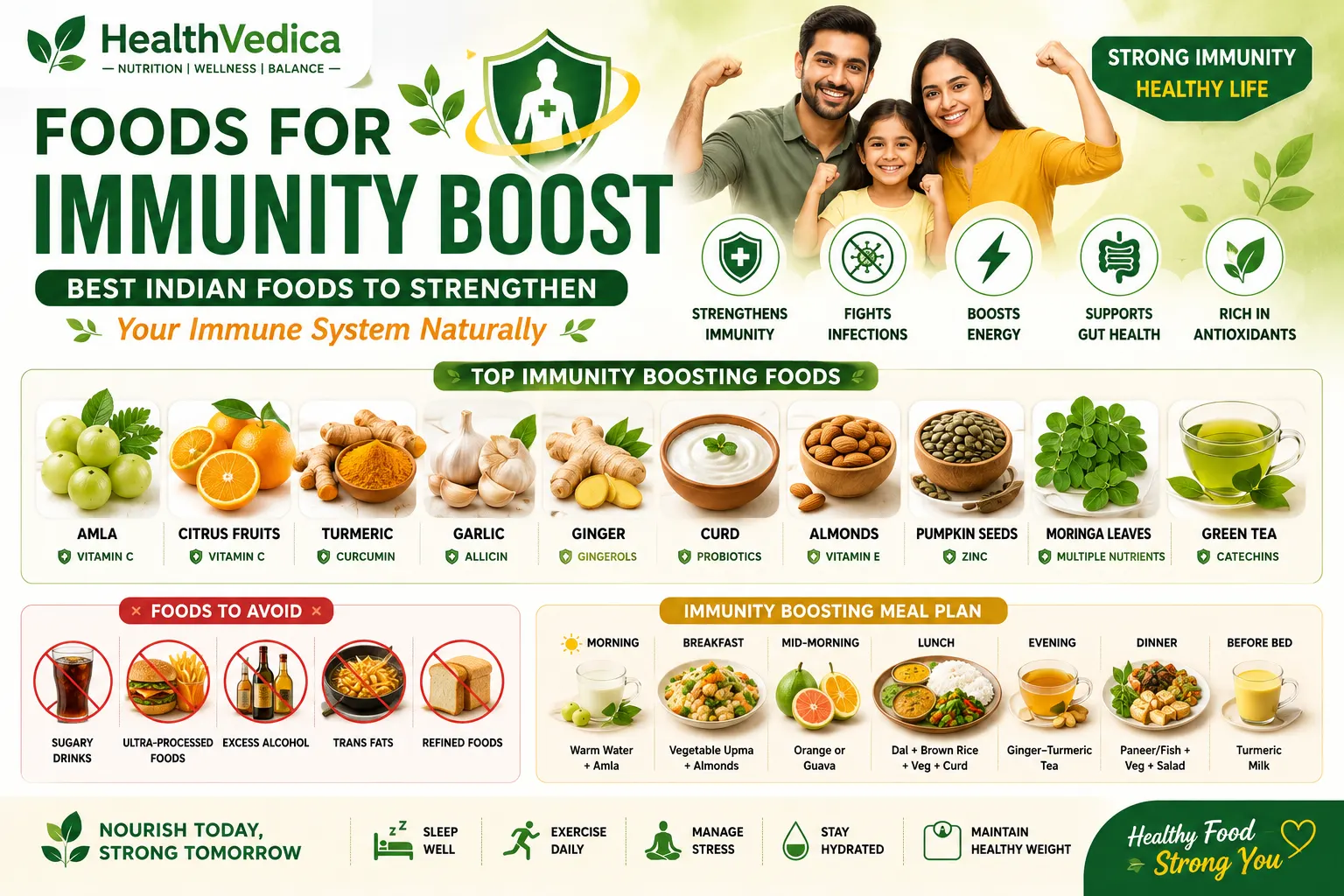
🛡️ Your Immune System: The Body's Personal Defense Army
Your immune system needs a steady supply of energy, protein, vitamins and minerals to function normally. There is no single food that can instantly 'boost' immunity. A varied diet with fruits, vegetables, pulses, nuts, seeds and adequate protein is a more useful long-term approach, alongside sleep, activity and appropriate vaccination.
Quick takeaways: A strong immune system depends on overall nutrition and health—not a single 'immunity booster'. Focus on dietary variety, adequate protein and key micronutrients.
Many people think immunity can be boosted overnight with supplements or popular drinks. The reality is different. A strong immune system is built through consistent nutrition, quality sleep, regular exercise, stress management, and healthy lifestyle habits.
India faces unique immune challenges due to air pollution, lifestyle diseases, nutritional deficiencies, high stress levels, poor sleep habits, and increasing consumption of processed foods. As a result, many people experience frequent colds, slow recovery from infections, fatigue, and reduced resilience.
The good news is that your daily diet can significantly influence immune function. Certain foods provide vitamins, minerals, antioxidants, probiotics, and plant compounds that help immune cells function efficiently.
🔬 How Nutrition Supports Immunity
The immune system requires a constant supply of nutrients to produce immune cells, antibodies, signaling molecules, and protective barriers.
Vitamin C supports white blood cell function and antioxidant protection.
Vitamin D helps regulate immune responses and reduce excessive inflammation.
Zinc plays a crucial role in immune cell development.
Protein provides the building blocks for antibodies and immune tissues.
Probiotics support gut health, where approximately 70% of the immune system resides.
Antioxidants protect immune cells from oxidative damage caused by stress and infections.
📊 Best Foods for Immunity Boost
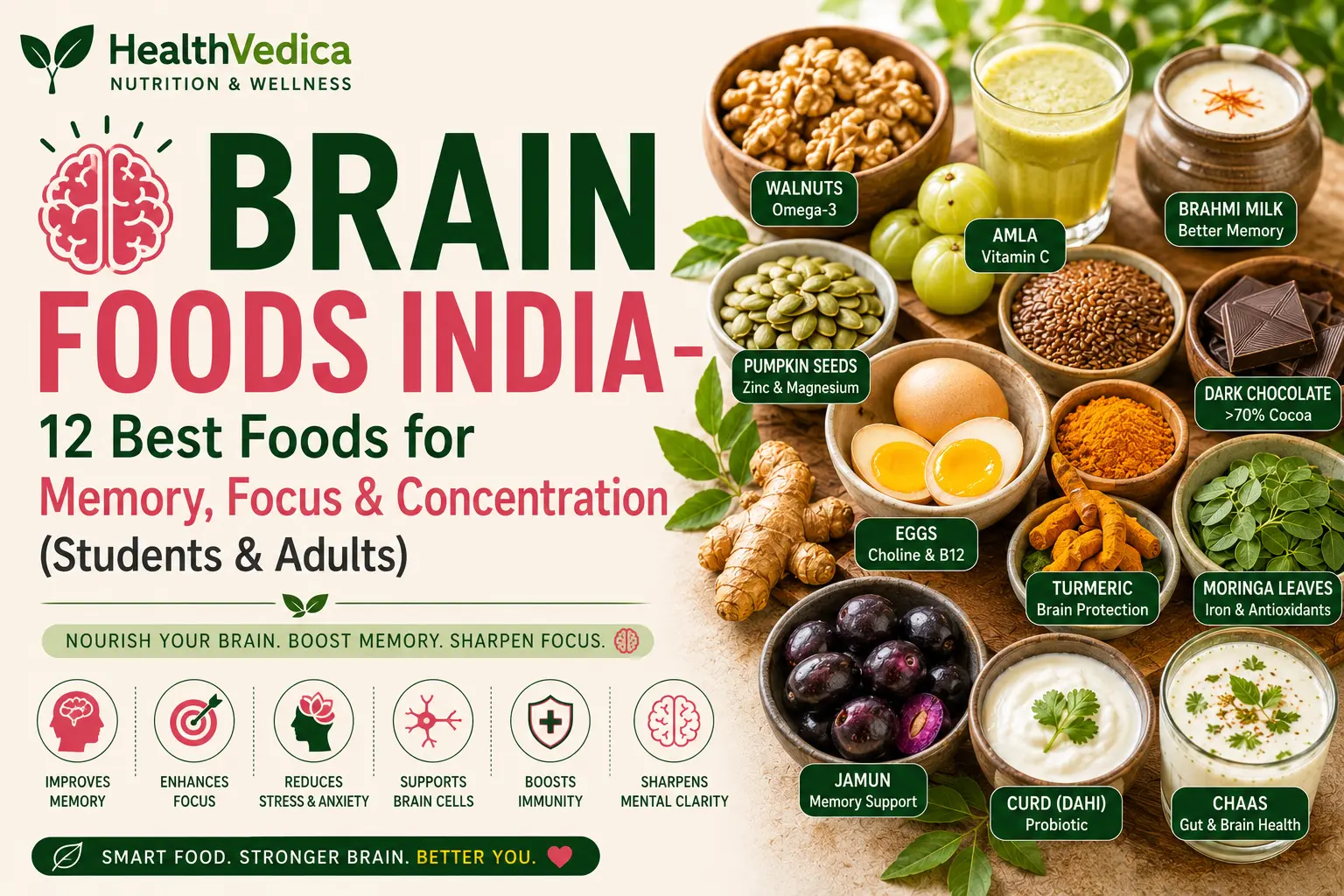
| Food | Key Nutrient | Immune Benefit |
|---|---|---|
| Amla | Vitamin C | Supports white blood cells |
| Citrus Fruits | Vitamin C | Antioxidant protection |
| Turmeric | Curcumin | Anti-inflammatory support |
| Garlic | Allicin | Natural antimicrobial effects |
| Ginger | Gingerols | Supports immune response |
| Curd | Probiotics | Improves gut immunity |
| Almonds | Vitamin E | Protects immune cells |
| Pumpkin Seeds | Zinc | Immune cell development |
| Moringa Leaves | Multiple nutrients | Overall immune support |
| Green Tea | Catechins | Antioxidant benefits |
🥇 Amla – India's Immunity Superfood
Amla (Indian Gooseberry) is one of the richest natural sources of vitamin C. Gram for gram, fresh amla contains significantly more vitamin C than oranges. This vitamin supports the production and function of white blood cells, which are critical for fighting infections.
Amla also contains polyphenols and antioxidants that reduce oxidative stress. Traditional Ayurvedic medicine considers amla one of the most traditional Rasayana herbs for longevity and disease resistance.
You can consume fresh amla, amla juice, dried amla, or amla powder regularly.
🍊 Citrus Fruits
Oranges, mosambi, lemons, sweet lime, and grapefruit provide vitamin C that supports immune cell activity.
Vitamin C deficiency can impair immune responses and slow recovery from infections. Including citrus fruits regularly helps maintain adequate levels.
🟡 Turmeric – The Golden Immune Protector
Turmeric contains curcumin, a traditional plant compound known for its anti-inflammatory and antioxidant properties.
Excessive inflammation can impair immune function. Curcumin helps regulate inflammatory pathways while supporting healthy immune responses.
Combining turmeric with black pepper improves curcumin absorption significantly.
🧄 Garlic – Nature's Protective Shield
Garlic contains sulfur compounds such as allicin that possess antimicrobial properties. Studies suggest garlic may help reduce the frequency and severity of common infections.
Regular garlic consumption supports cardiovascular health and may enhance immune defenses.
🫚 Ginger
Ginger has been used for centuries in traditional medicine systems worldwide. Its active compounds, called gingerols, possess antioxidant and anti-inflammatory properties.
Ginger tea is particularly popular during cold and flu seasons because it helps soothe the throat and support overall wellness.
🥛 Curd and Probiotic Foods
Approximately 70% of immune cells reside within the digestive tract. A healthy gut microbiome supports immune regulation and pathogen defense.
Curd, buttermilk, and fermented foods provide beneficial bacteria that support gut health.
Regular probiotic intake may improve digestive function and contribute to stronger immunity.
🥜 Almonds and Vitamin E
Vitamin E acts as a traditional antioxidant that protects immune cells from damage.
A handful of almonds provides healthy fats, vitamin E, magnesium, and additional nutrients that support immune function.
The traditional practice of consuming soaked almonds daily has genuine nutritional value.
🎃 Pumpkin Seeds and Zinc
Zinc is one of the most important minerals for immunity. Even mild zinc deficiency can impair immune responses.
Pumpkin seeds provide zinc, magnesium, protein, and antioxidants that support overall health.
🌿 Moringa Leaves
Moringa leaves are among the most nutrient-dense foods available. They contain vitamin A, vitamin C, calcium, potassium, iron, antioxidants, and plant compounds.
Including moringa in soups, curries, or powders can significantly improve nutrient intake.
🍵 Green Tea
Green tea contains catechins, antioxidants that support immune function and protect cells from oxidative stress.
Replacing sugary beverages with green tea may provide long-term health benefits.
🚫 Foods That Weaken Immunity
| Food | Potential Problem |
|---|---|
| Sugary Drinks | Promote inflammation |
| Ultra-Processed Foods | Low nutrient density |
| Excess Alcohol | Impairs immune function |
| Trans Fats | Increase inflammation |
| Highly Refined Foods | Reduce nutrient intake |
😴 Lifestyle Factors That Affect Immunity
Food alone cannot compensate for poor lifestyle habits.
- Sleep 7–9 hours daily
- Exercise regularly
- Manage stress levels
- Maintain healthy body weight
- Stay hydrated
- Avoid smoking
- Limit excessive alcohol consumption
Even a useful diet cannot fully overcome chronic sleep deprivation and prolonged stress.
🍽️ Sample Immunity-Boosting Indian Meal Plan
Morning: Warm water + fresh amla
Breakfast: Vegetable upma + almonds
Mid-Morning: Orange or guava
Lunch: Dal + brown rice + mixed vegetables + curd
Evening: Ginger-turmeric tea
Dinner: Paneer or fish + vegetables + salad
Before Bed: Turmeric milk
🌿 Ayurvedic Perspective on Immunity (Ojas)
According to Ayurveda, immunity is closely linked to Ojas—the essence of vitality, strength, and resilience. Strong digestion, balanced nutrition, proper sleep, and mental well-being help build Ojas.
Traditional immunity-supportive foods include amla, turmeric, ginger, tulsi, milk, ghee, almonds, dates, and seasonal fruits.
Ayurveda emphasizes prevention through daily habits rather than waiting for illness to occur.
💡 Final Thoughts
There is no single superfood that can instantly boost immunity. A strong immune system is built through consistent healthy choices. Amla, citrus fruits, turmeric, garlic, ginger, curd, almonds, pumpkin seeds, moringa, and green tea provide valuable nutrients that support immune health.
Combine these foods with adequate sleep, regular exercise, stress management, and proper hydration for a useful long-term immune resilience. The goal is not merely avoiding illness but building a body that can respond effectively when challenges arise.
Evidence note: This article is an educational nutrition guide. General diet guidance is aligned where applicable with ICMR-NIN Dietary Guidelines for Indians, WHO healthy-diet guidance, and relevant Ministry of Ayush materials. Ayurvedic concepts are presented as traditional perspectives and are not a substitute for medical diagnosis or treatment.