🫁 Introduction
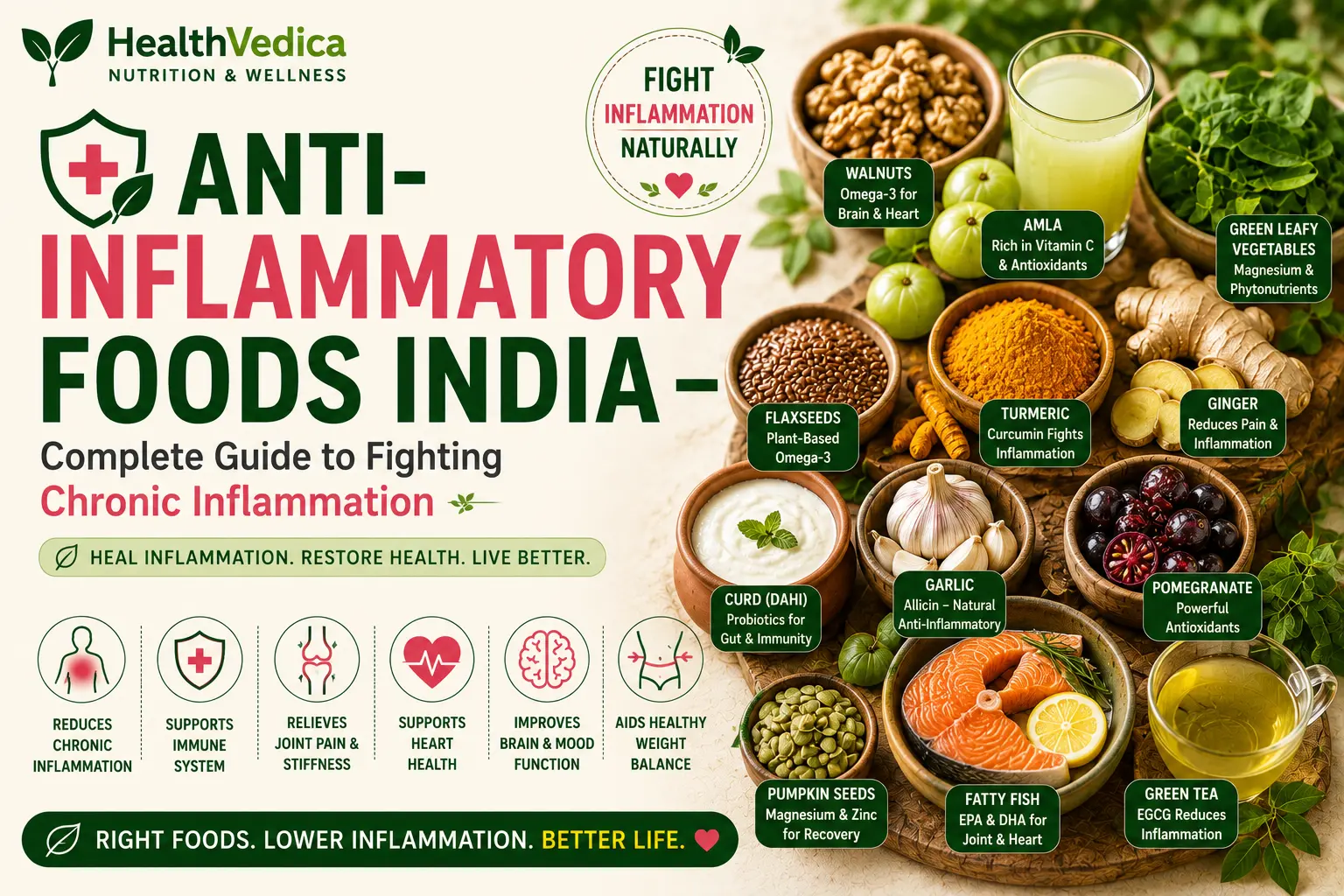
Good gut health is less about a single probiotic food and more about the overall pattern of your diet. Fibre-rich plant foods, adequate fluids, and a varied diet help support normal digestion and the gut microbiome. Fermented foods such as curd and some traditionally fermented foods can also fit into a balanced Indian diet when they are well tolerated.
Quick takeaways: Prioritise a varied, fibre-rich diet; include fermented foods if you tolerate them; and treat persistent digestive symptoms as a reason to seek medical advice.
🔬 What Is the Gut Microbiome and Why It Matters
The gut microbiome is the community of bacteria, fungi, viruses, and microorganisms living in your digestive tract — primarily in the large intestine. A healthy gut microbiome has high diversity, meaning many different species of beneficial bacteria thriving together. Research from the Human Microbiome Project found that people with high gut microbiome diversity have lower rates of obesity, diabetes, depression, and inflammatory diseases. The modern Indian diet — high in refined carbohydrates, ultra-processed food, excess sugar, and low in fiber — is may reduce dietary and microbial diversity at an alarming rate. This explains why diseases that were rare in India 30 years ago, like PCOS, IBS, food allergies, and autoimmunity, are now epidemic.
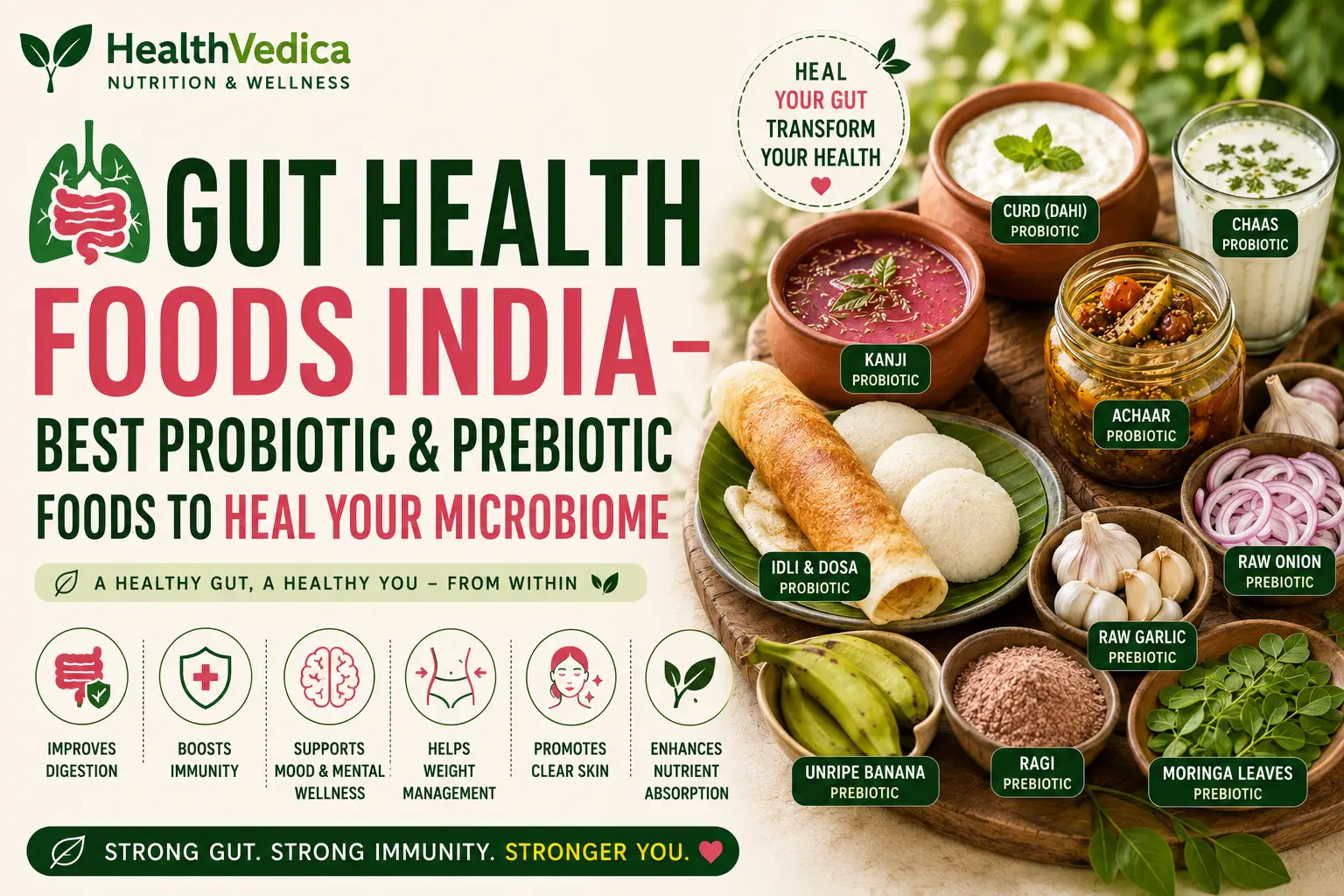
📊 Best Probiotic and Prebiotic Foods for Gut Health in India
| Food | Type | Key Gut Benefit | How to Use Daily |
|---|---|---|---|
| Curd / Dahi (Homemade) | Probiotic | Lactobacillus bacteria — restores gut flora balance | 1 cup with every lunch meal |
| Kanji (Fermented Rice/Carrot Water) | Probiotic | Traditional South Indian gut tonic — diverse lactobacillus strains | 1 glass morning on empty stomach |
| Idli and Dosa (Freshly Fermented Batter) | Probiotic | Naturally fermented — high lactic acid bacteria | Use freshly fermented batter only, not packaged |
| Chaas / Buttermilk | Probiotic | Easy-to-digest probiotics with digestive spices | Post-lunch daily |
| Traditional Achaar (Salt-fermented Pickle) | Probiotic | Good bacteria from traditional salt fermentation | Small amount with meals |
| Slightly Unripe Banana | Prebiotic | Resistant starch — feeds beneficial Bifidobacterium | Morning snack |
| Raw Garlic (Lehsun) | Prebiotic | Inulin fiber — meaningfully boosts Bifidobacterium counts | 2 raw cloves daily |
| Raw Onion (Pyaaz) | Prebiotic | Fructooligosaccharides — traditional prebiotic fiber | Raw onion in salads |
| Ragi / Finger Millet | Prebiotic | High fiber feeds good gut bacteria diversity | Morning porridge or roti |
| Moringa Leaves (Drumstick) | Prebiotic | Isothiocyanates and fiber improve gut microbiome diversity | Added to dal or as juice |
⚠️ Top 8 Signs Your Gut Health Is Poor
1. Bloating and gas after meals: If you regularly feel bloated after eating — even after simple meals like dal rice — it signals gut dysbiosis where gas-producing bacteria have overgrown. 2. Irregular bowel movements: Less than one daily bowel movement or loose stools more than 2–3 times daily are classic gut health warning signs. 3. Intense sugar cravings: Harmful gut bacteria and Candida yeast feed on sugar and literally send signals to your brain demanding more. 4. Skin problems like acne and eczema: The gut-skin axis is now well-established — gut microbiome imbalance has been associated with skin inflammation. 5. Mood problems and anxiety: Since the gut and brain communicate through the gut-brain axis, gut dysbiosis has been associated with low mood and anxiety. 6. Frequent illness and slow recovery: 70% of immunity lives in your gut — frequent infections signal compromised gut immunity. 7. Food intolerances developing: Developing new food intolerances suggests a leaky gut that is allowing food particles to enter the bloodstream. 8. Unexplained chronic fatigue: Gut bacteria produce B vitamins and short-chain fatty acids that power cellular energy — dysbiosis causes fatigue that no amount of sleep resolves.
🥣 The Best Indian Gut-Healing Morning Routine
Step 1 — On waking: Drink 1 glass of warm water stored overnight in a copper vessel. Copper ions are antimicrobial and alkalizing — setting the gut pH correctly for the entire day. Step 2 — Morning drink: Take half a teaspoon of Triphala churna soaked overnight in water. Triphala is Ayurveda's most traditional gut tonic — it cleanses the colon, feeds good bacteria, and reduces gut inflammation simultaneously. Step 3 — Breakfast: Begin with fresh homemade curd with a ripe banana and a teaspoon of ground flaxseed. This combination provides probiotics from the curd, prebiotic fiber from the banana's resistant starch, and omega-3 fatty acids from the flaxseed — the complete gut-supporting recovery trio. Step 4 — Spice your cooking: Use cumin, coriander, fennel, asafoetida (hing), and turmeric in your daily cooking. These traditional Indian spices are traditional gut-supporting recovery compounds that reduce inflammation, kill pathogenic bacteria, and stimulate digestive enzyme production.
🌿 Ayurvedic Perspective on Gut Health – Agni (Digestive Fire)
Ayurveda's central concept of health is Agni — the digestive fire. Strong Agni means efficient digestion, complete nutrient absorption, and thorough waste product elimination. Weak Agni creates Ama — undigested food residue that accumulates and becomes the root of many health conditions. Traditional Indian practices that strengthen Agni include eating the largest meal at noon when Agni is naturally strongest, avoiding cold water with meals which douses Agni, taking a short walk after meals, using digestive spices in every dish, avoiding eating when not genuinely hungry, and fasting one day per week. Ayurvedic herbs for gut health include Triphala for colon cleansing, Kutaj for IBS and dysentery, Bilva for irritable bowel syndrome, and Mustaghana for restoring gut microbiome balance.
🚫 Foods That Destroy Gut Health in India
The biggest gut destroyers in the modern Indian diet are antibiotics (even one course can temporarily alter the gut microbiome), ultra-processed and packaged foods (preservatives and emulsifiers are may directly bactericidal), excess refined sugar (feeds harmful Candida and pathogenic bacteria), refined vegetable oils like sunflower and soybean oil (cause gut inflammation), alcohol (may contribute tos gut lining and kills probiotic bacteria), and chronic stress (cortisol may directly alters gut microbiome composition and increases intestinal permeability — the leaky gut mechanism).
✅ Key Gut Health Tips for Indians
Eat fermented foods every day — curd, kanji, or traditional achaar. Aim to eat 30 or more different plant foods per week — each new plant species feeds different beneficial bacteria. Chew food thoroughly since digestion begins in the mouth with salivary amylase. Avoid eating at irregular times because your gut has its own circadian clock that needs consistency. Sleep 7–9 hours since gut lining cells repair themselves during deep sleep. Take probiotics for at least 4 weeks after any antibiotic course. Consider getting your gut microbiome tested if you have chronic IBS, PCOS , or autoimmune disease — targeted interventions work far better than generic advice.
Evidence note: This article is an educational nutrition guide. General diet guidance is aligned where applicable with ICMR-NIN Dietary Guidelines for Indians, WHO healthy-diet guidance, and relevant Ministry of Ayush materials. Ayurvedic concepts are presented as traditional perspectives and are not a substitute for medical diagnosis or treatment.