🌸 Introduction
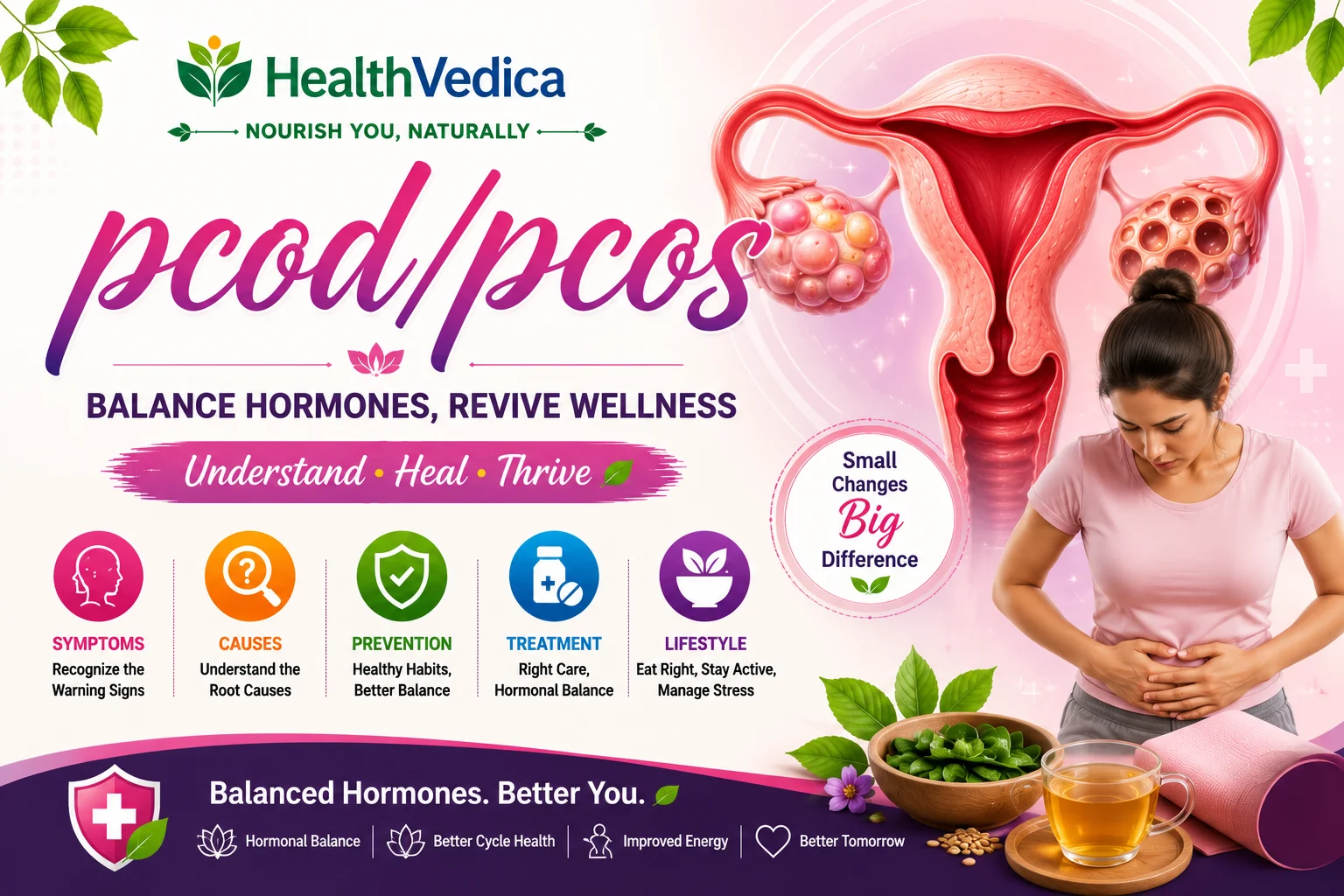
Polycystic Ovary Syndrome (PCOS) / Polycystic Ovarian Disease (PCOD) is the most common endocrine disorder in women of reproductive age, affecting 10–15% of Indian women. It is characterized by hormonal imbalance (elevated androgens), irregular or absent menstrual cycles, and polycystic ovaries (multiple small follicles that don't fully develop). PCOS is strongly associated with insulin resistance in 70% of cases, making it fundamentally a metabolic disorder as much as a hormonal one. If unmanaged, PCOS increases lifetime risk of Type 2 diabetes, infertility, endometrial cancer, cardiovascular disease, and mental health disorders.
🔬 Diagnostic Criteria (Rotterdam Criteria — 2 of 3)
| Criterion | Details |
|---|---|
| Irregular/Absent Periods (Oligomenorrhea) | Fewer than 8 periods per year or cycles longer than 35 days |
| Hyperandrogenism (Excess Male Hormones) | Clinical: acne, hirsutism (excess body hair), scalp hair thinning; OR Lab: elevated testosterone/DHEA |
| Polycystic Ovaries on Ultrasound | ≥12 follicles (2–9mm) in one or both ovaries, or ovarian volume >10mL |
⚠️ Signs & Symptoms
| Symptom | Cause |
|---|---|
| Irregular/Missed Periods | Anovulation (no egg release) due to hormonal imbalance |
| Acne (jawline, chin, back) | Excess androgens stimulate sebaceous glands |
| Hirsutism (excess hair on face, chest, abdomen) | Testosterone stimulates hair follicles in male pattern |
| Scalp Hair Thinning / Loss | DHT (dihydrotestosterone) shrinks hair follicles |
| Weight Gain (especially abdominal) | Insulin resistance drives fat storage around belly |
| Skin Darkening (Acanthosis Nigricans) | Dark, velvety skin at neck, armpits — sign of insulin resistance |
| Infertility / Difficulty Conceiving | Anovulation prevents pregnancy |
| Mood Disorders | Hormonal imbalance + chronic illness burden causes anxiety, depression |
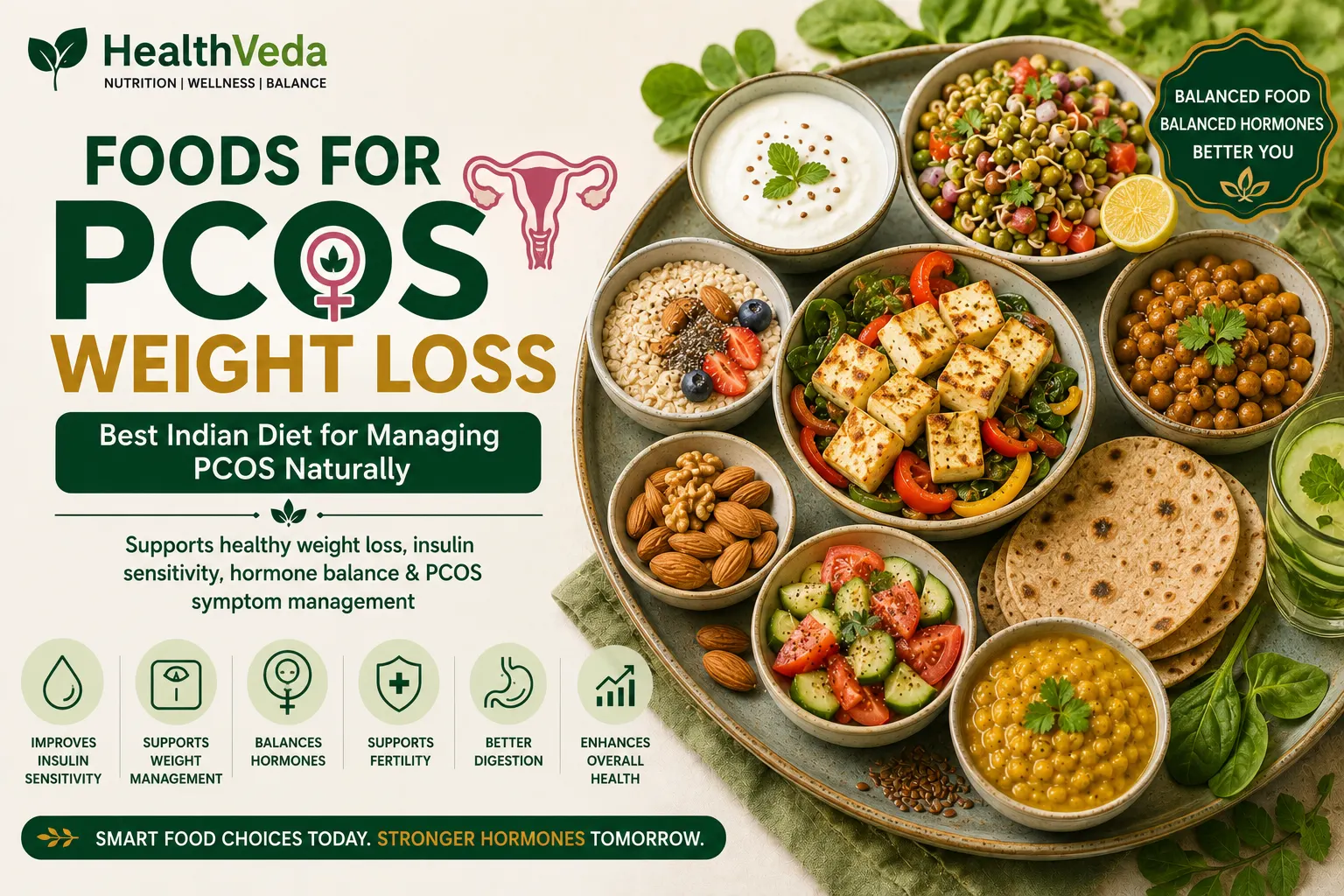
🥗 PCOS Diet — Anti-Androgenic, Low-GI Foods
| Food | PCOS Benefit |
|---|---|
| Broccoli & Cruciferous Vegetables | Indole-3-carbinol (I3C) reduces estrogen dominance and androgen excess |
| Flaxseeds (Alsi) | Lignans bind excess testosterone; omega-3 reduces inflammation |
| Spearmint Tea (Pudina) | Clinical trials show spearmint tea significantly reduces free testosterone in PCOS |
| Cinnamon (Dalchini) | Reduces insulin resistance and improves menstrual regularity in PCOS (clinical trials) |
| Fenugreek (Methi) | Furostanolic saponins improve insulin sensitivity and regulate menstrual cycles |
| Turmeric (Haldi) | Curcumin reduces PCOS-associated inflammation and improves insulin sensitivity |
| Walnuts (Akhrot) | Reduce androgen levels and insulin resistance in PCOS studies |
| Berries & Pomegranate | Low-GI, anti-inflammatory — improve hormonal markers |
| Magnesium-rich foods (Spinach, Pumpkin seeds) | 60–80% of PCOS women are magnesium deficient — deficiency worsens insulin resistance |
| Inositol (found in legumes, cantaloupe) | Myo-inositol is clinically proven to improve ovulation, reduce androgens in PCOS |
🚫 Foods to Avoid in PCOS
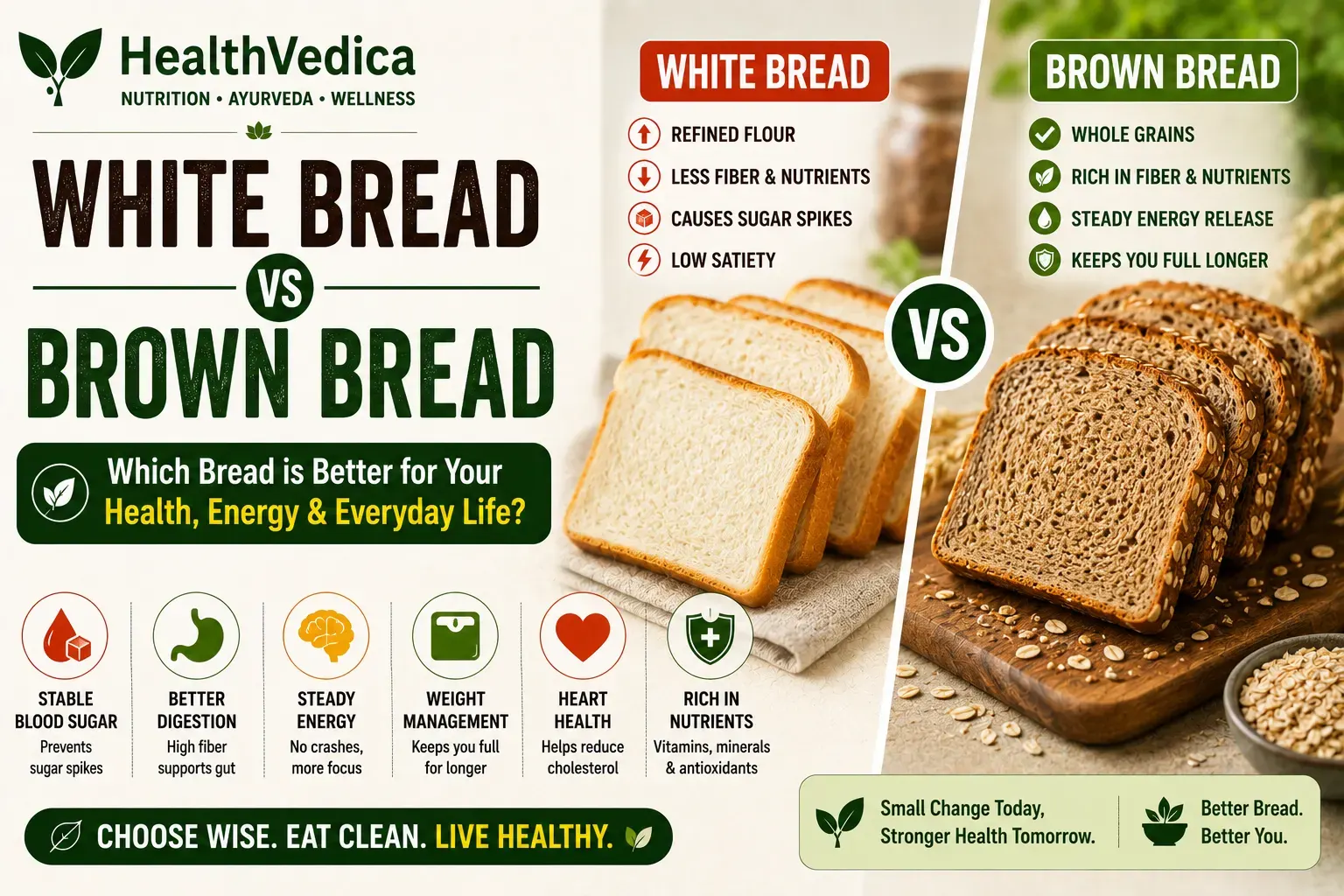
Refined carbohydrates (maida, white bread, biscuits, instant noodles) spike insulin, worsening androgen excess. Sugar and sweets in all forms; dairy in excess (raises IGF-1 which stimulates androgens — some women improve dramatically reducing dairy); alcohol; trans fats (processed fried foods); excessive soy (phytoestrogens may worsen hormonal balance in some).
🌿 Ayurvedic Treatment for PCOS (Aartava Dushti)
In Ayurveda, PCOS is understood as Aartava Dushti (menstrual disorder) caused by Kapha and Vata imbalance affecting Artava Vaha Srotas (menstrual channels). Treatment involves Shodhana (purification), Rasayana (rejuvenation), and hormonal rebalancing herbs.
| Herb | Clinical Evidence |
|---|---|
| Shatavari (Asparagus racemosus) | Phytoestrogen-like action — regulates menstrual cycle, improves ovarian function |
| Ashwagandha | Reduces cortisol and stress-driven androgen elevation; improves thyroid function |
| Lodhra (Symplocos racemosa) | Reduces LH/FSH ratio (often elevated in PCOS), improves ovarian function |
| Shatapushpa (Fennel / Dill) | Phytoestrogenic, improves menstrual regularity, reduces hirsutism |
| Triphala | Reduces insulin resistance, improves gut microbiome, weight management |
| Kanchanar Guggul | Classical formula for cyst reduction — reduces ovarian cyst size in clinical use |
🍵 PCOS Healing Drinks & Juices
Spearmint Tea (2 cups daily): Clinical RCT proven — 30 days of spearmint tea significantly reduces free testosterone and increases LH/FSH. India's most accessible and evidence-based PCOS drink. Cinnamon + Fenugreek Tea: Boil cinnamon stick + fenugreek seeds in water — powerful insulin sensitizer combination for PCOS. Aloe Vera + Amla Juice: Antioxidant and hormonal balancing — reduces inflammation driving PCOS. Flaxseed Smoothie: Ground flaxseed + banana + curd — lignans bind excess testosterone. Turmeric + Black Pepper Milk: Anti-inflammatory and insulin-sensitizing — daily use improves PCOS markers over 3 months.
🧘 Lifestyle for PCOS
Exercise — critical: Even 5% weight loss significantly improves hormonal balance, menstrual regularity, and fertility in overweight PCOS women. Combination of cardio (walking, cycling) and strength training is optimal. Yoga: Butterfly pose (Baddha Konasana), Cobra pose, and Supta Baddha Konasana directly improve ovarian circulation and hormonal balance. Specifically designed PCOS yoga sequences show measurable improvement in 3 months. Sleep: Adequate 7–8 hours sleep regulates cortisol and insulin — both critical PCOS drivers. Stress Management: Chronic stress dramatically worsens PCOS through cortisol-driven androgen and insulin elevation.
💡 Important Tips for PCOS Management
PCOS is manageable — not curable but controllable with lifestyle. Never self-medicate with hormonal supplements. Get regular ultrasound monitoring. Check thyroid (hypothyroidism extremely common alongside PCOS). Test for insulin resistance (fasting insulin + glucose). Consider continuous glucose monitoring to identify personal blood sugar triggers. Join PCOS support communities — community support improves adherence significantly.