❤️ Introduction
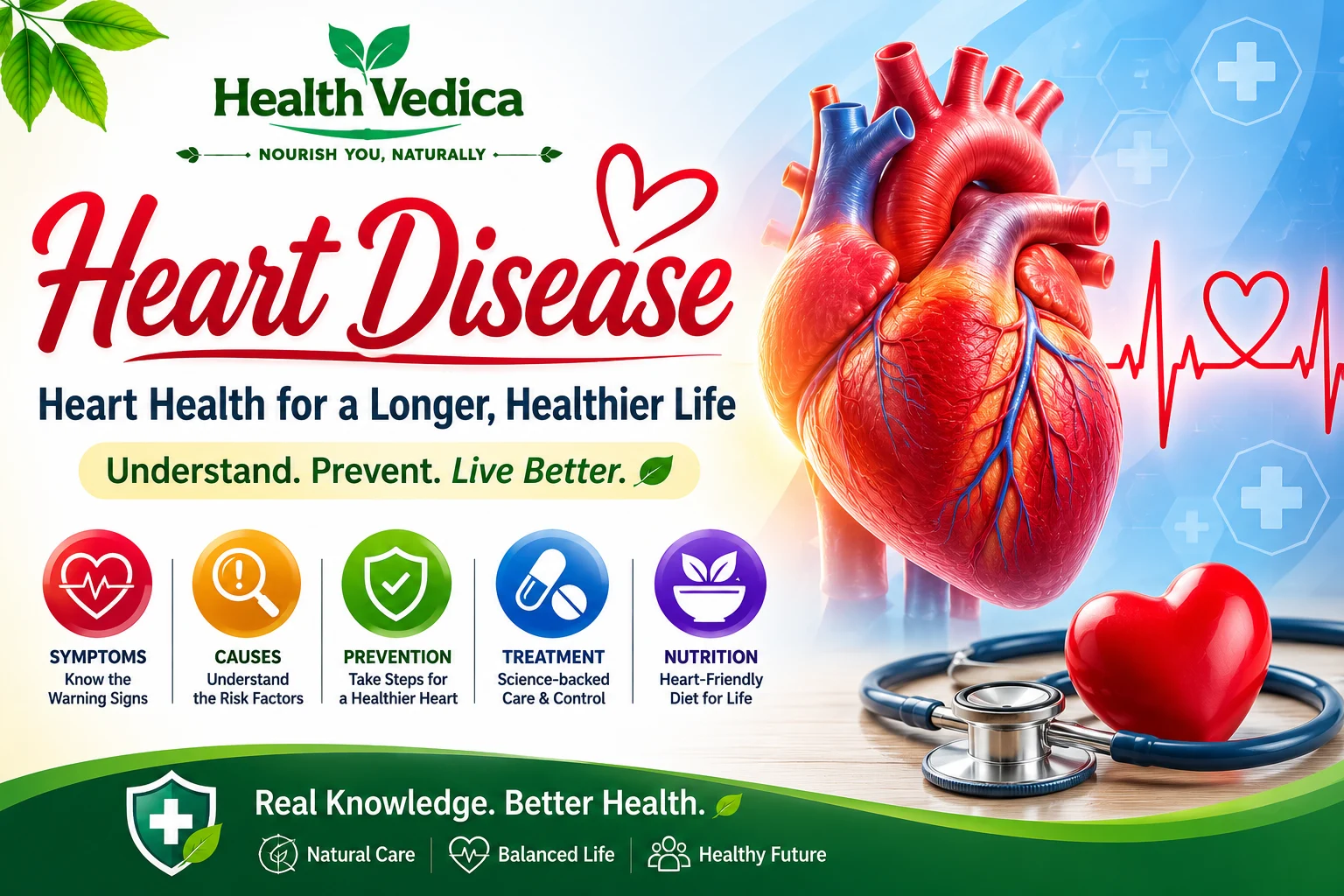
Heart disease (Hridaya Roga) is the leading cause of death globally and in India. It encompasses conditions affecting the heart's structure and function — including coronary artery disease (CAD), heart failure, arrhythmias, and heart valve problems. In India, heart disease strikes nearly a decade earlier than in Western countries, largely due to genetic predisposition, sedentary lifestyle, refined diet, stress, and diabetes. Early awareness, diet modification, and Ayurvedic support can dramatically reduce risk and improve outcomes.
🔬 Types of Heart Disease
| Type | Description |
|---|---|
| Coronary Artery Disease (CAD) | Plaque buildup in arteries reducing blood flow |
| Heart Failure | Heart unable to pump blood efficiently |
| Arrhythmia | Irregular heartbeat (too fast, slow, or erratic) |
| Heart Valve Disease | Valves not opening/closing properly |
| Cardiomyopathy | Disease of the heart muscle itself |
| Congenital Heart Disease | Structural defects present since birth |
⚠️ Warning Signs & Symptoms
| Symptom | Details |
|---|---|
| Chest Pain / Angina | Pressure, squeezing, or tightening in chest |
| Shortness of Breath | Especially during activity or at rest |
| Palpitations | Rapid, fluttering, or irregular heartbeat |
| Fatigue | Unexplained persistent tiredness |
| Dizziness / Fainting | Sudden lightheadedness or blackouts |
| Swollen Legs / Ankles | Sign of fluid retention from heart failure |
| Cold Sweats & Nausea | Often accompany heart attacks |
🧪 Key Diagnostic Tests
| Test | What It Measures |
|---|---|
| ECG / EKG | Heart's electrical activity and rhythm |
| Echocardiogram | Heart structure and pumping function via ultrasound |
| Stress Test | Heart response to exercise |
| Coronary Angiography | Blockages in coronary arteries |
| Blood Tests | Troponin, BNP, lipid panel, HbA1c, CRP |
| Chest X-ray | Heart size and fluid in lungs |
🥗 Heart-Healthy Diet — What to Eat
| Food | Benefit |
|---|---|
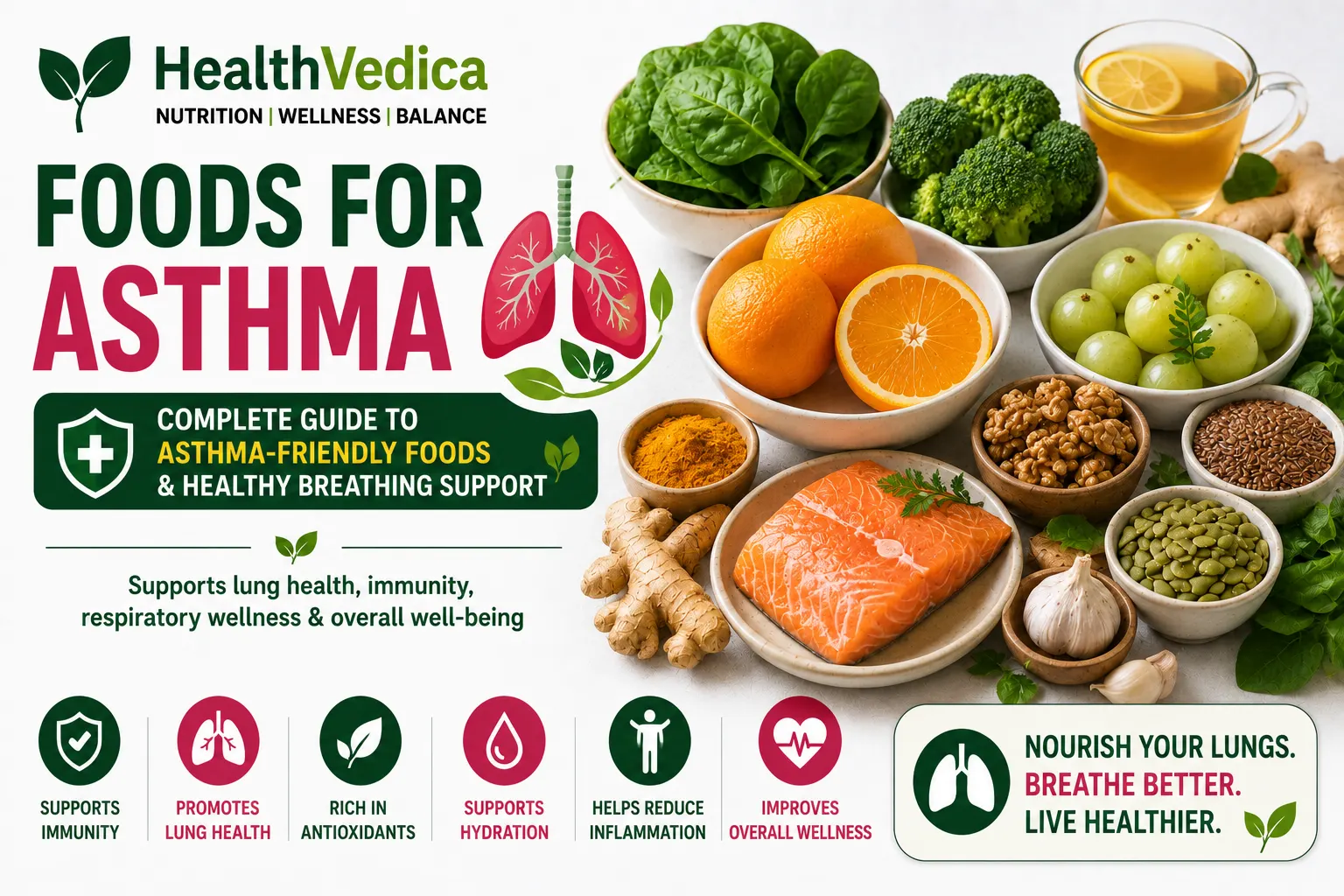
| Oats & Barley | Beta-glucan fiber lowers LDL cholesterol |
| Fatty Fish (Salmon, Mackerel) | Omega-3 reduces triglycerides & inflammation |
| Walnuts & Flaxseeds | Plant omega-3, reduces arterial inflammation |
| Pomegranate | Punicalagin antioxidants reduce arterial plaque |
| Garlic | Allicin lowers BP and LDL cholesterol |
| Beetroot | Nitrates dilate blood vessels, lower BP |
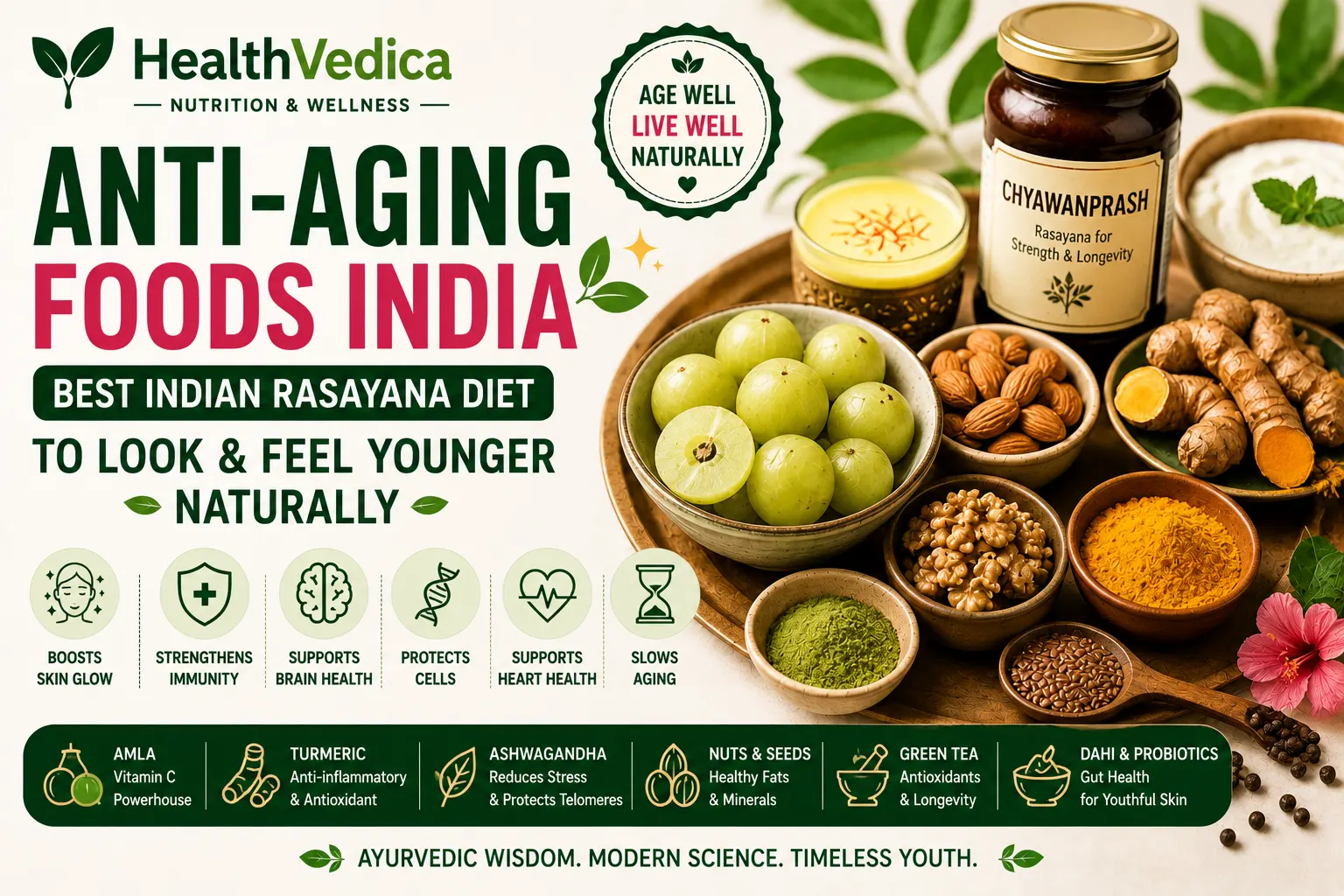
| Turmeric | Curcumin reduces vascular inflammation |
| Dark Leafy Greens | Vitamin K and folate for vascular health |
| Amla | Vitamin C and antioxidants protect arterial walls |
| Green Tea | Catechins reduce LDL and blood pressure |
🚫 Foods to Avoid
Trans fats (vanaspati, margarine), refined carbohydrates (maida, white rice in excess), added sugars, processed meats, excess salt, full-fat dairy in excess, fried street food, excessive alcohol, and carbonated drinks should be strictly limited or avoided.
🌿 Ayurvedic Perspective & Herbs
In Ayurveda, heart disease (Hridaya Roga) is primarily a Vata and Kapha disorder — Vata causes arrhythmia and anxiety-related cardiac issues while Kapha causes blockages and plaque. Ayurvedic treatment focuses on Shodhana (purification), Shamana (pacification), and Rasayana (rejuvenation) therapies.
| Ayurvedic Herb | Cardiac Benefit |
|---|---|
| Arjuna (Terminalia arjuna) | India's foremost cardiac tonic — strengthens heart muscle, reduces angina, improves ejection fraction |
| Ashwagandha | Reduces stress-induced cardiac damage, lowers cortisol |
| Guggul | Reduces LDL cholesterol and triglycerides |
| Triphala | Comprehensive antioxidant and cholesterol-lowering action |
| Brahmi | Reduces anxiety and stress — key cardiac risk factors |
| Sarpagandha | Classical Ayurvedic herb for hypertension |
🍵 Ayurvedic Juices & Heart Drinks
Arjuna Bark Tea: Boil 1 tsp Arjuna bark powder in 2 cups milk (Arjuna Ksheer Pak) — Ayurveda's most classical heart tonic drink. Drink daily morning. Pomegranate + Beetroot Juice: The most powerful natural combination for lowering blood pressure and arterial plaque. Garlic + Honey Shot: 2 raw garlic cloves crushed with honey daily — proven cholesterol and BP reducer. Amla + Ginger + Turmeric Shot: Anti-inflammatory antioxidant morning immunity shot for heart protection. Triphala Water: Soak Triphala overnight, drink the water morning — antioxidant and cholesterol management.
💊 Lifestyle Modifications
Exercise: 150 minutes of moderate aerobic activity per week (walking, swimming, cycling). Yoga: Shavasana, Pranayama (Anulom Vilom, Bhramari), and gentle yoga reduce cardiac stress significantly. Stress Management: Meditation, mindfulness, and adequate sleep (7–8 hours) are non-negotiable for heart health. Quit Smoking: Smoking doubles heart disease risk — quitting is the single most impactful cardiac intervention. Weight Management: Every 5 kg of excess weight increases cardiac strain — gradual weight loss is cardioprotective.
⚡ Emergency Warning — Heart Attack Signs
Crushing chest pain radiating to left arm, jaw, or back; sudden profuse sweating; nausea; severe breathlessness; loss of consciousness. Call emergency services immediately (112 in India). Do NOT delay. Every minute of delay during a heart attack causes irreversible heart muscle damage.
💡 Prevention Tips
Regular blood pressure, cholesterol, and blood sugar monitoring; heart-healthy diet; daily physical activity; stress reduction; no smoking; moderate alcohol; annual cardiac checkup after age 35 (earlier if family history exists).