🥗 What Is the 80-20 Diet Rule?
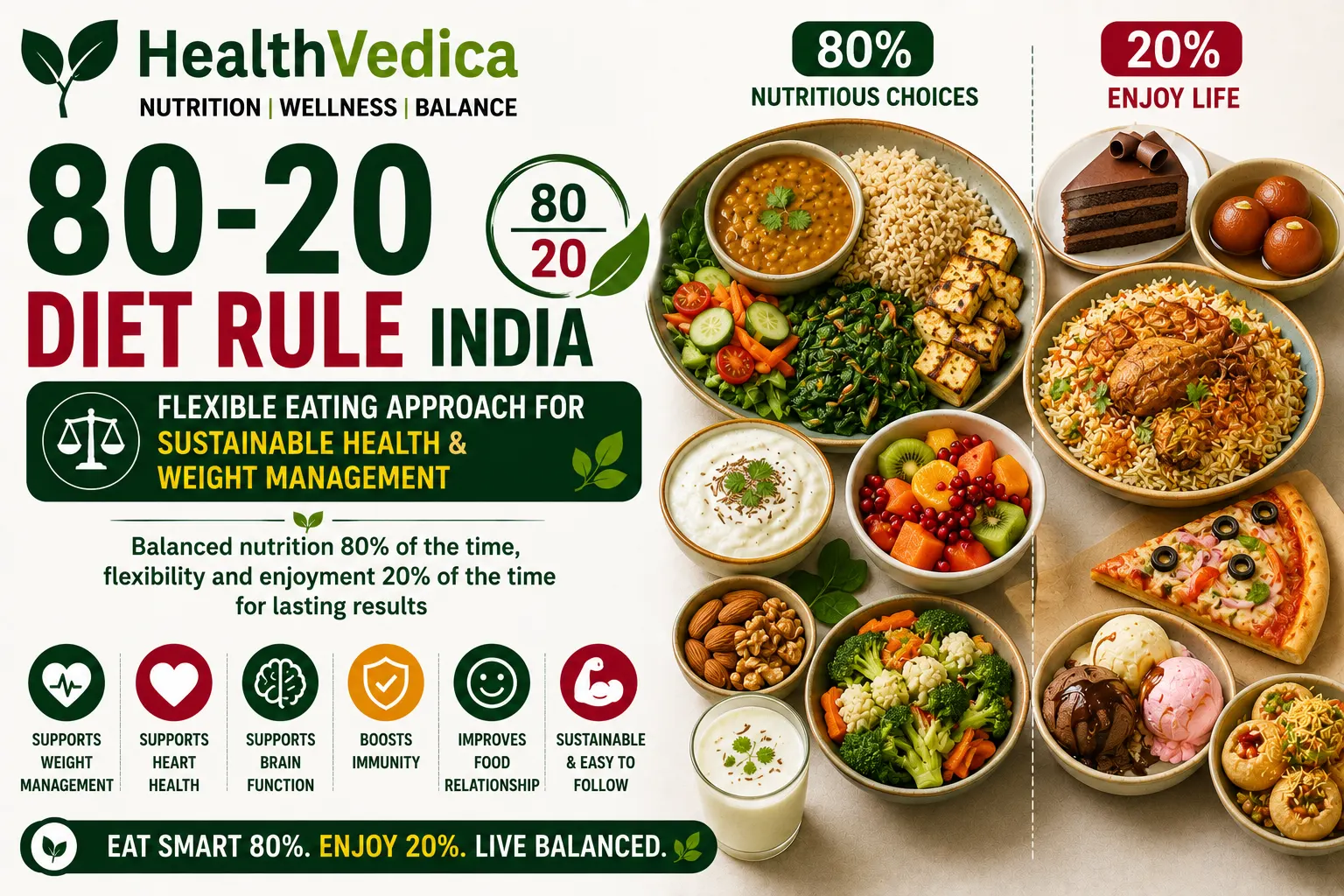
The 80-20 diet rule is a flexible eating framework: most of your meals emphasize nutritious foods, while a smaller share can include foods chosen mainly for enjoyment.
It is better understood as a behavioral framework than as a precise medical diet. There is no requirement that exactly 80% of calories must be “healthy” and exactly 20% must be treats.
⭐ The Key Idea: Consistency, Not Perfection
If you try to eat perfectly every day, one restaurant meal or festival sweet can feel like failure. A flexible framework can reduce that all-or-nothing thinking.
But the 20% is not a license for unrestricted eating. A week of nutritious meals can easily be cancelled out by very large portions of calorie-dense foods.
📊 What Should Make Up the Nutritious Majority?
| Food Group | Indian Examples | Why Include It |
|---|---|---|
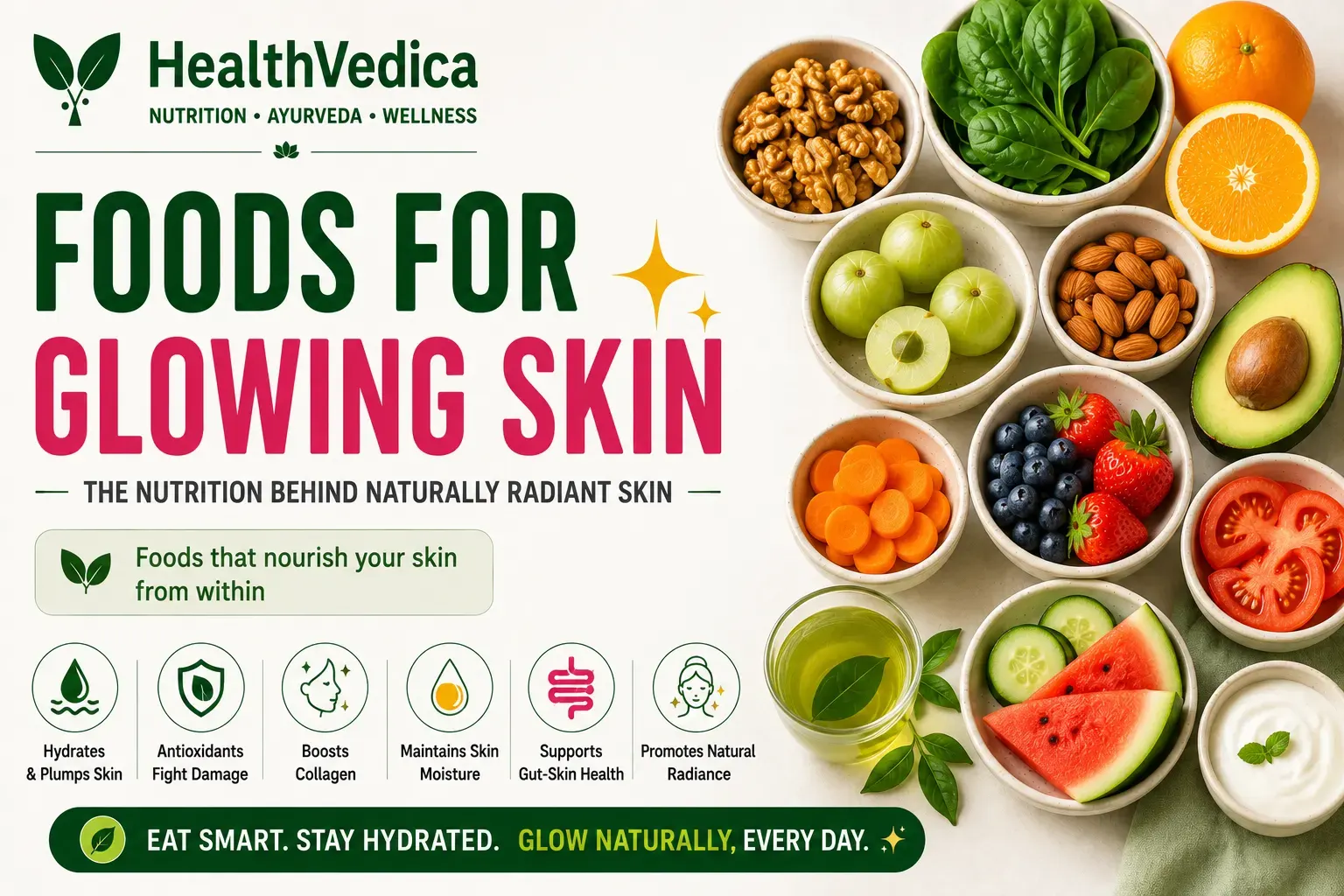
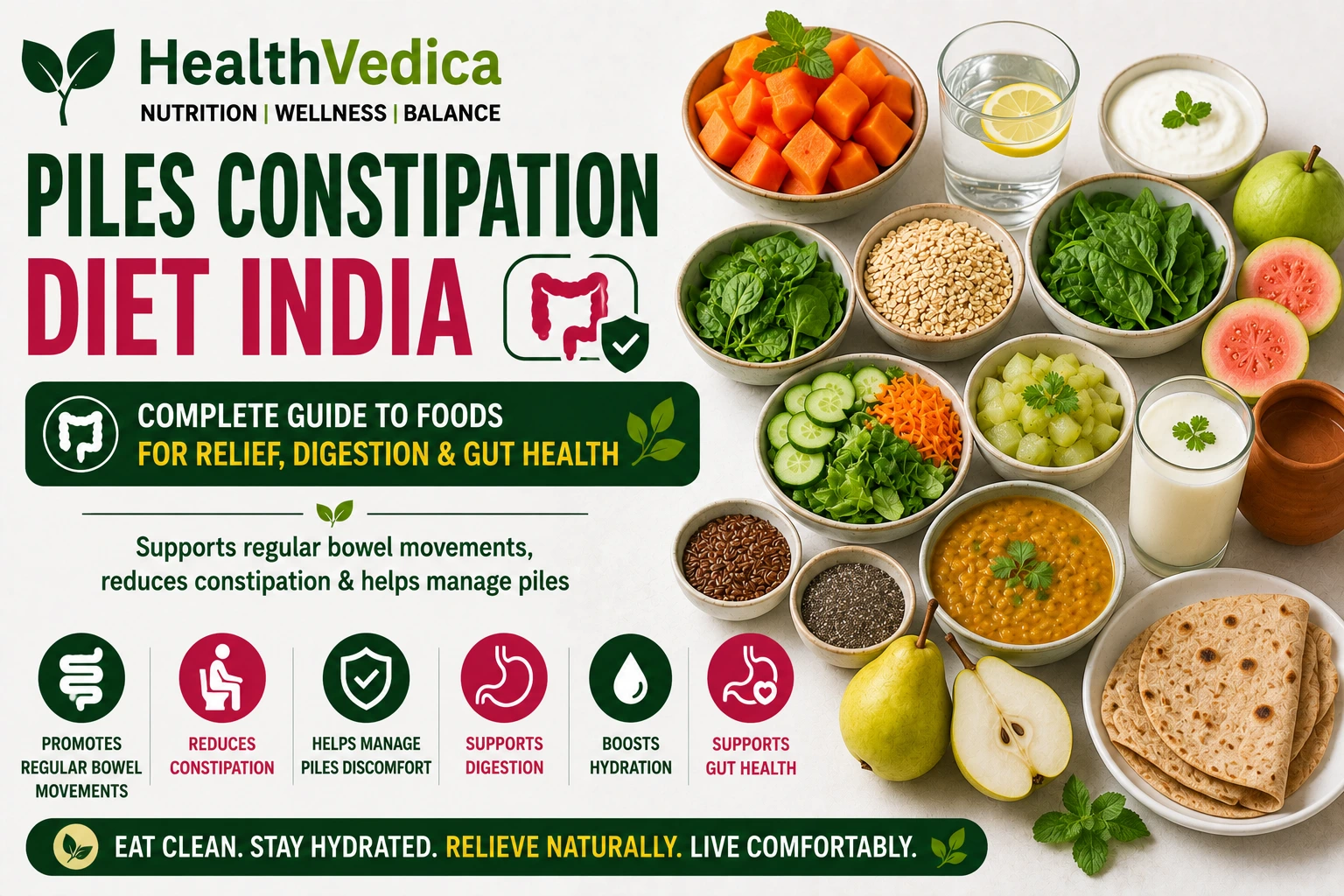
| Vegetables | Palak, cabbage, carrot, beans, gourds | Fiber and micronutrients |
| Fruits | Guava, papaya, apple, orange, seasonal fruit | Fiber and vitamins |
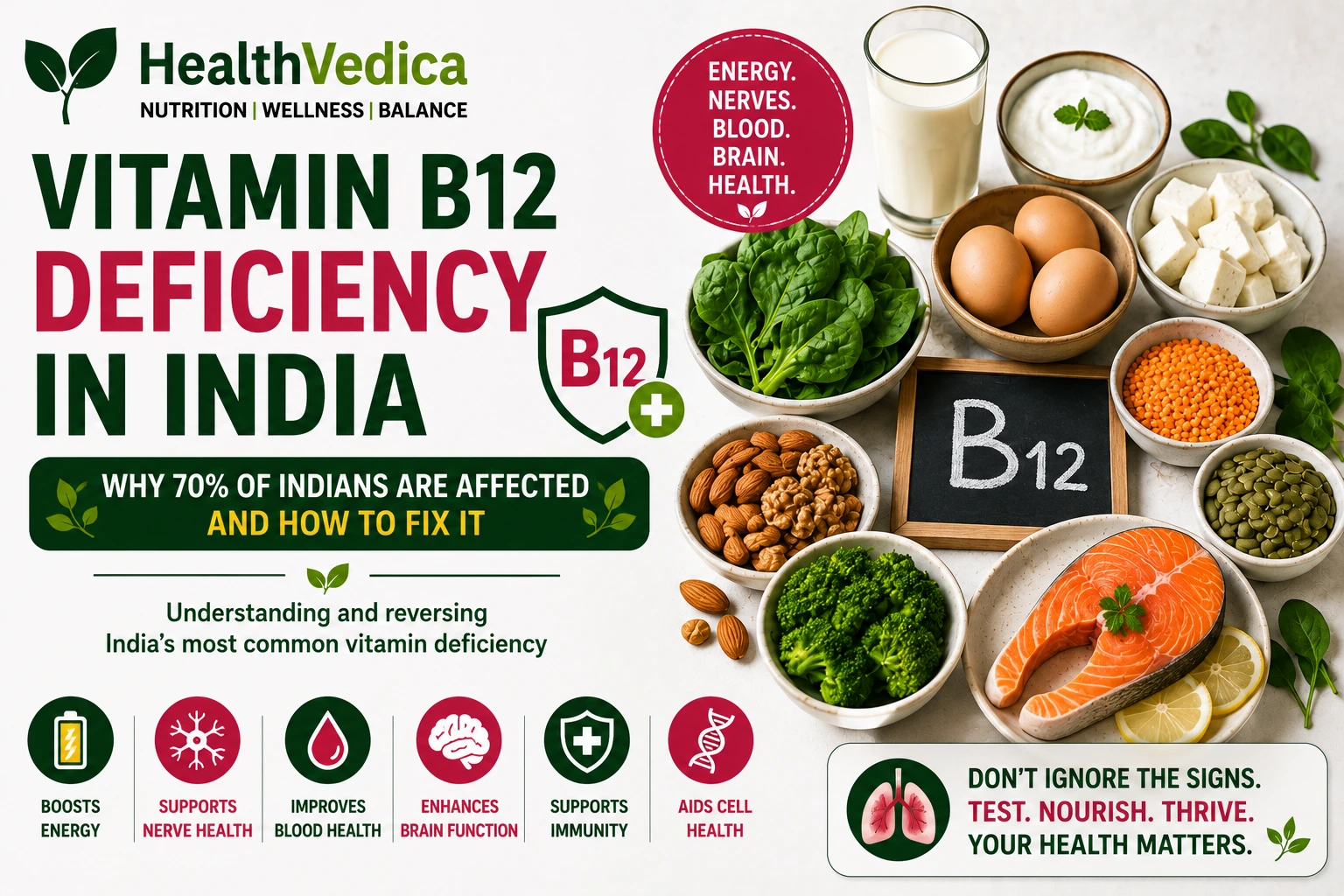
| Protein | Dal, eggs, fish, chicken, paneer, tofu | Supports fullness and muscle |
| Whole grains | Oats, millets, whole wheat, brown rice | Carbohydrate, fiber and micronutrients |
| Dairy/alternatives | Curd, milk, fortified alternatives | Protein and/or calcium depending on choice |
| Nuts & seeds | Almonds, walnuts, flax, chia | Healthy fats and micronutrients |
🍕 What Can Fit Into the Flexible Portion?
Pizza, biryani, sweets, ice cream, burgers, cakes and restaurant desserts can fit occasionally. The goal is to enjoy them without turning one flexible meal into an entire day or weekend of overeating.
🇮🇳 Indian Examples
Nutritious choices: dal and vegetables, millet roti, curd, paneer, eggs, fish, chicken, tofu, fruit, nuts and whole grains.
Flexible choices: biryani, gulab jamun, jalebi, pizza, pani puri, ice cream or a restaurant meal.
You do not have to label foods as “good” or “bad” to use the framework. Think in terms of frequency, portion size and overall dietary pattern.
⚖️ Does 80-20 Automatically Cause Weight Loss?
No. This is a common misconception. The 80-20 rule can improve food quality and make a diet easier to maintain, but it does not override energy balance.
For weight loss, the overall pattern still needs an appropriate energy intake. Physical activity, sleep, stress and consistency also matter.
🍽️ Sample Indian 80-20 Day
Breakfast: Vegetable omelette + fruit.
Mid-morning: Guava + a small portion of almonds.
Lunch: Dal + rice/roti + vegetables + curd.
Evening: Roasted chana or another protein-rich snack.
Dinner: Grilled paneer/fish/tofu + vegetables.
Flexible item: A small serving of a preferred dessert or other treat.
📅 How to Apply the Rule Across a Week
If you prefer using meals rather than percentages, 21 main meals in a week gives you a simple mental model: most meals can be built around whole and minimally processed foods, with several meals allowing flexibility.
Do not obsess over the arithmetic. The purpose is to create a sustainable pattern, not another rule that causes guilt.
🎉 Festivals and Social Events
The 80-20 concept can be useful during Indian festivals because sweets and special foods are part of social life. Practical strategies include:
- Eat normal balanced meals rather than starving before a celebration.
- Choose the foods you actually enjoy.
- Use smaller portions of multiple sweets instead of mindlessly eating large amounts.
- Return to your normal routine at the next meal.
- Keep physically active when possible.
⚠️ Common Mistakes
- Turning every weekend into a “cheat weekend.”
- Using 20% as an excuse for very large portions.
- Skipping meals to “save calories” for a treat and then overeating.
- Not eating enough protein or vegetables during the nutritious portion.
- Thinking healthy foods can be eaten without portion awareness.
🧠 Why Flexibility Can Help
A rigid diet can be difficult to maintain when people travel, attend weddings, celebrate festivals or eat with family. A flexible framework can make adherence easier because occasional favorite foods do not require abandoning the overall plan.
However, the scientific support for an exact “80-20” split as a unique physiological formula is limited. The useful concept is flexibility and overall dietary quality, not the number 80 itself.
⚖️ 80-20 Rule vs Cheat Days
| Feature | 80-20 Framework | Cheat-Day Approach |
|---|---|---|
| Frequency | Small flexible choices can occur regularly | Often concentrated into one day |
| Portion control | Still important | May be ignored |
| Mindset | Flexible | Can create “on diet/off diet” thinking |
| Goal | Long-term consistency | Short-term indulgence |
📌 What Makes the 80-20 Rule Healthy?
The healthy part is not the percentage. It is the emphasis on dietary diversity, minimally processed foods, vegetables, fruit, whole grains, pulses, nuts and appropriate protein while limiting foods high in free sugars, unhealthy fats and excess sodium. These principles align with WHO healthy-diet guidance. citeturn0search0
🇮🇳 Indian Nutrition Perspective
ICMR-NIN's Dietary Guidelines for Indians 2024 can be used as the nutrition foundation, while the 80-20 idea can be treated as a flexible behavior strategy. In other words: use the rule to make healthy eating easier, not to replace basic nutrition guidance. citeturn0search48
💡 Final Thoughts
The 80-20 diet rule works best as a simple reminder: make nutritious food the default and leave room for normal life. You do not need perfect eating to build a healthy pattern, but you also cannot turn the “20%” into a daily free-for-all. Portion awareness, food quality and consistency matter more than the exact percentage.