🌅 What Should You Drink First Thing in the Morning?
After several hours without fluids, drinking water is a simple way to start the day. Beyond that, you have many options—but you do not need a “detox” drink to activate your liver.
The most useful morning drink is the one that helps you stay hydrated without adding unnecessary sugar. Traditional Indian drinks can absolutely have a place here, as long as their benefits are described realistically.
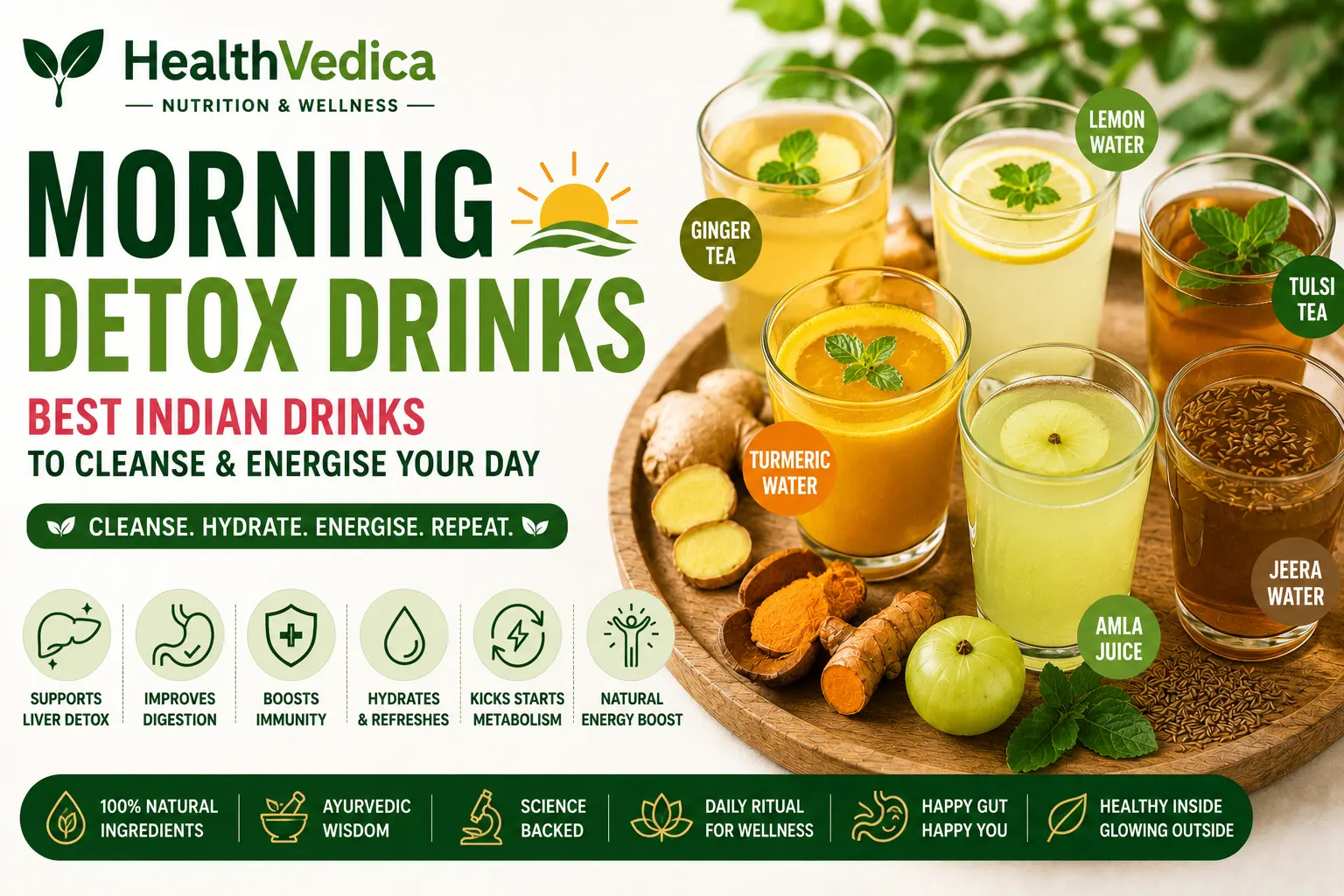
📊 10 Indian Morning Drink Options
| Drink | Practical Benefit | Watch Out For |
|---|---|---|
| Plain water | Hydration | No need to force excessive amounts |
| Lemon water | Hydration + vitamin C | Acidity/tooth enamel if overused |
| Amla drink | Vitamin C and plant compounds | Choose unsweetened |
| Ginger tea | Warm, hydrating; may help nausea | May irritate some stomachs |
| Tulsi tea | Caffeine-free beverage option | Herbal products vary in concentration |
| Jeera water | Traditional, low-calorie drink | Not a proven fat burner |
| Methi water | Traditional use; adds fibre if seeds are eaten | Can affect glucose and digestion |
| Unsweetened tea | Polyphenols + caffeine | Keep away from iron-rich meals |
| Unsweetened coffee | Caffeine + polyphenols | Watch total caffeine |
| Buttermilk/chaas | Fluid and nutrients | Watch added salt in some recipes |
💧 1. Plain Water: Still the Winner for Hydration
You do not need lemon, herbs or spices for water to hydrate you. Drink according to thirst and your day's activity, climate and fluid losses.
There is also no need to force yourself to drink a litre or more immediately after waking. Very large amounts consumed quickly can be uncomfortable and, in extreme cases, unsafe.
🍋 2. Lemon Water
Lemon water is useful mainly because it makes water more appealing and provides some vitamin C. It can be a smart replacement for sweetened beverages.
It does not “alkalise the blood” or wash toxins from the liver. If you drink it frequently, rinse with plain water afterward to reduce prolonged acid exposure to teeth.
🥭 3. Amla
Amla is a traditional Indian food rich in vitamin C and plant compounds. Whole amla or an unsweetened diluted preparation can fit into a balanced diet.
Do not treat amla juice as a replacement for diabetes medicines, iron therapy or other medical treatment.
🫚 4. Ginger Tea
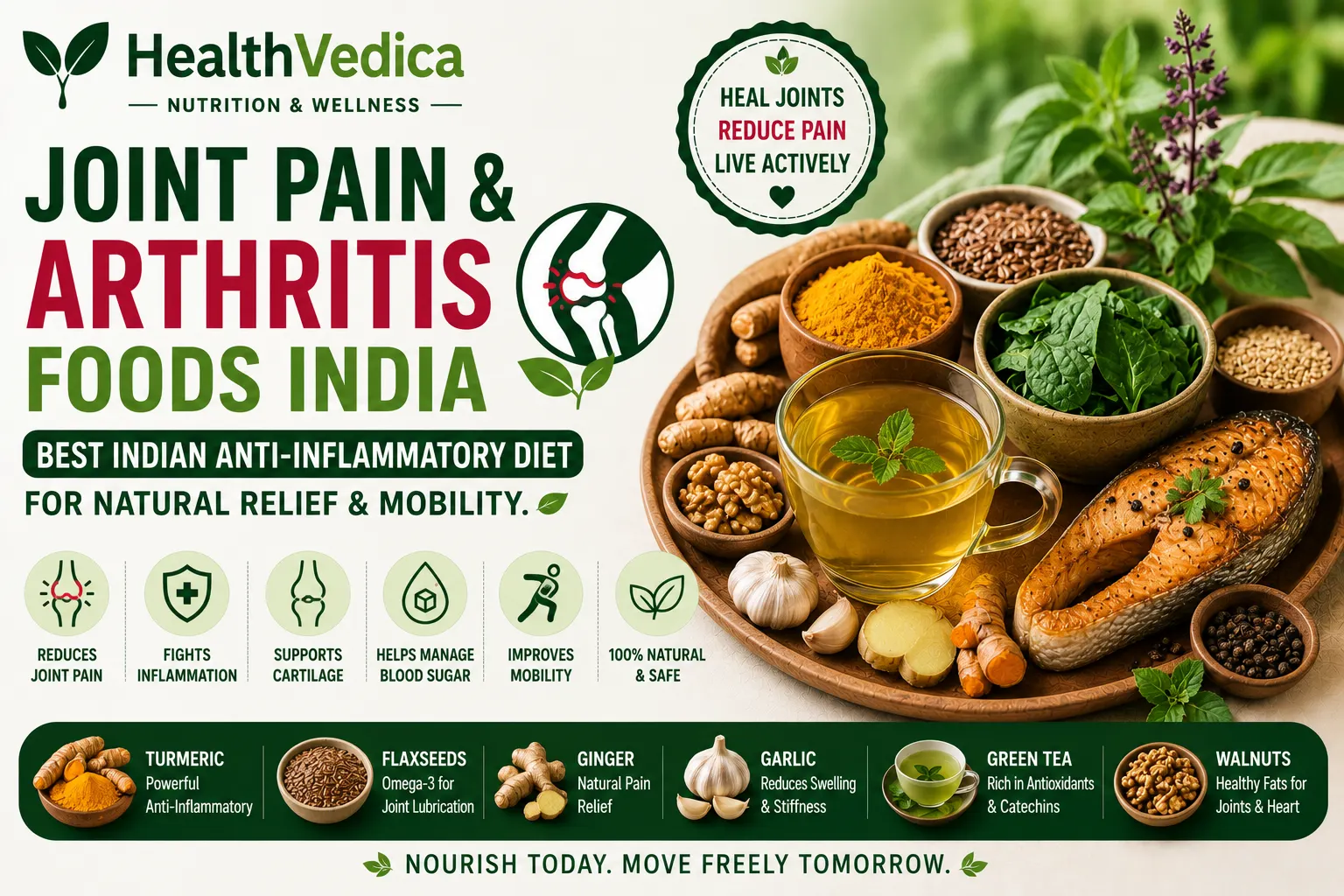
Ginger tea is a simple caffeine-free drink that many people find soothing. Ginger has evidence for helping some forms of nausea and may support comfortable digestion.
Use a modest amount. More is not automatically better.
🌱 5. Tulsi Tea
Tulsi has a long history in Indian traditional practice. Unsweetened tulsi tea can be a pleasant morning beverage.
Traditional use and modern clinical evidence are not the same thing. Avoid presenting tulsi as a guaranteed blood purifier, detoxifier or cure.
🌾 6. Jeera Water
Jeera water is easy to prepare and can replace sweetened beverages. It may feel soothing after a heavy meal or as part of a morning routine.
However, claims that it automatically burns abdominal fat or “cleans the liver” go beyond strong evidence.
🌿 7. Methi Water
Fenugreek seeds contain fibre and bioactive compounds and have been studied for blood-glucose effects. If you have diabetes and take medication, do not assume methi water can replace treatment.
Large amounts may cause digestive symptoms or affect blood glucose, so moderation matters.
☕ 8–9. Tea and Coffee
Tea and coffee can both fit into a healthy diet. ICMR-NIN recommends moderation and notes that tea and coffee can interfere with iron absorption.
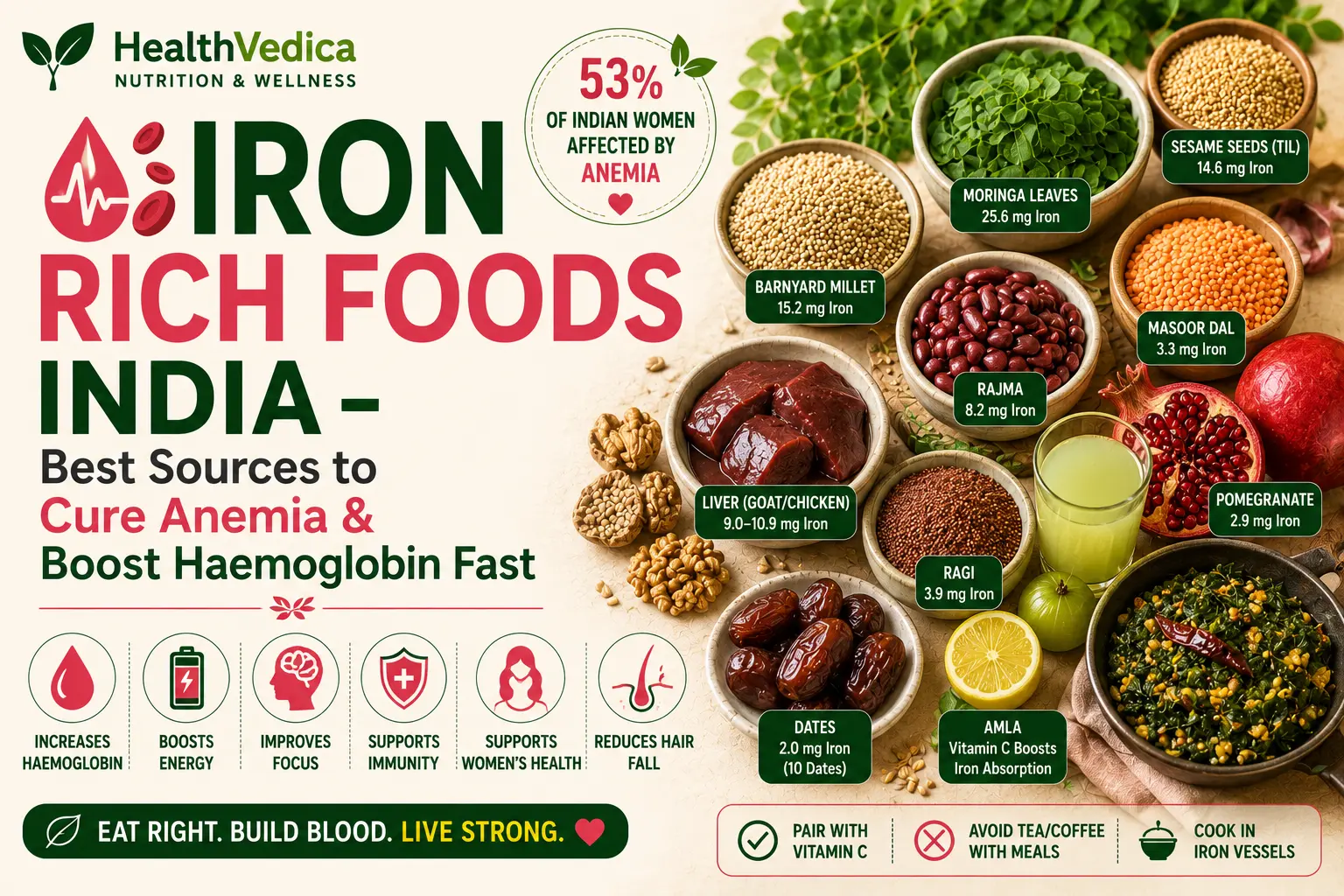
If you rely on plant foods for iron or have iron deficiency, keep tea and coffee away from your main meals.
🥛 10. Chaas / Buttermilk
Unsweetened chaas can provide fluid and nutrients and is a practical Indian beverage, especially in hot weather. Keep an eye on added salt if you have been advised to restrict sodium.
🌿 Ayurveda and the Morning Routine
Ayurveda places importance on daily routine, food preparation, timing and individual constitution. These concepts can be presented respectfully as part of traditional Indian health practice.
At the same time, modern medical claims should be supported by modern evidence. A traditional drink can be useful without needing to be described as a scientifically proven “detox.”
🚫 Morning Habits Worth Changing
- Starting the day with a large sugary drink.
- Using concentrated herbal products without checking safety.
- Taking tea or coffee with iron-rich meals when iron status is low.
- Replacing breakfast with a juice cleanse.
- Believing a morning drink can compensate for an unhealthy diet later in the day.
💡 A Better Morning Formula
Hydrate → eat well → move → repeat.
Start with water. Choose a traditional drink if you enjoy it. Eat a balanced breakfast when hungry. Get regular physical activity. Then focus on the quality of your whole day's diet rather than trying to “detox” for 20 minutes every morning.
✅ Final Takeaway
Indian morning drinks can be delicious, culturally meaningful and genuinely useful. The trick is to separate real benefits from marketing claims. Water hydrates. Amla provides nutrients. Ginger can be soothing. Tea and coffee provide polyphenols but can affect iron absorption. Traditional drinks can support a routine—but your overall lifestyle does the heavy lifting.