Quick answer: what should you eat while breastfeeding?
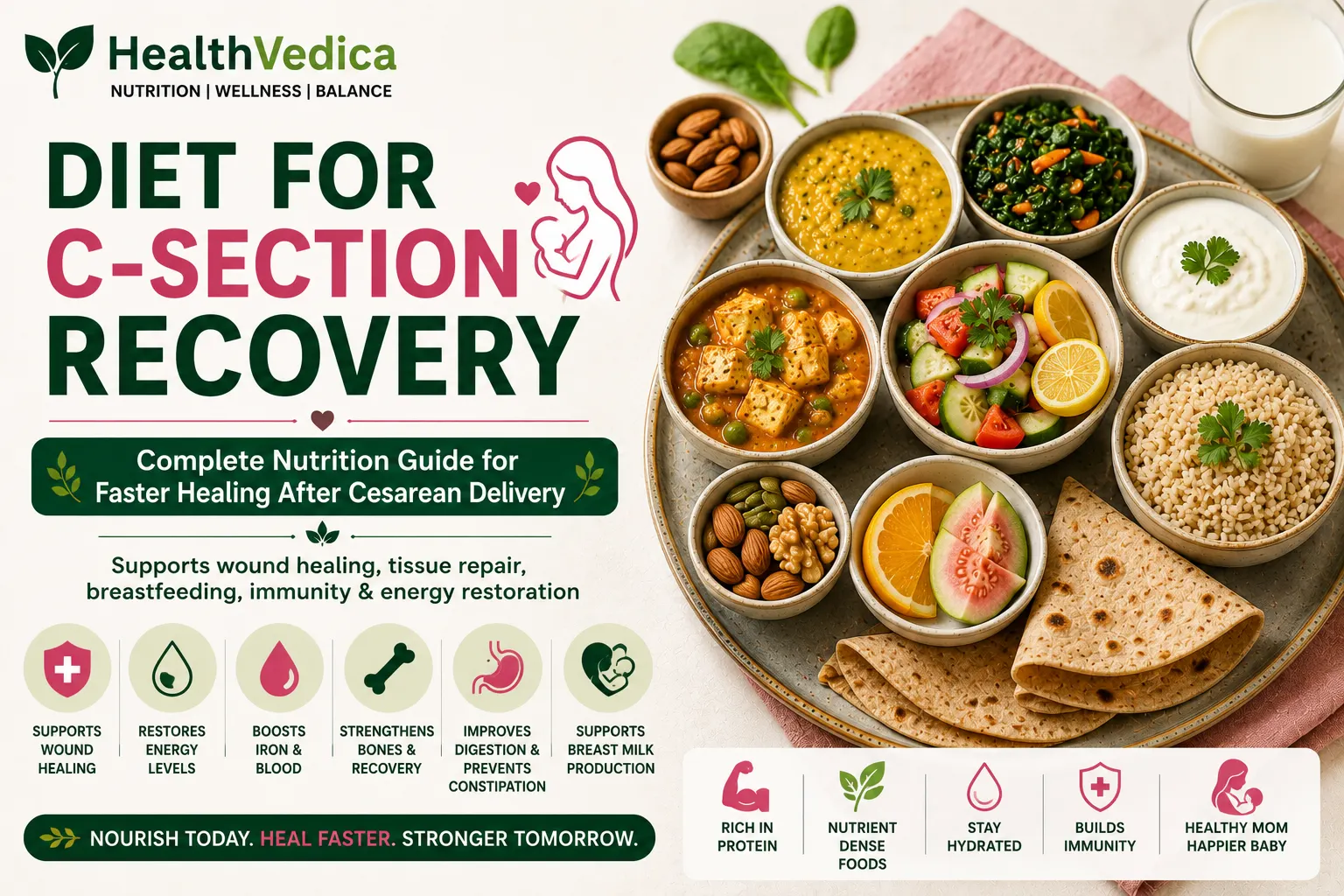
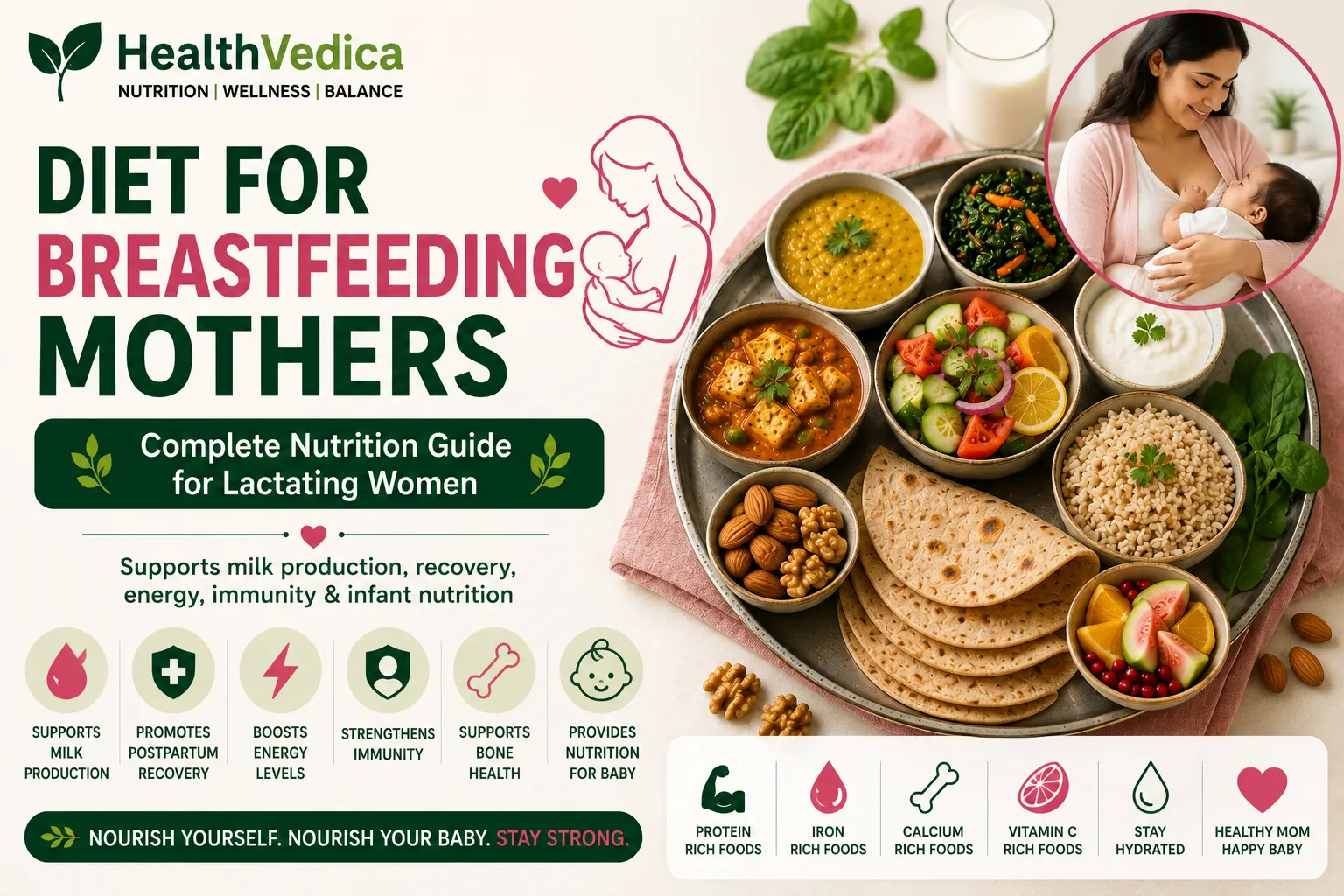
Most breastfeeding mothers do not need a special or restrictive diet. Aim for regular meals with protein foods, whole grains or millets, vegetables, fruit, dairy or fortified alternatives, nuts and seeds, and enough fluids. Some nutrients deserve particular attention, especially if the diet is vegetarian/vegan or if pregnancy or delivery left you anaemic.
Nutrients to prioritise
| Nutrient | Why it matters | Food ideas |
|---|---|---|
| Protein | Supports maternal tissue maintenance and recovery. | Dal, beans, soy, eggs, dairy, fish, chicken |
| Calcium | Important for maternal bone health and overall nutrition. | Milk, curd, paneer, ragi, sesame, fortified foods |
| Iron | Replenishes stores after pregnancy and delivery when needed. | Pulses, beans, leafy greens, eggs/meat, fortified foods |
| Iodine | Important for thyroid function and infant development. | Iodised salt and suitable dietary sources |
| Vitamin B12 | Important for blood and nervous-system function. | Dairy, eggs, fish/meat, fortified foods; vegans need a reliable B12 source |
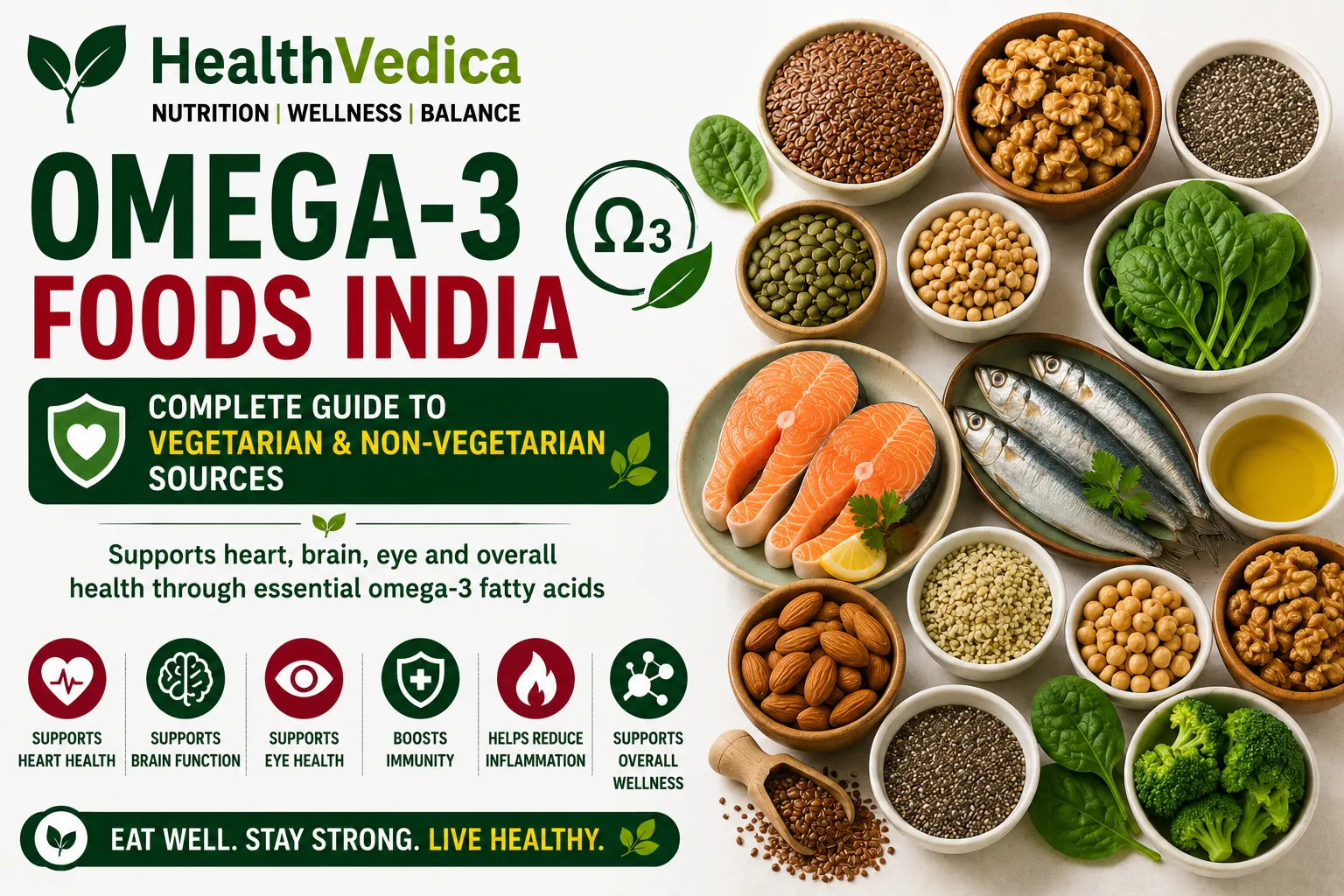
| Omega-3 fats | DHA contributes to infant brain and eye development. | Low-mercury fish; plant ALA sources include flax and walnuts |
Does any food increase breast milk supply?
There is no single food that reliably boosts milk supply for every mother. Milk production is influenced mainly by effective and frequent milk removal, maternal health and the feeding relationship. Oats, fennel, fenugreek and other traditional “lactation foods” may be culturally popular, but evidence for a guaranteed supply-boosting effect is limited. Avoid concentrated herbal products unless your clinician says they are appropriate.
Simple Indian meal ideas
- Breakfast: oats/vegetable upma + milk or curd + fruit.
- Lunch: rice or roti + dal/beans + vegetables + curd.
- Snack: fruit + nuts/seeds or roasted chana.
- Dinner: roti/rice + paneer/egg/fish/chicken + vegetables.
- Fluids: drink regularly according to thirst and keep water accessible during feeds.
Alcohol, caffeine and food safety
Alcohol is best avoided during breastfeeding. Caffeine should be kept moderate, especially if the infant seems unusually unsettled. Follow food-safety practices such as thorough cooking, safe storage and avoiding unpasteurised foods.
Do you need to avoid common foods?
Usually, no. Most mothers can eat a varied diet. If the baby repeatedly develops symptoms such as blood in stools, significant vomiting, wheezing or another concerning reaction, speak with a paediatrician before eliminating multiple foods.
Source note
ICMR-NIN’s 2024 Dietary Guidelines specifically address extra food and healthcare during pregnancy and lactation and recommend exclusive breastfeeding for the first six months.
Evidence & source context: This guide uses ICMR-NIN Dietary Guidelines for Indians 2024 as the primary Indian nutrition framework. Ayurveda is presented as a traditional perspective, not as proof of clinical effectiveness. Food-safety advice is aligned with FSSAI guidance.