🩹 What Should You Eat to Help a Wound Heal?
After an injury, surgery or other wound, the body has to rebuild skin, connective tissue and blood vessels while supporting immune defence. Nutrition cannot replace wound care, antibiotics when indicated, or treatment of an underlying disease, but inadequate nutrition can make recovery harder.
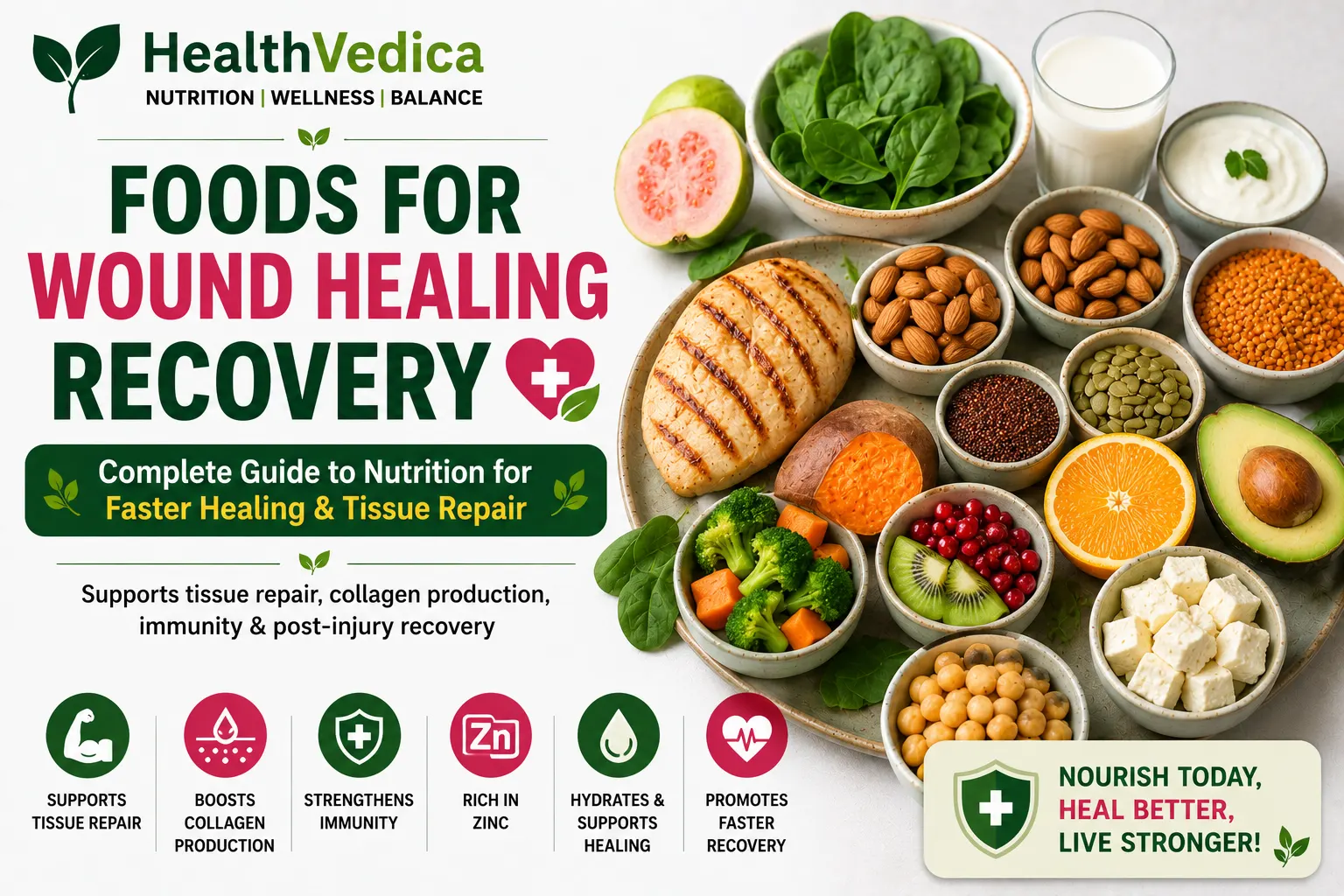
The biggest dietary priorities are straightforward: enough calories, enough protein, a variety of fruit and vegetables, key micronutrients, and adequate fluids.
🔬 The Main Nutrients Involved in Tissue Repair
| Nutrient | Why It Matters | Indian Food Sources |
|---|---|---|
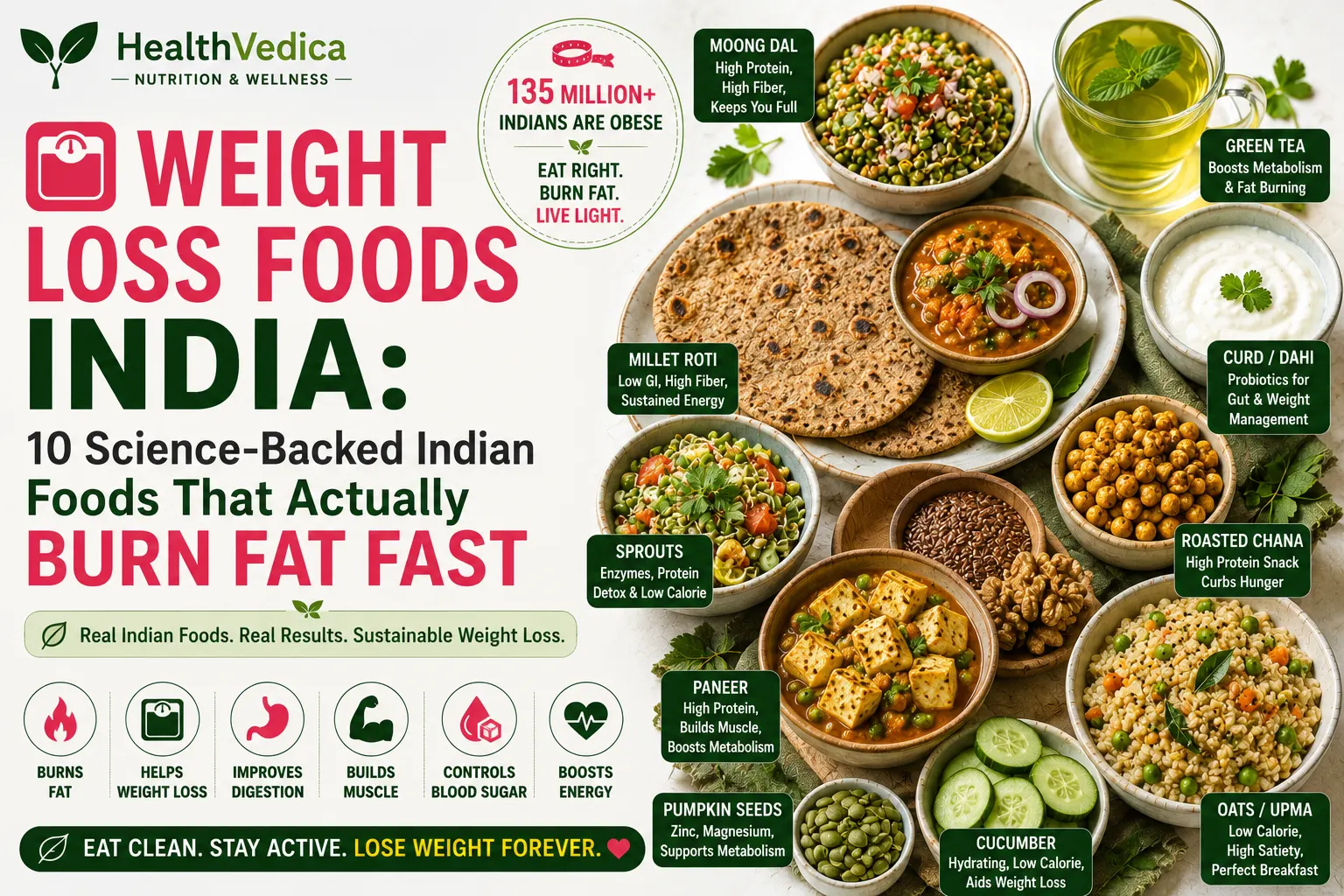
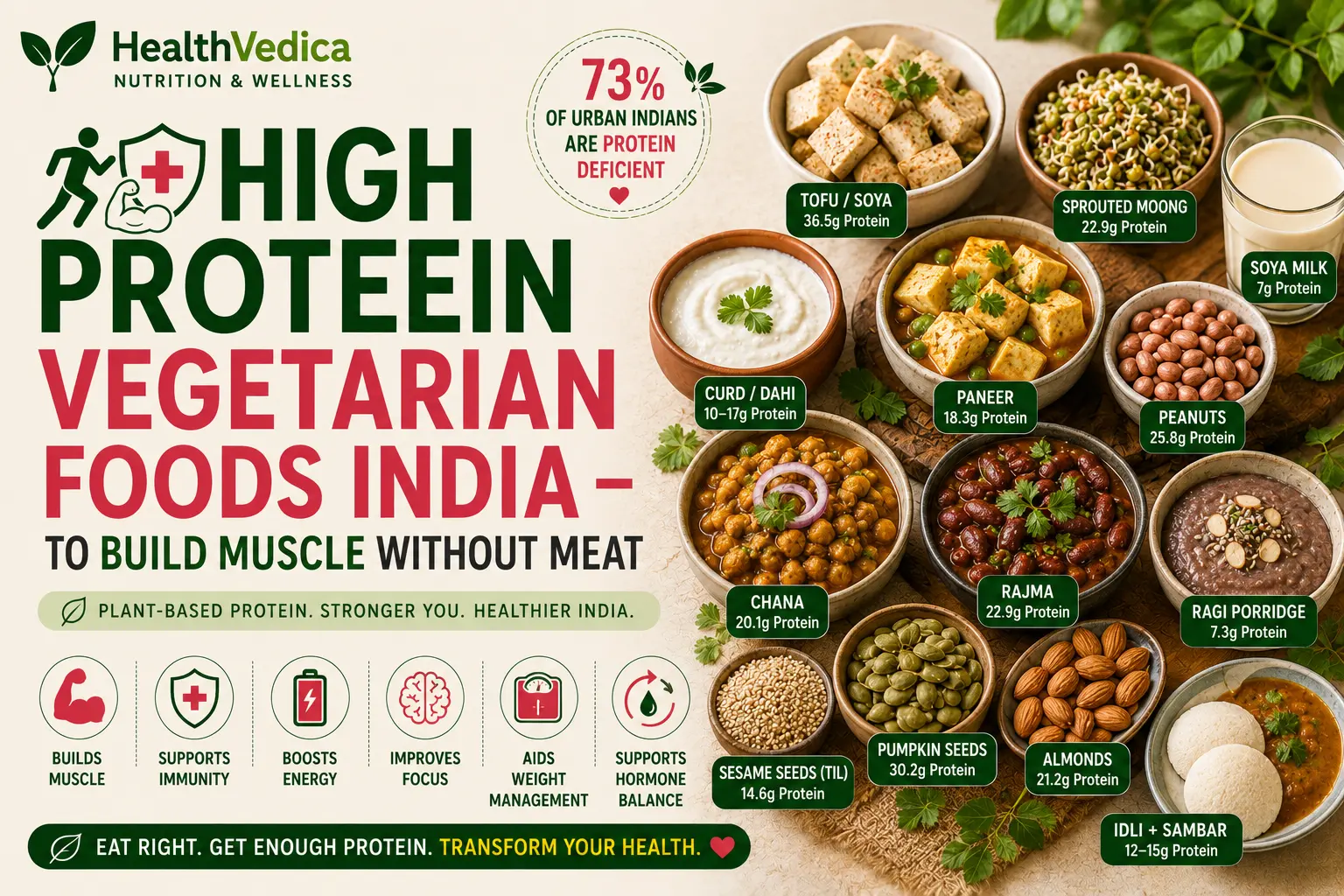
| Protein | Provides amino acids for tissue and immune-cell production | Eggs, fish, chicken, paneer, curd, dal, soy |
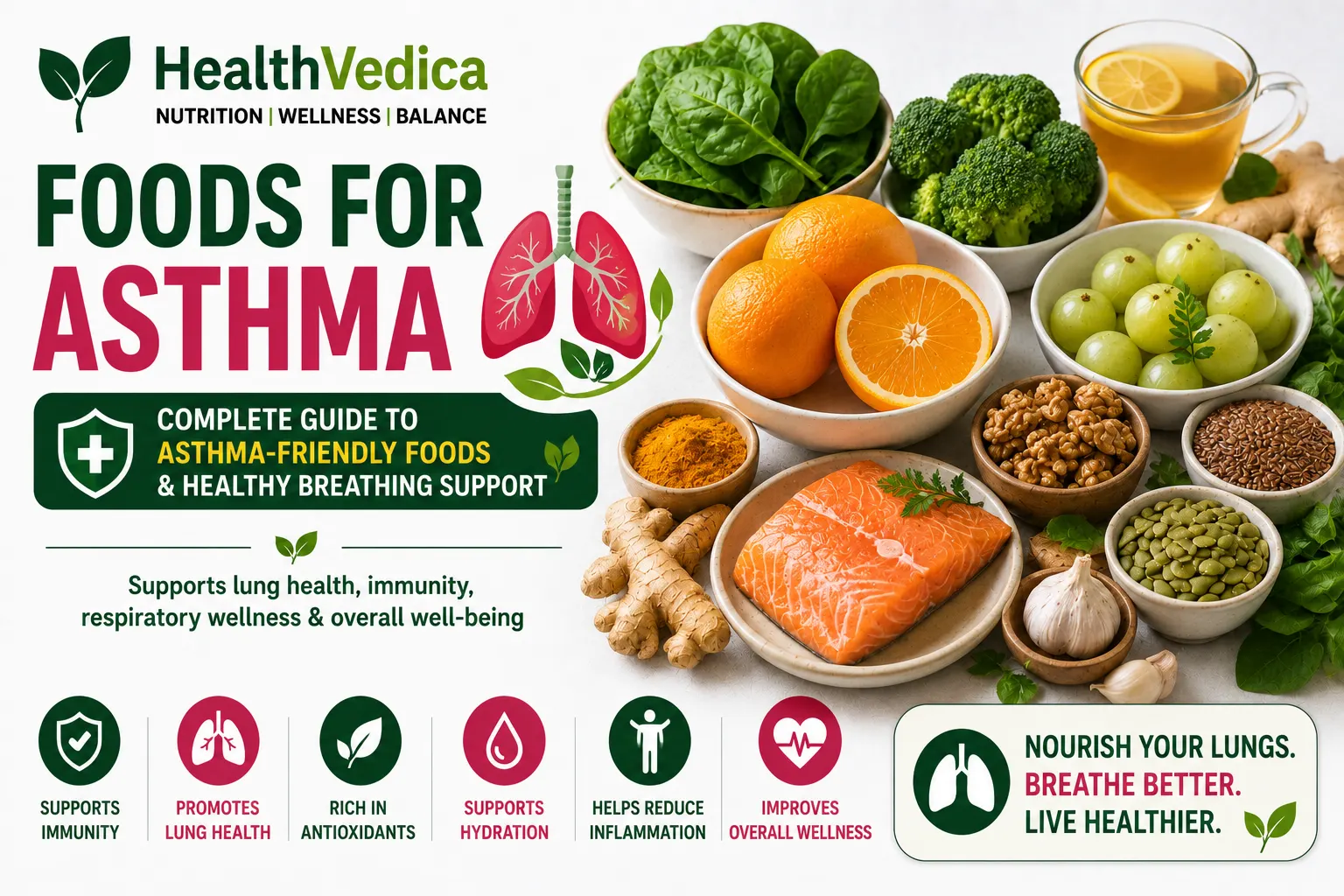
| Vitamin C | Needed for collagen synthesis and normal immune function | Amla, guava, citrus, capsicum |
| Zinc | Supports cell division, tissue repair and immune function | Pumpkin seeds, sesame, chickpeas, lentils |
| Iron | Supports oxygen transport and normal energy production | Legumes, greens, meat, eggs; sources vary in bioavailability |
| Vitamin A | Supports skin and epithelial tissue | Carrot, pumpkin, sweet potato, greens |
| Fluids | Support circulation, nutrient transport and normal body function | Water, soups, suitable beverages |
🥚 Protein Should Appear at Every Meal
One of the easiest mistakes during recovery is eating mostly carbohydrate foods while forgetting protein. Instead of thinking in terms of one large “protein meal,” spread protein across breakfast, lunch and dinner.
Vegetarian: dal + curd + paneer/tofu + beans + nuts/seeds.
Non-vegetarian: eggs + fish/chicken + dairy or pulses.
🍊 Vitamin C: Think Food First
Vitamin C participates in collagen production, a key component of healing tissue. Indian foods make this nutrient easy to obtain: amla, guava, lemon, oranges, capsicum and tomatoes.
Pairing vitamin-C-rich foods with plant sources of iron can also improve iron absorption.
🥜 Zinc and Iron: Important, but Don't Self-Prescribe High-Dose Supplements
Zinc and iron are necessary for normal tissue repair, but more is not automatically better. High-dose supplementation without a demonstrated need can cause side effects and, in the case of some nutrients, interfere with other minerals or medicines.
Food-first intake is a sensible starting point. If a clinician suspects deficiency, blood tests can guide treatment.
🥬 Build Meals Around Color and Variety
Include leafy greens, orange vegetables, beans, pulses and fruit rather than relying on a single “superfood.” A varied diet helps cover multiple micronutrients without turning recovery into a long supplement list.
💧 Hydration During Recovery
Dehydration can make eating and recovery harder. Keep water available throughout the day and use soups, buttermilk or other suitable fluids when appetite for solid food is low.
Your medical team may give different fluid advice if you have heart failure, kidney disease or another condition requiring restriction.
🚫 What Can Work Against Good Healing?
| Factor | Why It Matters |
|---|---|
| Smoking | Impairs blood flow and oxygen delivery to tissue |
| Heavy alcohol use | Can worsen nutrition and recovery |
| Very low-calorie dieting | Leaves less energy available for repair |
| Very low protein intake | Can reduce the amino acids available for tissue repair |
| Poorly controlled diabetes | Can impair wound healing and increase infection risk |
🍽️ Simple Indian Recovery Meal Plan
Breakfast: Eggs or besan/moong chilla + fruit
Mid-morning: Guava or amla + water
Lunch: Dal + rice/roti + leafy vegetable + curd
Evening: Buttermilk + pumpkin/sesame seeds
Dinner: Fish/chicken/paneer/tofu + vegetables + whole grain
Before bed: Milk or another protein-containing option if tolerated
🩺 When Food Alone Is Not Enough
Get medical review if a wound is increasingly red, hot, swollen or painful, has pus or a bad smell, the edges are separating, you develop fever, or healing is unexpectedly slow. People with diabetes, poor circulation, kidney disease or significant nutritional problems may need specialized wound care and nutrition support.
🌿 Ayurveda and Recovery Nutrition
Ayurveda includes traditional dietary and herbal approaches used during convalescence. The Ministry of Ayush provides official information on medicinal plants and Indian systems of medicine. For a recovering patient, these approaches should remain complementary; an herb or tonic should not replace wound assessment, prescribed medicines, adequate protein or clinically indicated nutrition support.
💡 Final Takeaway
For wound recovery, the most useful “superfood” is actually a complete meal pattern: adequate protein, vegetables and fruit, iron- and zinc-containing foods, vitamin-C-rich produce, enough energy and regular hydration.