💪 Do You Actually Need Protein Powder?
Protein powder is a convenience food, not a requirement for building muscle. If you can consistently meet your protein needs from eggs, dairy, fish, meat, soy, pulses and other foods, there is no special health benefit to using a powder.
It becomes useful when your diet falls short because of appetite, schedule, training demands, vegetarian or vegan eating, travel or simple convenience.
📌 How Much Protein Do You Need?
Protein requirements depend on body size, age, activity, training and health status. The general adult RDA is around 0.8 g/kg/day, while people who regularly perform resistance training often benefit from a higher intake.
For example, a 70 kg strength-training adult might choose a target around 1.6 g/kg/day = 112 g protein/day. That does not mean 112 g must come from supplements.
Example: If food provides 80–90 g, a shake supplying 20–25 g can close the practical gap.
🥛 Whey vs Plant Protein
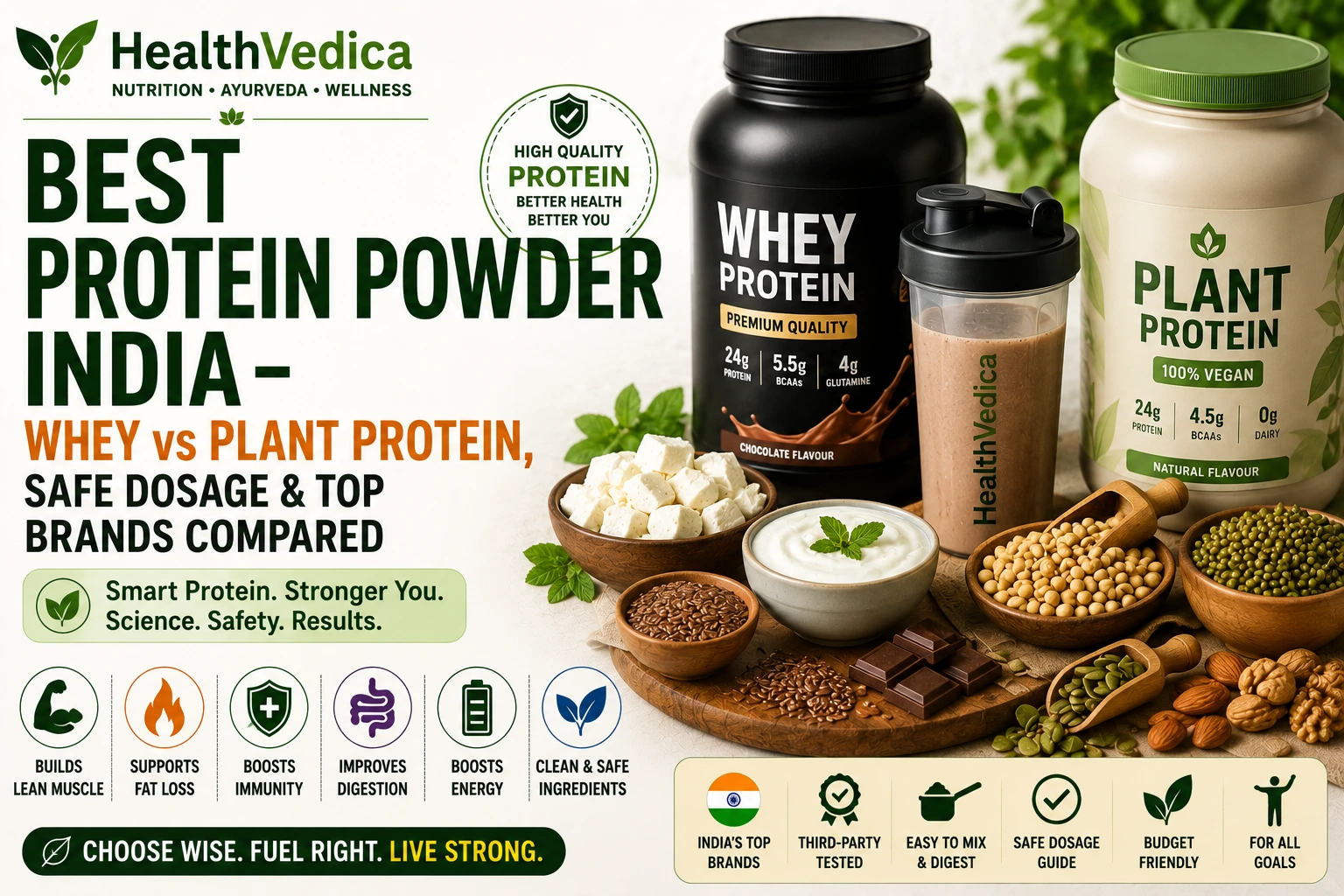
| Type | Strength | Best Fit | Watch For |
|---|---|---|---|
| Whey concentrate | High-quality protein, usually affordable | Most dairy-consuming athletes | Lactose tolerance varies |
| Whey isolate | High protein with less lactose | People who tolerate whey but want less lactose | Higher price |
| Soy isolate | Complete plant protein | Vegans/vegetarians | Soy allergy or preference |
| Pea protein | Useful plant protein | Vegan diets | Amino-acid profile differs from whey |
| Pea + rice blend | Complementary plant proteins | Vegan athletes | Check total protein per serving |
| Casein | Slow-digesting dairy protein | Convenient protein later in the day | Dairy intolerance |
🏋️ Who Is Most Likely to Benefit?
- People doing regular resistance training who struggle to reach their protein target.
- Vegetarians or vegans with high protein requirements and limited meal options.
- People with low appetite who cannot comfortably eat enough protein.
- People who need a convenient protein source while travelling or working.
If you are sedentary and already meet your protein needs through food, adding a powder simply adds cost and calories without solving a problem.
🥚 Indian Foods Can Do a Lot of the Work
Eggs, milk, curd, paneer, soy chunks, tofu, dal, chickpeas, rajma, fish and lean meat can all contribute protein.
Practical Indian combinations: dal + rice, roti + dal, curd + meals, soy + vegetables, eggs + whole grains and paneer/tofu + vegetables.
For plant-based diets, variety across the day helps provide a broad essential-amino-acid profile.
⚠️ Protein Powder Safety
For healthy adults, protein supplements used as directed are generally considered safe. The bigger problems are often product quality, unnecessary dosing, added sugars and using supplements when an underlying medical issue has not been assessed.
People with kidney disease or other medical conditions affecting protein intake should get personalised advice from a clinician or dietitian rather than copying a gym influencer's dose.
🔍 How to Read a Protein Label
- Check actual protein grams per serving.
- Look at serving size rather than marketing claims on the front.
- Review the full ingredient list.
- Prefer transparent labelling and reputable manufacturing.
- Buy through the brand or authorised sellers when possible.
- Do not assume “more expensive” means “more effective.”
💊 Do You Need BCAAs If You Already Use Protein?
Usually not. Complete proteins such as whey and many well-formulated plant blends already provide essential amino acids. If total daily protein is adequate, adding separate BCAA supplements often adds cost without solving a clear nutritional gap.
⏰ When Should You Take Protein Powder?
You do not need to race against a 30-minute “anabolic window.” What matters most is total daily protein and reasonably distributing protein across meals.
A shake after training is convenient because many people are hungry or busy then. It is not mandatory if you eat a protein-rich meal around the same period.
🥤 Easy Indian Protein-Shake Ideas
Banana shake: milk or soy milk + banana + protein powder + cinnamon.
Yoghurt bowl: curd/Greek yoghurt + fruit + nuts + protein powder.
Plant option: soy or pea-rice protein + unsweetened soy milk + banana.
💡 Final Takeaway
Protein powder is a tool, not a shortcut. First build a diet around protein-rich foods. Then use whey or a plant protein when it makes hitting your target easier.
For most people, the best product is not the one with the loudest marketing. It is the one that provides enough protein, fits your dietary needs, is tolerated well, has transparent labelling and is bought from a trustworthy source.