🌿 Introduction
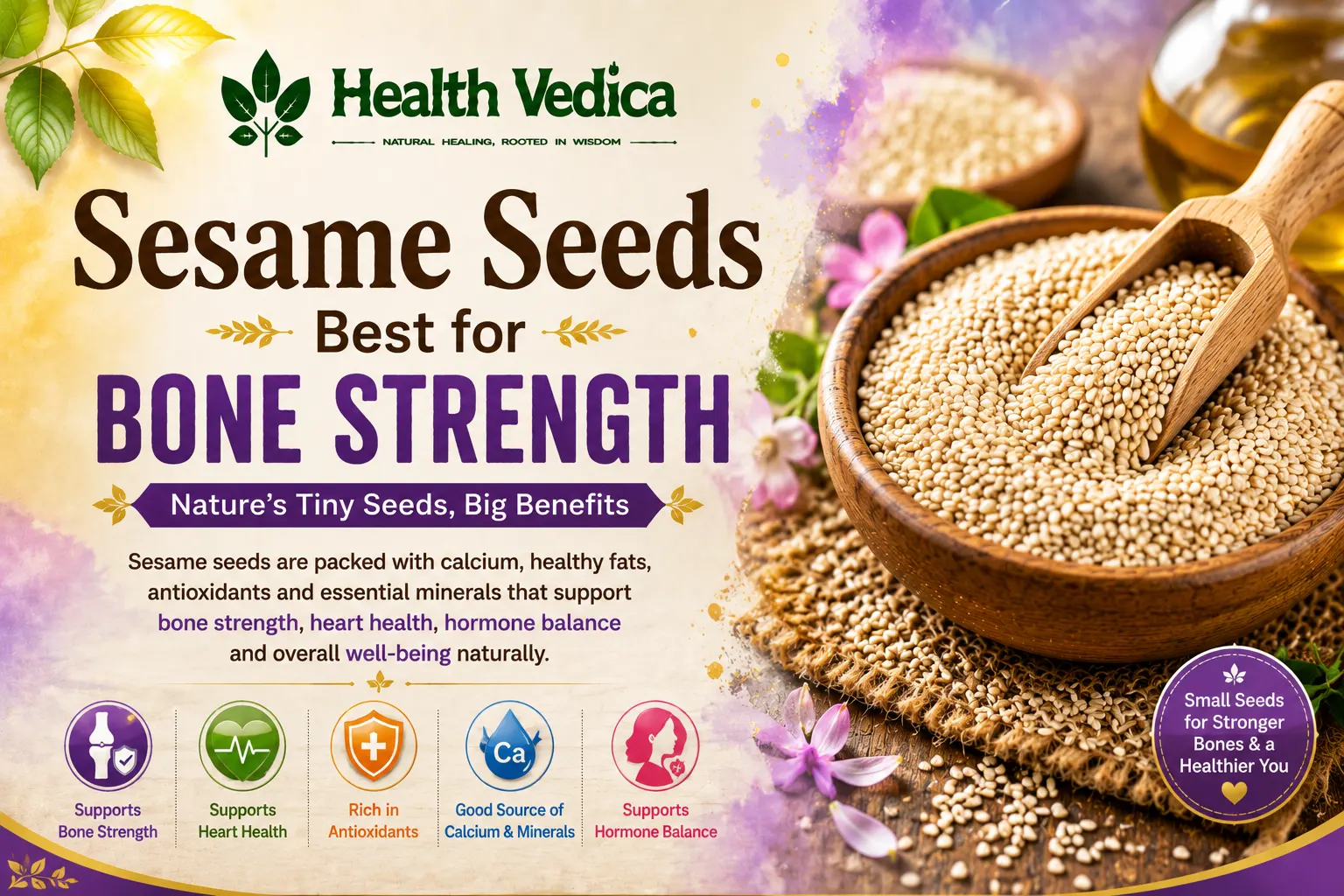
Sesame seeds, known as Til in Hindi, are one of the oldest oilseed crops in the world, cultivated for over 3,500 years. In India, til holds deep cultural, spiritual, and nutritional significance — from Makar Sankranti celebrations with til chikki and til ladoo, to daily Ayurvedic use in cooking oils, massage, and medicine. Small yet mighty, sesame seeds are extraordinary sources of calcium, copper, zinc, and unique antioxidants called sesamin and sesamolin — found nowhere else in the plant kingdom — that provide remarkable benefits for bone health, hormonal balance, and longevity.
📊 Nutritional Value Per 100g of Sesame Seeds (Dried)
| Nutrient | Amount | % Daily Value (DV) |
|---|---|---|
| Calories | 573 kcal | 29% |
| Protein | 17.7 g | 35% |
| Total Fat | 49.7 g | 64% |
| Monounsaturated Fat | 18.8 g | — |
| Polyunsaturated Fat | 21.8 g | — |
| Carbohydrates | 23.5 g | 9% |
| Dietary Fiber | 11.8 g | 42% |
| Calcium | 975 mg | 75% |
| Iron | 14.6 mg | 81% |
| Magnesium | 351 mg | 84% |
| Phosphorus | 629 mg | 90% |
| Zinc | 7.8 mg | 71% |
| Copper | 4.08 mg | 453% |
| Manganese | 2.46 mg | 107% |
| Sesamin + Sesamolin | ~1.5g | — |
📉 Glycemic Index
Sesame seeds have a low glycemic index of 35. Their high fiber, fat, and protein content ensures slow, gradual glucose release and good blood sugar management.
🕉️ Ayurvedic Properties & Dosha Effect
In Ayurveda, sesame (Tila) is one of the most celebrated foods and medicines. Sesame is Ushna (warming), Snigdha (oily), Guru (heavy), and sweet-bitter in taste. It is primarily Vata-pacifying and Kapha-increasing. Sesame oil (Til ka Tel) is the most commonly used base oil in Panchakarma therapies including Abhyanga (oil massage), Nasya (nasal therapy), and Basti (enema). In Ayurvedic dietetics, sesame is classified as a Medhya (brain tonic), Twachya (skin nourishing), and Shukravardhan (reproductive health promoter). Black sesame (Kala Til) is considered more potent than white sesame in Ayurveda.
💚 Health & Healing Benefits
Exceptional Bone Health: Sesame seeds contain 975mg of calcium per 100g — 75% of daily value — along with zinc (71% DV), phosphorus (90% DV), and magnesium (84% DV). This mineral complex makes sesame seeds one of the most bone-nourishing plant foods available. Regular consumption supports bone density and protects against osteoporosis, particularly in menopausal women.
Extraordinary Iron Content: With 14.6mg of iron per 100g (81% DV), sesame seeds are an exceptional iron source for vegetarians. Combined with the Vitamin C often present in Indian dishes, sesame iron absorption is significantly enhanced.
Unique Antioxidants — Sesamin & Sesamolin: These lignans are found exclusively in sesame seeds. They have powerful anti-inflammatory, cholesterol-lowering, and anti-cancer properties. Sesamin also supports liver health and improves the body's use of Vitamin E.
Copper for Joint Health: Sesame seeds contain 453% of daily Copper — extraordinarily high. Copper is a cofactor for superoxide dismutase, the body's primary anti-inflammatory enzyme. This is why sesame has traditionally been used for arthritis and joint pain in Ayurvedic medicine.
Hormonal Balance: Sesamin lignans have phytoestrogenic activity that helps balance estrogen levels in women, reducing menopausal symptoms and supporting bone density post-menopause.
Hair & Skin: Sesame oil is deeply nourishing for hair — conditioning, promoting growth, and reducing premature greying (particularly black sesame in Ayurveda). Sesame oil is also anti-fungal and protects against scalp infections.
🏠 Traditional Indian Uses & Recipes
Til Chikki: Classic Indian sesame-jaggery brittle — iron, calcium, and energy-rich. Til Ladoo: Roasted sesame seeds bound with jaggery and ghee — a Makar Sankranti festival sweet and a traditional winter strengthening food. Tahini (Sesame Paste): Ground sesame seeds used in Middle Eastern cooking and increasingly popular in Indian health kitchens as a dip, dressing, or spread. Sesame Oil (Til ka Tel) for Cooking: One of the healthiest cooking oils in Ayurveda — cold-pressed sesame oil for salad dressings, cold-pressed for Ayurvedic massages, and refined sesame oil for Indian tempering and frying. Gingelly Oil Rasam: South Indian dish where sesame oil is a key ingredient, combining anti-inflammatory benefits with digestion support. Sesame Seed Chutney (Til ki Chutney): Ground roasted sesame with tamarind, red chili, and garlic — a calcium-rich, flavourful condiment.
⚖️ Black vs White Sesame Seeds
Black sesame seeds (Kala Til) retain their hull and are considered more nutritious and medicinally potent in Ayurveda — particularly for hair health (preventing greying), liver function, and kidney tonification. White sesame seeds are hulled, slightly milder in taste, and more commonly used in cooking. For maximum health benefits, use unhulled black or brown sesame seeds.
✅ Best Ways to Consume Sesame Seeds
Roasting or toasting sesame seeds enhances their flavor and increases bioavailability of certain nutrients. Grinding them into paste (tahini or sesame chutney) makes minerals more accessible. Unhulled sesame seeds contain more calcium than hulled. Add to salads, bread, rotis, rice, chutneys, or stir-fries.
📅 Daily Recommended Intake
1–3 tablespoons (10–30g) of sesame seeds per day is recommended. Even a tablespoon provides a meaningful dose of calcium, iron, and unique sesame antioxidants.
⚠️ Precautions
Sesame allergy is among the top 9 food allergens in the US and is increasingly recognized globally — always check for allergy before consuming. Oxalate content in sesame may be a concern for those prone to calcium oxalate kidney stones. Consume in moderation if prone to Kapha aggravation.