🌿 Introduction
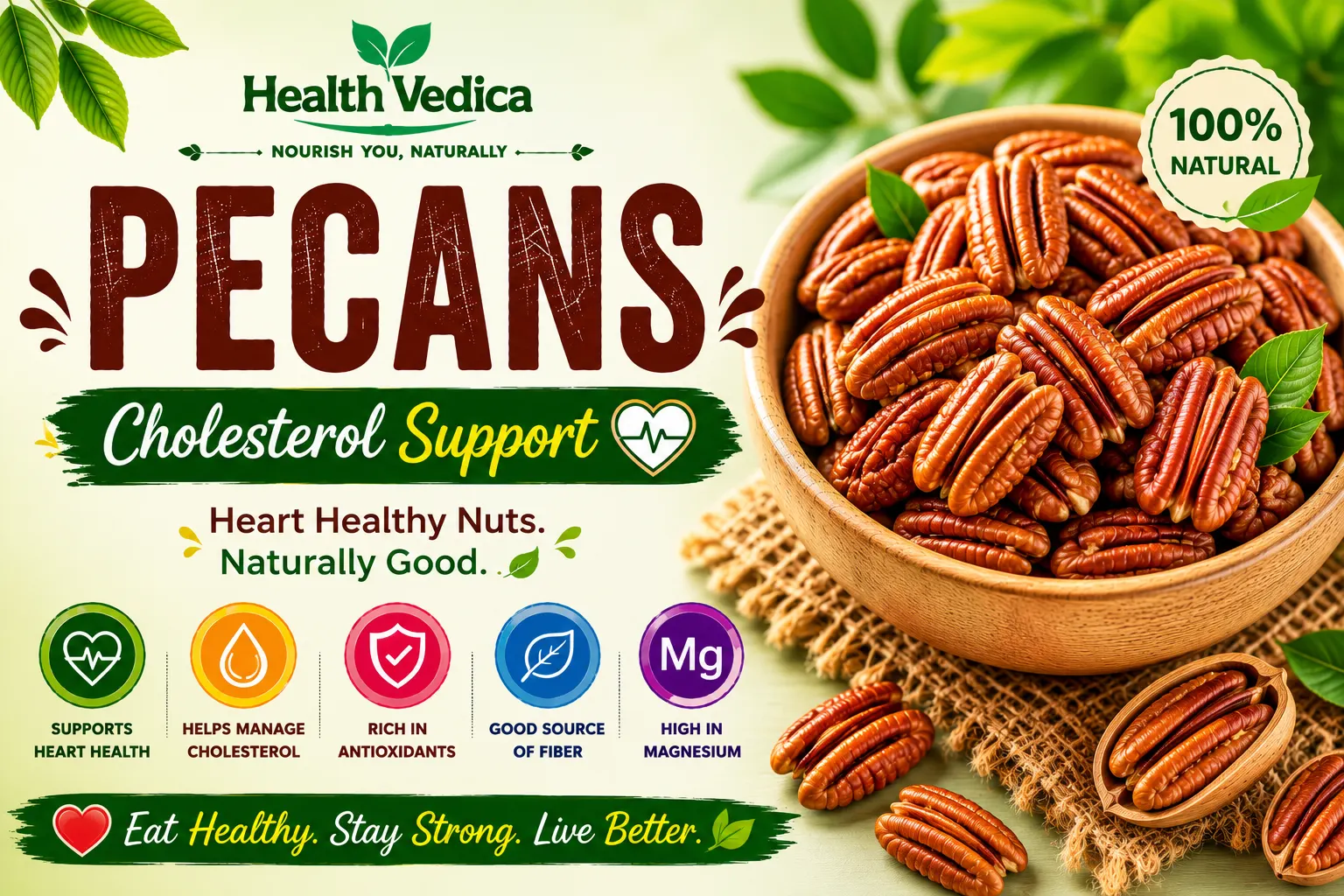
Pecans are native North American nuts that have gained a devoted following worldwide for their rich, buttery taste and outstanding nutritional profile. Botanically related to walnuts, pecans stand out as one of the most antioxidant-rich nuts on the planet — ranking #1 among all nuts in the ORAC (Oxygen Radical Absorbance Capacity) score. While still a specialty item in India, pecans are increasingly embraced in health circles, gourmet baking, and functional food applications.
📊 Nutritional Value Per 100g of Pecans
| Nutrient | Amount | % Daily Value (DV) |
|---|---|---|
| Calories | 691 kcal | 35% |
| Protein | 9.2 g | 18% |
| Total Fat | 71.9 g | 92% |
| Monounsaturated Fat | 40.8 g | — |
| Polyunsaturated Fat | 21.6 g | — |
| Carbohydrates | 13.9 g | 5% |
| Dietary Fiber | 9.6 g | 34% |
| Vitamin E | 1.4 mg | 9% |
| Thiamine (B1) | 0.66 mg | 55% |
| Zinc | 4.5 mg | 41% |
| Copper | 1.2 mg | 133% |
| Manganese | 4.5 mg | 196% |
| Gamma-Tocopherol | 24.4 mg | — |
📉 Glycemic Index
Pecans have a very low glycemic index of 10, identical to macadamia nuts, making them suitable for diabetics and those on low-carb or ketogenic diets.
🕉️ Ayurvedic Perspective
Pecans share properties similar to walnuts in Ayurveda — warming, heavy, and oily. They are Vata-pacifying and support Majja Dhatu (nervous tissue). Their high antioxidant content makes them valuable in Ayurvedic Rasayana (rejuvenation) therapies. They are best consumed in small quantities during winter and autumn seasons.
💚 Health & Healing Benefits
Highest Antioxidant Nut: Pecans contain gamma-tocopherol (a form of Vitamin E not found abundantly in other nuts) along with ellagic acid, catechins, lutein, and zeaxanthin — making them the most antioxidant-dense nut. These compounds fight free radicals, reduce oxidative stress, and protect against chronic disease.
Heart Disease Prevention: Studies show regular pecan consumption decreases total LDL cholesterol by up to 33% and oxidized LDL (the most dangerous form) significantly — providing exceptional cardiovascular protection.
Anti-Cancer Properties: Ellagic acid in pecans inhibits cancer cell growth, particularly in breast, prostate, and colon cancers. The combination of antioxidants creates a synergistic anti-cancer effect.
Brain Health & Neuroprotection: Gamma-tocopherol crosses the blood-brain barrier and protects neurons from oxidative damage. Combined with thiamine and manganese, pecans support cognitive function and may slow neurodegenerative diseases.
Blood Sugar Control: Pecans' very low glycemic index, fiber, and healthy fat content makes them ideal for managing Type 2 diabetes and insulin resistance.
Anti-Aging: The exceptional antioxidant content in pecans fights cellular aging, reduces skin wrinkles, and promotes longevity at the cellular level.
🍽️ Practical Uses & Recipes
Pecan Granola: Mix chopped pecans with rolled oats, honey, and cinnamon — bake for a heart-healthy, antioxidant-rich breakfast. Pecan Energy Balls: Blend pecans with dates, vanilla, and a pinch of sea salt for a quick, nutritious snack. Pecan Salad Topping: Add raw or candied pecans to green salads for added crunch, flavor, and nutrition. Pecan Milk: Blend soaked pecans with water and a dash of vanilla for a rich, creamy plant-based milk.
✅ Best Ways to Eat Pecans
Raw or dry-roasted pecans without salt or sugar are ideal. Store them refrigerated as their high fat content makes them prone to rancidity at room temperature. They pair beautifully with apples, dark chocolate, cinnamon, maple, and vanilla.
📅 Daily Recommended Intake
A small handful — 15–20 pecan halves (approximately 28g) — per day provides exceptional antioxidant protection without excessive calories.
⚠️ Precautions
Tree nut allergy sufferers should avoid pecans. Those managing caloric intake should be mindful as pecans are very calorie-dense. Freshness is important — always check for rancid smell before consuming.