🌿 Introduction
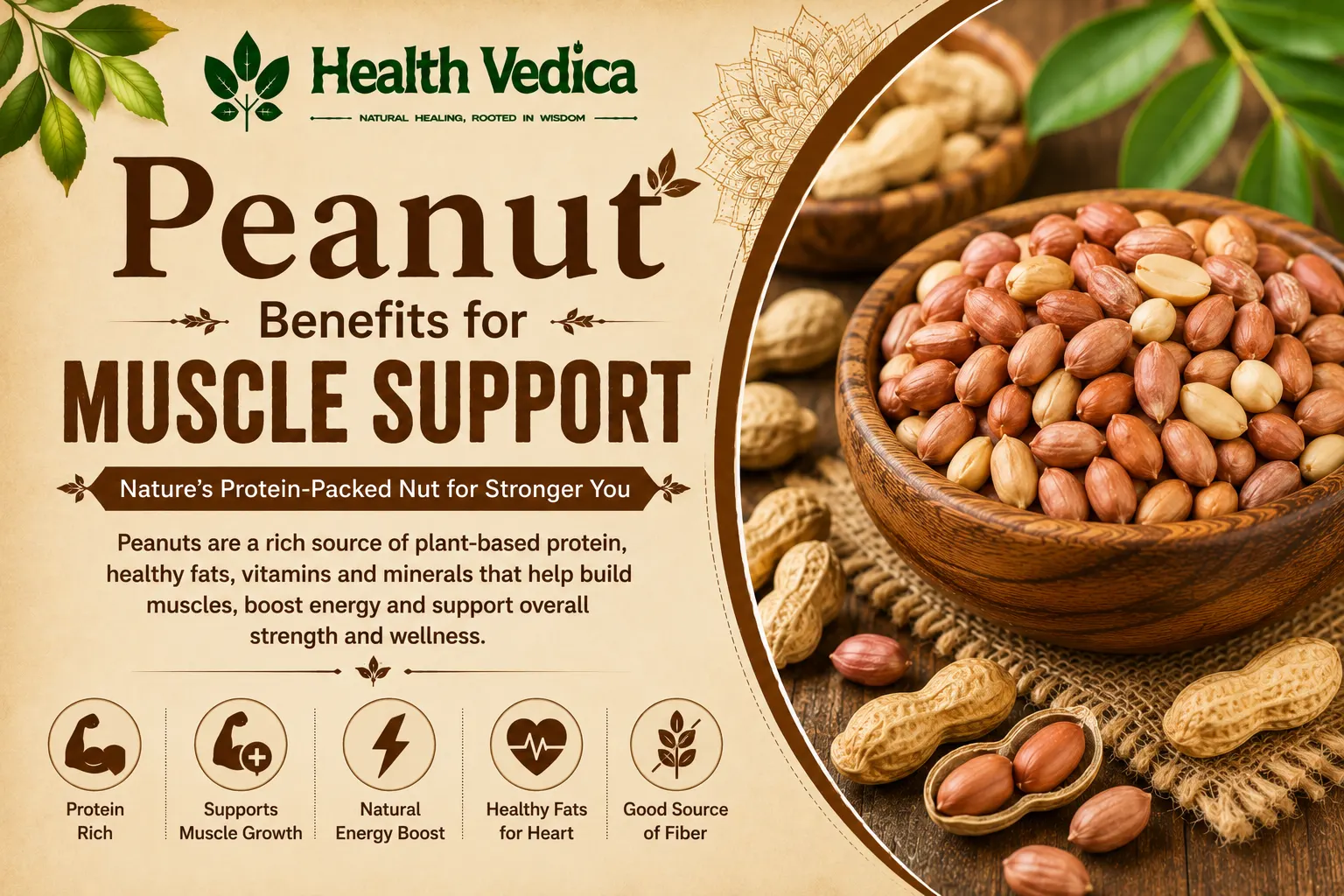
Peanuts, known as Moongphali in India, are technically legumes but nutritionally function like nuts — and they are far more affordable and accessible than other nuts, making them the most consumed nut-like food in India. From roasted moongphali sold by street vendors on winter evenings to groundnut chikki, peanut chutney, and kacchi ghani peanut oil — peanuts are embedded in Indian culture and cuisine. Despite being economical, peanuts rival and often surpass more expensive nuts in protein, niacin, and biotin content.
📊 Nutritional Value Per 100g of Peanuts (Raw)
| Nutrient | Amount | % Daily Value (DV) |
|---|---|---|
| Calories | 567 kcal | 28% |
| Protein | 25.8 g | 52% |
| Total Fat | 49.2 g | 63% |
| Monounsaturated Fat | 24.4 g | — |
| Carbohydrates | 16.1 g | 6% |
| Dietary Fiber | 8.5 g | 30% |
| Niacin (B3) | 12.1 mg | 76% |
| Biotin (B7) | 40 mcg | 133% |
| Folate | 240 mcg | 60% |
| Magnesium | 168 mg | 40% |
| Phosphorus | 376 mg | 54% |
| Potassium | 705 mg | 15% |
| Zinc | 3.3 mg | 30% |
| Resveratrol | 0.3–1.1 mg | — |
📉 Glycemic Index
Peanuts have a very low glycemic index of 14–20, making them one of the best low-GI foods for blood sugar management. Despite their carbohydrate content, the fiber and fat slow digestion significantly.
🕉️ Ayurvedic Properties & Dosha Effect
In Ayurveda, peanuts are Vata-balancing and warming (Ushna Veerya), with a sweet and astringent taste. They are considered Balya (strength-promoting) and beneficial for building muscle and body mass. However, excess consumption can increase Pitta and Kapha, particularly in the form of roasted or fried peanuts. Boiled peanuts are considered easier to digest and more compatible with Pitta types.
💚 Health & Healing Benefits
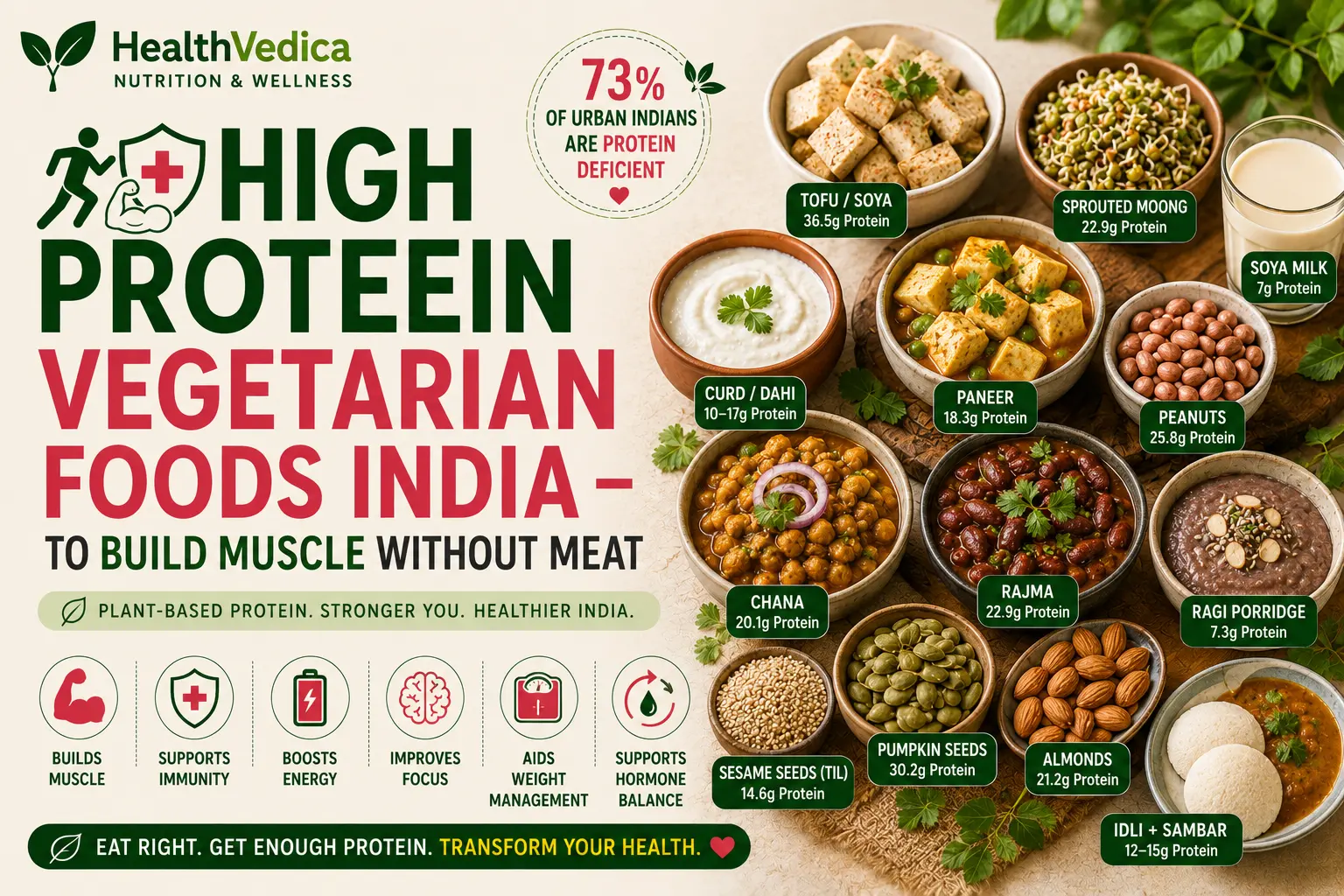
Protein Powerhouse: With 25.8g of protein per 100g, peanuts are the highest protein nut/legume, rivaling many animal proteins. They are essential for vegetarians and vegans who need plant-based protein sources.
Heart Health: Peanuts contain resveratrol (the same antioxidant in red wine), oleic acid, and niacin — a powerful trio that reduces LDL cholesterol, prevents arterial plaque formation, and lowers heart disease risk.
Hair Health (Biotin): Peanuts are one of the richest food sources of biotin (133% DV), essential for keratin synthesis, hair growth, and preventing hair loss and brittle nails.
Folate for Pregnancy: 240 mcg of folate per 100g makes peanuts an excellent food during pregnancy, critical for preventing neural tube defects in the developing fetus.
Energy & Metabolism: The high niacin and B vitamin content in peanuts plays a central role in converting food to energy and supporting metabolic functions.
Weight Management: Despite being calorie-dense, peanuts have repeatedly shown in studies to not cause weight gain when consumed in moderation. Their satiety-promoting protein and fiber reduce overall calorie consumption.
🕉️ Ayurvedic Uses & Indian Recipes
Peanut Chikki: Made with jaggery, roasted peanuts, and ghee — a traditional winter energy booster. Peanut Chutney: South Indian staple made with roasted peanuts, tamarind, and spices — a protein-rich condiment. Groundnut Kadhi: Maharashtra's peanut-based curry — a gut-healthy, protein-rich preparation. Boiled Peanuts: A traditional snack particularly popular in South India — the softest, most digestible way to eat peanuts with maximum bioavailability.
✅ Best Ways to Eat Peanuts
Boiled or dry-roasted peanuts without salt or added oil are the healthiest. Raw peanuts can be soaked for 4–6 hours before eating. Natural peanut butter (no added sugar or hydrogenated oils) is an excellent spread. Avoid heavily processed or flavored peanut products.
📅 Daily Recommended Intake
A handful of peanuts — 30–50g (approximately 2–3 tablespoons) — per day is ideal for most adults. Those with Pitta imbalance should prefer boiled peanuts.
⚠️ Precautions
Peanut allergy is one of the most common and severe food allergies — always check before serving to others. Peanuts may be contaminated with aflatoxin (a mold toxin) if stored improperly; always buy from reputable sources and store in cool, dry conditions. People with gout should limit intake due to purine content.