🌿 Introduction
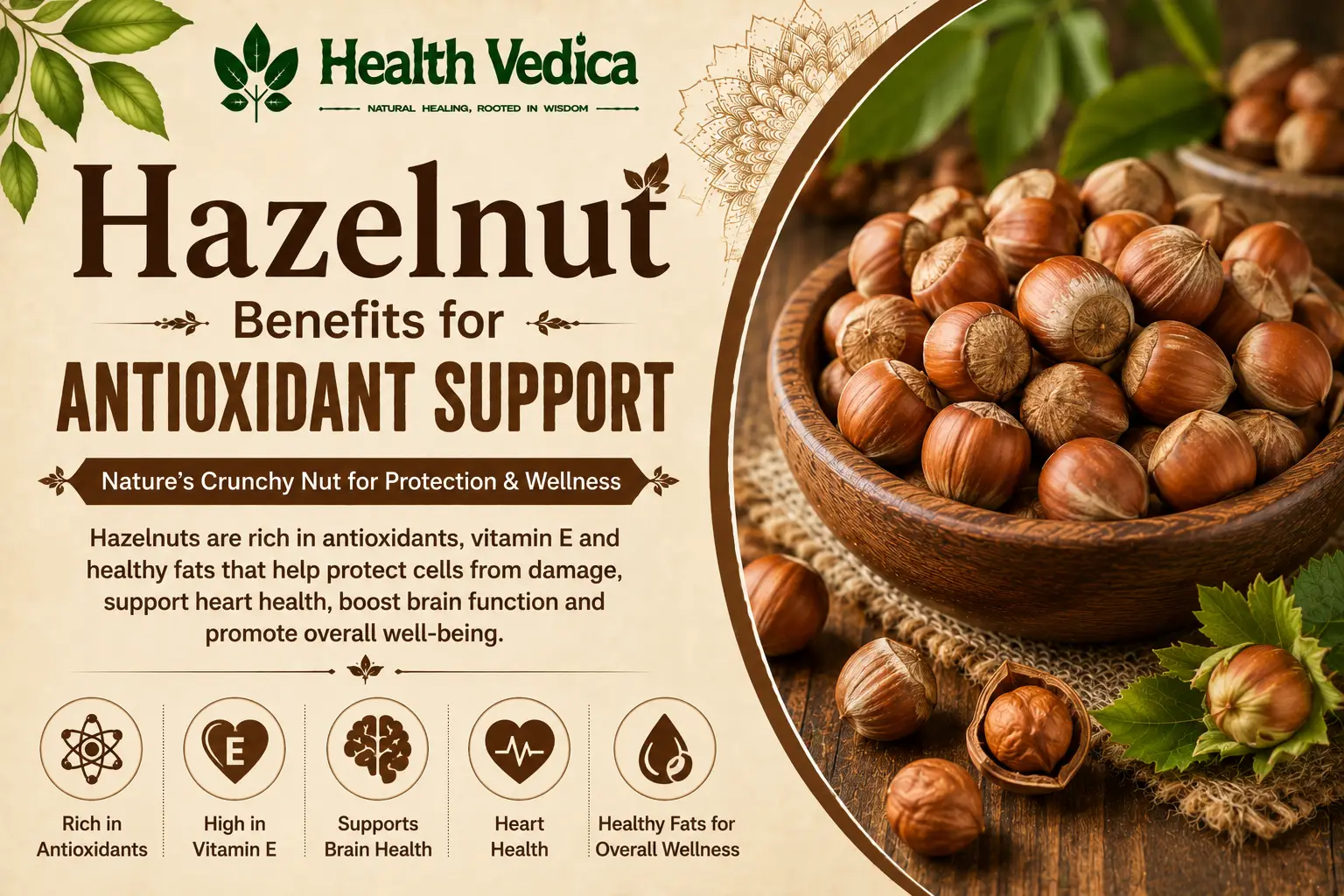
Hazelnuts, known as Pahadi Badam or Filbert in some Indian regions, are rich, buttery nuts prized for their extraordinary Vitamin E content, brain-supporting nutrients, and skin-nourishing properties. While less common than almonds or cashews in everyday Indian cooking, hazelnuts are increasingly recognized in the health-conscious community for their impressive nutritional profile. They are a key ingredient in Nutella and gourmet chocolates worldwide, and their cold-pressed oil is a luxury product in skincare.
📊 Nutritional Value Per 100g of Hazelnuts
| Nutrient | Amount | % Daily Value (DV) |
|---|---|---|
| Calories | 628 kcal | 31% |
| Protein | 15.0 g | 30% |
| Total Fat | 60.8 g | 78% |
| Monounsaturated Fat | 45.7 g | — |
| Carbohydrates | 16.7 g | 6% |
| Dietary Fiber | 9.7 g | 35% |
| Vitamin E | 15.3 mg | 102% |
| Vitamin B6 | 0.56 mg | 33% |
| Folate | 113 mcg | 28% |
| Magnesium | 163 mg | 39% |
| Copper | 1.72 mg | 191% |
| Manganese | 6.2 mg | 270% |
| Thiamine (B1) | 0.64 mg | 53% |
📉 Glycemic Index
Hazelnuts have a very low glycemic index of 15–20, making them suitable for blood sugar management and safe for people with Type 2 diabetes.
🕉️ Ayurvedic Properties & Dosha Effect
Hazelnuts are Vata-pacifying in nature due to their oily, warming, and nourishing properties. In Ayurvedic practice, hazelnut oil is used externally for skin and hair nourishment. Internally, they support neurological function and reproductive health. They may mildly increase Pitta and Kapha when consumed in large quantities.
💚 Health & Healing Benefits
Brain & Cognitive Health: Hazelnuts are exceptionally rich in Vitamin E, folate, and thiamine — all critical for brain cell maintenance, neurotransmitter synthesis, and memory function. Folate is especially important for pregnant women to prevent neural tube defects in fetuses.
Heart Protection: With one of the highest monounsaturated fat concentrations among nuts, hazelnuts actively reduce harmful LDL cholesterol and oxidative stress, protecting against atherosclerosis and heart disease.
Skin & Hair: Vitamin E in hazelnuts is a potent antioxidant that prevents skin aging, promotes collagen synthesis, and repairs damaged skin. Hazelnut oil is used in Ayurvedic and natural beauty treatments for glowing skin and hair conditioning.
Antioxidant Power: Hazelnuts contain proanthocyanidins, quercetin, kaempferol, and caffeic acid — a unique antioxidant blend that fights inflammation, protects DNA, and may reduce cancer risk.
Blood Cell Formation: Copper and folate in hazelnuts support the production of red blood cells and prevent megaloblastic anemia.
Bone Health: Manganese (270% DV per 100g) and magnesium work together to maintain bone density, making hazelnuts particularly beneficial for postmenopausal women at risk of osteoporosis.
🍽️ Recipes & Practical Uses
Hazelnut Butter: Blend roasted hazelnuts into a smooth butter — a nutritious alternative to peanut butter for toast, smoothies, or baking. Hazelnut Milk: Soak and blend hazelnuts with water for a creamy plant-based milk alternative rich in Vitamin E and healthy fats. Hazelnut Energy Balls: Mix ground hazelnuts with dates, cocoa powder, and a pinch of sea salt for a quick, nutrient-dense energy snack.
✅ Best Ways to Eat Hazelnuts
Lightly roasting hazelnuts enhances flavour and makes the skin easier to remove. Raw or dry-roasted (unsalted) hazelnuts are the healthiest options. Add them to granola, salads, smoothies, or baked goods. Hazelnut oil is best used cold or in low-heat cooking to preserve its nutritional integrity.
📅 Daily Recommended Intake
A serving of 20–25 hazelnuts (approximately 28–30g) per day provides 100% of your daily Vitamin E requirement and a wide spectrum of minerals.
⚠️ Precautions
People with tree nut allergies (especially those allergic to birch pollen) may experience cross-reactive allergies to hazelnuts. Those with chronic kidney disease should consult a doctor regarding their mineral intake from hazelnuts.