🌿 Introduction
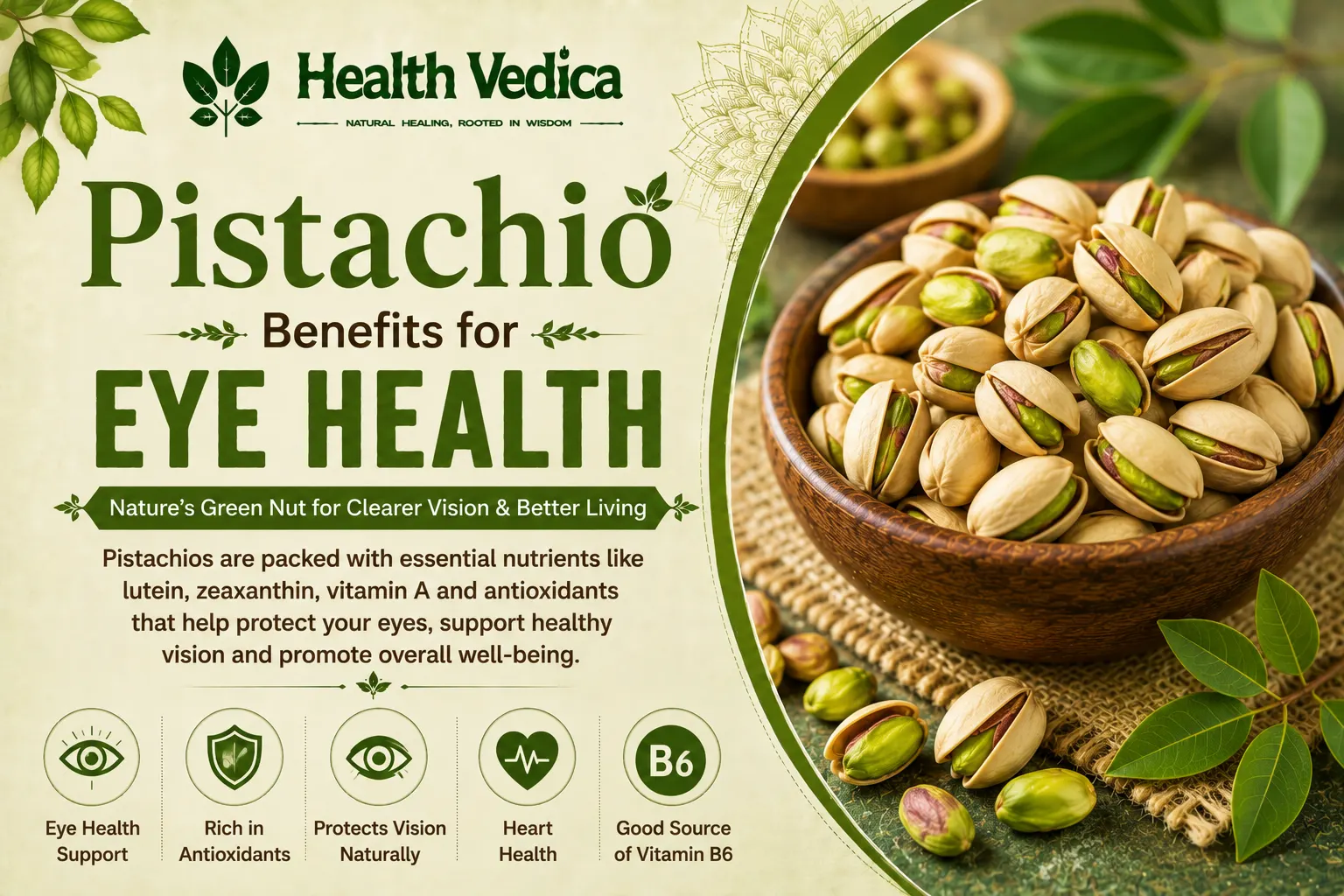
Pistachios, affectionately called Pista in India, are vibrant green nuts known for their distinctive flavour, satisfying crunch, and impressive nutritional profile. Originating from the Middle East and Central Asia, pistachios have long been treasured in Indian sweets, kulfi, biryanis, and festive celebrations. They stand out among nuts for their exceptional protein-to-calorie ratio, rich antioxidant content, and proven benefits for eye and cardiovascular health.
📊 Nutritional Value Per 100g of Pistachios
| Nutrient | Amount | % Daily Value (DV) |
|---|---|---|
| Calories | 562 kcal | 28% |
| Protein | 20.2 g | 40% |
| Total Fat | 45.3 g | 58% |
| Monounsaturated Fat | 23.7 g | — |
| Carbohydrates | 27.5 g | 10% |
| Dietary Fiber | 10.6 g | 38% |
| Vitamin B6 | 1.7 mg | 100% |
| Thiamine (B1) | 0.87 mg | 72% |
| Copper | 1.3 mg | 144% |
| Phosphorus | 490 mg | 70% |
| Potassium | 1025 mg | 22% |
| Manganese | 1.2 mg | 52% |
| Lutein + Zeaxanthin | 2898 mcg | — |
📉 Glycemic Index
Pistachios have one of the lowest glycemic indexes among nuts at 15. Their high fiber and protein content makes them an ideal snack for diabetics and those with metabolic syndrome.
🕉️ Ayurvedic Properties & Dosha Effect
Pistachios are Vata and Pitta balancing in Ayurveda. They are sweet (Madhura) and slightly astringent (Kashaya) in taste with a warm potency (Ushna Veerya). Ayurvedic practitioners recommend pistachios for improving eyesight (Chakshushya), strengthening the liver, and as an aphrodisiac. Excess intake may aggravate Kapha.
💚 Health & Healing Benefits
Eye Health: Pistachios contain the highest amount of lutein and zeaxanthin among all nuts — 2898 mcg per 100g. These carotenoids protect the retina from blue light damage and age-related macular degeneration (AMD), the leading cause of blindness in older adults.
Heart Health: Regular pistachio consumption lowers LDL cholesterol, raises HDL cholesterol, reduces triglycerides, and improves blood vessel function — offering comprehensive cardiovascular protection.
Blood Sugar Management: The unique combination of protein, fiber, and healthy fats in pistachios helps reduce post-meal blood sugar spikes, making them ideal for Type 2 diabetics.
Protein-Rich Snack: With 20.2g of protein per 100g, pistachios are among the highest protein nuts, making them excellent for vegetarians, athletes, and those building muscle.
Gut Health: Their high fiber content acts as a prebiotic, nourishing beneficial bacteria in the colon and improving bowel regularity.
Weight Management: The act of shelling pistachios slows eating pace, and the combination of fiber, protein, and fat promotes lasting satiety — studies show pistachio eaters consume fewer overall calories.
🕉️ Ayurvedic Drinks & Recipes
Pista Milk: Blend 15–20 soaked pistachios with warm milk, rose water, and a pinch of cardamom for a cooling, eye-health-boosting drink. Pistachio Chikki: Traditional pista chikki made with jaggery provides iron, fiber, and energy in one wholesome bite. Pista Kulfi: A festive, protein-rich frozen dessert enjoyed across India.
✅ Best Ways to Eat Pistachios
Consume unsalted, raw, or dry-roasted pistachios. Avoid heavily salted commercial varieties. Add them to trail mix, oatmeal, salads, or yogurt. The green colour inside indicates freshness and high antioxidant content.
📅 Daily Recommended Intake
Around 30 pistachios (approximately 28g) per day is optimal. This is one of the few nuts where slightly larger servings are well-tolerated by most people.
⚠️ Precautions
Those with tree nut allergies should avoid pistachios. People with kidney disease should moderate intake due to potassium content. Salted varieties can increase sodium intake, which is a concern for those with hypertension.