🌿 Introduction
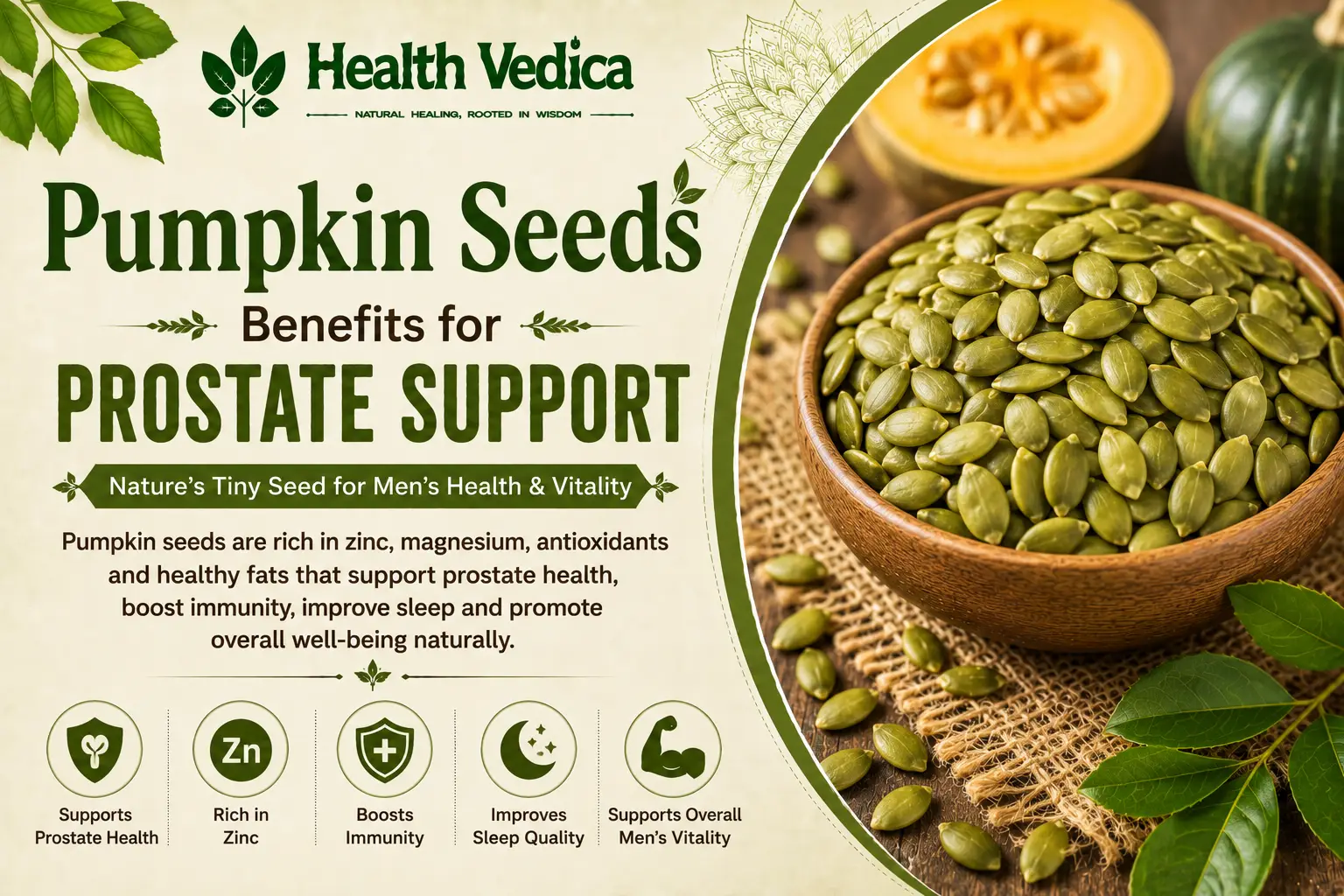
Pumpkin seeds, known as Kaddu ke Beej in India, are flat, green seeds found inside the pumpkin. Despite their small size, they are nutritional giants — particularly outstanding in magnesium, zinc, tryptophan, and plant-based omega-3 fatty acids. Used in traditional Indian, Mexican, and Eastern European healing, pumpkin seeds are especially celebrated for their remarkable benefits on prostate health, sleep quality, and hormonal balance. They are increasingly popular as a health snack and salad topping in Indian urban diets.
📊 Nutritional Value Per 100g of Pumpkin Seeds
| Nutrient | Amount | % Daily Value (DV) |
|---|---|---|
| Calories | 559 kcal | 28% |
| Protein | 30.2 g | 60% |
| Total Fat | 49.1 g | 63% |
| Omega-3 (ALA) | 8.8 g | — |
| Carbohydrates | 10.7 g | 4% |
| Dietary Fiber | 6.0 g | 21% |
| Magnesium | 592 mg | 141% |
| Zinc | 7.8 mg | 71% |
| Iron | 8.8 mg | 49% |
| Phosphorus | 1233 mg | 176% |
| Copper | 1.39 mg | 154% |
| Manganese | 4.54 mg | 197% |
| Vitamin K | 7.3 mcg | 6% |
| Tryptophan | 0.58 g | — |
📉 Glycemic Index
Pumpkin seeds have a very low glycemic index of approximately 10–15. Their high protein, fat, and fiber content creates minimal blood sugar impact, making them excellent for diabetics.
🕉️ Ayurvedic Properties & Dosha Effect
In Ayurveda, pumpkin seeds are classified as cooling (Sheeta Veerya), sweet (Madhura Rasa), and nourishing to all tissues (Dhatu Pushtikar). They are considered excellent for Vata and Pitta doshas. Pumpkin seed oil and seeds are used in Ayurvedic formulations for urinary and reproductive health, particularly as a remedy for Mutravaha Srotas (urinary channel) disorders including benign prostatic hyperplasia (BPH).
💚 Health & Healing Benefits
Prostate Health: Pumpkin seeds are renowned for their benefits on prostate health. Their zinc content (71% DV) and unique phytosterols (beta-sitosterol) help reduce prostate enlargement (BPH), decrease urinary symptoms, and may protect against prostate cancer. Clinical studies support pumpkin seed extract for managing BPH symptoms.
Sleep & Mood Improvement: Pumpkin seeds are one of the richest food sources of tryptophan, an amino acid that converts to serotonin and then melatonin in the body — promoting natural sleep, reducing anxiety, and improving mood. Consuming a handful with a small carbohydrate before bedtime can significantly improve sleep quality.
Magnesium Supercharge: With 141% of daily magnesium needs per 100g, pumpkin seeds are among the best food sources of this critical mineral. Magnesium regulates blood pressure, supports muscle and nerve function, manages blood sugar, and promotes deep, restorative sleep.
Heart Health: The combination of magnesium, omega-3s, zinc, and antioxidants in pumpkin seeds reduces blood pressure, lowers LDL cholesterol, decreases arterial inflammation, and supports overall cardiovascular health.
Immune & Anti-Inflammatory: Zinc is a cornerstone of immune function. Pumpkin seeds' high zinc content strengthens the immune system, reduces inflammation, and supports wound healing.
Female Hormonal Health: Pumpkin seeds contain phytoestrogens (plant estrogens) and zinc that help regulate the menstrual cycle, reduce PMS symptoms, and support hormonal balance in women.
🍽️ Ayurvedic Recipes & Practical Uses
Roasted Pumpkin Seeds Snack: Dry-roast pumpkin seeds with a pinch of rock salt and cumin — a satisfying, zinc-rich snack. Pumpkin Seed Milk: Blend soaked pumpkin seeds with water and a touch of honey for a magnesium-rich plant milk. Seed Mix Chutney: Grind roasted pumpkin seeds with dried coconut, red chili, and tamarind — an iron and zinc-packed chutney. Pumpkin Seed Oil: Cold-pressed pumpkin seed oil can be drizzled on salads or consumed as a supplement for prostate and hormonal health.
✅ Best Ways to Eat Pumpkin Seeds
Raw, soaked, or lightly dry-roasted pumpkin seeds (without oil or excess salt) are best. Sprinkle on salads, yogurt, oatmeal, or blend into smoothies. One of the few seeds that taste good raw without soaking. Soak for 4–6 hours to improve mineral bioavailability.
📅 Daily Recommended Intake
28–30g (2–3 tablespoons) of pumpkin seeds daily is optimal. This provides meaningful amounts of magnesium, zinc, protein, and sleep-supportive tryptophan.
⚠️ Precautions
Pumpkin seeds are high in calories — portion control is important for weight management. Those with hypotension should be cautious of large amounts as magnesium can lower blood pressure. Seed allergies, though rare, are possible.