🌿 Introduction
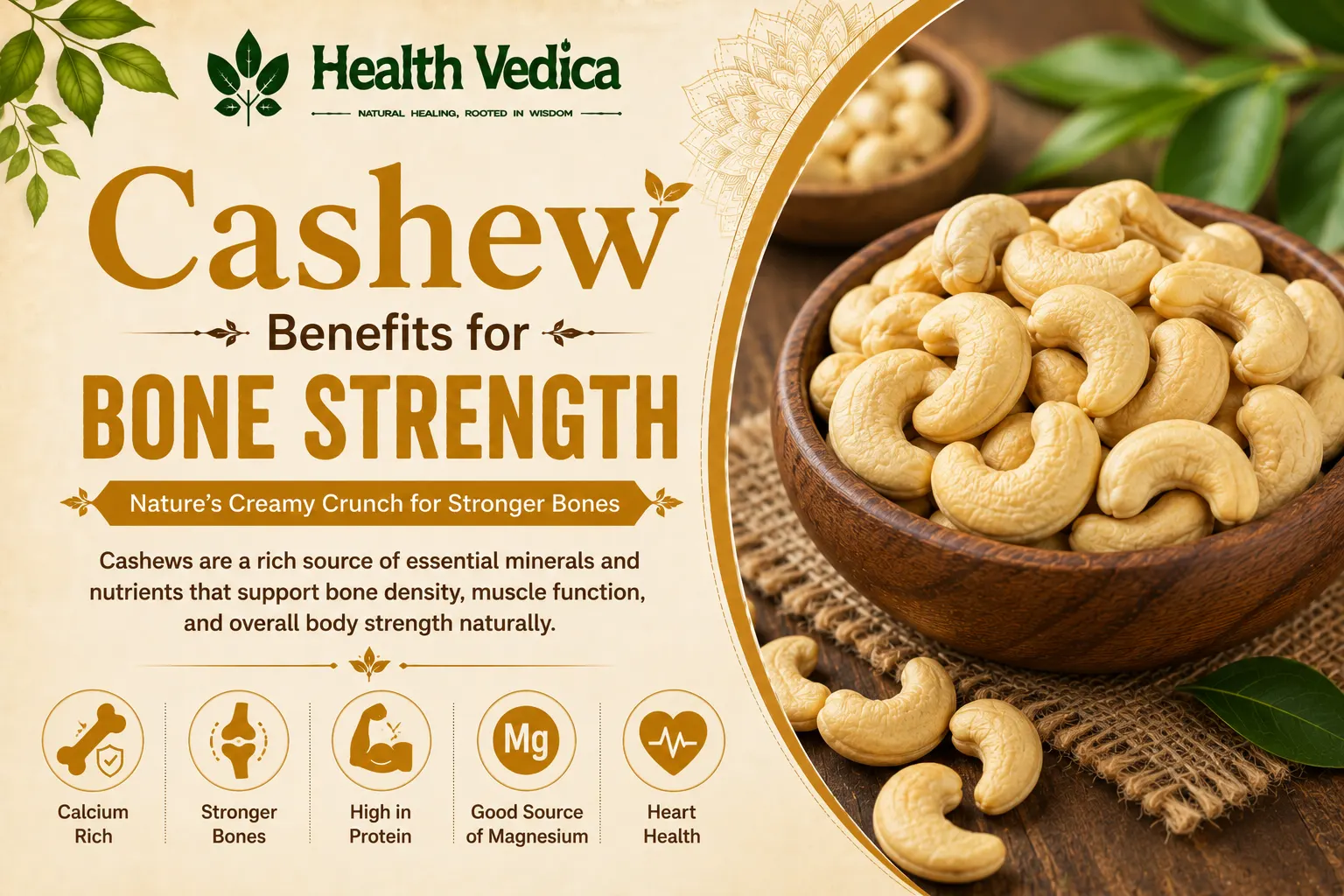
Cashew nuts, popularly known as Kaju in India, are creamy, kidney-shaped nuts native to Brazil but deeply embedded in Indian cuisine and culture. From rich kaju curry and kaju barfi to everyday snacking, cashews are loved across India. Beyond taste, cashews are a nutrient powerhouse loaded with healthy fats, plant-based protein, essential minerals, and antioxidants that support heart, bone, and metabolic health.
📊 Nutritional Value Per 100g of Cashew Nuts
| Nutrient | Amount | % Daily Value (DV) |
|---|---|---|
| Calories | 553 kcal | 28% |
| Protein | 18.2 g | 36% |
| Total Fat | 43.8 g | 56% |
| Monounsaturated Fat | 23.8 g | — |
| Carbohydrates | 30.2 g | 11% |
| Dietary Fiber | 3.3 g | 12% |
| Magnesium | 292 mg | 69% |
| Copper | 2.2 mg | 244% |
| Zinc | 5.8 mg | 53% |
| Iron | 6.7 mg | 37% |
| Phosphorus | 593 mg | 84% |
| Selenium | 19.9 mcg | 36% |
| Vitamin K | 34.1 mcg | 28% |
| Thiamine (B1) | 0.42 mg | 35% |
📉 Glycemic Index
Cashews have a low to moderate glycemic index of 22–25, which makes them relatively safe for most people including those managing blood sugar, though portion control is important.
🕉️ Ayurvedic Properties & Dosha Effect
In Ayurveda, cashews are considered Vata-pacifying due to their warming, oily, and heavy nature. They are sweet (Madhura) and mildly sour (Amla) in taste. Regular consumption in moderate quantities supports muscle strength and reproductive health. Excessive intake can aggravate Pitta and Kapha doshas. In Ayurveda, cashews are also used as a natural aphrodisiac and energy booster.
💚 Health & Healing Benefits
Heart Health: Cashews are rich in oleic acid (the same heart-healthy fat found in olive oil) and magnesium, which together help lower blood pressure, reduce inflammation, and decrease LDL cholesterol levels.
Bone & Joint Health: High levels of magnesium and copper in cashews support bone mineralization and the synthesis of collagen, essential for joint flexibility and bone strength.
Immune System Support: Zinc and selenium in cashews boost immune function, support wound healing, and act as powerful antioxidants that protect cells from free radical damage.
Iron & Anemia Prevention: Cashews are one of the best plant-based sources of iron, helping prevent and manage iron-deficiency anemia, especially important in vegetarian Indian diets.
Eye Health: Cashews contain lutein and zeaxanthin, antioxidants that protect the eyes from UV damage and age-related macular degeneration.
Energy & Metabolism: B vitamins (thiamine, B6) and magnesium in cashews play vital roles in energy production and metabolic processes, reducing fatigue and improving stamina.
🕉️ Ayurvedic Uses & Recipes
Kaju Milk Tonic: Blend 10 soaked cashews with warm milk, a pinch of cardamom and turmeric for a warming, strength-building drink. Cashew Paste for Curries: Cashew paste is a base in many Indian gravies, providing creaminess and a dose of healthy fats. Kaju-Makhana Mix: A light evening snack combining roasted cashews with fox nuts (makhana), raisins, and a pinch of rock salt — excellent for energy and digestion.
✅ Best Ways to Eat Cashews
Raw or lightly roasted cashews are best. Soak them for 2–4 hours to reduce phytic acid. Avoid heavily salted or sugar-coated cashew products. Cashew butter is a healthy alternative to regular butter and pairs well with whole grain bread.
📅 Daily Recommended Intake
A serving of 15–18 cashews (about 28–30g) per day is ideal for most adults. Avoid exceeding this amount as they are calorie-dense.
⚠️ Precautions & Side Effects
People with nut allergies or kidney stones (due to oxalate content) should limit cashew intake. Cashews are high in calories, so those managing weight should be mindful of portion sizes.