🌿 Introduction
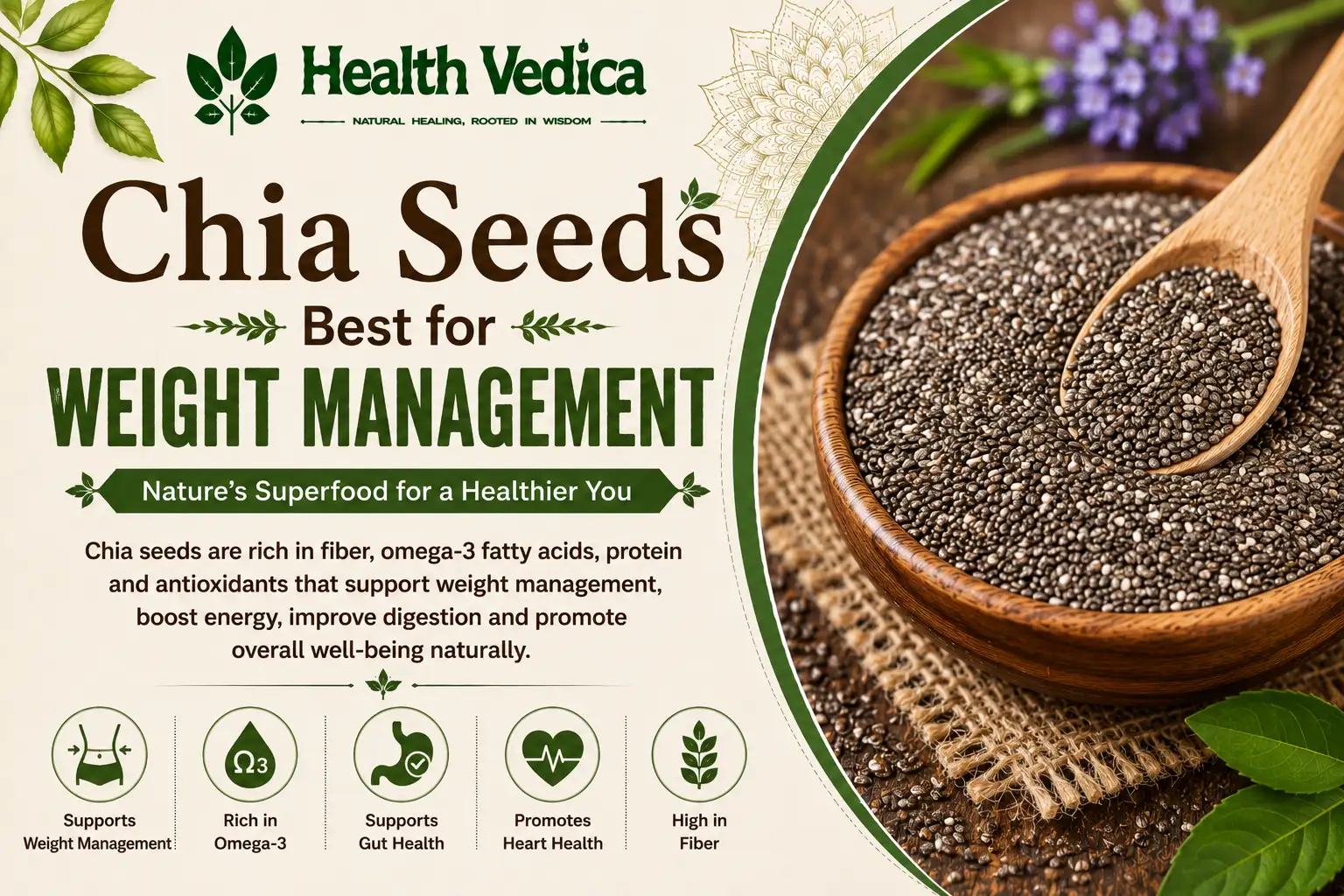
Chia seeds have exploded in popularity across India in recent years — from chia seed puddings and detox drinks to overnight oats and smoothie bowls. These tiny black and white seeds of the plant Salvia hispanica (native to Central America) have earned their superfood status through remarkable nutritional density. Despite their minuscule size, chia seeds absorb up to 10–12 times their weight in water, forming a gel that is uniquely beneficial for digestion, satiety, and blood sugar control. They are also among the richest plant sources of calcium and omega-3 fatty acids.
📊 Nutritional Value Per 100g of Chia Seeds
| Nutrient | Amount | % Daily Value (DV) |
|---|---|---|
| Calories | 486 kcal | 24% |
| Protein | 16.5 g | 33% |
| Total Fat | 30.7 g | 39% |
| Omega-3 (ALA) | 17.8 g | — |
| Omega-6 | 5.8 g | — |
| Carbohydrates | 42.1 g | 15% |
| Dietary Fiber | 34.4 g | 123% |
| Calcium | 631 mg | 49% |
| Phosphorus | 860 mg | 123% |
| Magnesium | 335 mg | 80% |
| Iron | 7.7 mg | 43% |
| Zinc | 4.6 mg | 42% |
| Thiamine (B1) | 0.62 mg | 52% |
| Niacin (B3) | 8.83 mg | 55% |
📉 Glycemic Index
Chia seeds have an extremely low glycemic index of approximately 1–10 — one of the lowest of any food. The gel-forming fiber in chia seeds dramatically slows digestion and glucose absorption, making them exceptional for blood sugar management and ideal for diabetics.
🕉️ Ayurvedic Perspective
Though chia seeds are not mentioned in classical Ayurvedic texts (being a New World plant), they align closely with the concept of Bija (seed) foods that are cooling, nourishing, and balancing. Their gel-forming properties are similar to Sabja seeds (tukmaria/basil seeds) which have a long history in Indian Ayurvedic and Unani medicine. Chia seeds can be considered Sheeta (cooling), Snigdha (unctuous), and suitable for Vata and Pitta types. They are excellent for the urinary and digestive systems.
💚 Health & Healing Benefits
Weight Loss & Satiety: When soaked in water or other liquids, chia seeds expand dramatically and form a thick gel. This gel takes up significant space in the stomach, promotes feelings of fullness, reduces hunger, and decreases overall calorie intake — making chia seeds one of the most effective natural weight management foods.
Exceptional Bone Health: Chia seeds contain more calcium per gram than dairy milk — 631mg per 100g (49% DV). Combined with their phosphorus, magnesium, and protein content, chia seeds provide comprehensive bone-building nutrition.
Outstanding Digestive Health: With 34.4g of fiber per 100g (123% DV), chia seeds have one of the highest fiber concentrations of any food. This fiber feeds beneficial gut bacteria, promotes regular bowel movements, prevents constipation, and supports a healthy microbiome.
Omega-3 for Heart & Brain: Chia seeds are the second richest plant source of omega-3 ALA after flaxseed . Regular consumption reduces inflammation, lowers triglycerides, improves HDL cholesterol, and supports brain function.
Blood Sugar Control: The gel-forming property of chia fiber creates a physical barrier that slows digestion and glucose release — making post-meal blood sugar spikes significantly lower. This is extremely beneficial for Type 2 diabetics and those with insulin resistance.
Hydration & Endurance: Ancient Aztec warriors consumed chia seeds for endurance. The water-absorption property of chia seeds means they help maintain cellular hydration for longer periods — beneficial for athletes and those in hot climates like India.
🍽️ Popular Recipes & Practical Uses
Chia Seed Pudding: Mix 3 tablespoons of chia seeds with 1 cup of almond milk, refrigerate overnight. Top with fresh fruits and honey for a calcium-rich, high-fiber breakfast. Chia Seed Detox Water: Soak 1 tablespoon of chia seeds in a glass of lemon water for 15 minutes and drink in the morning — a powerful hydration and weight management tonic. Chia Seed Raita: Mix soaked chia seeds into yogurt with coriander and rock salt for a probiotic and fiber-rich side dish. Chia Energy Bars: Combine chia seeds with dates , rolled oats , and almond butter for homemade, nutrient-dense energy bars.
✅ Best Ways to Consume Chia Seeds
Always consume chia seeds soaked in water or other liquids for at least 15–20 minutes before eating. Never eat large quantities of dry chia seeds directly, as they can absorb water in the esophagus and cause discomfort. Soaked chia seeds are safe, gentle on the gut, and fully nutritionally available.
📅 Daily Recommended Intake
1–2 tablespoons (15–28g) of soaked chia seeds per day is optimal. Drinking adequate water is essential when consuming chia seeds.
⚠️ Precautions
Never eat large amounts of dry chia seeds. Always soak before consuming. Those taking blood pressure or blood sugar medications should monitor their response as chia seeds can enhance medication effects. Introduce gradually to avoid digestive discomfort from the sudden fiber increase.