🌿 Introduction
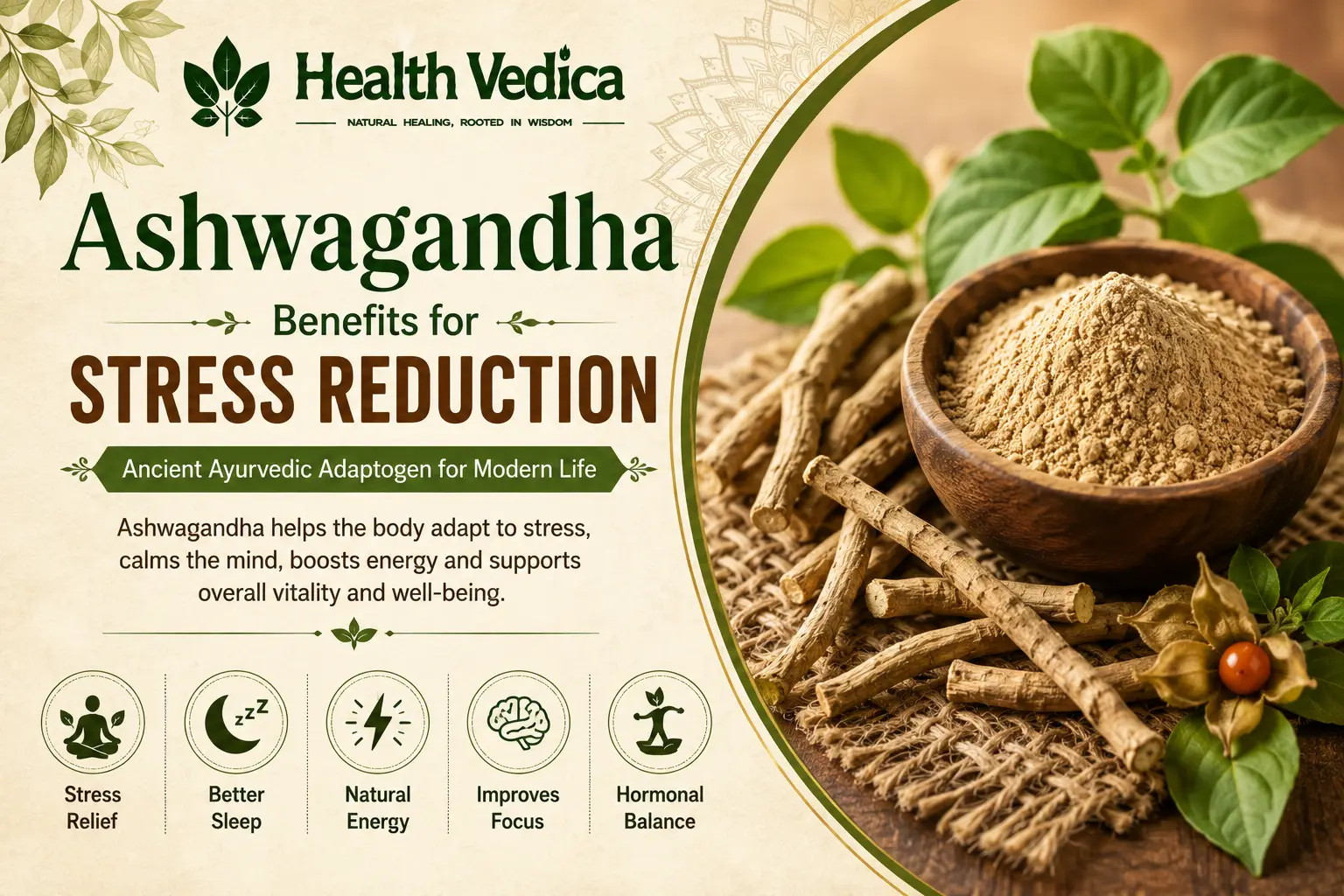
Ashwagandha (Withania somnifera), widely known as Indian Ginseng or Winter Cherry, is one of the most powerful and revered herbs in Ayurvedic medicine. Used for over 3,000 years, it is classified as a Rasayana (rejuvenating tonic) that promotes longevity, vitality, and mental clarity. The Sanskrit name means 'smell of horse,' referring both to its distinct aroma and its ability to impart horse-like strength and stamina. It is an adaptogen — meaning it helps the body adapt to physical and emotional stress naturally.
🔬 Key Active Compounds
| Compound | Primary Benefit |
|---|---|
| Withanolides | Anti-inflammatory, anti-tumor, adaptogenic |
| Alkaloids (Isopellettierine, Anaferine) | Nerve tonic, calming |
| Saponins | Immune modulation |
| Iron | Blood building, energy |
| Withaferin A | Anti-cancer, neuroprotective |
💊 Nutritional Profile (Per 100g Root Powder)
| Nutrient | Amount | Daily Value % |
|---|---|---|
| Calories | 245 kcal | 12% |
| Protein | 3.9 g | 8% |
| Iron | 3.3 mg | 18% |
| Calcium | 23 mg | 2% |
| Fiber | 32 g | 114% |
| Vitamin C | 3.7 mg | 4% |
🌡️ Ayurvedic Properties & Dosha Effect
According to Ayurveda, Ashwagandha has a Madhura (sweet) and Tikta (bitter) taste with a Laghu (light) and Snigdha (oily) quality. It is Ushna Virya (hot potency) and Madhura Vipaka (sweet post-digestive effect). It effectively balances Vata and Kapha doshas and may mildly aggravate Pitta in excess. It nourishes all seven Dhatus (body tissues) and acts directly on the nervous system.
💪 Health & Healing Benefits
Stress & Anxiety Relief: Ashwagandha significantly reduces cortisol levels — the body's primary stress hormone — helping reduce chronic stress, anxiety, and symptoms of burnout. Multiple clinical trials confirm its anxiolytic effects comparable to pharmaceutical options without addiction risk.
Testosterone & Male Fertility: Clinical studies show it increases testosterone levels by up to 17%, improves sperm motility, count, and volume. It is a go-to Ayurvedic herb for male reproductive health.
Physical Stamina & Muscle Strength: It improves VO2 max, endurance, and muscle recovery, making it popular among athletes. It supports anabolic processes and reduces exercise-induced inflammation.
Thyroid Support: Ashwagandha stimulates thyroid hormone production, supporting individuals with hypothyroidism and Hashimoto's thyroiditis.
Brain & Memory: It promotes acetylcholine receptor activity and supports neurogenesis, improving memory, focus, and cognitive decline prevention.
Blood Sugar Regulation: Active withanolides mimic insulin activity and improve insulin sensitivity in type-2 diabetic patients.
Anti-inflammatory & Immunity: It modulates immune response, increases Natural Killer (NK) cell activity, and lowers CRP and other inflammatory markers.
🍵 Traditional Ashwagandha Preparations & Ayurvedic Juices
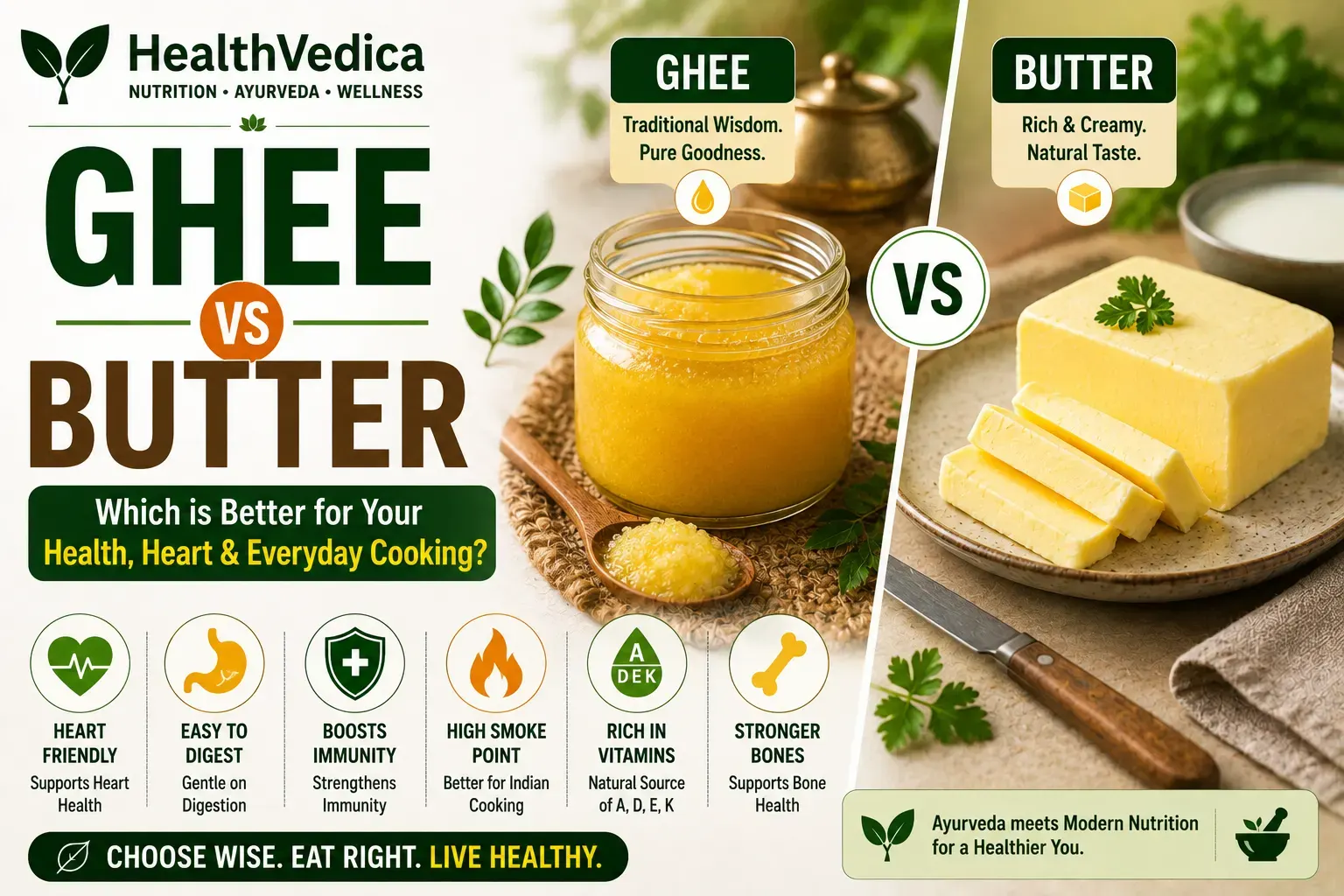
Ashwagandha Milk (Ksheerpak): Boil 1 tsp ashwagandha root powder in 1 cup milk with ghee and jaggery — a classic Rasayana recipe for strength and sleep quality.
Ashwagandha Churna: Root powder taken with warm water or honey for energy and immunity.
Ashwagandharishtam: Traditional fermented tonic combining ashwagandha with other herbs, used for nervous system and reproductive health.
Ashwagandha + Shatavari Juice: A powerful female hormonal tonic available in Ayurvedic stores across India.
✅ Key Advantages
Reduces cortisol and chronic stress. Supports testosterone and fertility in men. Boosts athletic performance and muscle mass. Regulates thyroid function. Neuroprotective and memory-enhancing. Anti-diabetic properties. Strengthens immunity. Improves sleep quality naturally.
⚠️ Important Tips & Precautions
Avoid during pregnancy as it may cause uterine contractions. Not recommended for hyperthyroidism. May interact with immunosuppressants and sedative medications. Start with low doses (300–500 mg/day) and increase gradually. Best taken with warm milk or water before bed. Consult an Ayurvedic practitioner before use with existing conditions.
🏷️ Indian Dietary & Market Uses
Available across India as churna (powder), tablets, liquid extract, and health drinks. Major brands include Dabur, Himalaya, Patanjali, and Organic India. Popular in protein supplements for gym-goers and in women's wellness products. Also used in Indian sweets and health laddoos.