🌟 Introduction
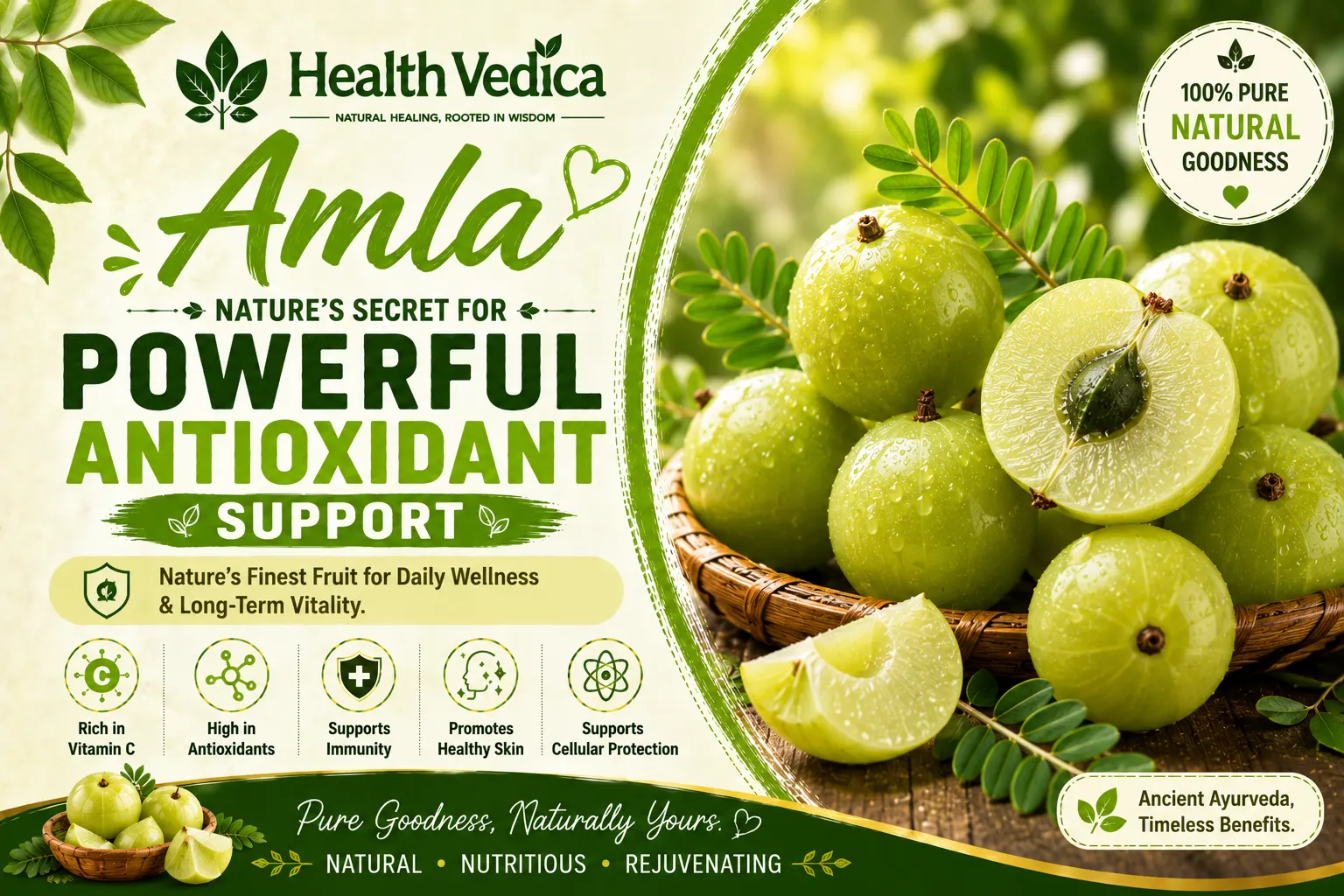
Amla, known as Indian Gooseberry or Amalaki in Sanskrit, is perhaps the single most important fruit in Ayurvedic medicine and one of the most nutritionally extraordinary foods on earth. A single amla fruit contains up to 20 times more Vitamin C than an orange, making it one of the richest plant-based sources of this vitamin available anywhere in the world. In Ayurveda, amla is classified as a Rasayana — a rejuvenating superfood that slows aging, builds immunity, nourishes all tissues, and balances all three doshas. It is one of the three fruits in Triphala, India's most famous herbal formulation.
📊 Nutritional Value Per 100g
| Nutrient | Amount | % Daily Value |
|---|---|---|
| Calories | 44 kcal | 2% |
| Carbohydrates | 10.2 g | 3% |
| Fiber | 4.3 g | 15% |
| Protein | 0.9 g | 2% |
| Fat | 0.6 g | 1% |
| Vitamin C | 600–1000 mg | 667–1111% |
| Calcium | 50 mg | 5% |
| Iron | 1.2 mg | 7% |
| Phosphorus | 27 mg | 3% |
| Chromium | Significant | — |
| Gallic Acid | High | — |
| Ellagic Acid | High | — |
| Tannins (Emblicanin A & B) | Unique to amla | — |
| Quercetin | Significant | — |
📉 Glycemic Index
Amla has a very low glycemic index (below 30) and contains chromium, which directly improves insulin sensitivity and helps regulate blood glucose. Amla is one of Ayurveda's top prescribed remedies for Prameha (diabetes) management. Daily consumption of amla or amla juice is associated with significant improvements in fasting blood sugar and HbA1c in multiple Indian clinical studies.
☯️ Ayurvedic Properties & Dosha Effect
In Ayurveda, amla (Amalaki) holds a supreme position. It is the only fruit that contains all five tastes (Pancha Rasa) except salt — Amla (sour), Madhura (sweet), Tikta (bitter), Katu (pungent), and Kashaya (astringent). This unique combination of tastes makes it truly Tridoshahara — the finest balancer of all three doshas. Amla is classified as the best Rasayana for Pitta disorders, the best fruit for hair health (Keshya), the best fruit for liver (Yakrit), and the best Vitamin C source in Ayurvedic pharmacopeia. It is the primary ingredient in Chyawanprash, Triphala, and Brahma Rasayana — three of Ayurveda's most important health preparations.
💚 Health & Healing Benefits
Amla's Vitamin C content (600–1000 mg per 100g) is exceptionally bioavailable due to the presence of tannins (Emblicanin A and B) that protect Vitamin C from heat degradation — meaning amla retains significantly more Vitamin C after cooking than other fruits, making amla pickles, murabba, and dried amla still valuable Vitamin C sources. Gallic acid and ellagic acid in amla are among the most potent natural antioxidants known, with documented anti-cancer, liver-protective, and anti-inflammatory activities. Amla dramatically reduces LDL cholesterol, total cholesterol, and triglycerides while increasing HDL (good) cholesterol — one of the most clinically studied foods for cardiovascular protection in India. Amla is the finest food for hair health — it nourishes hair follicles, prevents premature graying, reduces hair fall, and strengthens the hair shaft. Multiple clinical trials confirm amla's efficacy for blood sugar reduction comparable to metformin in early-stage diabetes. Amla supports liver regeneration, detoxification, and protection against alcoholic and non-alcoholic liver disease.
🫐 Amla Juice & Preparations
Fresh Amla Juice: 20–30 ml fresh amla juice with honey every morning — one of the most powerful health tonics in Indian natural medicine. Amla-Ginger-Honey Drink: Anti-inflammatory and immunity-boosting morning ritual. Amla Murabba: Amla preserved in sugar — retains Vitamin C due to amla's unique tannins; eaten one piece daily for Rasayana benefits. Amla Candy (Amla Supari): Dried amla with spices — a vitamin C-rich digestive. Amla Hair Oil: Applied on scalp for hair nourishment and gray hair prevention. Chyawanprash: Contains amla as the primary ingredient — one of India's most consumed traditional health supplements.
🏠 Home Remedies with Amla
For Hair Growth & Gray Hair Prevention: Massage warm amla oil on scalp 2–3 times weekly. Eat one fresh amla or 30ml amla juice daily — the Vitamin C and antioxidants nourish hair follicles and prevent premature graying. For Diabetes: Drink 20–30 ml fresh amla juice + 1 tsp turmeric + warm water every morning — clinical evidence supports blood sugar reduction. For Liver Detox: Eat one amla murabba or drink amla juice every morning — gallic acid and Vitamin C support liver enzyme activity and detoxification. For Cholesterol: Regular amla consumption for 3 months has shown significant LDL reduction in clinical studies. For Eye Health: Soak amla in water overnight, strain and use the water to wash eyes — Vitamin C and antioxidants reduce eye fatigue and protect retinal health. For Immunity: One fresh amla or 30 ml amla juice daily provides up to 10 times the daily Vitamin C requirement — one of the most powerful natural immunity builders.
🍽️ Indian Dietary Uses
Amla is consumed fresh (with black salt), as amla juice, amla murabba (preserve), amla pickles, amla candy, amla chutney, amla ladoo, dried amla powder (Amla Churna), and in Chyawanprash. Amla hair oil is one of India's most popular traditional hair care products. Amla powder is used in Ayurvedic formulations including Triphala and numerous Rasayana preparations.