🌟 Introduction
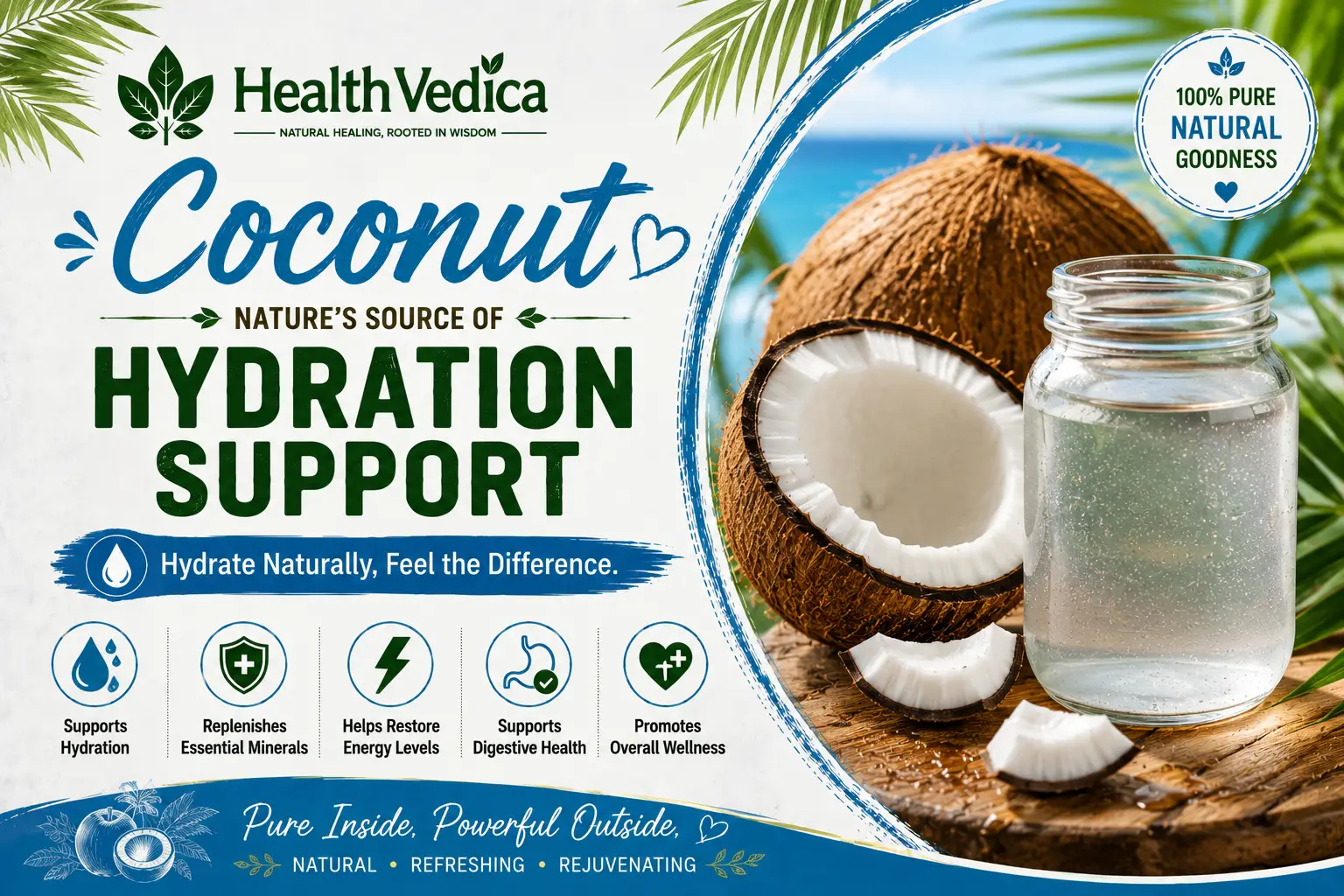
Coconut, known as Nariyal in Hindi and Thengai in Tamil, is one of India's most sacred and widely used fruits. Known as the 'Tree of Life' in tropical cultures, every part of the coconut — water, flesh, oil, and milk — offers distinct and powerful health benefits. Coconut is rich in Medium Chain Triglycerides (MCTs), electrolytes, manganese, and lauric acid, a unique fatty acid with antimicrobial and immune-boosting properties. Coconut is a cornerstone of South Indian, Goan, and Keralan cuisine.
📊 Nutritional Value Per 100g (Fresh Coconut Flesh)
| Nutrient | Amount | % Daily Value |
|---|---|---|
| Calories | 354 kcal | 18% |
| Fat | 33.5 g | 43% |
| Saturated Fat (MCTs) | 29.7 g | — |
| Carbohydrates | 15.2 g | 5% |
| Fiber | 9 g | 32% |
| Protein | 3.3 g | 7% |
| Manganese | 1.5 mg | 65% |
| Copper | 0.44 mg | 49% |
| Selenium | 10.1 mcg | 18% |
| Potassium | 356 mg | 10% |
| Phosphorus | 113 mg | 11% |
| Iron | 2.4 mg | 13% |
| Lauric Acid | ~20 g | — |
🥥 Coconut Water Nutrition (Per 100ml)
| Nutrient | Amount |
|---|---|
| Calories | 19 kcal |
| Potassium | 250 mg |
| Sodium | 105 mg |
| Magnesium | 25 mg |
| Vitamin C | 2.4 mg |
| Natural Sugars | 3.7 g |
📉 Glycemic Index
Fresh coconut flesh has a low glycemic index of around 42. Coconut water has a very low GI of 3–5, making it one of the most diabetes-friendly natural beverages. Coconut's high fiber content significantly slows sugar absorption.
☯️ Ayurvedic Properties & Dosha Effect
In Ayurveda, coconut is considered a supreme Tridosha balancing fruit when consumed appropriately. Coconut water is Sheeta (cooling), Laghu (light), and deeply hydrating — a classic Pitta pacifier. Coconut flesh is Snigdha (unctuous) and nourishing, beneficial for Vata. Coconut oil's MCTs make it warming and Kapha-reducing in moderate use. Ayurveda considers coconut one of the finest Ojas-building foods, nourishing all seven body tissues (Dhatus).
💚 Health & Healing Benefits
Lauric acid in coconut is converted in the body to monolaurin, a compound with powerful antimicrobial, antiviral, and antifungal properties. Coconut's MCTs (Medium Chain Triglycerides) are metabolized differently from other fats — they go directly to the liver and are used for immediate energy or converted to ketones, supporting brain function and fat burning. Coconut water is one of nature's finest natural electrolyte drinks, matching blood plasma composition closely and used for rehydration after illness, exercise, and heatstroke. The fiber in coconut (9g/100g) supports gut health, lowers cholesterol, and feeds beneficial gut bacteria. Manganese (65% DV) is critical for bone formation and antioxidant enzyme function. Regular coconut consumption is associated with improved thyroid function and skin health.
🥥 Coconut Water as a Health Drink
Tender coconut water is one of India's most iconic natural health drinks. It contains identical electrolytes to human blood plasma — potassium, sodium, magnesium, and calcium — making it the ultimate natural rehydration solution. Best consumed fresh directly from the coconut for maximum benefits. Particularly recommended during: summer heat, illness recovery, exercise, hangovers, and urinary tract infections.
🏠 Home Remedies with Coconut
For UTI (Urinary Tract Infection): Drink 2–3 glasses of fresh coconut water daily — its natural diuretic properties flush out bacteria from the urinary tract. For Dehydration & Heatstroke: Coconut water with a pinch of salt and lemon juice is a better rehydration solution than most sports drinks. For Skin Glowing: Apply fresh coconut oil on skin before bath — one of Ayurveda's most effective moisturizing treatments. For Hair Growth: Warm coconut oil scalp massage stimulates blood circulation and nourishes hair follicles. For Mouth Ulcers: Gargle with coconut water or apply coconut oil directly — its lauric acid has antimicrobial and healing properties. For Constipation: Drink one glass of coconut water in the morning to lubricate the intestines and stimulate bowel movement.
🍽️ Indian Dietary Uses
Coconut is used in chutneys, curries, cakes, sweets (Modak, Coconut Barfi), coconut rice, sambar, thoran, and as coconut milk in Kerala curries. Coconut oil is a primary cooking medium in Kerala, Goa, and coastal South India. Desiccated coconut is used in biryanis, mithai, and ladoos.