🌿 Introduction
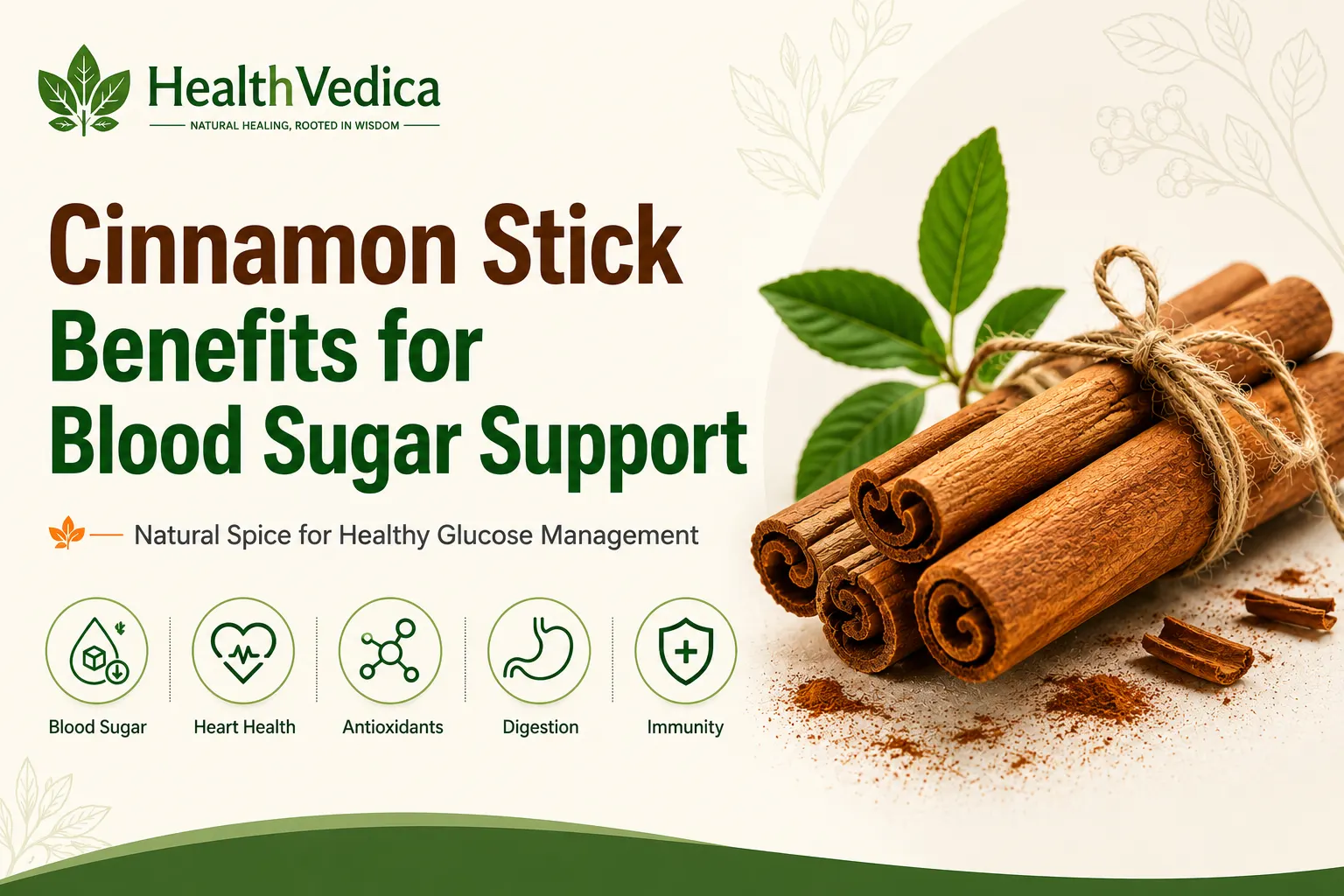
Cinnamon stick, known as Dalchini in India, is one of the world's most ancient and prized spices. Derived from the inner bark of Cinnamomum verum or Cinnamomum cassia trees, it has been used for thousands of years in Ayurveda, Traditional Chinese Medicine, and culinary traditions worldwide. Its warm, sweet aroma and powerful medicinal properties make it an indispensable spice in Indian households. Dalchini is especially celebrated for its role in regulating blood sugar, improving digestion, and boosting immunity.
📊 Nutritional Value Per 100g
| Nutrient | Amount | % Daily Value |
|---|---|---|
| Calories | 247 kcal | 12% |
| Carbohydrates | 80.6 g | 27% |
| Dietary Fiber | 53.1 g | 212% |
| Protein | 4 g | 8% |
| Fat | 1.2 g | 2% |
| Calcium | 1002 mg | 100% |
| Iron | 8.3 mg | 46% |
| Magnesium | 60 mg | 15% |
| Manganese | 17.5 mg | 875% |
| Vitamin K | 31.2 mcg | 39% |
| Vitamin C | 3.8 mg | 6% |
⚗️ Active Compounds & Phytochemicals
Cinnamon's healing power comes from its unique bioactive compounds. Cinnamaldehyde is the primary active compound responsible for its flavor and most of its medicinal properties including antimicrobial and anti-inflammatory effects. Cinnamate and cinnamic acid provide antioxidant protection. Procyanidins and polyphenols contribute to its insulin-sensitizing effects. The essential oils eugenol, linalool, and beta-caryophyllene add to its therapeutic profile.
🩺 Glycemic Index & Blood Sugar Impact
Cinnamon itself has a negligible glycemic index. More importantly, research shows it can lower the glycemic response of meals by up to 29% when consumed together. It mimics insulin activity and improves glucose uptake by cells, making it one of the most clinically studied natural remedies for blood sugar management.
🕉️ Ayurvedic Properties & Dosha Effect
In Ayurveda, Dalchini is classified as Ushna (hot in potency) with a sweet and pungent taste. It powerfully balances Vata and Kapha doshas while slightly increasing Pitta in excess. It is considered a Deepana (digestive stimulant), Pachana (digestive), and Shothahara (anti-inflammatory) herb. Dalchini is used in classical Ayurvedic formulations for treating Prameha (diabetes), Shwasa (respiratory conditions), and Medoroga (obesity).
💚 Health & Healing Benefits
Blood Sugar Regulation: Multiple clinical studies confirm that cinnamon improves insulin sensitivity and reduces fasting blood sugar levels in Type 2 diabetics. Just 1–2 grams daily can produce measurable improvements.
Heart Health: Dalchini reduces LDL (bad) cholesterol and triglycerides while maintaining HDL (good) cholesterol. It also lowers blood pressure by relaxing blood vessels.
Anti-Inflammatory & Antioxidant: Cinnamon's polyphenols neutralize free radicals and reduce inflammation at a cellular level, helping prevent chronic diseases including cancer and heart disease.
Antimicrobial Properties: Cinnamaldehyde has proven activity against bacteria including Salmonella, E. coli, and Listeria, as well as antifungal effects against Candida.
Brain & Neuroprotective Benefits: Research indicates cinnamon may inhibit tau aggregation and protect against Alzheimer's and Parkinson's disease. It also improves memory and cognitive performance.
Digestive Health: Cinnamon stimulates digestive enzymes, relieves bloating, flatulence, and nausea, and combats H. pylori bacteria associated with stomach ulcers.
Weight Management: By improving insulin sensitivity and slowing digestion, cinnamon helps control appetite and reduce belly fat accumulation.
Menstrual Health: Dalchini reduces menstrual pain and heavy bleeding and may help manage PCOS by improving insulin resistance.
🏠 Ayurvedic & Home Remedies Using Cinnamon
| Remedy | Preparation | Benefit |
|---|---|---|
| Cinnamon Honey Water | Boil 1 cinnamon stick in 2 cups water, cool slightly, add 1 tsp honey, drink on empty stomach | Blood sugar control, weight loss |
| Dalchini Tea | Simmer 1 stick in water for 10 min, add ginger and tulsi, strain and drink | Immunity boost, cold & flu relief |
| Cinnamon Milk (Haldi Dalchini Doodh) | Add 1 cinnamon stick + pinch of turmeric to warm milk, sweeten with jaggery | Bone health, anti-inflammatory, better sleep |
| Cinnamon Kadha | Boil cinnamon, black pepper, cloves, ginger in water; strain and drink warm | Respiratory health, immunity, fever management |
| Cinnamon Face Pack | Mix cinnamon powder with honey and apply for 10 minutes | Acne reduction, skin brightening |
🍛 Indian Culinary Uses
Dalchini is a cornerstone spice in Indian cuisine. It forms part of the classic Garam Masala blend and is used whole in biryanis, pulao, and curries to infuse a warm, sweet depth. It is added to chai (Indian tea), kheer (rice pudding), halwa, and shrikhand for dessert fragrance. Ground cinnamon is used in spice rubs for tandoori preparations and marinades.
💡 Tips for Buying, Storing & Using
Ceylon vs. Cassia: Ceylon cinnamon (true cinnamon) is lighter, sweeter, and safer for daily use as it contains very low coumarin. Cassia cinnamon is darker, spicier, but high in coumarin which can be harmful in large doses. For medicinal use, always prefer Ceylon cinnamon.
Storage: Store cinnamon sticks in an airtight glass jar away from heat and light. Whole sticks last up to 3–4 years; ground cinnamon retains potency for 6–12 months.
Dosage: A safe therapeutic dose is 1–2 grams (approximately half a teaspoon) of cinnamon powder per day. Excessive intake can cause liver stress due to coumarin content in cassia variety.
Best Time to Consume: Morning on an empty stomach (in warm water or tea) is ideal for blood sugar and weight benefits.
⚠️ Precautions & Side Effects
People on diabetes medications or blood thinners should consult a doctor before taking cinnamon supplements as it may enhance drug effects. Pregnant women should avoid therapeutic doses. Cassia cinnamon in high amounts may cause liver toxicity due to coumarin content. Topical application may cause skin irritation in sensitive individuals.