🌿 Introduction
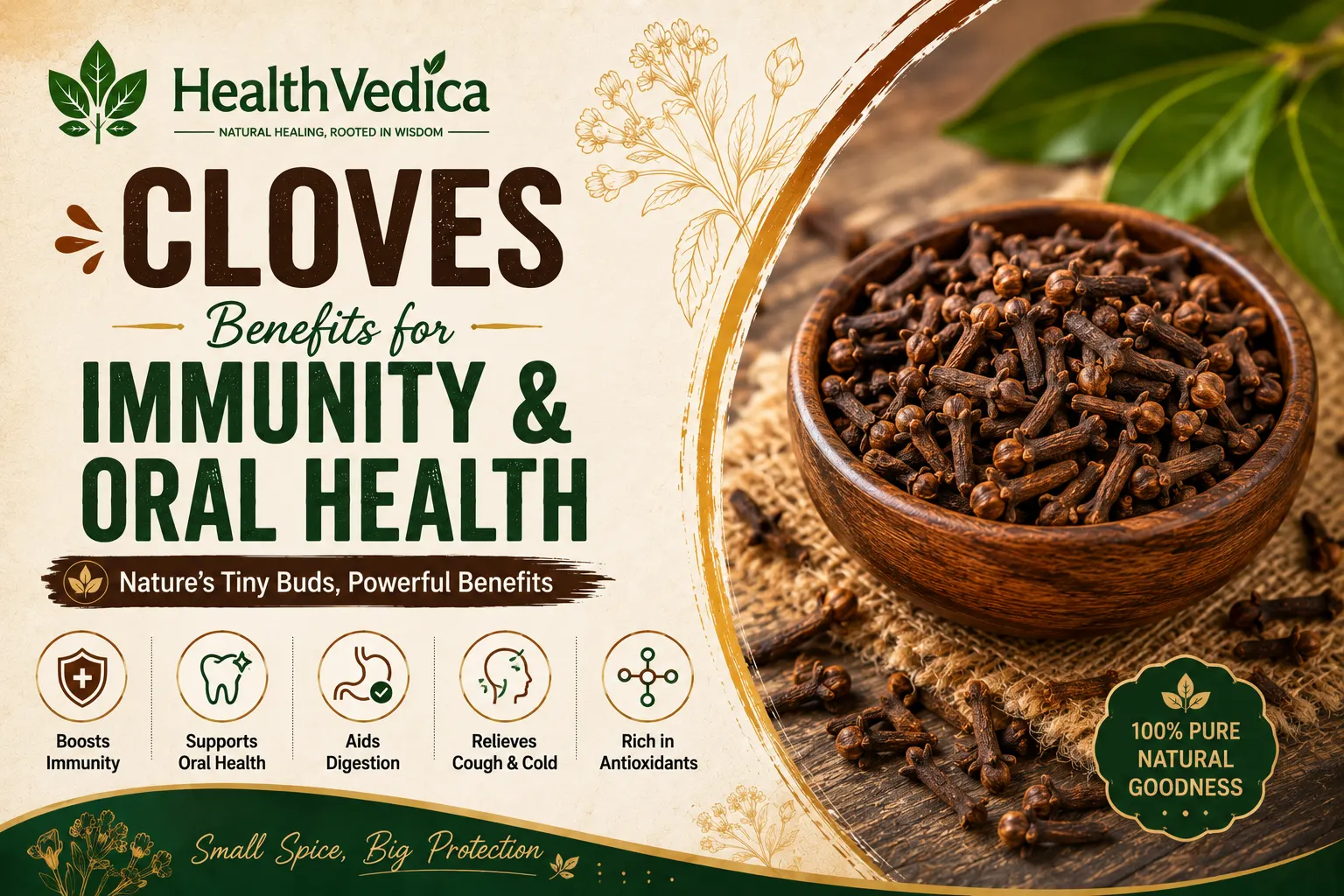
Cloves, known as Laung (Hindi) or Lavang (Sanskrit/Marathi) in India, are the aromatic flower buds of the evergreen tree Syzygium aromaticum, native to the Maluku Islands (Spice Islands) of Indonesia. Among the most medicinally potent spices in the world, cloves have a history spanning over 2,000 years in Ayurvedic medicine and were so valuable historically that they drove European exploration and colonization of Asia. Their unique flavor — intensely warm, sweet, and slightly bitter — is instantly recognizable, and their medicinal compound eugenol is so effective it forms the basis of dental anaesthetics and antiseptics used in clinical dentistry today. India is one of the world's largest consumers and importers of cloves, using them extensively in cooking, medicine, and religious ceremonies.
📊 Nutritional Value Per 100g
| Nutrient | Amount | % Daily Value |
|---|---|---|
| Calories | 274 kcal | 14% |
| Carbohydrates | 65.5 g | 22% |
| Dietary Fiber | 33.9 g | 136% |
| Protein | 5.97 g | 12% |
| Fat | 13 g | 20% |
| Calcium | 632 mg | 63% |
| Iron | 11.8 mg | 66% |
| Magnesium | 259 mg | 65% |
| Phosphorus | 104 mg | 10% |
| Potassium | 1020 mg | 29% |
| Zinc | 2.3 mg | 15% |
| Manganese | 60.1 mg | 3005% |
| Vitamin C | 11.7 mg | 20% |
| Vitamin K | 141.8 mcg | 177% |
| Vitamin E | 8.8 mg | 44% |
| Vitamin A | 160 IU | 3% |
| Niacin (B3) | 1.56 mg | 8% |
⚡ The Power of Eugenol
Eugenol is clove's primary bioactive compound (comprising 72–90% of clove essential oil) and one of nature's most remarkable medicinal molecules. In clinical dentistry, eugenol is used in zinc oxide-eugenol cement for dental restorations, root canal medications, and temporary filling materials because of its local anaesthetic, antiseptic, and anti-inflammatory properties. Research has demonstrated eugenol's activity as an anti-inflammatory agent (inhibiting COX enzymes like ibuprofen), an antioxidant (stronger than Vitamin E), an antimicrobial against over 60 pathogens, an analgesic, and an anti-cancer compound. Additional bioactives include acetyl eugenol, beta-caryophyllene (anti-inflammatory terpene also found in cannabis), vanillin, crategolic acid, and oleanolic acid.
🕉️ Ayurvedic Properties & Dosha Effect
In Ayurveda, Lavanga is classified as intensely Ushna (hot), pungent, and slightly sweet with sharp, penetrating, and light qualities. It primarily balances Vata and Kapha doshas and increases Pitta significantly — so those with excess Pitta should use it moderately. Clove is described as Deepana (strongest digestive stimulant), Shoolahara (pain reliever), Hridya (heart tonic), Shwasahara (respiratory reliever), and Dahanashamaka (burning sensation reliever in small amounts). Classical preparations include Lavangadi Vati (for cough), Lavangadi Churna (digestive), and Khadiradi Vati (for oral health).
💚 Health & Healing Benefits
Dental Health & Pain Relief (Clove's Signature Benefit): Clove is the ultimate natural dental remedy. Eugenol's local anaesthetic properties numb toothache effectively within minutes. Its antimicrobial properties kill the bacteria (Streptococcus mutans) that cause cavities and gum disease. Clove oil is used in professional dental practice and is equally effective when applied at home. Chewing a clove or applying clove oil to a painful tooth is one of India's most universal home remedies.
Antioxidant Champion: Cloves have one of the highest antioxidant capacities of any food measured by ORAC (Oxygen Radical Absorbance Capacity) — higher than blueberries, pomegranates, and most other antioxidant-rich foods. Their antioxidants are primarily eugenol and phenolic compounds that neutralize free radicals and prevent DNA oxidative damage.
Anti-Inflammatory: Eugenol inhibits cyclooxygenase (COX) enzymes — the same enzymes targeted by ibuprofen and aspirin — reducing pain and inflammation. Unlike pharmaceutical COX inhibitors, eugenol causes minimal gastrointestinal side effects at normal doses.
Blood Sugar Control: Cloves improve insulin sensitivity and mimic insulin's action at the cellular level. Research shows clove extract significantly reduces fasting blood glucose and improves glucose tolerance in diabetic animal models.
Liver Protection: Eugenol has shown hepatoprotective (liver-protecting) effects in studies, preventing liver damage from toxins and oxidative stress. However, in very large supplemental doses, eugenol can paradoxically become hepatotoxic — reinforcing the importance of culinary rather than extreme supplemental doses.
Antimicrobial: Clove oil is one of the most potent natural antimicrobials, inhibiting bacteria, viruses, fungi, and parasites. It is effective against drug-resistant strains including MRSA and is studied as a natural food preservative and infection treatment.
Anti-Cancer Potential: Eugenol and oleanolic acid in cloves have shown apoptosis-inducing effects in multiple cancer cell lines (lung, colon, cervical, skin) in laboratory research. Cloves' extraordinary antioxidant capacity also provides general cancer-preventive protection.
Bone Health: Cloves' manganese content (3005% DV per 100g) is exceptional — manganese is a critical cofactor in bone matrix formation and antioxidant enzymes. Regular moderate clove consumption supports bone density maintenance.
Digestive Benefits: Clove is the most potent digestive stimulant among spices. It strongly kindles digestive fire (Agni), reduces nausea, relieves gastric irritability, and combats H. pylori — the bacteria causing stomach ulcers.
🏠 Ayurvedic & Home Remedies Using Cloves
| Remedy | Preparation | Benefit |
|---|---|---|
| Clove Toothache Remedy | Apply 1–2 drops clove oil directly on affected tooth and gum with cotton; OR bite gently on 1–2 whole cloves near the painful tooth | Immediate toothache pain relief, antiseptic |
| Lavang Kadha (Immunity Booster) | Boil 4 cloves + ginger + cinnamon + black pepper + tulsi in water, add honey, drink warm | Cold, flu, fever, immunity, sore throat |
| Clove Honey for Cough | Roast 2 cloves, grind and mix with 1 tsp honey, consume slowly | Cough, throat infection, mucus clearance |
| Clove Digestive Water | Soak 2–3 cloves in 1 glass warm water overnight, drink in morning | Indigestion, acidity, morning digestive stimulation |
| Clove Mouthwash | Steep 5 cloves in 1 cup boiling water for 10 min, cool and use as mouthwash | Oral bacteria, bad breath, gum health |
| Clove Oil for Headache | Mix 2 drops clove oil in 1 tsp coconut oil, apply on temples and forehead | Tension headache, migraine relief |
| Clove Blood Sugar Drink | Soak 3–4 cloves in water overnight, drink next morning on empty stomach | Blood sugar management, metabolism boost |
🍛 Indian Culinary Uses
Cloves are used judiciously in Indian cooking — their intense flavor requires a light hand. They are a cornerstone ingredient of garam masala and virtually all spice blends. Whole cloves are added to the oil at the start of biryani, pulao, and rich meat curries to infuse their warm flavor into the dish. They feature in spiced rice, dal makhani, Mughlai kormas, and paya (trotters) curry. Cloves are essential in masala chai (Indian spiced tea) and in festive sweets. Ground cloves are used in spice rubs for roasted meats and in Chettinad and Hyderabadi cuisines. In religious and cultural contexts, cloves are offered in prayers and used in paan preparations.
💡 Tips for Best Use
Measure carefully: Even 2–3 whole cloves can dominate a dish — use sparingly and taste as you go. Remove whole cloves before serving as biting into one is intensely unpleasant. Freshness test: High-quality whole cloves float vertically in water; inferior cloves float horizontally or sink. Fresh cloves have a strong, immediate aroma when scratched. Clove oil safety: Always dilute clove essential oil before skin or oral application (at least 1:10 dilution with carrier oil) as undiluted oil can cause burns. Storage: Whole cloves in airtight containers last 2–3 years. Ground cloves lose potency within 6 months. Medicinal dose: 2–3 whole cloves per day is an appropriate medicinal dose for most adults.
⚠️ Precautions & Side Effects
Cloves and clove oil are generally safe in culinary amounts. In large supplemental amounts, eugenol can become hepatotoxic (toxic to liver) — stick to 2–3 cloves daily as maximum. Clove oil must never be applied undiluted to skin or mucous membranes — it causes burns. It should not be given internally to children without medical supervision. People on anticoagulant medications (warfarin, aspirin) should use cloves cautiously as eugenol has mild blood-thinning effects. Those with bleeding disorders should avoid large amounts. Eugenol may interact with anaesthetic agents during surgery.