🌿 Introduction
Green cardamom, affectionately called Elaichi in India, is rightly known as the Queen of Spices — a fitting partner to black pepper's royal title. Native to the Western Ghats of India and Sri Lanka, cardamom (Elettaria cardamomum) is the world's third most expensive spice after saffron and vanilla. India is both the origin and one of the largest producers of this uniquely aromatic spice. Its complex flavor — simultaneously sweet, spicy, citrusy, and minty — makes it irreplaceable in Indian cooking, and its extraordinary medicinal profile makes it one of Ayurveda's most prized herbs. From sweetening breath to protecting the heart, elaichi's benefits span the full spectrum of human health.
📊 Nutritional Value Per 100g
| Nutrient | Amount | % Daily Value |
|---|---|---|
| Calories | 311 kcal | 16% |
| Carbohydrates | 68.5 g | 23% |
| Dietary Fiber | 28 g | 112% |
| Protein | 10.8 g | 22% |
| Fat | 6.7 g | 10% |
| Calcium | 383 mg | 38% |
| Iron | 13.9 mg | 77% |
| Magnesium | 229 mg | 57% |
| Phosphorus | 178 mg | 18% |
| Potassium | 1119 mg | 32% |
| Zinc | 7.5 mg | 50% |
| Manganese | 28 mg | 1400% |
| Vitamin C | 21 mg | 35% |
| Riboflavin (B2) | 0.18 mg | 11% |
| Niacin (B3) | 1.1 mg | 6% |
⚗️ Key Bioactive Compounds
Cardamom's remarkable health effects stem from its rich essential oil composition. 1,8-Cineole (Eucalyptol) is the primary compound (40–50% of oil), providing antimicrobial, anti-inflammatory, and bronchodilatory effects. Alpha-Terpinyl acetate is responsible for much of cardamom's sweet floral aroma. Limonene has antioxidant and anti-cancer properties. Sabinene, linalool, and linalyl acetate contribute to cardamom's antimicrobial and calming effects. Terpinen-4-ol has potent antimicrobial activity. Isoquercitrin and other flavonoids provide antioxidant protection. The combination of these compounds makes cardamom uniquely effective as an antimicrobial, antioxidant, anti-inflammatory, and breath-freshening agent.
🕉️ Ayurvedic Properties & Dosha Effect
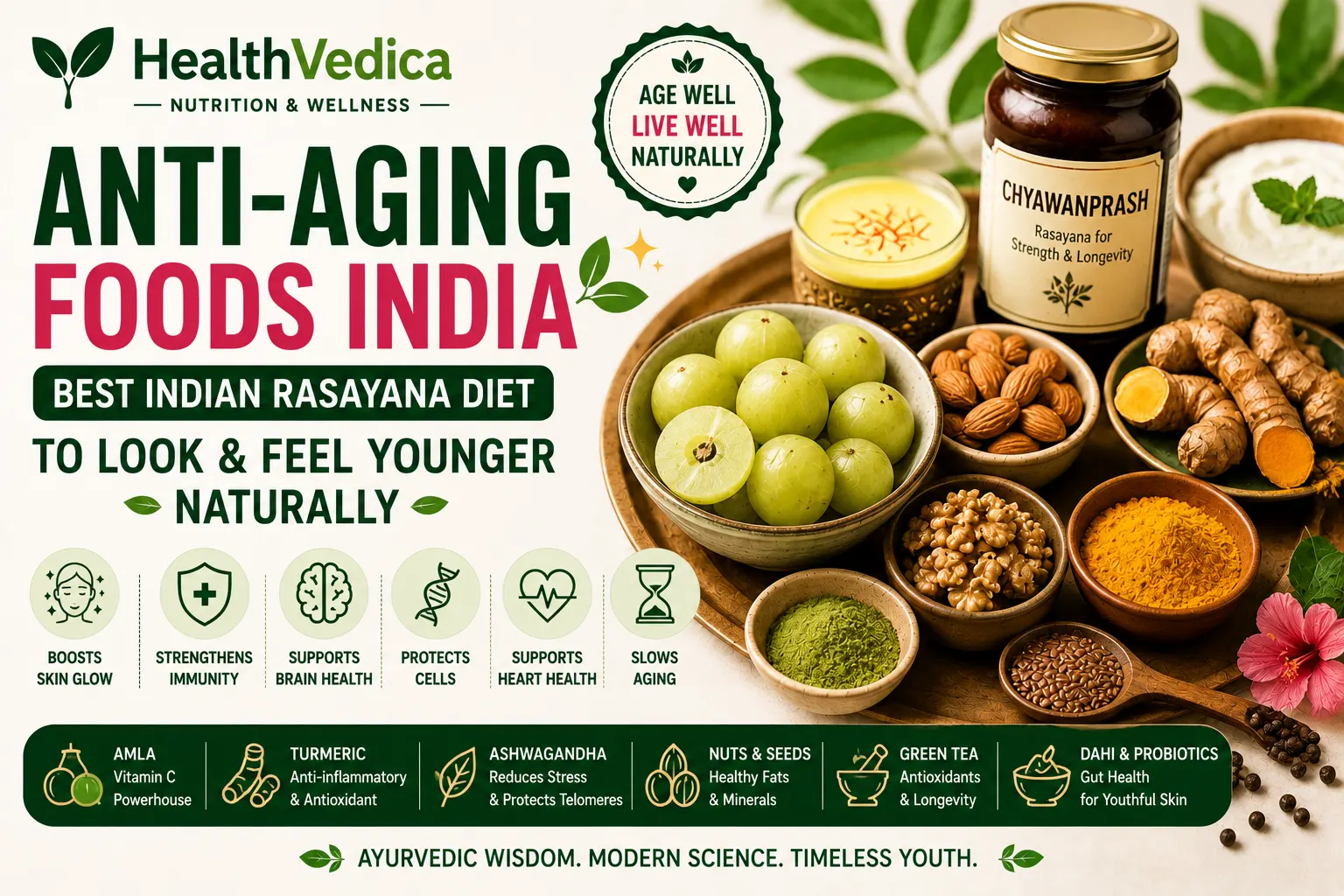
In Ayurveda, Elaichi (Ela) holds a preeminent place as one of the finest Tridoshic spices. It is Madhura (sweet) and pungent in taste, with Sheeta Veerya (cooling potency despite its pungency), and light and dry qualities. It balances all three doshas — Vata, Pitta, and Kapha — particularly excellent for Kapha and Vata. Cardamom is classified as Hridya (heart tonic), Mukhashuddhikara (mouth purifier), Shwasahara (breathing reliever), and Mehahara (anti-diabetic). Classical preparations include Eladi Churna, Eladi Vati, and Ela is a key ingredient in the famous tonic Chyavanprash.
💚 Health & Healing Benefits
Natural Breath Freshener: Cardamom is one of the most powerful natural breath fresheners known. Its antibacterial compounds kill odor-causing bacteria in the mouth, while eucalyptol freshens breath at the source. Chewing a cardamom pod is one of India's oldest post-meal traditions and is more effective than most commercial breath fresheners.
Blood Pressure Reduction: Clinical trials show that regular cardamom consumption significantly reduces both systolic and diastolic blood pressure. This is attributed to its natural diuretic properties and antioxidants that relax blood vessel walls. A 12-week study showed cardamom powder (1.5g daily) significantly lowered blood pressure in newly diagnosed hypertensive patients.
Anti-Diabetic Effects: Cardamom reduces blood glucose levels, improves insulin sensitivity, and protects pancreatic cells from oxidative damage. Its high manganese content (1400% DV per 100g) is relevant as manganese is a cofactor in insulin production.
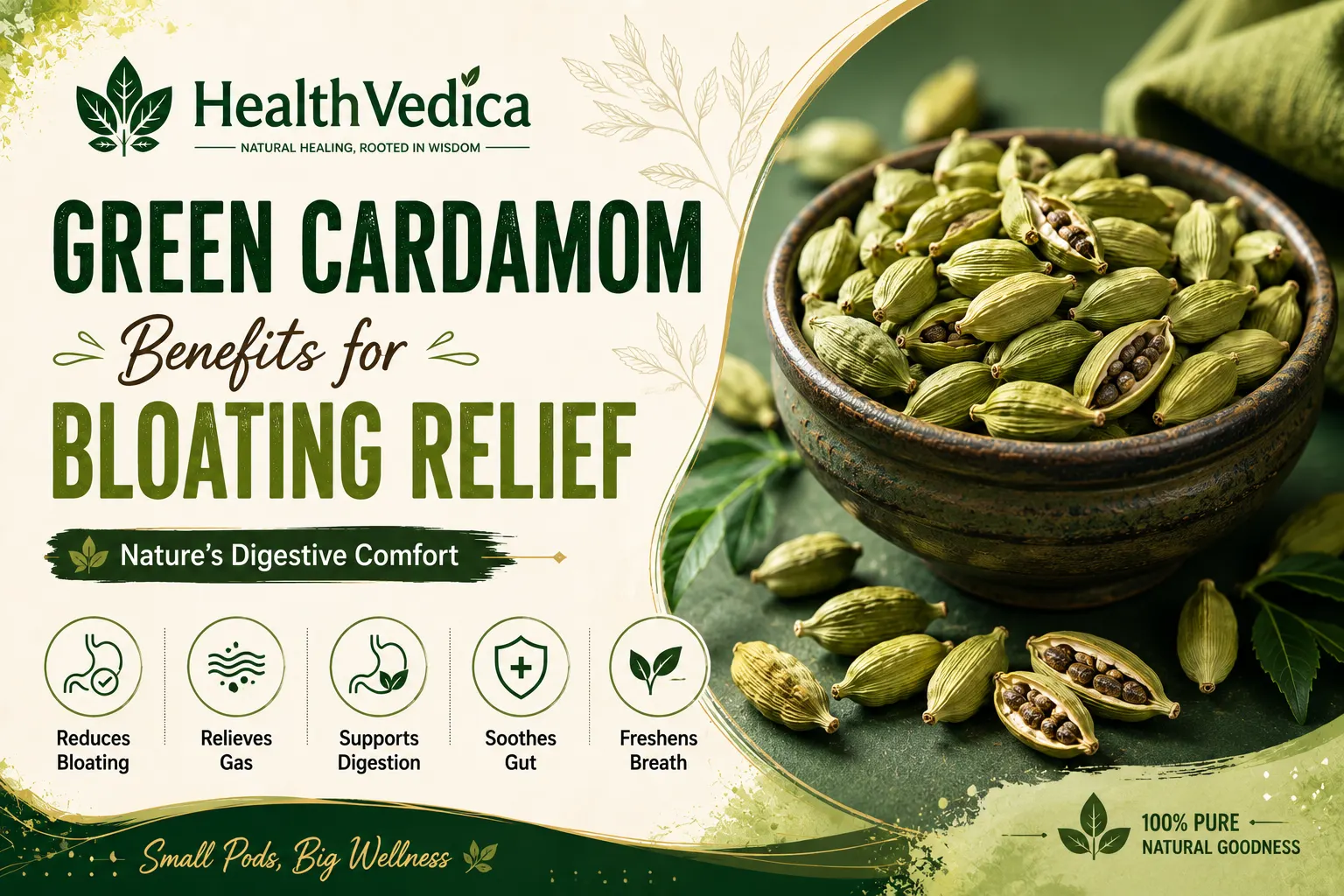
Digestive & Anti-Nausea: Cardamom is among the best carminative herbs. It relieves nausea, vomiting, acidity, heartburn, stomach cramps, and bloating. Its cooling nature makes it especially effective for acidity-related issues. It is a classic remedy for morning sickness and travel sickness in Ayurveda.
Anti-Cancer Potential: Cardamom shows promising anti-cancer activity in laboratory studies, inducing apoptosis in cancer cells and inhibiting tumor growth in colon and breast cancer models. Its antioxidants also protect DNA from oxidative damage that can lead to cancer.
Anti-Inflammatory: Cardamom's phytochemicals inhibit prostaglandin synthesis and inflammatory cytokine production, making it a natural anti-inflammatory agent comparable to some OTC medications in studied models.
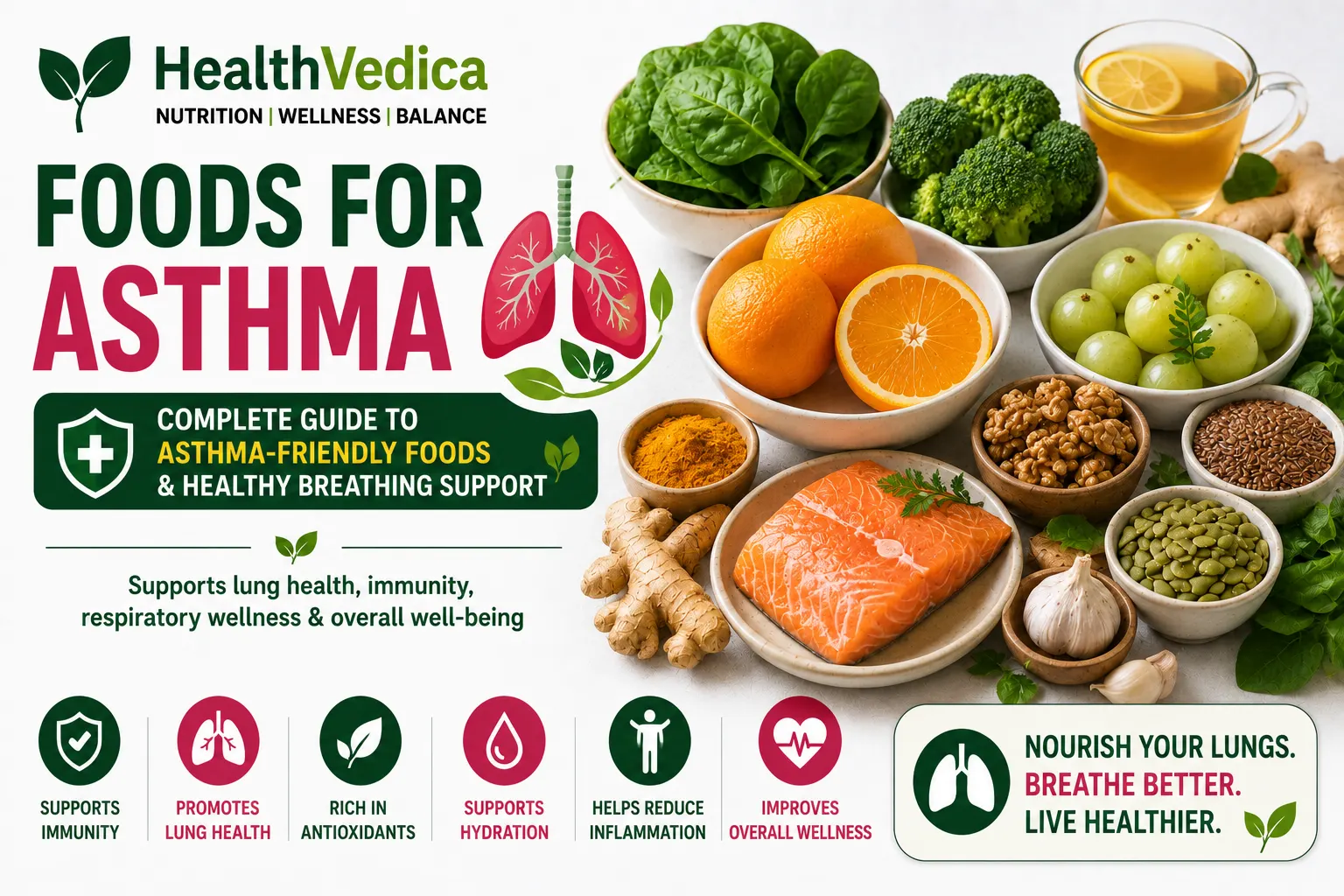
Respiratory Health: Eucalyptol in cardamom is a bronchodilator and expectorant, relieving asthma, cough, and respiratory congestion. Cardamom tea with honey is a traditional Ayurvedic remedy for respiratory conditions.
Antimicrobial: Cardamom essential oil inhibits bacteria including Salmonella, E. coli, Staphylococcus aureus, and the fungus Candida albicans — more effectively than some commercial antimicrobials in research settings.
Diuretic & Kidney Health: Cardamom's diuretic properties support kidney function, help prevent kidney stone formation, and cleanse the urinary tract. It is a traditional Ayurvedic remedy for urinary discomfort.
Liver Protection: Studies show cardamom extract prevents hepatic (liver) enlargement and oxidative stress markers, suggesting hepatoprotective effects that support liver health.
🏠 Ayurvedic & Home Remedies Using Green Cardamom
| Remedy | Preparation | Benefit |
|---|---|---|
| Elaichi Chai (Cardamom Tea) | Crush 2–3 cardamom pods, boil with tea leaves, milk, ginger, and sugar/jaggery | Digestion, breath, immunity, mood boost |
| Elaichi Milk | Crush 2 cardamom pods, boil in 1 glass milk with saffron and honey | Better sleep, digestion, blood pressure, skin glow |
| Cardamom Honey for Nausea | Crush 2 cardamom pods, mix seeds with 1 tsp honey, consume slowly | Nausea, vomiting, morning sickness, acidity |
| Eladi Churna | Classical Ayurvedic formulation with cardamom as base — available in pharmacies | Cough, cold, digestive weakness, Kapha disorders |
| Cardamom Mouth Freshener | Chew 1 whole cardamom pod after meals | Breath freshening, antibacterial, digestive stimulation |
| Cardamom Cough Remedy | Boil 4 cardamom pods + 1 tsp ginger + 8 tulsi leaves + 5 black peppers in water, add honey | Cough, cold, throat infection, respiratory congestion |
🍛 Indian Culinary Uses
Green cardamom is the aromatic heart of Indian sweets and spice blends. It is an essential ingredient in garam masala and biryani masala. Ground cardamom is added to kheer, halwa, ladoo, barfi, and shrikhand. Whole pods are simmered in biryanis, kormas, and pulaos. Elaichi is the defining flavor of Indian masala chai (tea). It features prominently in Mughlai cuisine and festive sweets like gulab jamun and rasgulla. Cardamom-flavored mithai like elaichi peda and elaichi burfi are beloved across India. It is also used in paan (betel leaf) preparations and mouth freshener mixes (mukhwas) across India.
💡 Tips for Buying, Storing & Using
Quality indicators: Fresh green cardamom pods should be plump, vibrant green (not pale or yellowed), and intensely aromatic when lightly squeezed. The seeds inside should be dark brown-black and aromatic. Bleached or pale cardamom has lost essential oils. Storage: Store whole pods in an airtight glass jar away from light and moisture — they retain full potency for 1–2 years. Ground cardamom loses aroma rapidly — grind only what you need immediately. Seeds vs. whole pod: For maximum medicinal benefit and flavor, grind only the seeds (discard the pod husk) immediately before use. Daily dose: 1–1.5 grams (about 3–4 pods worth of seeds) per day is considered a safe and effective medicinal dose.
⚠️ Precautions & Side Effects
Cardamom is one of the safest spices with virtually no toxicity in culinary and moderate medicinal doses. Rarely, some individuals may experience allergic contact reactions to cardamom essential oil. Very large medicinal doses may interact with anticoagulant medications due to slight blood-thinning effects. People with gallstones should avoid large doses as cardamom can trigger gallbladder contractions. Pregnant women can safely consume culinary amounts; avoid medicinal-level supplements without medical guidance.