🌿 Introduction
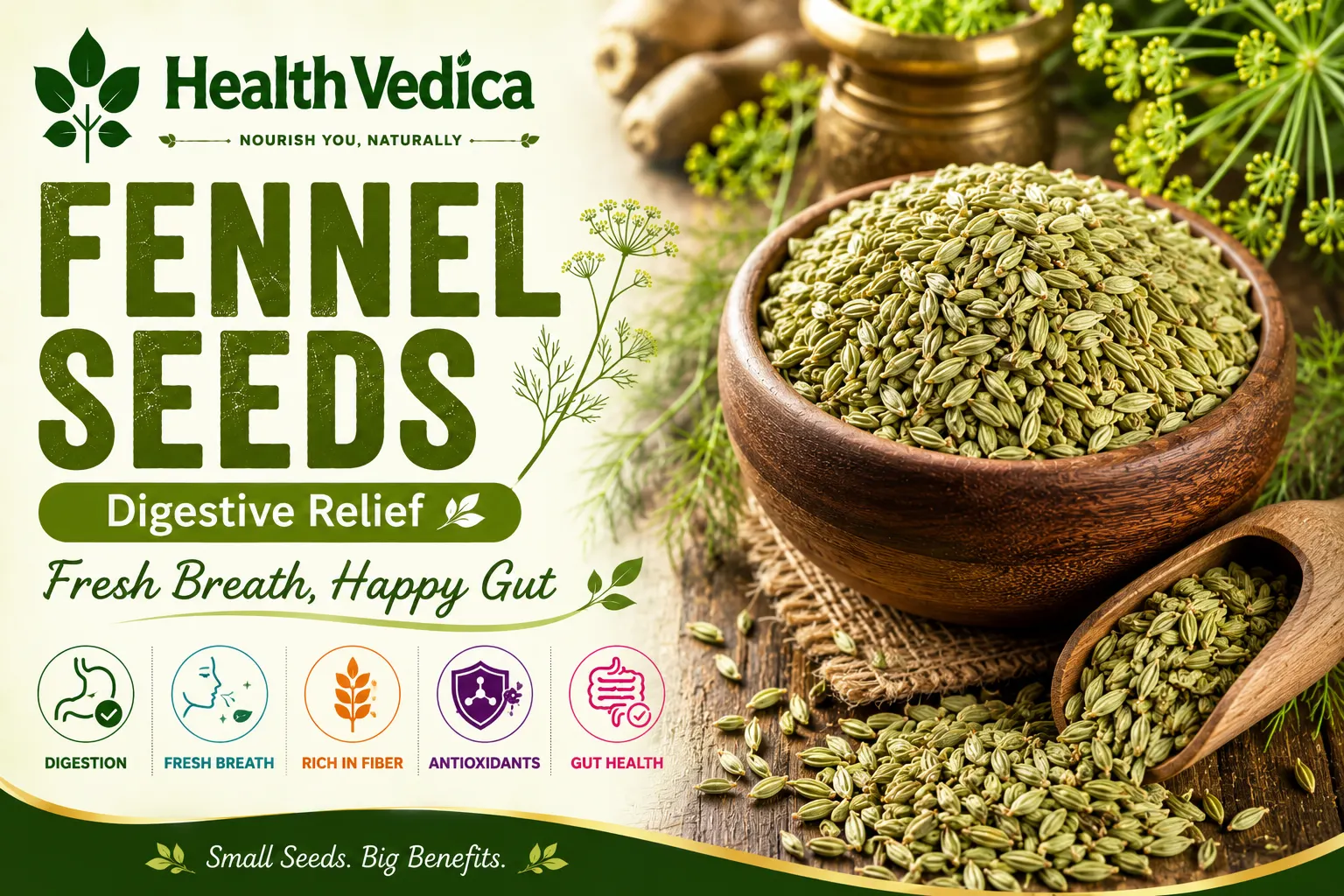
Fennel Seeds, popularly known as Saunf in India, are the dried aromatic seeds of the fennel plant (Foeniculum vulgare). For centuries, fennel has been an essential part of Indian cuisine, Ayurveda, Mediterranean cooking and traditional herbal medicine. The seeds are naturally sweet with a refreshing licorice-like flavour and are commonly chewed after meals as a natural digestive and mouth freshener. Rich in dietary fibre, essential oils, antioxidants, potassium, calcium, iron and vitamin C, fennel seeds are valued for supporting healthy digestion, reducing bloating, improving breath freshness, promoting lactation and protecting overall health.
📊 Nutritional Value Per 100g of Fennel Seeds
| Nutrient | Amount | % Daily Value (DV) |
|---|---|---|
| Calories | 345 kcal | 17% |
| Protein | 15.8 g | 32% |
| Total Fat | 14.9 g | 19% |
| Carbohydrates | 52.3 g | 19% |
| Dietary Fiber | 39.8 g | 142% |
| Calcium | 1196 mg | 120% |
| Iron | 18.5 mg | 103% |
| Magnesium | 385 mg | 92% |
| Potassium | 1694 mg | 36% |
| Phosphorus | 487 mg | 70% |
| Manganese | 6.5 mg | 283% |
| Vitamin C | 21 mg | 23% |
📉 Glycemic Index
Fennel seeds have a very low glycemic index of approximately 15. Because they are consumed in small amounts and are rich in fibre, they have minimal effect on blood sugar levels and may help improve digestion after meals.
🧬 Bioactive Compounds
Fennel seeds contain numerous beneficial plant compounds including anethole, fenchone, estragole, limonene, quercetin, chlorogenic acid and various flavonoids. These compounds contribute to fennel's digestive, antioxidant, antimicrobial and anti-inflammatory properties.
💊 Vitamins & Minerals Explained
Fennel seeds are naturally rich in calcium for strong bones, potassium for healthy blood pressure, magnesium for nerve and muscle function, iron for red blood cell production and manganese for enzyme activity and antioxidant defence. Their essential oils provide many of the digestive and aromatic benefits associated with fennel.
🕉️ Ayurvedic Properties & Dosha Effect
According to Ayurveda, Saunf has a sweet (Madhura) and mildly pungent (Katu) taste with a cooling potency (Sheeta Veerya). It helps balance Pitta and Vata Doshas while gently supporting digestion without increasing body heat. Ayurvedic practitioners traditionally recommend fennel for improving digestion (Deepana), reducing bloating (Vatahara), freshening breath, supporting lactation (Stanyajanana) and soothing acidity.
💚 Evidence-Based Health Benefits
Improves Digestion: Fennel seeds stimulate digestive enzymes, reduce bloating, relieve gas and support smoother digestion after meals. This is why they are traditionally served in Indian restaurants after dining.
Relieves Acidity: The cooling nature of fennel helps soothe acid reflux, mild heartburn and stomach irritation while supporting overall digestive comfort.
Natural Mouth Freshener: Aromatic essential oils such as anethole naturally freshen breath and may help reduce oral bacteria responsible for bad breath.
Supports Breastfeeding: Traditionally, fennel has been used as a galactagogue. Some studies suggest it may help increase breast milk production, although more high-quality human research is needed.
Heart Health: Potassium, fibre and antioxidants help support healthy blood pressure, cholesterol metabolism and cardiovascular wellness.
Rich in Antioxidants: Polyphenols and flavonoids help protect body cells from oxidative stress and chronic inflammation.
Respiratory Wellness: Ayurveda traditionally recommends fennel tea for soothing cough, throat irritation and mild congestion.
👨👩👧 Who Should Eat Fennel Seeds?
Fennel seeds are suitable for most healthy adults and are especially beneficial for individuals experiencing indigestion, bloating, bad breath, acidity, constipation, post-meal discomfort or those seeking a natural digestive aid. They are also popular among breastfeeding mothers after medical consultation.
🚫 Who Should Limit or Avoid Fennel Seeds?
People with allergies to fennel, celery or carrot family plants should avoid fennel seeds. Individuals with hormone-sensitive conditions should consult their healthcare provider before taking concentrated fennel supplements because fennel contains naturally occurring phytoestrogen-like compounds. Culinary use is generally considered safe.
🌿 Ayurvedic Remedies & Healthy Recipes
Saunf Water: Soak one teaspoon of fennel seeds overnight in a glass of water and drink it in the morning to support digestion and hydration.
Digestive Tea: Boil fennel seeds with cumin and coriander to prepare the famous Ayurvedic CCF tea that helps reduce bloating and improve digestion.
Mouth Freshener: Lightly roast fennel seeds and chew a small spoonful after meals for fresh breath and digestive comfort.
Cooling Summer Drink: Blend soaked fennel seeds with mint, lemon and water for a refreshing beverage during hot weather.
🥗 Best Ways to Eat Fennel Seeds
Chew them raw after meals, lightly roast them, brew them into herbal tea or add them to curries, pickles, breads, soups, spice blends and desserts. Freshly crushed fennel seeds release more aromatic oils than pre-ground powder.
🍽️ Best Food Combinations
Fennel pairs beautifully with cumin, coriander, ginger, cardamom, cinnamon, mint, lemon, buttermilk, yogurt and herbal teas to enhance both flavour and digestive benefits.
🔥 Raw vs Roasted vs Tea
Raw fennel provides maximum essential oils and natural sweetness. Light roasting enhances aroma without significantly affecting nutrition. Brewing fennel tea extracts many of its beneficial aromatic compounds while creating a soothing digestive beverage.
🧊 Storage Tips
Store fennel seeds in an airtight glass container away from heat, moisture and sunlight. Whole seeds retain their flavour and medicinal oils much longer than ground fennel powder.
📅 Daily Recommended Intake
1–2 teaspoons (3–6 grams) daily is generally sufficient for digestive support and overall wellness when used as part of a balanced diet.
⚠️ Precautions & Drug Interactions
Fennel is generally very safe when consumed as a culinary spice. However, concentrated fennel extracts may interact with certain hormone-related medications or increase sensitivity in individuals allergic to Apiaceae family plants. Pregnant women should avoid medicinal doses unless advised by a qualified healthcare professional.
🔬 Scientific Highlights
Modern research supports fennel's traditional use for digestive comfort, antimicrobial activity and antioxidant protection. Studies suggest that anethole and other essential oils may help reduce intestinal spasms, improve digestion and support oral health. Research into fennel's effects on breastfeeding and hormonal balance remains promising but requires further clinical evidence.
🌍 Fun Facts
- Ancient Greeks called fennel 'Marathon', after the famous Battle of Marathon.
- Indian restaurants traditionally serve roasted fennel seeds after meals to aid digestion and freshen breath.
- Every part of the fennel plant—including the bulb, leaves and seeds—is edible.
- Fennel has been cultivated for over 3,000 years for both culinary and medicinal purposes.