🌿 Introduction
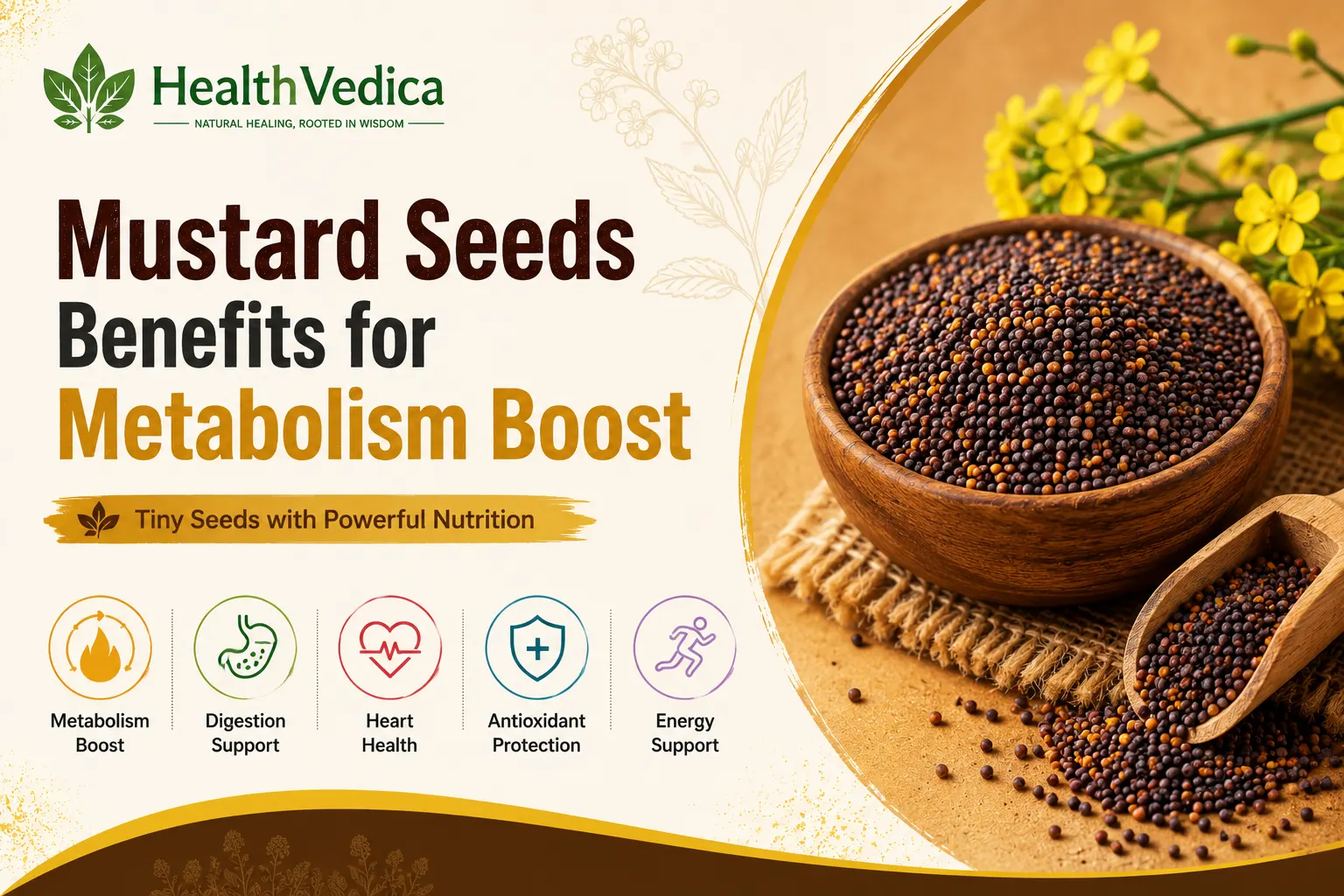
Mustard seeds, known as Rai or Sarson in India, are tiny powerhouses of nutrition and medicinal compounds. These small seeds from the Brassica family — including black mustard (Brassica nigra), brown mustard (Brassica juncea), and yellow mustard (Sinapis alba) — have been integral to Indian cooking and Ayurvedic healing for over 5,000 years. Black and brown mustard seeds (rai) are preferred in South and West Indian cooking, while yellow mustard is more common in North India (sarson). Beyond their pungent flavor, mustard seeds contain a remarkable array of phytochemicals that protect against cancer, support heart health, and aid in pain relief.
📋 Types of Mustard Seeds in India
| Type | Hindi Name | Color | Flavor | Common Use |
|---|---|---|---|---|
| Black Mustard | Kali Rai | Dark brown-black | Most pungent | South Indian tadka, pickling |
| Brown Mustard | Rai/Sarson | Brown | Moderately pungent | North Indian dishes, mustard oil |
| Yellow Mustard | Peeli Sarson | Yellow | Mildest | Condiments, kasundi, Western dishes |
📊 Nutritional Value Per 100g
| Nutrient | Amount | % Daily Value |
|---|---|---|
| Calories | 508 kcal | 25% |
| Protein | 26.1 g | 52% |
| Fat | 36.2 g | 56% |
| Omega-3 (ALA) | 5.9 g | 369% |
| Omega-6 | 13.5 g | - |
| Carbohydrates | 28.1 g | 9% |
| Dietary Fiber | 12.2 g | 49% |
| Calcium | 521 mg | 52% |
| Iron | 9.2 mg | 51% |
| Magnesium | 370 mg | 93% |
| Phosphorus | 828 mg | 83% |
| Potassium | 738 mg | 21% |
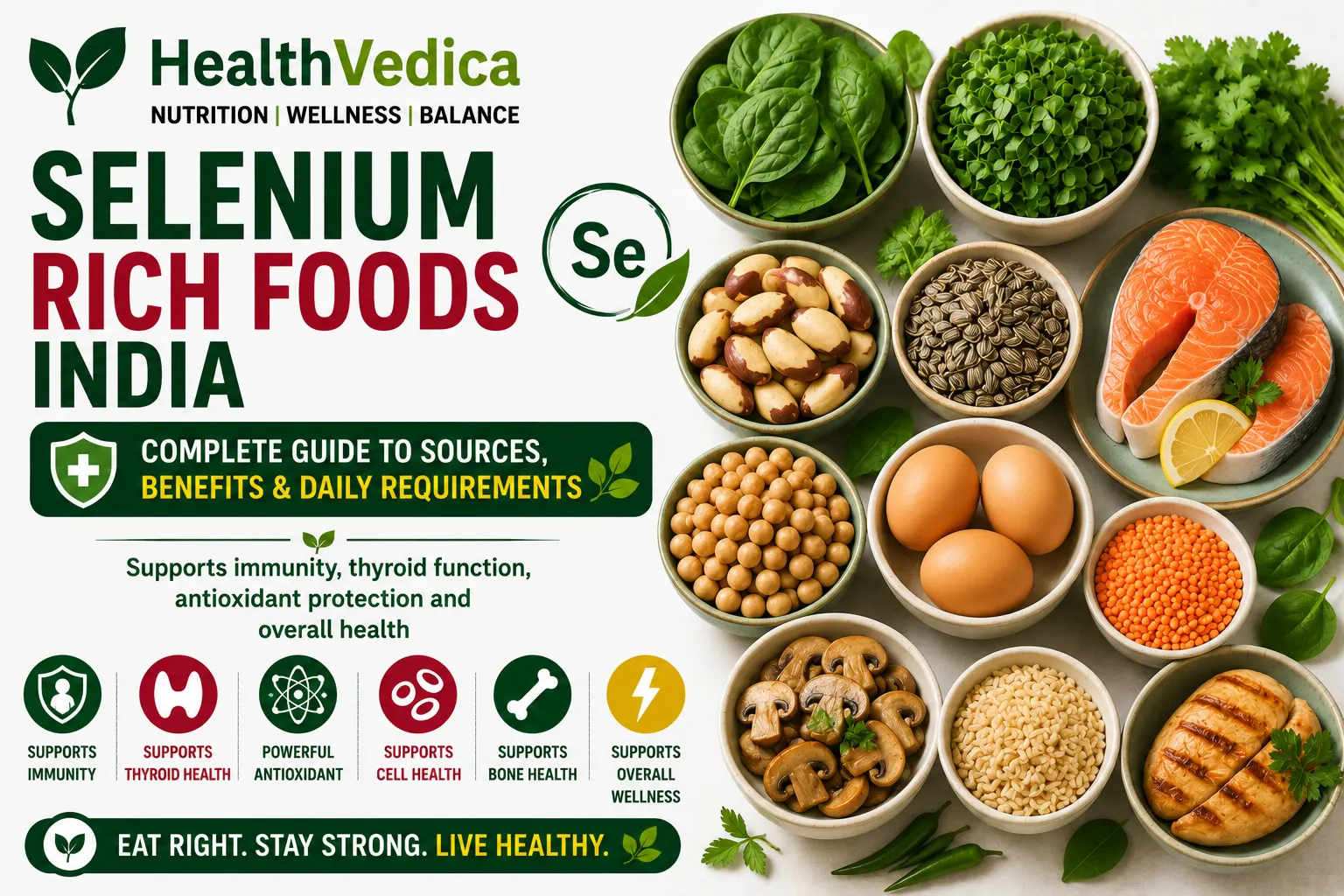
| Selenium | 208 mcg | 298% |
| Zinc | 6.1 mg | 41% |
| Vitamin C | 7.1 mg | 12% |
| Vitamin E | 5.1 mg | 25% |
| Folate | 162 mcg | 41% |
| Niacin (B3) | 7.9 mg | 40% |
⚗️ Key Bioactive Compounds
Glucosinolates are mustard's most important medicinal compounds. They break down into isothiocyanates (including allyl isothiocyanate — the compound responsible for pungency) which have proven anti-cancer, antibacterial, and anti-inflammatory properties. Sinigrin and sinalbin are specific glucosinolates with powerful antioxidant and detoxifying effects. Myrosinase is an enzyme that activates glucosinolates when seeds are crushed or chewed. Selenium in mustard seeds is a potent antioxidant mineral. Phytosterols help lower cholesterol absorption.
🕉️ Ayurvedic Properties & Dosha Effect
In Ayurveda, mustard seeds are called Sarshapa and classified as Ushna (hot), Teekshna (sharp/penetrating), and pungent in taste. They are Kapha and Vata Shamaka — primarily balancing Kapha and Vata doshas. Mustard is used as Deepana (kindles digestive fire), Lekhana (scraping excess fat/mucus), and Vedanasthapana (pain relieving). Mustard oil is widely used in Abhyanga (Ayurvedic massage) especially in winter to warm and nourish the body. Externally, mustard poultice is a traditional remedy for joint pain and respiratory congestion.
💚 Health & Healing Benefits
Anti-Cancer Protection: Mustard's glucosinolates and isothiocyanates are among the most studied natural anti-cancer compounds. Research shows they inhibit tumor formation in colon, bladder, cervical, and lung cancers by triggering cancer cell death and detoxifying carcinogens.
Heart Health: The exceptional omega-3 fatty acid (ALA) content in mustard seeds reduces inflammation, lowers triglycerides, and supports cardiovascular health. Phytosterols block cholesterol absorption in the gut, reducing LDL levels.
Anti-Inflammatory & Pain Relief: Mustard seeds contain selenium and omega-3s that reduce systemic inflammation. A warm mustard poultice or mustard oil massage effectively relieves arthritis, muscle pain, and joint stiffness.
Respiratory Health: Mustard's pungent isothiocyanates act as natural decongestants, breaking up mucus in respiratory passages. Steam inhalation with mustard seeds or mustard oil chest rub relieves cold, cough, and asthma symptoms.
Digestive Benefits: Mustard seeds stimulate digestive enzyme production, improve gut motility, and have mild laxative effects. The fiber content supports healthy gut flora and regular bowel movements.
Skin & Hair Care: Mustard oil (extracted from seeds) is one of India's most traditional hair oils — it nourishes the scalp, prevents dandruff, fights fungal infections, and promotes hair growth. Applied to skin, it moisturizes and protects in cold weather.
Bone Health: With exceptional calcium, phosphorus, and magnesium content, mustard seeds support strong bone density and help prevent osteoporosis.
Diabetes Management: Research shows mustard extract reduces blood glucose levels and may improve insulin resistance through its antioxidant mechanisms.
Detoxification: Glucosinolates activate detoxification enzymes in the liver (glutathione-S-transferase), helping the body eliminate carcinogens and toxins more effectively.
🏠 Ayurvedic & Home Remedies Using Mustard Seeds
| Remedy | Preparation | Benefit |
|---|---|---|
| Mustard Paste for Joint Pain | Grind mustard seeds with water into a paste, apply warm on painful joints, cover with cloth for 20 min | Arthritis relief, muscle pain |
| Mustard Oil Massage | Warm mustard oil slightly, massage entire body before bathing | Circulation, winter warmth, skin nourishment |
| Sarson Ka Saag | Cook mustard greens with spices, butter/ghee and serve with makki ki roti | Iron, calcium, vitamin K, detox benefits |
| Mustard Foot Soak | Add 2 tbsp mustard seeds to hot water foot bath | Cold feet, circulation, headache relief, fungal prevention |
| Mustard Poultice (Chest Rub) | Mix mustard powder with warm water, apply on chest with cloth barrier | Chest congestion, bronchitis, cough relief |
| Mustard Hair Mask | Mix mustard oil with egg and yogurt, apply to hair for 30 min | Hair growth, scalp nourishment, dandruff control |
🍛 Indian Culinary Uses
Mustard seeds are inseparable from Indian cooking, especially in South and West India. The iconic tadka (tempering) almost always begins with mustard seeds crackling in hot oil. They are fundamental to Bengali cuisine, Maharashtrian dishes, and South Indian sambhar, rasam, and chutneys. Kasundi (Bengali mustard sauce) is a beloved condiment made from fermented mustard seeds. In Punjab, sarson ka saag with makki di roti is the defining winter dish. Mustard seeds are also essential for pickling achar, creating mustard curry (rajasthani), and making dhokla and kadhi.
💡 Tips for Best Use
Tempering technique: Add mustard seeds to hot oil and wait for them to start popping (sputtering) before adding other ingredients — this releases their volatile oils and maximizes flavor. Cover the pan partially to prevent seeds from flying out. Crushing enhances potency: Crushing or grinding mustard seeds activates myrosinase enzyme, releasing more beneficial isothiocyanates. Storage: Store in airtight containers away from moisture — whole seeds last 2–3 years; ground mustard 6 months.
⚠️ Precautions & Side Effects
Mustard is safe in culinary amounts for most people. Skin contact with large amounts of mustard paste can cause burns or blisters — always use a cloth barrier for poultice application. Individuals with thyroid conditions should consult a doctor as glucosinolates in large amounts may affect thyroid function. Allergy to mustard is a recognized food allergy — symptoms range from mild (hives) to severe (anaphylaxis). Mustard oil used for cooking is restricted in the US and EU (sold as 'for external use only') due to high erucic acid content, but has been safely used in India for centuries in cooked preparations.