🌰 Introduction
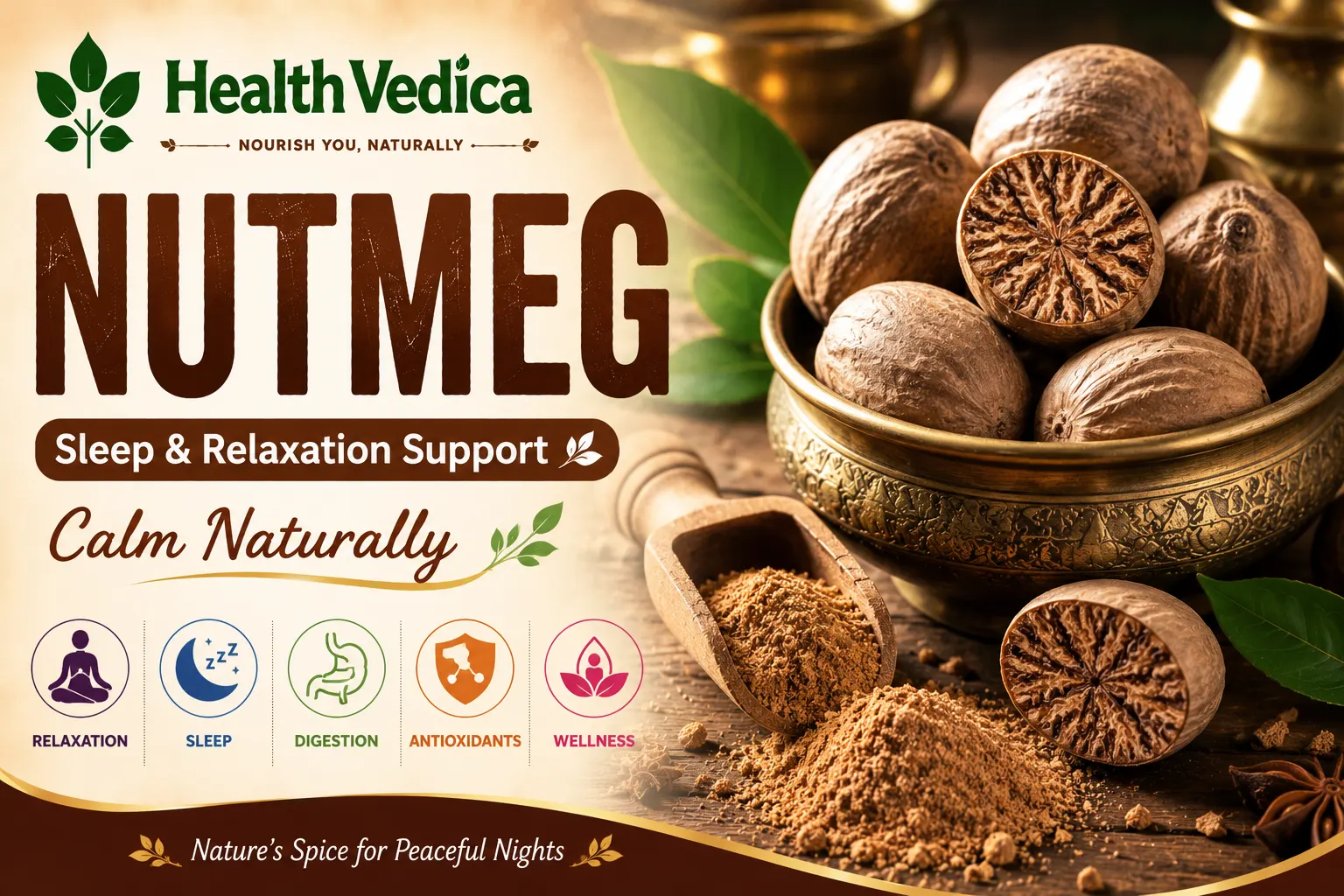
Nutmeg, popularly known as Jaiphal in India, is the aromatic seed of the evergreen tree Myristica fragrans, native to Indonesia's Spice Islands. Revered for centuries in Ayurveda, Siddha, and Unani medicine, nutmeg is one of the world's most treasured spices due to its warm aroma, unique flavour and remarkable medicinal properties. Unlike nuts such as almonds or walnuts, nutmeg is primarily used as a spice rather than consumed in large quantities. It contains powerful plant compounds including myristicin, elemicin, eugenol, sabinene and lignans, which contribute to its antioxidant, digestive, anti-inflammatory and calming effects. Nutmeg is widely used in Indian sweets, curries, masalas, milk preparations and traditional herbal remedies.
📊 Nutritional Value Per 100g of Nutmeg
| Nutrient | Amount | % Daily Value (DV) |
|---|---|---|
| Calories | 525 kcal | 26% |
| Protein | 5.8 g | 12% |
| Total Fat | 36.3 g | 47% |
| Carbohydrates | 49.3 g | 18% |
| Dietary Fiber | 20.8 g | 74% |
| Calcium | 184 mg | 18% |
| Magnesium | 183 mg | 44% |
| Phosphorus | 213 mg | 30% |
| Potassium | 350 mg | 7% |
| Iron | 3 mg | 17% |
| Manganese | 2.9 mg | 126% |
| Copper | 1 mg | 111% |
📉 Glycemic Index
Nutmeg has a very low glycemic index (approximately 10) because it is consumed in tiny quantities. It has negligible impact on blood sugar when used as a culinary spice.
🧬 Bioactive Compounds
Nutmeg contains several unique phytochemicals including myristicin, elemicin, eugenol, safrole, sabinene and numerous polyphenols. These compounds contribute to its antioxidant, antimicrobial, digestive and neuroprotective properties.
💊 Vitamins & Minerals Explained
Although consumed in small amounts, nutmeg provides manganese for enzyme activity and bone health, copper for red blood cell formation, magnesium for nerve and muscle function, and dietary fibre that supports healthy digestion.
🕉️ Ayurvedic Properties & Dosha Effect
In Ayurveda, Jaiphal is classified as Katu (pungent), Tikta (bitter) and Kashaya (astringent) with a warming potency (Ushna Veerya) and sweet post-digestive effect (Madhura Vipaka). It helps pacify Vata and Kapha Doshas while excessive consumption may aggravate Pitta. Ayurvedic practitioners traditionally recommend nutmeg for improving digestion (Deepana), reducing diarrhoea (Grahi), promoting restful sleep, calming the mind and enhancing reproductive vitality.
💚 Evidence-Based Health Benefits
Digestive Health: Nutmeg stimulates digestive enzyme secretion, relieves bloating, gas, indigestion and nausea. It has long been used in Ayurveda to support healthy digestion after heavy meals.
Better Sleep: Warm milk with a pinch of nutmeg is a traditional bedtime remedy believed to promote relaxation and improve sleep quality due to its calming phytochemicals.
Brain Health: Natural antioxidants and aromatic compounds may help protect brain cells from oxidative stress and support cognitive function when consumed in culinary amounts.
Powerful Antioxidant: Nutmeg contains numerous antioxidant compounds that help neutralise free radicals and reduce oxidative stress.
Anti-inflammatory Effects: Laboratory studies suggest nutmeg compounds may reduce inflammation, supporting joint comfort and overall wellness.
Oral Health: Nutmeg's natural antibacterial properties help combat harmful oral bacteria. It has traditionally been used in herbal tooth powders and mouth fresheners.
Heart Wellness: Its antioxidant and anti-inflammatory properties may contribute to cardiovascular protection as part of a balanced diet.
👨👩👧 Who Should Eat Nutmeg?
Nutmeg is suitable for most healthy adults when used in small culinary quantities. It is especially beneficial for people experiencing occasional indigestion, bloating, poor appetite or mild sleep disturbances. It is commonly included in winter diets because of its warming nature.
🚫 Who Should Limit or Avoid Nutmeg?
Pregnant women should avoid consuming medicinal quantities unless advised by a qualified healthcare professional. Children should only receive very small culinary amounts. Individuals with liver disease or neurological disorders should avoid excessive intake.
🌿 Ayurvedic Remedies
Sleep Remedy: Add a small pinch of freshly grated nutmeg to a glass of warm milk before bedtime.
Digestive Mix: Combine a pinch of nutmeg with dry ginger and cardamom after heavy meals to ease bloating and improve digestion.
Traditional Face Pack: Nutmeg powder mixed with sandalwood and rose water has traditionally been used for oily skin, though scientific evidence remains limited.
🥗 Best Ways to Use Nutmeg
Freshly grate whole nutmeg into curries, soups, desserts, milk, coffee, oatmeal, smoothies, baked goods or spice blends. Freshly grated nutmeg provides better aroma and higher levels of beneficial essential oils than pre-ground powder.
🍽️ Best Food Combinations
Nutmeg pairs well with cinnamon, cardamom, cloves, black pepper, turmeric, milk, pumpkin, sweet potatoes, apples, pears and dry fruits, enhancing both flavour and nutritional value.
🔥 Whole vs Ground Nutmeg
Whole nutmeg retains its essential oils much longer than pre-ground powder. Grinding just before use provides superior flavour, aroma and antioxidant activity.
🧊 Storage Tips
Store whole nutmeg in an airtight container away from heat, moisture and sunlight. Whole seeds remain aromatic for several years, while ground nutmeg should ideally be used within six to twelve months.
📅 Daily Recommended Intake
Use only 1/8 to 1/4 teaspoon (approximately 0.5–1 gram) per day for culinary purposes. Medicinal use should only be under the supervision of a qualified healthcare professional.
⚠️ Precautions & Toxicity
Excessive consumption of nutmeg can be dangerous. Large doses (typically above 5 grams) may cause nausea, dizziness, rapid heartbeat, dry mouth, confusion, hallucinations and serious neurological symptoms because of compounds such as myristicin. Nutmeg should always be consumed in small culinary amounts and should never be used recreationally.
🔬 Scientific Highlights
Modern research has identified nutmeg's essential oils and polyphenols as possessing antioxidant, antimicrobial and anti-inflammatory activities. Preliminary studies also suggest potential neuroprotective and digestive benefits, although larger human clinical trials are still needed to confirm these effects.
🌍 Fun Facts
- Nutmeg and mace come from the same fruit—the seed is nutmeg, while the red outer covering is mace.
- During the 17th century, nutmeg was one of the world's most valuable spices and even sparked conflicts over the Spice Islands.
- A single nutmeg tree can produce thousands of fruits every year.
- Freshly grated whole nutmeg has a stronger aroma and flavour than commercially ground powder.