🌿 Introduction
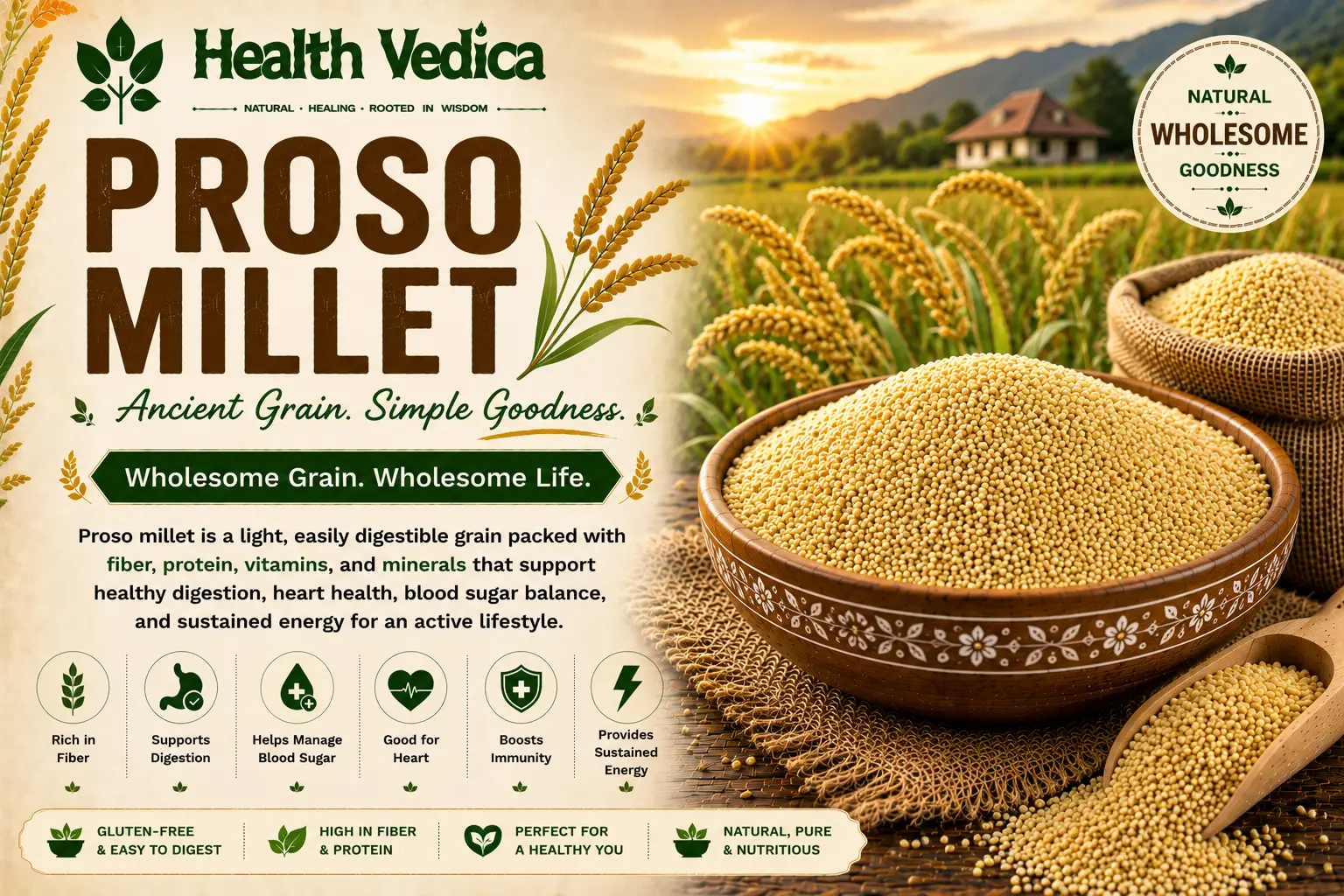
Proso millet, one of the oldest cultivated grains in human history with evidence of cultivation dating back 10,000 years in China, is known as Chena in Hindi, Barri in some regions, Variga in Telugu, and Panivaragu in Tamil. It is one of the fastest-maturing cereal crops, making it a vital food security crop in water-scarce regions. Proso millet stands out for its exceptionally high protein content and unique amino acid profile, particularly its high leucine content which supports muscle protein synthesis and metabolic health.
🔬 Nutritional Value Per 100g (Raw Proso Millet)
| Nutrient | Amount | % Daily Value |
|---|---|---|
| Calories | 378 kcal | 19% |
| Carbohydrates | 70.4 g | 26% |
| Protein | 12.5 g | 25% |
| Fat | 3.5 g | 5% |
| Fiber | 8.5 g | 30% |
| Iron | 3.0 mg | 17% |
| Calcium | 14 mg | 1% |
| Magnesium | 114 mg | 27% |
| Niacin (B3) | 4.7 mg | 29% |
| Thiamine (B1) | 0.41 mg | 34% |
📊 Glycemic Index
Proso millet has a moderate-to-low glycemic index of approximately 53–60. Its high fiber and protein content moderate the glycemic response and provide sustained energy. When consumed as whole grain porridge or roti, the GI effect is further reduced compared to processed forms.
🌿 Ayurvedic Properties & Dosha Effect
In Ayurveda, proso millet is considered light, slightly warming, and nourishing. It is beneficial for balancing Kapha dosha. Traditional medicine recognizes its value in strengthening the body, improving metabolism, and supporting digestive fire (Agni). It is recommended for individuals with sluggish digestion, poor appetite, and metabolic weakness.
✅ Health & Healing Benefits
Proso millet is distinguished by its high leucine content — an essential amino acid that is the primary trigger for muscle protein synthesis. This makes it particularly valuable for athletes, elderly individuals (to prevent sarcopenia), and vegetarians who need adequate protein for muscle maintenance. Its high niacin (B3) content supports cholesterol metabolism, DNA repair, and energy production. Magnesium supports over 300 enzymatic reactions and is critical for heart rhythm, energy production, and bone density. The high fiber supports digestive health, prebiotic function, and blood sugar modulation.
🍲 Indian Dietary Uses
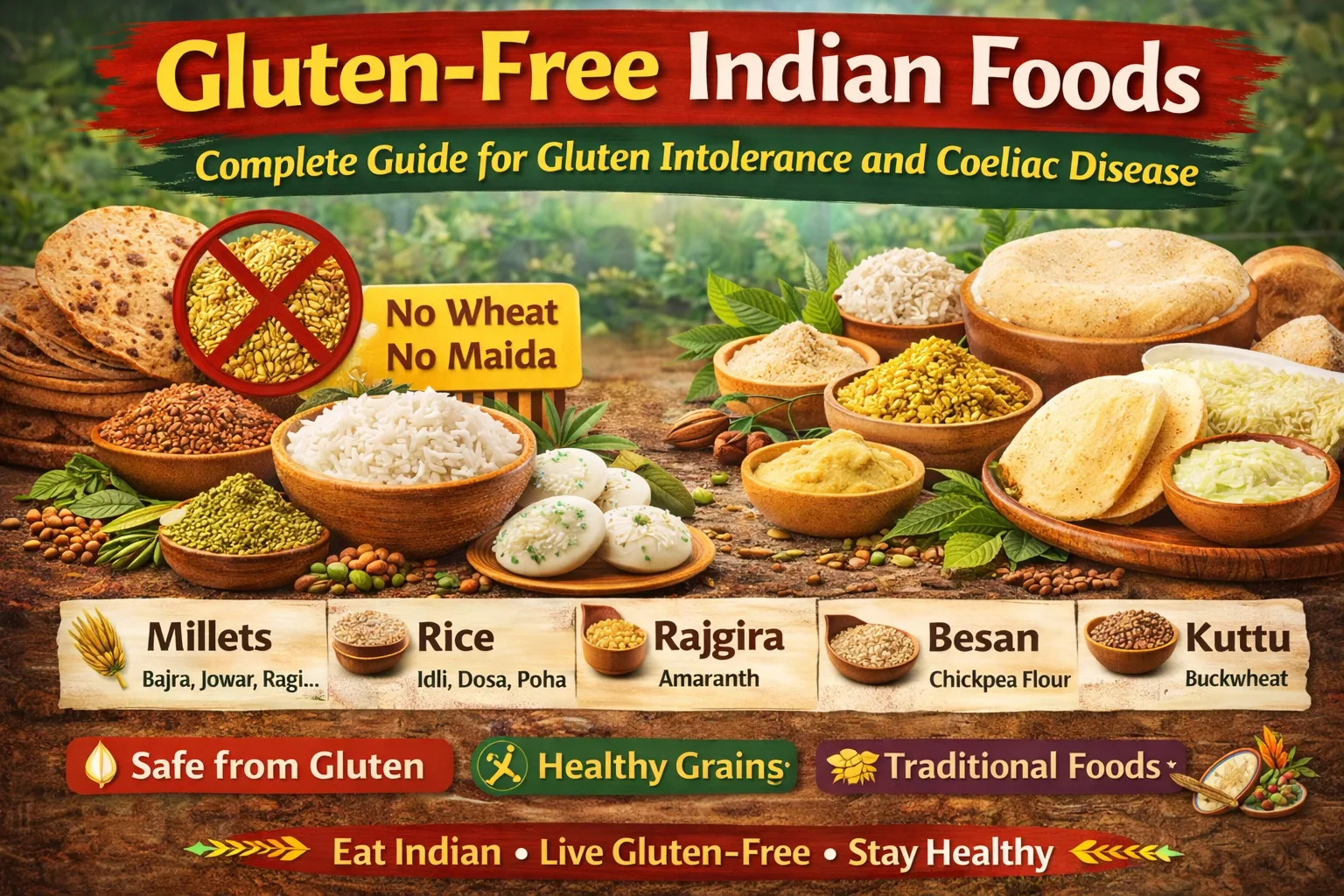
Proso millet is used to make chena porridge, panivaragu rice, proso millet roti, millet upma, variga annam, and traditional millet porridges. In tribal communities of central India, it is fermented for traditional beverages and thick porridges. It is an excellent grain for making gluten-free rotis and flatbreads.
💡 High-Protein Millet Bowl
Prepare proso millet porridge with a generous portion of mixed vegetables, a cracked egg or paneer cubes, turmeric, and pepper. This protein-rich millet bowl provides all essential amino acids and is ideal for breakfast or post-workout recovery for vegetarians and fitness enthusiasts.
💡 Smart Tips
Soak proso millet for 4–6 hours before cooking. Cook with a 1:2.5 ratio (millet:water). It has a mild flavor that absorbs spices and seasonings well, making it versatile in both sweet and savory preparations. Store in a cool, dry airtight container. Can be mixed with other millets for variety.