🌿 Introduction
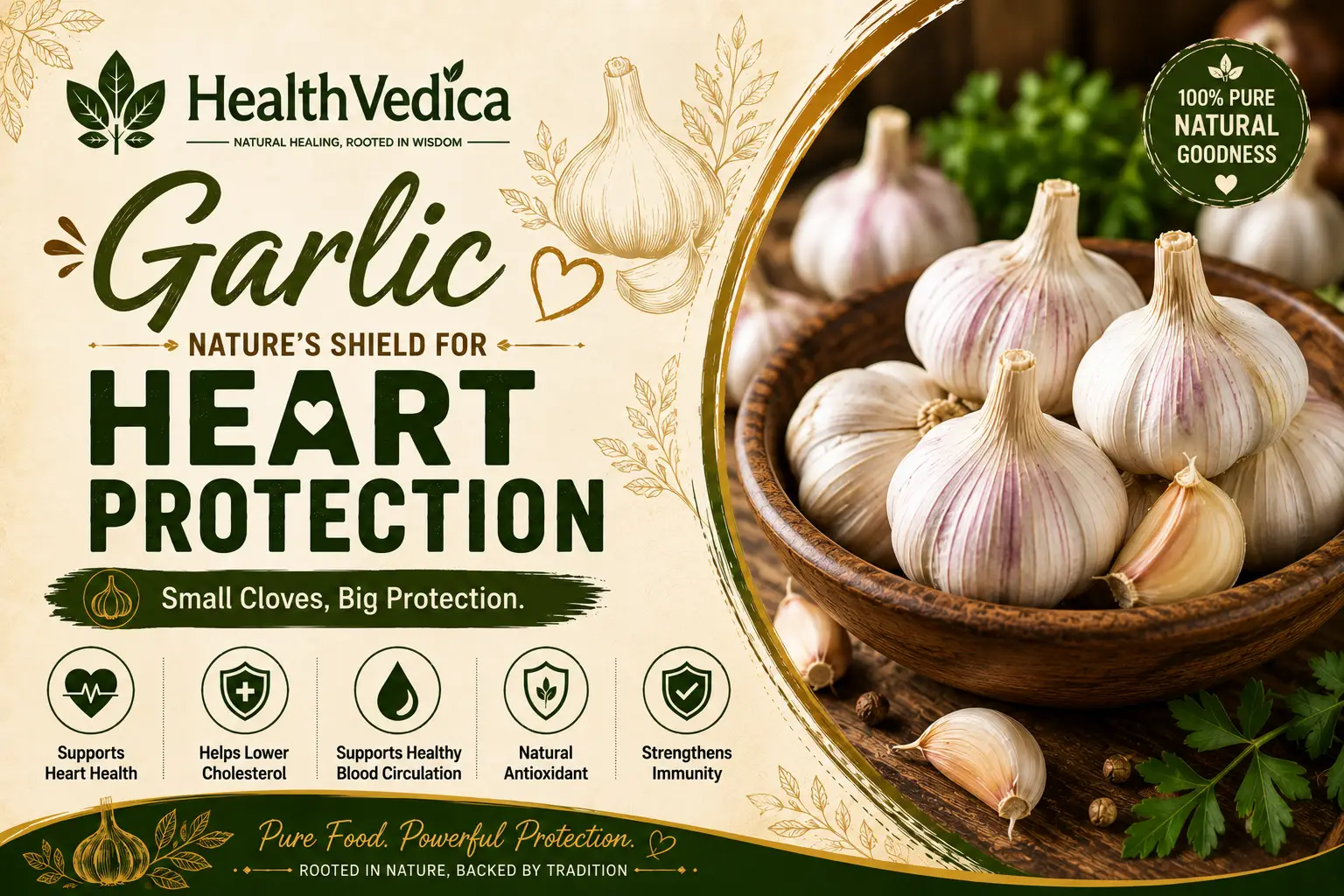
Garlic, universally known as Lahsun in India, is one of humanity's oldest and most celebrated medicinal foods. A member of the Allium family (related to onions, leeks, and chives), Allium sativum has been cultivated for over 5,000 years. Ancient Egyptians gave garlic to pyramid workers for strength; Hippocrates (father of medicine) prescribed it for respiratory conditions; and Ayurvedic texts described it as Rasayana — a life-prolonging tonic. Today, garlic is the second most consumed spice globally after pepper. India is one of the world's largest producers. Modern science has confirmed what traditional medicine knew: garlic's active compound allicin is among the most pharmacologically potent natural substances known, with proven effects on heart health, immune function, blood pressure, and cancer prevention.
📊 Nutritional Value Per 100g
| Nutrient | Amount | % Daily Value |
|---|---|---|
| Calories | 149 kcal | 7% |
| Carbohydrates | 33.1 g | 11% |
| Dietary Fiber | 2.1 g | 8% |
| Protein | 6.4 g | 13% |
| Fat | 0.5 g | 1% |
| Calcium | 181 mg | 18% |
| Iron | 1.7 mg | 9% |
| Magnesium | 25 mg | 6% |
| Phosphorus | 153 mg | 15% |
| Potassium | 401 mg | 11% |
| Zinc | 1.2 mg | 8% |
| Selenium | 14.2 mcg | 20% |
| Vitamin C | 31.2 mg | 52% |
| Vitamin B6 | 1.24 mg | 62% |
| Folate | 3 mcg | 1% |
| Niacin (B3) | 0.7 mg | 4% |
| Thiamine (B1) | 0.2 mg | 13% |
🔬 The Science of Allicin
Allicin (diallyl thiosulfinate) is garlic's primary medicinal compound, but it does not exist in intact garlic — it is only formed when garlic is crushed, chopped, or minced, triggering a reaction between alliin (an amino acid) and alliinase (an enzyme). Allicin is then metabolized into numerous other sulfur compounds including diallyl disulfide (DADS), diallyl trisulfide (DATS), S-allyl cysteine (SAC), and S-allyl mercaptocysteine (SAMC) — each with distinct therapeutic properties. The key insight for maximum benefit: crush or chop garlic and let it rest for 10 minutes before cooking — this allows maximum allicin formation before heat deactivates alliinase. Raw garlic contains the most bioactive allicin.
🕉️ Ayurvedic Properties & Dosha Effect
In Ayurveda, Lahsun (Rasona) holds a unique and revered position. Ancient texts describe it as possessing five of the six tastes (Shadrasas) — all except sour. It is Ushna (hot), unctuous, heavy, and sharp. Garlic is the quintessential Vata Shamaka herb — arguably the most powerful for Vata disorders including joint pain, nerve pain, paralysis, and constipation. It also effectively balances Kapha while increasing Pitta. Garlic is classified as Rasayana (life-prolonging tonic), Deepana (strongest digestive stimulant), Krimighna (antiparasitic), Hridya (heart tonic), and Medhya (brain tonic). Classical preparations include Lahsun Pak, Rasona Ksheera (garlic boiled in milk), and Mahayogaraja Guggulu (for arthritis).
💚 Health & Healing Benefits
Cardiovascular Health (Garlic's Superstar Benefit): Garlic is one of the best-studied natural cardiovascular protectors. Meta-analyses of multiple clinical trials show garlic supplementation significantly reduces total cholesterol by 10–15%, LDL cholesterol, and triglycerides while mildly raising HDL. It also reduces systolic blood pressure by 8–10 mmHg and diastolic by 4–5 mmHg — comparable to some antihypertensive medications. Garlic reduces platelet aggregation (prevents dangerous clotting), reduces arterial stiffness, and prevents atherosclerosis (arterial plaque formation).
Immune System Enhancement: Garlic is one of the most potent natural immunostimulants. Clinical trials show garlic supplementation reduces the frequency of colds by 63% and shortens their duration by 70%. Allicin directly activates immune cells, increases natural killer (NK) cell activity, and has broad-spectrum antimicrobial effects.
Blood Pressure Reduction: Garlic produces hydrogen sulfide gas in blood vessels which triggers vasodilation (relaxation of blood vessel walls), reducing blood pressure effectively. Studies consistently show 600–900mg garlic extract daily significantly lowers blood pressure in hypertensive patients.
Anti-Cancer Properties: Epidemiological studies consistently show populations consuming more garlic have lower rates of stomach, colon, and esophageal cancers. DATS and other garlic compounds induce apoptosis in cancer cells, inhibit tumor angiogenesis, and activate the immune system's cancer surveillance mechanisms.
Detoxification: Garlic sulfur compounds enhance liver glutathione production and support Phase II detoxification pathways. Studies show garlic significantly reduces heavy metal accumulation (lead, cadmium, mercury) in organs when consumed regularly.
Antibiotic Activity: Allicin has demonstrated antimicrobial activity against bacteria including drug-resistant strains like MRSA and E. coli. It inhibits biofilm formation (which protects bacteria from antibiotics) and may help restore antibiotic sensitivity in resistant strains.
Anti-Inflammatory: Garlic suppresses multiple inflammatory pathways including NF-κB and COX enzymes. Regular consumption reduces CRP (C-reactive protein) and other inflammatory markers significantly.
Bone Health: Garlic increases estrogen levels in women, potentially reducing bone loss and osteoporosis risk. Animal studies show garlic prevents bone density reduction associated with estrogen deficiency.
Athletic Performance: Ancient Greek Olympians used garlic — historical records show it was given to athletes to enhance endurance. Modern research confirms garlic reduces exercise-induced fatigue and improves oxygen efficiency.
Anti-Aging: Garlic's antioxidant and anti-inflammatory properties slow cellular aging. Its telomere-protecting effects (preserving the protective caps on chromosomes) suggest genuine anti-aging potential at the cellular level.
⚖️ Raw vs. Cooked Garlic — Key Differences
| Property | Raw Garlic | Cooked Garlic |
|---|---|---|
| Allicin Content | High (maximum) | Reduced (heat destroys alliinase) |
| Flavor | Pungent, sharp | Mild, sweet, mellow |
| Antimicrobial Activity | Very high | Reduced |
| Cardiovascular Benefits | Highest | Good (SAC compounds stable to heat) |
| Digestibility | Harder (may cause irritation) | Easier, gentler |
| Best For | Infections, immunity, max heart benefits | Daily cooking, general health, taste |
🏠 Ayurvedic & Home Remedies Using Garlic
| Remedy | Preparation | Benefit |
|---|---|---|
| Raw Garlic on Empty Stomach | Crush 1–2 garlic cloves, let rest 10 min, swallow with water in the morning | Maximum allicin, heart health, immunity, blood pressure |
| Lahsun Doodh (Garlic Milk) | Boil 3–4 crushed garlic cloves in 1 cup milk until half, cool and drink | Joint pain, Vata disorders, nerve health, cold/cough |
| Garlic Honey | Crush 5 cloves, mix in 1 tbsp raw honey, take daily for 30 days | Immunity, heart health, antibacterial, weight management |
| Garlic Oil for Ear Infection | Warm 2 garlic cloves in 2 tbsp sesame oil, strain, apply 2 drops in ear | Ear infection (otitis), ear pain relief |
| Garlic Kadha for Cold/Flu | Boil 4 garlic cloves + ginger + turmeric + black pepper in water, add honey | Viral infections, immunity, fever, congestion |
| Garlic Paste for Joint Pain | Roast 4–5 garlic cloves in sesame oil, mash into paste, apply warm on joints | Arthritis, joint inflammation, muscle pain |
| Garlic Ghee (Lahsun Ghrita) | Add crushed garlic to warm ghee, cook until golden, use in meals | Digestive health, Vata balance, lipid metabolism |
🍛 Indian Culinary Uses
Garlic is indispensable in Indian cooking and second only to onion in importance. It forms the base of countless Indian dishes alongside onion and ginger in the classic masala trinity. Garlic paste or minced garlic is used in virtually all curries, dals, sabzis, and gravies. It is an essential flavoring in chicken tikka, butter chicken, biryani marinades, dal makhani, palak paneer, and virtually every spiced dish. Garlic chutney is consumed fresh across India. Garlic is used in achars (pickles), garlic naan, garlic bread (Indian style), and as a tempering component in dals and sambhar. Roasted whole garlic heads are used as flavor enhancers in various regional cuisines.
💡 Tips for Maximum Health Benefits
The 10-minute rule: Always crush or mince garlic and let it rest for 10 minutes before cooking or consuming. This allows maximum allicin formation. Cooking immediately after crushing prevents allicin from forming. Raw is most potent: For maximum medicinal benefit, especially for infections and blood pressure, consume 1–2 cloves raw. Start with small amounts if you have a sensitive stomach. Aging enhances certain benefits: Aged Black Garlic (fermented/aged garlic) has reduced allicin but dramatically increased antioxidants, is gentler on digestion, and has strong cardiovascular benefits. Storage: Store whole bulbs at room temperature with good air circulation for up to 2 months. Refrigerating garlic promotes mold. Peeled cloves can be stored in olive oil in the refrigerator for up to 2 weeks. Odor reduction: Parsley, mint, or apple consumption after garlic significantly reduces breath odor. Milk also neutralizes garlic odor compounds.
⚠️ Precautions & Side Effects
Garlic is safe for most people in culinary amounts. Raw garlic on an empty stomach may cause digestive irritation, heartburn, or nausea in sensitive individuals — take with food initially. Large supplemental doses (above 5g of raw garlic or equivalent) may cause significant blood thinning — people on anticoagulants (warfarin, aspirin) must consult a doctor before garlic supplementation. Garlic may lower blood sugar — diabetics on medication should monitor closely. Avoid large medicinal doses 2 weeks before surgery due to blood-thinning effects. Some people experience garlic allergy or contact dermatitis from topical application. Garlic Ayurvedic tradition considers it a Rajasic/Tamasic food that stimulates the mind — some practitioners of yoga and spiritual practices avoid it.