🌿 Introduction
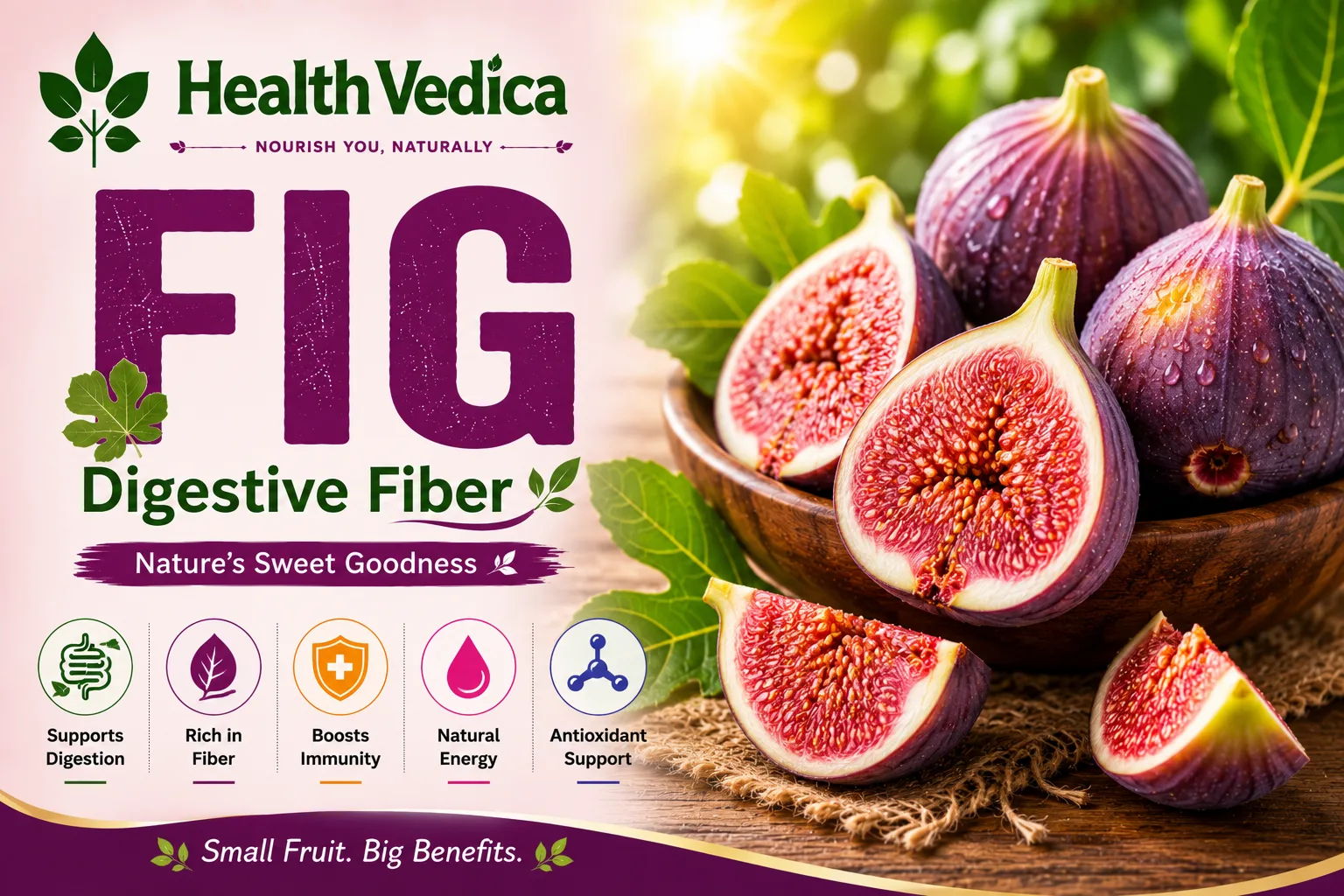
Fig (Ficus carica), popularly known as Anjeer in India, is one of the oldest cultivated fruits in human history. Revered in Ayurveda, Mediterranean diets and traditional Persian medicine, figs are prized for their naturally sweet taste, impressive mineral content and exceptional dietary fiber. Fresh figs are low in calories and rich in potassium, calcium, magnesium and antioxidants, while dried figs are highly concentrated sources of energy, fiber and minerals. Anjeer is particularly valued for supporting bone health, digestion, heart wellness and healthy ageing.
📊 Nutritional Value Per 100g of Fresh Fig
| Nutrient | Amount | % Daily Value (DV) |
|---|---|---|
| Calories | 74 kcal | 4% |
| Protein | 0.8 g | 2% |
| Total Fat | 0.3 g | <1% |
| Carbohydrates | 19.2 g | 7% |
| Natural Sugars | 16.3 g | — |
| Dietary Fiber | 2.9 g | 10% |
| Calcium | 35 mg | 3% |
| Potassium | 232 mg | 5% |
| Magnesium | 17 mg | 4% |
| Vitamin K | 4.7 mcg | 4% |
| Vitamin B6 | 0.11 mg | 6% |
| Vitamin C | 2 mg | 2% |
| Water | 79 g | — |
📉 Glycemic Index
Fresh figs have a moderate glycemic index of approximately 51. Their dietary fiber helps slow sugar absorption. Dried figs contain concentrated natural sugars and should be consumed in smaller portions.
🧬 Powerful Plant Compounds
Figs contain abundant polyphenols including anthocyanins (in purple varieties), chlorogenic acid, rutin, quercetin, catechins, luteolin and carotenoids. These compounds provide antioxidant and anti-inflammatory benefits that support healthy ageing and cardiovascular wellness.
💊 Vitamins & Minerals Explained
Anjeer is naturally rich in calcium, potassium and magnesium that support healthy bones, muscles and blood pressure. Vitamin K contributes to bone metabolism, while dietary fiber promotes digestive health and cholesterol management.
🕉️ Ayurvedic Properties & Dosha Effect
According to Ayurveda, ripe Anjeer possesses a Madhura (sweet) taste with a cooling potency (Sheeta Veerya). It nourishes body tissues, promotes strength and supports healthy bowel movements. It helps balance Vata and Pitta Doshas, while excessive intake may aggravate Kapha Dosha due to its natural sweetness.
💚 Evidence-Based Health Benefits
Supports Bone Health: Figs naturally provide calcium, magnesium, potassium and vitamin K that contribute to maintaining healthy bones and reducing age-related bone loss.
Promotes Digestive Health: Dietary fiber supports regular bowel movements, nourishes beneficial gut bacteria and helps relieve occasional constipation.
Heart Health: Potassium helps maintain healthy blood pressure, while soluble fiber and antioxidants support cardiovascular wellness.
Supports Healthy Cholesterol: Soluble fiber such as pectin may help maintain healthy cholesterol levels as part of a balanced diet.
Natural Energy: Fresh and dried figs provide natural carbohydrates that serve as a quick source of energy for physically active individuals.
Supports Healthy Skin: Antioxidants and minerals help protect skin cells against oxidative stress and support collagen production.
Antioxidant Protection: Polyphenols help reduce oxidative stress and support healthy ageing.
👨👩👧 Who Should Eat Figs?
Figs are beneficial for children, older adults, athletes, pregnant women, individuals seeking digestive support and those aiming to improve bone health through nutrient-rich foods.
🚫 Who Should Limit Figs?
Individuals with diabetes should moderate dried fig consumption because drying concentrates natural sugars. People taking blood-thinning medications should maintain consistent vitamin K intake and consult their healthcare provider before making major dietary changes.
🌿 Healthy Recipes & Home Remedies
Soaked Anjeer: Soak 2–3 dried figs overnight and enjoy them in the morning for digestive support.
Fig Smoothie: Blend fresh figs with yogurt, oats and almonds for a nutrient-rich breakfast.
Fig & Walnut Salad: Combine sliced fresh figs, walnuts, spinach and olive oil for a heart-friendly meal.
Homemade Energy Bites: Mix dried figs with dates, nuts and seeds for refined sugar-free snacks.
🥗 Best Ways to Eat Figs
Fresh figs are delicious as a snack, in fruit salads or yogurt bowls. Dried figs can be soaked overnight to improve texture and digestibility before eating. Both forms provide valuable nutrients, but portion sizes differ because dried figs are more calorie-dense.
🍽️ Best Food Combinations
Figs pair well with almonds, walnuts, pistachios, yogurt, oats, chia seeds, sesame seeds, cinnamon and honey (for healthy adults).
🧊 Storage Tips
Fresh figs should be refrigerated and consumed within 2–3 days due to their delicate nature. Dried figs should be stored in an airtight container in a cool, dry place.
📅 Daily Recommended Intake
2–3 fresh figs or 2 soaked dried figs per day provide excellent nutritional benefits for most healthy adults.
⚠️ Precautions
People with latex allergy may occasionally react to fresh figs because they contain natural latex proteins. Excessive intake of dried figs may contribute to digestive discomfort because of their high fiber content. Individuals with diabetes should monitor portion size.
🔬 Scientific Highlights
Research indicates that figs contain significant amounts of antioxidants, dietary fiber and minerals associated with digestive, cardiovascular and bone health. Studies also suggest that fig polyphenols contribute to antioxidant defense, while soluble fiber supports healthy cholesterol metabolism. More long-term human studies are ongoing.
📚 Traditional Ayurvedic References
- Charaka Samhita
- Bhavaprakasha Nighantu
- Modern Ayurvedic Dietetics
- Ayurvedic Nutrition Principles
❌ Common Myths & Facts
❌ Myth: Dried figs are unhealthy because they contain more sugar.
✅ Fact: Dried figs naturally contain concentrated fruit sugars along with concentrated fiber, calcium, potassium and antioxidants. Moderation is the key.
❌ Myth: Fresh figs and dried figs have completely different nutrients.
✅ Fact: Both contain similar nutrients, but drying concentrates calories, natural sugars and minerals.
❌ Myth: Figs only help with constipation.
✅ Fact: Besides digestive health, figs also support bone health, heart wellness, healthy blood pressure and antioxidant protection.
🌍 Fun Facts
- Fig trees have been cultivated for more than 11,000 years, making them among the world's oldest cultivated fruit trees.
- Technically, a fig is not a single fruit but a unique structure called a syconium, which contains hundreds of tiny flowers inside.
- There are more than 700 cultivated varieties of figs worldwide.
- Fresh figs are highly perishable, whereas dried figs can be stored for several months.